
Organizational culture is defined by the consistent patterns of behavior, actions, and interactions that develop over time within a group, rather than formal statements or written values. It evolves dynamically through repeated daily practices and shared experiences, shaping how members act and relate to one another.
掌握组织文化:深入洞察,实用策略
通过真实案例、领导策略、文化一致性和包容性洞察来掌握组织文化,以获得成功
Alle Vlakke • 100 Lesings • Lewenslange Toegang
Geverifieerde Meester Instrukteur

SLEEPWA
Ontmoet jou instrukteur: Peter Alkema
19 ms
5.0 / 5.0
Globale gradering1
Aktiewe studenteEngels (Verenigde State van Amerika)
99 Tale Onderskrifte4 uur 27 min
Totale inhoudWat jy sal leer
在回顾基础理论后,将组织文化定义为集体行为模式。(记忆)
在工作场所观察时,区分可见符号和不可见的文化规范。(分析)
用例子解释创始人的价值观如何影响长期的组织文化。(理解)
在案例研究分析后,识别并描述在知名组织中强化文化的仪式。(应用)
Kursusinhoud
20 afdelings • 100 lesings • 04:27:16 totale lengteHow Organizational Culture Is Formed Over Time Through Experience
02:52
Organizational culture develops gradually through shared experiences, daily interactions, and the behaviors modeled by leaders, rather than from formal rules or statements. Changing this culture requires consistent new actions and experiences that slowly reshape expectations and build trust over time.
How Organizational Culture Is Formed Over Time Through Experience
PDF
Laai af
Leadership Actions That Shape and Reinforce Workplace Behavioral Norms
02:31
Leaders shape organizational culture by consistently modeling and reinforcing the behaviors, values, and norms they expect from their teams. Their actions, recognition, decisions, and visibility serve as powerful signals that influence employee conduct and establish the workplace environment.
Leadership Actions That Shape and Reinforce Workplace Behavioral Norms
PDF
Laai af
The Influence of Founders’ Values on Long-Term Cultural DNA
02:15
Founders imprint their personal values and beliefs on an organization, forming the foundation of its culture and behaviors. Even after they depart, these values often persist, shaping hiring, decision-making, and the overall identity of the company.
The Influence of Founders’ Values on Long-Term Cultural DNA
PDF
Laai af
Organizational Rituals and Their Role in Creating Predictable Behaviors
03:29
Organizational rituals are repeated routines and ceremonies that reinforce shared values, set expectations, and shape predictable behaviors in the workplace. By making values visible and building connections among employees, these rituals strengthen culture and foster consistency across the organization.
Organizational Rituals and Their Role in Creating Predictable Behaviors
PDF
Laai af
Case Study: How Iconic Companies Developed Their Signature Cultures
03:10
Organizational culture develops gradually through intentional actions, shared experiences, and leadership behaviors rather than slogans or published values. Successful companies reinforce their unique cultures by modeling desired behaviors, responding to challenges, and embedding norms in both everyday interactions and physical spaces.
Case Study: How Iconic Companies Developed Their Signature Cultures
PDF
Laai af
Understanding the Difference Between Stated Values and Actual Practices
02:31
Organizational culture is defined not by stated values, but by everyday actions and decisions made by leaders and employees. When there is a gap between what is promised and what is practiced, trust erodes and the real culture emerges from observed behaviors.
Understanding the Difference Between Stated Values and Actual Practices
PDF
Laai af
How Deeply-Held Assumptions Guide Unconscious Decisions in Organizations
02:54
Deeply-held assumptions are unconscious beliefs within organizations that strongly influence behavior and decision-making, often more than visible rules or policies. Recognizing and addressing these hidden assumptions is crucial for meaningful culture change and organizational transformation.
How Deeply-Held Assumptions Guide Unconscious Decisions in Organizations
PDF
Laai af
Micro-Behaviors That Signal Cultural Norms to New Employees
02:16
New employees quickly learn an organization's true values and expectations by observing the everyday micro-behaviors of colleagues and leaders, often finding these cues more telling than official policies. These subtle actions shape the unwritten rules and culture, guiding newcomers on how to fit in and succeed.
Micro-Behaviors That Signal Cultural Norms to New Employees
PDF
Laai af
Invisible Behavioral Patterns That Get Rewarded or Punished in Teams
02:36
The true culture of a team is shaped by the subtle patterns of behavior that are consistently rewarded or punished, often operating beneath conscious awareness. Real change occurs when these invisible patterns shift, not just through official statements or policies.
Invisible Behavioral Patterns That Get Rewarded or Punished in Teams
PDF
Laai af
Real-Life Example: Misalignments Between Stated and Lived Values
02:23
The true culture of an organization is defined by the daily behaviors and actions of its people, not by the values displayed on walls or websites. When there is a gap between stated values and actual practices, trust in leadership erodes and employees adjust their behavior to fit the real norms, not the proclaimed ones.
Real-Life Example: Misalignments Between Stated and Lived Values
PDF
Laai af
Weeklikse Studieplan
Beplan jou leerreis
KI skep n persoonlike skedule gebaseer op jou beskikbaarheid5 ure/week
Vereistes
本课程没有要求或先决条件,但以下项目是有用的背景知识指南,这将增加课程的价值和收益。
对组织行为、工作场所动态或领导力发展感兴趣。
在组织中工作或与组织合作的经验(例如,作为员工、经理、顾问或领导者)是有帮助的,但不是强制性的。
具有计算机或移动设备并具有互联网连接以参与课程材料和活动。
Teikengehoor
New and mid-level managers seeking to understand and intentionally shape organizational culture within their teams.
HR professionals and organizational development specialists aiming to diagnose and improve workplace culture across departments.
Business leaders and executives preparing for mergers, acquisitions, or significant organizational change initiatives.
Consultants and business coaches supporting clients in cultural transformation and performance improvement.
Oor hierdie kursus
组织文化并不仅仅由使命宣言或口号定义——它反映在日常行为、不成文的规则、共享的假设和重复的互动模式中。本课程提供了对文化如何在组织内部真正运作的深入、实用的理解,以及领导者和专业人士如何有意识地影响它。
你将探索文化作为随着时间推移通过共同经历、领导行动、仪式和强化机制而演变的集体行为模式。课程超越表面的符号,揭示隐形规范、隐藏假设和微观行为,这些行为塑造了信任、绩效和决策。通过结构化模型,如Schein的文化层次、竞争价值框架和冰山模型,你将获得分析和绘制文化动态的工具。
课程特别强调领导影响力。你将探讨领导者如何通过日常行动、认可系统、讲故事、反馈循环和危机时刻的关键决策来传递文化。课程还涉及亚文化、包容性、跨文化动态、混合工作环境、合并和道德挑战——突出文化如何影响战略和运营结果。
通过实际案例研究、观察练习和基于反思的作业,你将学会进行文化评估,识别声明价值观和实际生活价值观之间的不一致,并设计可行的文化塑造策略。到课程结束时,你将能够准确诊断组织文化,影响积极的行为规范,并为高效、有韧性的工作场所做出贡献。
Loopbaangeleenthede & Teikenposte
Bou praktiese, werksgereed vaardighede en kwalifiseer vir gesogte poste wêreldwyd
Werkgereed Kurrikulum
Poste waarvoor jy kan aansoek doen
Project Operations Lead (PMP/Agile)
Strategic Business Analyst
Product Operations Manager
Corporate Process Strategist
Beraamde Jaarlikse Salaris
$82,000 – $135,000 / yr
Wêreldwye Bedryfsvraag
Steady Enterprise & Corporate Demand
Sleutelvaardighede wat jy Bemeester* Skatting gebaseer op globale tegnologie-werwingsmaatstawwe en salarisverslae.
Agile & Waterfall Project Delivery
Financial Modeling & Cost Control
Cross-Functional Stakeholder Alignment
Process Optimization & KPI Tracking
Ontmoet jou instrukteur
Peter Alkema
Hoofinstrukteur
Business | Technology | Self Development
"What an amazing course! After finishing this course, I have confidence. Thank so much Dr Peter Alkema" ... "This is exactly the jump-start I needed. Very clear and concise"
I lead Digital Transformation & Architecture at ABB and I've been featured on CNBC Africa and won the Gartner CIO Of The Year in 2016. I founded and led the largest banking hackathon in South Africa which was published in 2019 as a case study by Harvard Business School.
I've taught over 100,000 students about technology, business, academics and self-development. In 2020 I completed my PhD at Wits University In Johannesburg. The study introduced a ground-breaking theory of Agile software development teams. My woodworking book was published in 2014 and has sold over 10,000 copies.
Olugbenga Gbadegesin: "Excellent delivery" / Lebogang Tswelapele: "This is what I have been longing for" / Paskalia Ndapandula: "Peter speaks with so much clarity" / Amantle Mangwedi: "It was straight to the point and the sections are cut into nice short segments which made it easier to go through" Kathy Bermudez: "Excellent material. Well organized..."
Werner van Wyk: "Thank you Peter, once again your lesson and course have given me so much knowledge and understanding" / Yvonne Rudolph "I really look forward to take everything i learned in action" / Josephine Mahlangu: "exactly what I needed to know, absolutely valuable and helpful for my personal growth"...
Meer kursusse deur
Peter AlkemaStudente het ook gekoop
Leerders wat hierdie kursus bekyk het, het ook vir hierdie top-gegradeerde kursusse ingeskryf
Besigheid en Bestuur | Verkope & Bemarking
Bridge the gap between sales and marketing teams with proven strategies, collaborative frameworks, and real-world tools to drive unified business growth.
5.0
2 uur
11 lesings
Alles
$10.99
$19.99

Besigheid en Bestuur | Gestion Ambiental
ISO 19011 Audit Planning, Evidence Gathering, Findings, Reporting & Certification | Clauses 4-10 Explained
5.0
4 uur
58 lesings
Intermediêr
$54.99
$69.99

Besigheid en Bestuur | Oorredende kommunikasie
Master Persuasion: Ethical Influence, Effective Speaking, Storytelling, and Cross-Cultural Strategies for Success
5.0
5 uur 30 min
99 lesings
Alles
$9.99
$29.99

Besigheid en Bestuur | Verkoopsvaardighede
Discover proven sales & marketing secrets to master objections, psychology, and boost wealth & success.
5.0
2 uur 30 min
4 lesings
Beginner
$29.99
$64.99

Besigheid en Bestuur | Produkbemarking
Step-by-step guide to plan, market, and execute a successful product or service launch.
5.0
30 min
9 lesings
Alles
$10.99
$24.99
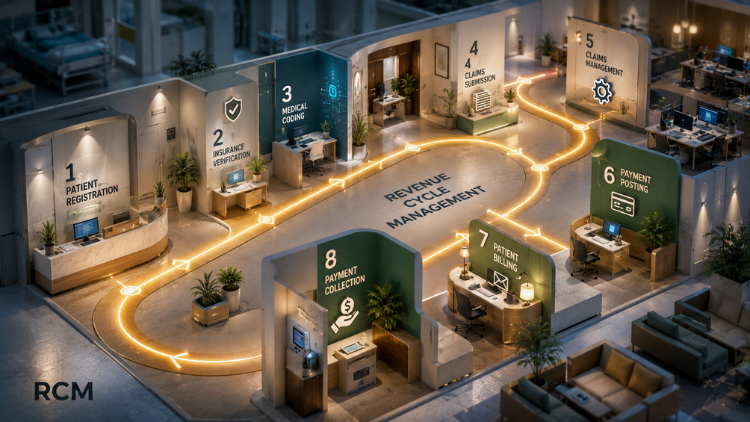
Besigheid en Bestuur | Inkomstesiklusbestuur (RCM)
Patient Registration, Insurance Verification, Medical Coding, Billing, Claims & Denial Management Step by Step
5.0
2 uur
23 lesings
Intermediêr
$19.99
Frequently Bought Together
Learners who enrolled in this course also frequently purchased these complementary courses together.
7-Day Money Back Guarantee for all bundle items
Total price for selected items:
$127.98
$159.97
Gereelde Vrae
Vind antwoorde op die mees algemene vrae oor hierdie kursus.
Ja! Nadat u 100% van die kursuslesings en opdragte voltooi het, kan u onmiddellik u geverifieerde digitale Sertifikaat van Voltooiing direk vanaf u Lucebra-profiel aflaai.
Verken meer in Tegnologie
Brei jou leerreis uit met geakkrediteerde sertifikate, e-boeke en interaktiewe regstreekse klasse.