
Vibe coding, involving AI-generated code, fundamentally challenges traditional concepts of copyright and intellectual property rights by raising questions about authorship when code is produced by artificial intelligence rather than humans. This shift necessitates a reevaluation of current legal frameworks governing software licensing and copyright, to balance the protection of creators' rights with the promotion of innovation and collaboration in the software development community.
掌握AI与软件的知识产权法:驾驭Vibe编码时代
探索技术的未来:AI与软件的知识产权,涵盖Vibe编码、AI伦理和全球知识产权法
Lahat ng Antas • 100 Mga lektura • Panghabambuhay na Access
Na-verify na Master Instructor

TRAILER
Kilalanin ang iyong instructor: Peter Alkema
19 ms
5.0 / 5.0
Global Rating1
Mga Aktibong Mag-aaralIngles (American)
99 Mga Subtitle na Wika5 oras 44 min
Kabuuang NilalamanAng matututuhan mo
1. 定义软件中知识产权的概念。
2. 解释软件版权的历史演变。
3. 识别软件开发中的作者概念。
4. 描述Vibe编码对法律实践的影响。
Nilalaman ng Kurso
20 na mga seksyon • 100 mga lektura • 05:44:12 kabuuang habaDefining Vibe Coding and Its Technological Underpinnings
03:46
Vibe coding revolutionizes human-computer interaction by developing software and algorithms capable of understanding and adapting to human emotions, preferences, and behaviors, utilizing AI, machine learning, and sensor technology. This innovation not only offers personalized user experiences across various sectors but also raises important considerations regarding privacy, data security, and ethical technology use.
Defining Vibe Coding and Its Technological Underpinnings
PDF
I-download
Challenges of Attributing Authorship in Vibe Coding
03:19
Vibe coding, which involves collaboration between humans and artificial intelligence in software development, challenges traditional concepts of authorship and intellectual property rights. This technological innovation necessitates a reevaluation of laws and licensing models to accommodate the collaborative nature of human and AI contributions, impacting everything from open-source to proprietary software.
Challenges of Attributing Authorship in Vibe Coding
PDF
I-download
AI-generated Code vs. Human-Created Code: A Legal Perspective
03:12
The emergence of AI-generated code poses novel challenges to traditional copyright laws, questioning the notions of authorship and ownership in the realm of software development. Legal experts, policymakers, and technologists must collaborate to adapt legal frameworks to accommodate both human-created and AI-generated code, ensuring innovation and intellectual property rights are protected in this new digital age.
AI-generated Code vs. Human-Created Code: A Legal Perspective
PDF
I-download
Copyrightability of AI-generated Software Code
03:20
The intersection of artificial intelligence and software development, specifically through AI-generated software code, presents new challenges and opportunities for intellectual property and licensing, questioning traditional notions of authorship and copyright protection. As AI continues to influence software creation, it prompts a reevaluation of legal frameworks to balance innovation with the rights and interests of all stakeholders in the tech and legal communities.
Copyrightability of AI-generated Software Code
PDF
I-download
Case Studies: Legal Disputes Involving AI Coding
03:28
The emergence of vibe coding, which utilizes artificial intelligence to generate or suggest code, introduces significant legal challenges in determining copyright ownership when contributions are made by both humans and AI. This innovative coding approach necessitates the development of new intellectual property laws and licensing models to accommodate the intertwined contributions of human and machine, balancing the protection of creators' rights with the promotion of innovation and collaboration in software development.
Case Studies: Legal Disputes Involving AI Coding
PDF
I-download
Basics of Software Licensing: An Overview
02:59
Software licensing is a legal framework that dictates the use and distribution of software, serving as a contract between the creator or publisher and the user to outline usage rights and protect intellectual property. It encompasses various types of licenses, including open-source, proprietary, and enterprise agreements, each defining specific rights, limitations, and responsibilities to prevent piracy and foster innovation while accommodating personal and commercial use.
Open Source Licensing in the Context of Vibe Coding
03:09
The emergence of vibe coding, which integrates artificial intelligence with coding, presents new challenges and opportunities for open source licensing, especially regarding authorship and contribution when AI generates or modifies code. Addressing these challenges requires adapting or creating new licensing frameworks that maintain the open source principles of collaboration, transparency, and freedom, while recognizing both human and AI contributions.
Implications of Vibe Coding for Software Licensing Models
03:45
Vibe coding, powered by AI to generate software based on inputs and vibes, is challenging traditional intellectual property and licensing models by blurring the lines of authorship. This technological advancement necessitates a reevaluation of legal frameworks to address the ownership and rights of AI-generated code, potentially transforming software development and distribution.
Proprietary Software Licensing and AI-generated Code
03:30
The intersection of proprietary software licensing and AI-generated code presents new challenges and opportunities in defining authorship, ownership, and the applicability of existing intellectual property laws in the digital age. As AI's role in code generation grows, companies, legal professionals, and policymakers are exploring new licensing models and legal frameworks to ensure that innovation continues in a way that respects intellectual property rights and promotes fair use.
Evaluating Licensing Agreements for AI-Generated Software
03:44
Today's lesson explores the complex interplay between vibe coding—a creative and intuitive approach to programming—and the challenges it poses to traditional intellectual property and licensing frameworks, particularly in the context of AI-generated code. It underscores the necessity of reevaluating and adapting legal structures to address the evolving landscape of software development and ownership in the age of artificial intelligence.
Basics of Software Licensing: An Overview
PDF
I-download
Implications of Vibe Coding for Software Licensing Models
PDF
I-download
Open Source Licensing in the Context of Vibe Coding
PDF
I-download
Proprietary Software Licensing and AI-generated Code
PDF
I-download
Evaluating Licensing Agreements for AI-Generated Software
PDF
I-download
Lingguhang Plano ng Pag-aaral
Planuhin ang iyong paglalakbay sa pag-aaral
Ang AI ay lumilikha ng personalized na iskedyul ayon sa iyong oras5 oras/linggo
Mga kinakailangan
1. 本课程没有要求或先决条件,但下面列出的项目是有用的背景知识指南,这将增加本课程的价值和益处。
2. 对软件开发过程和方法的基本理解。
3. 对知识产权法的一般原则的熟悉。
4. 对技术、法律和人工智能交叉领域的兴趣。
Target na Audience
1. Software developers interested in incorporating AI into their coding practices.
2. Intellectual property lawyers specializing in technology and digital rights.
3. Technology entrepreneurs exploring new AI-driven business models.
4. Open-source contributors looking to understand the impact of AI on collaborative projects.
Tungkol sa kursong ito
在技术不仅补充而且常常引领商业和创意事业的时代,知识产权(IP)法律和软件开发的交叉点从未如此重要。随着我们向数字优先世界过渡,创作者、开发者和发明家的参与规则正在被重写。你是否曾经思考过创新的法律支架的重要性?或者不断发展的人工智能(AI)如何适应或挑战现有的知识产权框架?如果这些问题激发了你的好奇心或与你的职业旅程产生共鸣,那么你已经来到了一个无与伦比的学习机会。
我们是一支经验丰富的知识产权法律专家、经验丰富的软件开发人员和敬业的教育工作者组成的团队。我们的综合经验涵盖为跨国公司设计强大的知识产权战略、处理复杂的知识产权诉讼,以及开创突破技术界限的软件开发项目。几十年的综合专业知识使我们亲眼目睹了有效利用知识产权法律在技术领域的变革力量以及随之而来的挑战。我们分享知识的动力源于一种共同的信念:理解知识产权不仅仅是法律专家的事——对于任何进入软件开发和技术创新世界的人来说都是必要的。
为什么这门课程在今天是相关的?随着技术的快速发展,知识产权法的格局也在不断变化。人工智能、区块链和其他尖端技术不仅重塑了我们的世界;它们正在重新划定什么可以被拥有、专利或版权保护。在这个数字时代,软件和数字创新的价值是前所未有的。然而,在日常生活中,创作者和创新者面临的挑战是:在复杂的知识产权权利网络中导航,理解版权法、可专利性、商业秘密,以及在AI生成内容领域导航。本课程旨在揭示知识产权法的复杂性,重点关注软件开发和AI,确保你具备保护和利用你的创造的知识。
在这个全面的课程中,我们将引导你深入探索软件开发领域知识产权的深处。从软件版权的历史演变到Vibe编码的前沿领域,探索
Mga Oportunidad sa Karera at Target na Trabaho
Bumuo ng mga praktikal na kasanayan para sa trabaho at maging kuwalipikado sa mga prestihiyosong posisyon
Kurikulum na Handa sa Trabaho
Mga Trabahong Puwede Mong Aplayan
AI Solutions Engineer
Applied Generative AI Specialist
LLM & Prompt Architecture Consultant
AI Automation & Workflow Lead
Tinatayang Taunang Sahod
$105,000 – $165,000 / yr
Pangangailangan sa Pandaigdigang Merkado
Fastest Growing Worldwide (#1)
Mga Pangunahing Kasanayang Matututunan Mo* Mga pagtatantya batay sa mga pamantayan sa pag-hire ng teknolohiya sa buong mundo.
Applied Generative AI Architecture
Model Fine-Tuning & Evaluation
Vector Databases & RAG Workflows
Autonomous AI Agent Orchestration
Kilalanin ang iyong instruktor
Peter Alkema
Pangunahing Instruktor
Business | Technology | Self Development
"What an amazing course! After finishing this course, I have confidence. Thank so much Dr Peter Alkema" ... "This is exactly the jump-start I needed. Very clear and concise"
I lead Digital Transformation & Architecture at ABB and I've been featured on CNBC Africa and won the Gartner CIO Of The Year in 2016. I founded and led the largest banking hackathon in South Africa which was published in 2019 as a case study by Harvard Business School.
I've taught over 100,000 students about technology, business, academics and self-development. In 2020 I completed my PhD at Wits University In Johannesburg. The study introduced a ground-breaking theory of Agile software development teams. My woodworking book was published in 2014 and has sold over 10,000 copies.
Olugbenga Gbadegesin: "Excellent delivery" / Lebogang Tswelapele: "This is what I have been longing for" / Paskalia Ndapandula: "Peter speaks with so much clarity" / Amantle Mangwedi: "It was straight to the point and the sections are cut into nice short segments which made it easier to go through" Kathy Bermudez: "Excellent material. Well organized..."
Werner van Wyk: "Thank you Peter, once again your lesson and course have given me so much knowledge and understanding" / Yvonne Rudolph "I really look forward to take everything i learned in action" / Josephine Mahlangu: "exactly what I needed to know, absolutely valuable and helpful for my personal growth"...
Iba pang mga Kurso ni
Peter AlkemaBumili din ang mga estudyante
Ang mga mag-aaral na tumingin sa kursong ito ay nag-enroll din sa mga nangungunang kursong ito
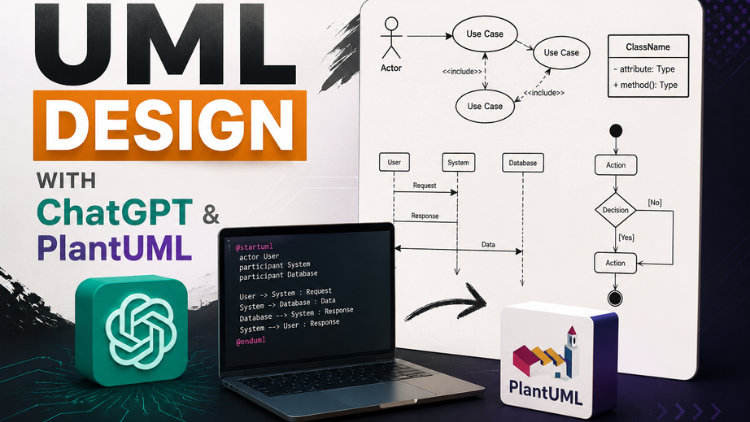
Pag-develop ng Software | Pinag-isang Modeling Language (UML)
Learn UML design faster with ChatGPT and PlantUML automation.
5.0
1 oras 30 min
20 mga lecture
Intermediate
$19.99
$24.99
Pag-develop ng Software | Artificial Intelligence (AI)
Compare and master the leading AI chatbots with hands-on tutorials and expert tips for effective use
5.0
1 oras
20 mga lecture
Lahat
$12.99
$54.99

Pag-develop ng Software | C# (programming language)
Master C# Basics in no Time - A Comprehensive Course Packed with Examples, tips and exercises!
5.0
2 oras 30 min
17 mga lecture
Lahat
$19.99
Pag-develop ng Software | ChatGPT
ChatGPT for Beginners: Use ChatGPT to WIN in your CAREER as a professional or Make a Business Using ChatGPT OpenAI!
5.0
3 oras
37 mga lecture
Lahat
$24.99
Pag-develop ng Software | SQL
Become an Expert at Microsoft SQL! By writing SQL queries for Data Analytics and Data Science base concepts
5.0
6 oras 30 min
87 mga lecture
Lahat
$9.99
$39.99
Pag-develop ng Software | Python
Master Python Fundamentals in Telugu – Variables, Loops, Functions, OOPs, Projects and More with Practical Examples
5.0
9 oras 30 min
90 mga lecture
Lahat
$44.99
$74.99
Frequently Bought Together
Learners who enrolled in this course also frequently purchased these complementary courses together.
7-Day Money Back Guarantee for all bundle items
Total price for selected items:
$115.98
$144.97
Mga Madalas Itanong
Maghanap ng mga sagot sa pinakakaraniwang tanong tungkol sa kursong ito.
Oo! Sa pagkumpleto ng 100% ng mga lektura at takdang-aralin sa kurso, maaari mong agad na i-download ang iyong na-verify na digital na Sertipiko ng Pagkumpleto nang direkta mula sa iyong profile sa Lucebra.
Mag-explore Pa sa Technology
Palawakin ang iyong pag-aaral gamit ang mga kinikilalang sertipiko, e-book, at live interactive na mga klase.