
Cybersecurity is essential for protecting digital assets from threats like phishing and malware, including ransomware, which can lead to significant data and financial losses. Adopting strong, unique passwords, updating software, and implementing advanced security measures alongside comprehensive cybersecurity frameworks in organizations can significantly mitigate the risks of cyber attacks.
Wszechstrenny Przewodnik po Cyberbezpieczeństwie: Ochrona Świata Cyfrowego
Opanuj Cyberbezpieczeństwo: Phishing, Malware, Ochrona Danych, Kwestie Prawne, Nowe Technologie, Wyzwania Branżowe
所有級別 • 100 講座 • 終身訪問
認證碩士導師

拖車
認識您的導師:Peter Alkema
19 ms
5.0 / 5.0
全球評級1
活躍的學生美国英语
99 種語言字幕5小時 18分
總內容你將學到什麼
1. Identyfikuj typowe zagrożenia cybernetyczne, aby zwiększyć świadomość.
2. Analizuj rodzaje malware, aby wykryć potencjalne ryzyko.
3. Stosowana najlepsze praktyki tworzenia silnych haseł.
4. Oceń wpływ ataków cybernetycznych na biznes.
課程內容
20 部分 • 100 講座 • 05:18:01 總長度What is Phishing? Understanding the Basics
02:43
Phishing is a cyber attack where tricksters mimic trustworthy entities to steal sensitive information like usernames and passwords through emails, texts, or calls. Recognizing and protecting against phishing involves being vigilant for red flags such as unsolicited requests for information and using security software to prevent attacks.
What is Phishing? Understanding the Basics
PDF
下載
Introduction to Malware: Types and Threats
02:38
Malware encompasses a variety of malicious software designed to harm or breach data on computers and networks, with types including viruses, worms, trojans, ransomware, and spyware. Protecting against malware requires vigilance, the use of security measures like antivirus software and firewalls, and education on safe digital practices.
Introduction to Malware: Types and Threats
PDF
下載
Ransomware Explained: What You Need to Know
02:44
Ransomware is a malicious software that encrypts files on computers and networks, demanding payment in cryptocurrency for decryption keys. Preventing and recovering from ransomware attacks requires a multi-faceted approach, including regular software updates, data backups, user education, and consulting cybersecurity experts in the event of an attack.
Ransomware Explained: What You Need to Know
PDF
下載
The Concept of Social Engineering Attacks
03:28
Social engineering attacks exploit human psychological vulnerabilities rather than technological flaws, manipulating individuals into compromising their own or their organization's security. These attacks vary in form, including phishing, pretexting, tailgating, and baiting, emphasizing the importance of awareness and education in defending against such sophisticated threats.
The Concept of Social Engineering Attacks
PDF
下載
Case Studies on Recent Phishing and Ransomware Attacks
02:58
Phishing attacks deceive individuals into revealing sensitive information through seemingly legitimate emails or messages, while ransomware attacks encrypt victims' files, demanding a ransom for access. Both types of cyber threats leverage human psychology and technological vulnerabilities, emphasizing the need for constant vigilance, education, and robust cybersecurity measures to mitigate risks.
Case Studies on Recent Phishing and Ransomware Attacks
PDF
下載
Best Practices for Creating Strong Passwords
03:11
Creating strong passwords is essential for digital security, requiring a minimum of twelve characters, a mix of uppercase and lowercase letters, numbers, and special characters, and avoiding easily guessable information. Utilizing unique passwords for different accounts and managing them with a password manager are critical steps in safeguarding personal and professional data against cyber threats.
Best Practices for Creating Strong Passwords
PDF
下載
The Importance of Regular Software Updates
02:39
Regular software updates are essential in cybersecurity, acting as critical defenses against vulnerabilities that cybercriminals can exploit. By promptly applying these updates, individuals and organizations enhance their digital security and resilience against potential cyberattacks, such as the WannaCry ransomware incident.
The Importance of Regular Software Updates
PDF
下載
Secure Your Personal Devices Against Cyber Attacks
02:57
Securing personal devices against cyber attacks involves understanding various threats like phishing, malware, and ransomware, and adopting protective measures such as robust passwords, two-factor authentication, regular software updates, using VPNs on public Wi-Fi, and backing up data. These strategies ensure the safety of personal information and reduce vulnerability to cybercriminal activities, allowing individuals to navigate the digital world with confidence.
Secure Your Personal Devices Against Cyber Attacks
PDF
下載
Understanding and Managing Privacy Settings
02:56
Managing privacy settings across social media and online services is crucial for protecting personal information and controlling one's digital footprint in today's interconnected world. Staying informed and regularly updating these settings, along with employing tools like VPNs and secure browsers, offers a robust defense against unauthorized data access and cyber threats.
Understanding and Managing Privacy Settings
PDF
下載
Real-Life Consequences of Personal Data Leaks
02:41
Personal data leaks can lead to severe consequences such as identity theft, financial fraud, and the loss of privacy, deeply affecting victims' financial stability, personal reputation, and emotional well-being. Adopting protective measures like using strong passwords and monitoring financial activities is crucial in safeguarding against the adverse effects of these breaches.
Real-Life Consequences of Personal Data Leaks
PDF
下載
每週學習計劃
規劃您的學習之旅
AI根據您的可用時間生成個人化時間表5 小時/週
要求
1. Nie ma wymagań ani wstępnych wymagań dla tego kursu, ale pozycje wymienione poniżej są przewodnikiem do przydatnej wiedzy wstępnej, która zwiększy wartość i korzyści z tego kursu.
2. Podstawowe zrozumienie, jak działa internet i komputery.
3. Znajomość dostępu i nawigacji po stronach internetowych oraz korzystania z poczty e-mail.
4. Świadomość posiadania typowych urządzeń cyfrowych, takich jak smartfony, tablety i laptopy.
目標受眾
1. IT and cybersecurity professionals seeking to update or expand their knowledge on current cybersecurity practices and technologies.
2. Business owners and managers interested in understanding how to protect their organization's data and IT infrastructure from cyber threats.
3. Employees in various industries required to adhere to cybersecurity policies and practices as part of their job responsibilities.
4. Government or public sector workers responsible for safeguarding sensitive information against cyber attacks.
關於本課程
Czy wiedziałeś, że w dzisiejszym cyfrowym świecie atak cybernetyczny ma miejsce co 39 sekund? W miarę głębszego zanurzenia się w internecie nasza podatność na cyberzagrożenia wzrasta wykładniczo. W erze, gdy wycieki danych, phishing, ransomware i różne inne cyberzagrożenia nie są tylko modnymi słowami, ale prawdziwymi niebezpieczeniami, jak chronić się przed nimi? Właśnie tutaj wchodzi w grę nasz kompleksowy kurs z zakresu cyberbezpieczeństwa.
Nasz zespół, składający się z doświadczonych profesjonalistów z dziedziny cyberbezpieczeństwa z dziesięcioleciami doświadczenia w tej dziedzinie, jest zaangażowany w wypełnienie luki wiedzy w tej krytycznej dziedzinie. Widzieliśmy z pierwszej ręki szkody, jakie ataki cybernetyczne mogą wyrządzić jednostkom i organizacjom, i rozpoznaliśmy kluczowe potrzeby w zakresie świadomości i umiejętności w dziedzinie cyberbezpieczeństwa. To właśnie to zrozumienie skłoniło nas do stworzenia tego dogłębnego kursu, dostosowanego do wyposażenia Cię w wiedzę, umiejętności i najlepsze praktyki w obronie przed cyberzagrożeniami.
Cyberbezpieczeństwo nie jest tylko koniecznością, ale obowiązkiem w dzisiejszych czasach cyfrowych. Czy to ochrona danych osobowych przed kradzieżą tożsamości, ochrona majątku organizacyjnego przed szpiegostwem, czy też zabezpieczenie bezpieczeństwa narodowego, znaczenie wiedzy z zakresu cyberbezpieczeństwa obejmuje wszystkie poziomy. Nasz kurs ma na celu uczynić Cię biegłym w ochronie aktywów cyfrowych, zapewnieniu prywatności i utrzymaniu integralności informacji przed nieautoryzowanym dostępem i cyberzagrożeniami.
Rozpoczynając tę podróż z nami, przejdziesz przez wielowymiarowy krajobraz cyberbezpieczeństwa, zaczynając od zrozumienia podstawowych cyberzagrożeń, a kończąc na opanowaniu sposobu ochrony danych osobowych i organizacyjnych. Odkryjesz świat pełen adrenaliny etycznego hackingu i testowania penetracyjnego, odkrywając umiejętności wykorzystywane przez ekspertów ds. cyberbezpieczeństwa do proaktywnego testowania i zwiększania bezpieczeństwa systemów.
Zanurzyj się w różne typy malware, poznaj podstępną naturę phishingu i zrozumij działanie ransomware. Rozjaśniamy skomplikowane koncepcje takie jak Modele Bezpieczeństwa Zero Trust, Wieloczynnikowa Autentyfikacja (MFA) oraz szczegóły implementacji bezpiecznych rozwiązań do szyfrowania i przechowywania danych. Omawiamy również najnowsze technologie cyberbezpieczeństwa kształtujące przyszłość, od Sztucznej Inteligencji w wykrywaniu zagrożeń po rolę Blockchainu w zabezpieczaniu danych.
Prawdziwe przypadki stanowią kręgosłup naszego kursu, dostarczając Ci wglądu w znane przypadki cyberbezpieczeństwa
職業發展機會與目標職位
掌握前沿實務技能,勝任全球高薪核心職務
就業就緒型課程
可應徵的目標職位
Cybersecurity Operations Analyst
Cloud Infrastructure & DevOps Engineer
Network Security Specialist
Enterprise Systems Administrator
預估年薪範圍
$88,000 – $140,000 / yr
全球產業需求
Critical Global Shortage (+32% YoY)
掌握的核心關鍵技能* 估算數據基於全球科技產業薪酬指標與市場招聘報告。
Threat Detection & Incident Response
Cloud Infrastructure & Containerization
Network Hardening & Protocol Security
Compliance & Vulnerability Auditing
認識您的講師
Peter Alkema
主要導師
Business | Technology | Self Development
"What an amazing course! After finishing this course, I have confidence. Thank so much Dr Peter Alkema" ... "This is exactly the jump-start I needed. Very clear and concise"
I lead Digital Transformation & Architecture at ABB and I've been featured on CNBC Africa and won the Gartner CIO Of The Year in 2016. I founded and led the largest banking hackathon in South Africa which was published in 2019 as a case study by Harvard Business School.
I've taught over 100,000 students about technology, business, academics and self-development. In 2020 I completed my PhD at Wits University In Johannesburg. The study introduced a ground-breaking theory of Agile software development teams. My woodworking book was published in 2014 and has sold over 10,000 copies.
Olugbenga Gbadegesin: "Excellent delivery" / Lebogang Tswelapele: "This is what I have been longing for" / Paskalia Ndapandula: "Peter speaks with so much clarity" / Amantle Mangwedi: "It was straight to the point and the sections are cut into nice short segments which made it easier to go through" Kathy Bermudez: "Excellent material. Well organized..."
Werner van Wyk: "Thank you Peter, once again your lesson and course have given me so much knowledge and understanding" / Yvonne Rudolph "I really look forward to take everything i learned in action" / Josephine Mahlangu: "exactly what I needed to know, absolutely valuable and helpful for my personal growth"...
該講師的其他課程:
Peter Alkema學生也買了
查看此課程的學習者也註冊了這些評價最高的課程
免費
流行趨勢
資訊科技與軟體 | 硬體現在開始
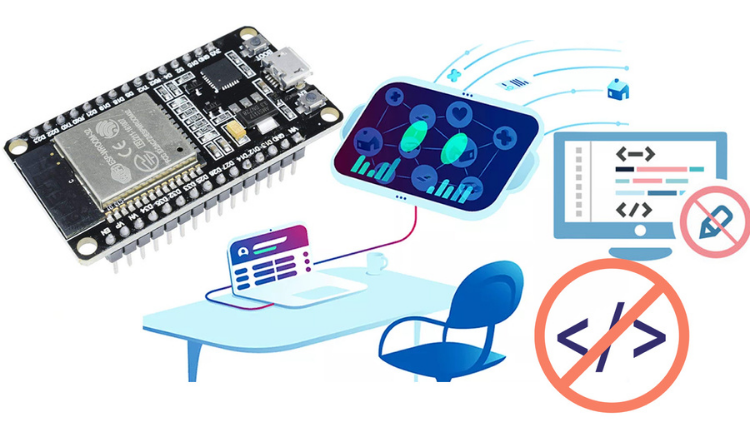
Program ESP32 Board without writing a single code in A Professional Environment
5.0
2小時 30分
18 講座
全部
免費

資訊科技與軟體 | 硬體
Revolutionize Your Coding Skills with Al: A Comprehensive Guide for Beginners
5.0
2小時
11 講座
全部
$10.99
$19.99
資訊科技與軟體 | 資訊安全
Master ISO 27001: Achieve Certification, Build Security, and Ensure Compliance for Your Organization
5.0
1小時 30分
10 講座
初學者
$39.99
$54.99
資訊科技與軟體 | 取得治理、風險與合規認證 (CGRC)
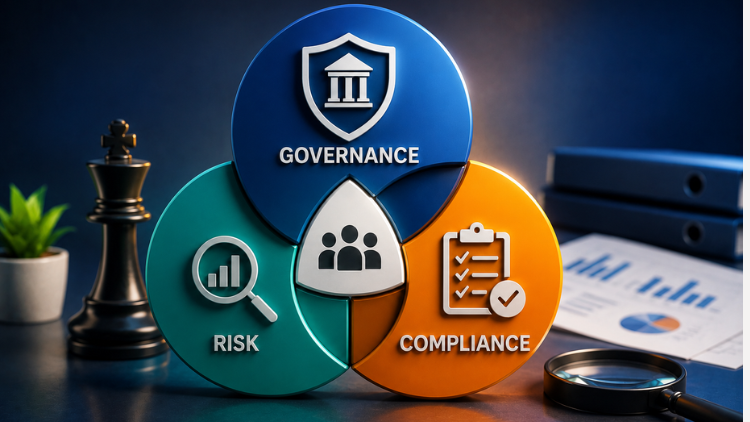
Master GRC: Step-by-Step Guide to Implementing Governance, Risk, and Compliance for Business Success
5.0
2小時 30分
35 講座
中間的
$39.99
$64.99

資訊科技與軟體 | Arduino
Seamlessly Stream and Visualize Real-Time Data from Arduino into Excel with Ease
5.0
1小時 30分
6 講座
全部
$9.99
$34.99

資訊科技與軟體 | 其他 IT 和軟體
Learn how to create and customize a website with no prior coding experience.
5.0
1小時 30分
12 講座
全部
$9.99
$19.99
Frequently Bought Together
Learners who enrolled in this course also frequently purchased these complementary courses together.
7-Day Money Back Guarantee for all bundle items
Total price for selected items:
$107.98
$134.97
常見問題解答
尋找有關本課程的最常見問題的答案。
是的! 100% 完成課程講座和作業後,您可以立即直接從您的 Lucebra 個人資料下載經過驗證的數位結業證書。
探索更多 Technology 內容
透過權威認證證書、精選電子書與即時互動直播課程拓展您的學習之旅。