
Navigating the regulatory frameworks for AI in software development is essential due to the significant concerns around privacy, security, intellectual property, and liability. Developers, policymakers, and legal professionals must stay informed and engaged to ensure AI technologies are developed and deployed responsibly, respecting legal and ethical standards.
全球人工智能监管与合规指南
Освоїть регулювання ШІ: приватність даних, інтелектуальна власність, етичний ШІ та глобальні знання про відповідність
所有级别 • 100 讲座 • 终身无限畅学
认证硕士导师

拖车
认识您的导师:Peter Alkema
19 ms
5.0 / 5.0
全球评级1
活跃的学生美国英语
99 种语言字幕5小时 30分
总内容你将学到什么
1. Визначити фундаментальні концепції регулювання ШІ.
2. Порівняти закони про захист даних у розробці ШІ.
3. Пояснити права інтелектуальної власності ШІ.
4. Обговорити етичні міркування в розгортанні ШІ.
课程内容
20 部分 • 100 讲座 • 05:30:57 总长度Compliance Frameworks for AI Systems
02:29
Navigating the regulatory landscape of AI in software development is essential for ensuring that AI systems are safe, private, and fair, necessitating adherence to laws like the GDPR and principles addressing bias and intellectual property rights. Understanding and complying with these regulations fosters trust and positions companies for ethical leadership in the evolving field of AI technologies.
Compliance Frameworks for AI Systems
PDF
下载
Risk Management Strategies in AI Development
03:46
Risk management in AI development encompasses addressing data privacy, algorithmic bias, ethical concerns, technical failures, and cybersecurity threats, requiring a multi-disciplinary approach that includes technical, legal, and compliance expertise. Effective risk management ensures AI systems are not only innovative but also compliant with laws, ethical, and trustworthy by implementing robust data governance, diverse testing methodologies, and ethical guidelines.
Risk Management Strategies in AI Development
PDF
下载
Auditing AI Systems for Compliance
03:39
Auditing AI systems for compliance is crucial to ensure that these technologies adhere to legal, ethical, and industry-specific standards, focusing on aspects like data governance, algorithmic bias, and ethical considerations. This multifaceted task demands a deep understanding of AI's complexities, as auditors play a key role in safeguarding against risks and facilitating responsible innovation and technological advancement.
Auditing AI Systems for Compliance
PDF
下载
The Role of Documentation in AI Compliance
02:55
Navigating the ethical landscape of AI in software development involves addressing key issues such as bias mitigation, transparency, privacy, accountability, and sustainability to harness AI's power responsibly. This multidisciplinary approach is essential for fostering trust, ensuring fairness, and promoting the responsible use of AI technologies in various sectors.
The Role of Documentation in AI Compliance
PDF
下载
Case Studies in AI Compliance
02:45
Understanding the ethical implications of AI in software development is essential for responsible innovation, encompassing concerns like data privacy, algorithmic bias, employment impacts, accountability, transparency, and environmental sustainability. Addressing these challenges involves developers, companies, and regulators adopting ethical principles and engaging with stakeholders to ensure AI technologies are developed and deployed with fairness and integrity.
Case Studies in AI Compliance
PDF
下载
Introduction to Data Privacy Laws Affecting AI
02:43
The increasing focus on data privacy laws, such as the GDPR in the EU and the CCPA in California, mandates that AI technologies be developed with stringent privacy considerations, including transparency and consent. These regulations, alongside evolving intellectual property rights for AI-generated content, significantly influence how AI is integrated into software applications, requiring a blend of technical and legal expertise for compliance and ethical deployment.
Introduction to Data Privacy Laws Affecting AI
PDF
下载
GDPR and AI: Requirements and Responsibilities
03:23
GDPR imposes strict requirements on AI development, emphasizing data protection by design, transparency, and user consent. It challenges developers to create AI systems that are not only compliant but also ensure users' data rights, including the right to be forgotten and data portability.
GDPR and AI: Requirements and Responsibilities
PDF
下载
Implementing Data Anonymization Techniques
03:29
Data anonymization is a pivotal process in ensuring privacy and security by altering or removing personal identifiers in data sets, making individuals within the data anonymous while retaining the data's usefulness for analysis. This practice is essential for compliance with data protection laws like the GDPR and CCPA, employing methods such as data masking, pseudonymization, and aggregation to protect individuals' privacy and maintain data utility.
Implementing Data Anonymization Techniques
PDF
下载
Cross-border Data Transfers in AI Systems
03:01
Navigating the complex regulatory landscape of cross-border data transfers is crucial for the development and operation of AI systems in the global digital economy. Understanding and complying with various international laws and regulations, such as the GDPR, and employing data protection strategies like encryption and anonymization, are essential for ensuring privacy, security, and compliance.
Cross-border Data Transfers in AI Systems
PDF
下载
Case Studies on Data Privacy Challenges in AI
04:08
The lesson explores the complex challenges of data privacy in artificial intelligence (AI), focusing on the need to balance innovative AI applications with the protection of individual privacy rights. It highlights specific concerns in sectors such as facial recognition, predictive policing, and healthcare, and suggests solutions like transparency, ethical AI development principles, and robust regulatory frameworks to address these issues.
Case Studies on Data Privacy Challenges in AI
PDF
下载
每周学习计划
规划您的学习之旅
AI根据您的可用时间生成个性化时间表5 小时/周
要求
1. Немає вимог або попередніх умов для цього курсу, але нижче наведено список корисних знань про попередній рівень, які збільшать цінність та переваги цього курсу.
2. Базове розуміння концепцій та термінології штучного інтелекту.
3. Знайомство з загальними нормативними та правовими принципами.
4. Критичне мислення та аналітичні навички для оцінки етичних, правових та соціальних наслідків ШІ.
目标受众
1. AI developers and software engineers seeking to understand the legal landscape of AI technology.
2. Corporate legal advisors specializing in technology firms or startups involved in AI.
3. Policy makers and regulatory officials looking to grasp the challenges and necessities of AI governance.
4. Ethical AI researchers interested in the intersection of technology, law, and ethics.
关于本课程
У швидко змінюються технологічні часи штучний інтелект (ШІ) стоїть на передньому краї, віщуючи нову еру інновацій. Але з великою силою приходить і велика відповідальність. Правове, етичне та нормативне середовище, що оточує ШІ, так само складне, як і сама технологія. Незалежно від того, чи ви розробник ШІ, учасник технологій чи просто захоплені наслідками ШІ в суспільстві, плавання цими невідомими водами може здатися складним. Ви коли-небудь замислювалися про тонкий баланс між інновацією та регулюванням або про те, як закони про захист даних перетинаються з розробкою ШІ?
Наша команда, що складається з досвідчених професіоналів та лідерів думок у галузі ШІ, права та етики, зібрала цей всеосяжний курс, щоб розгадати складність регулювання ШІ. З десятиліттями колективного досвіду та багаторічним досвідом успішної роботи як у розробці ШІ, так і в юридичному консультуванні, ми зрозуміли нагальну потребу в мосту між цими двома світами. Перетин ШІ та права не просто актуальний, але й важливий у сучасну цифрову епоху. Ми провели чимало сутностей через лабіринт відповідності, інтелектуальної власності та етичних міркувань, і тепер ми тут, щоб керувати вами.
Технологія ШІ не просто перетворює галузі; вона перевизначає глобальний правовий та етичний ландшафт. Від приватності даних до інтелектуальної власності, від захисту споживачів до антимонопольних законів, інтеграція ШІ створює унікальні виклики та можливості. Цей курс забирає вас у глибоке подорож через фундаментальні аспекти регулювання ШІ, заглиблюючись у нюанси відповідності, приватності та захисту даних, виклики інтелектуальної власності та етичні рамки, які лежать в основі розробки та розгортання ШІ.
Розпочніть всеосяжне дослідження, починаючи з фундаментальних нормативних концепцій, що регулюють технологію ШІ. Зрозумійте глобальний ландшафт законів про ШІ, включаючи Загальний регламент із захисту даних (GDPR) та його наслідки для розробки ШІ, права інтелектуальної власності, що розвиваються в просторі ШІ, та критичні етичні міркування, які мають керувати розробкою ШІ.
Далі ви зануритеся у світ відповідності ШІ, де ми познайомимо вас з міцними рамками та стратегіями управління ризиками, розробленими для забезпечення відповідності ваших систем ШІ чинним нормам. За допомогою практичних кейсів ви будете спостерігати на власні очі хитрощі аудиту систем ШІ та поворот
职业发展机遇与目标岗位
掌握前沿实战技能,胜任全球高薪核心职位
就业就绪型课程
可申请的目标岗位
AI Solutions Engineer
Applied Generative AI Specialist
LLM & Prompt Architecture Consultant
AI Automation & Workflow Lead
预估年薪范围
$105,000 – $165,000 / yr
全球行业需求
Fastest Growing Worldwide (#1)
掌握的核心关键技能* 估算数据基于全球科技行业薪酬基准与招聘市场报告。
Applied Generative AI Architecture
Model Fine-Tuning & Evaluation
Vector Databases & RAG Workflows
Autonomous AI Agent Orchestration
认识您的讲师
Peter Alkema
主要导师
Business | Technology | Self Development
"What an amazing course! After finishing this course, I have confidence. Thank so much Dr Peter Alkema" ... "This is exactly the jump-start I needed. Very clear and concise"
I lead Digital Transformation & Architecture at ABB and I've been featured on CNBC Africa and won the Gartner CIO Of The Year in 2016. I founded and led the largest banking hackathon in South Africa which was published in 2019 as a case study by Harvard Business School.
I've taught over 100,000 students about technology, business, academics and self-development. In 2020 I completed my PhD at Wits University In Johannesburg. The study introduced a ground-breaking theory of Agile software development teams. My woodworking book was published in 2014 and has sold over 10,000 copies.
Olugbenga Gbadegesin: "Excellent delivery" / Lebogang Tswelapele: "This is what I have been longing for" / Paskalia Ndapandula: "Peter speaks with so much clarity" / Amantle Mangwedi: "It was straight to the point and the sections are cut into nice short segments which made it easier to go through" Kathy Bermudez: "Excellent material. Well organized..."
Werner van Wyk: "Thank you Peter, once again your lesson and course have given me so much knowledge and understanding" / Yvonne Rudolph "I really look forward to take everything i learned in action" / Josephine Mahlangu: "exactly what I needed to know, absolutely valuable and helpful for my personal growth"...
该讲师的其他课程:
Peter Alkema学生也买了
查看此课程的学习者还注册了这些评价最高的课程
免费
近期热搜
信息技术与软件 | 硬件立即加入
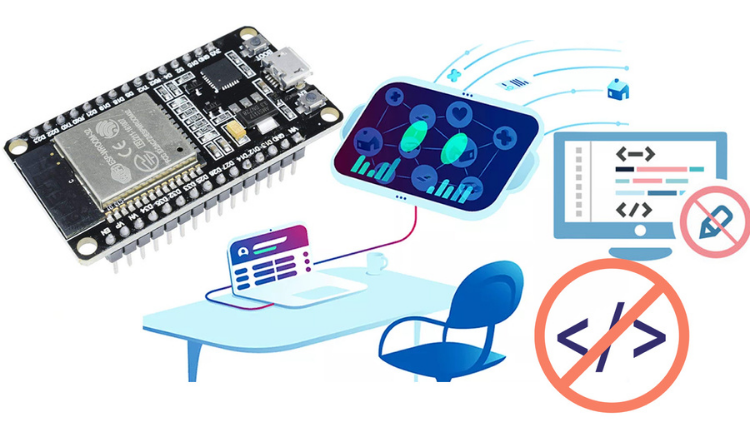
Program ESP32 Board without writing a single code in A Professional Environment
5.0
2小时 30分
18 节课
全部难度
免费

信息技术与软件 | 硬件
Revolutionize Your Coding Skills with Al: A Comprehensive Guide for Beginners
5.0
2小时
11 节课
全部难度
$10.99
$19.99

信息技术与软件 | 信息系统
Master ISO 27001: Achieve Certification, Build Security, and Ensure Compliance for Your Organization
5.0
1小时 30分
10 节课
初学者
$39.99
$54.99
信息技术与软件 | 获得治理、风险与合规认证 (CGRC)
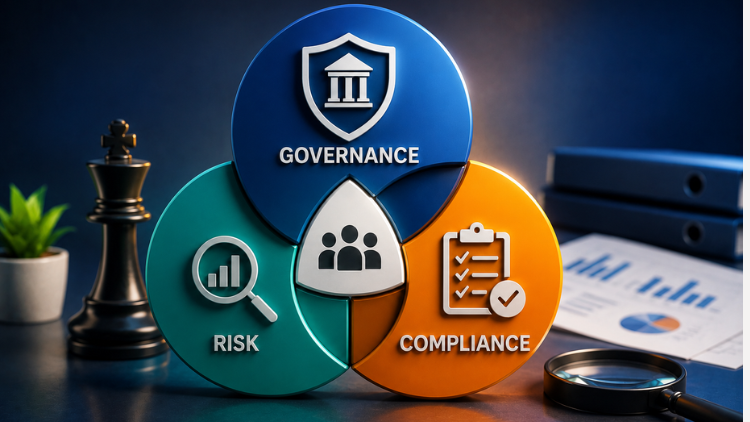
Master GRC: Step-by-Step Guide to Implementing Governance, Risk, and Compliance for Business Success
5.0
2小时 30分
35 节课
中间的
$39.99
$64.99

信息技术与软件 | Arduino
Seamlessly Stream and Visualize Real-Time Data from Arduino into Excel with Ease
5.0
1小时 30分
6 节课
全部难度
$9.99
$34.99

信息技术与软件 | 其他 IT 和软件
Learn how to create and customize a website with no prior coding experience.
5.0
1小时 30分
12 节课
全部难度
$9.99
$19.99
Frequently Bought Together
Learners who enrolled in this course also frequently purchased these complementary courses together.
7-Day Money Back Guarantee for all bundle items
This course:
畅销爆款
$59.99
Total price for selected items:
$107.98
$134.97
常见问题解答
查找有关本课程的最常见问题的答案。
是的! 100% 完成课程讲座和作业后,您可以立即直接从您的 Lucebra 个人资料下载经过验证的数字结业证书。
探索更多 Technology 内容
通过权威认证证书、精选电子书和实时互动直播课程拓展您的学习之旅。