Lucebra
Lucebra Besigheid

Вещи в нашем окружении

Вещи в нашем окружении

Alle Vlakke • 5 Lesings • Lewenslange Toegang
Prabh Kirpa Classes

Geverifieerde Meester Instrukteur

Вещи в нашем окружении
SLEEPWA
Ontmoet jou instrukteur: Prabh Kirpa Classes

19 ms

5.0 / 5.0
Globale gradering
2
Aktiewe studente
Engels (Verenigde State van Amerika)
99 Tale Onderskrifte
2 uur 5 min
Totale inhoud

Wat jy sal leer

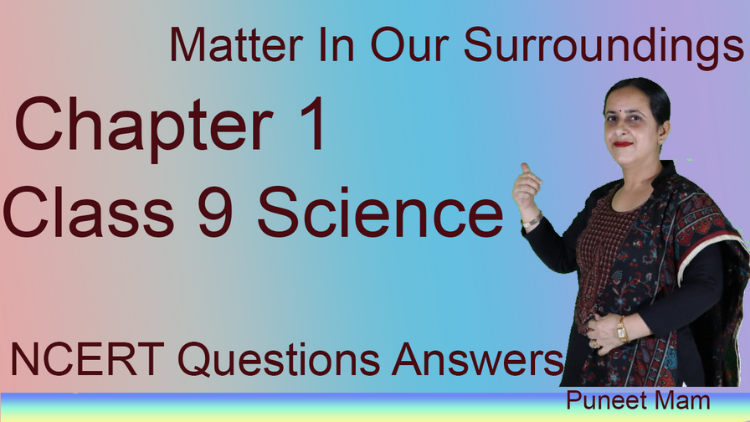
Какие три различных состояния вещества? Каковы свойства твердых, жидких и газообразных веществ? Что означает жесткость и сжимаемость?
Что означают текучество, кинетическая энергия и плотность? Как преобразовать температуру по Кельвину в температуру по Цельсию и наоборот?
Каково физическое состояние воды при различных температурах? Как сжижать атмосферные газы? Почему вода является жидкостью при комнатной температуре?
Почему лед при 273 К более эффективен для охлаждения, чем вода при той же температуре? 10. Что вызывает более сильные ожоги, кипящая вода или пар?

Kursusinhoud

5 afdelings • 5 lesings • 02:05:27 totale lengte

Introduction

03:00
1.What are the three different states of matter? 2.What are the properties of solids, liquids and gases? 3.What is the meaning of Rigidity, Compressibility, Fluidity, Kinetic Energy and Density? 4.How to convert the Kelvin temperature to Celsius temperature and vice versa? 5.What is the physical state of water at different temperatures? 6.How to liquefy atmospheric gases? 7.Why water is a liquid at room temperature? 8.Why an iron almirah is solid at room temperature? 9.Why is ice at 273 K more effective in cooling than water at the same temperature?
  1. What produces more severe burns, boiling water or steam?
  1. What is melting, vaporisation, condensation, freezing, sublimation and deposition?
12.Matter is not continuous but made up of small tiny particles. Explain. . Do we sweat more on a dry day or on a humid day? Explain.
  1. Why wet clothes do not dry easily on a rainy day?
  1. After rains, wet roads dry quickly. Give reason.
  1. How do wind speed and surface area affect the rate of evaporation?
  1. What is dry ice? What are its various uses?
  1. Butter is generally wrapped in wet cloth during summer if no refrigerator is available. Explain.
  1. Define evaporation. What are the various factors which affect the rate of evaporation?
  1. Sugar when kept in Jar of different shapes adopts the shape of the jar, yet we call it solid. Why?
  1. How is heating of sugar different from heating of ammonium chloride?
  1. Sponge is a solid, yet we are able to compress it. Give reasons.
  1. For any substance, why does the temperature remain constant during the change of state?
+ many more questions relating to the everyday life

Properties of solids, liquids and gases. Characteristics of particles of matter

16:51
  1. Tabulate the differences in the characteristics of states of matter.
  1. What are the characteristics of particles of matter?
  1. Why a gas fills completely the vessel in which it is kept?
  1. Why a gas exerts pressure on the walls of container?
  1. Why a wooden table should be called a solid?
  1. Why We can easily move our hand in air but to do the same through wooden block, we need karate expert.
  1. Arrange the following in order of increasing density – air, exhaust from chimneys, honey, water, chalk, cotton and iron.
  1. Liquids generally have lower density as compared to solids. But you must have observed that ice floats on water. Find out why?
  1. Comment upon the following : rigidity, compressibility, fluidity, filling a gas container, shape, kinetic energy and density.
  1. Which of the following are matter? - Chair, air, love, hate, almonds, thought, cold, lemon water, smell of perfume.
  1. Why the smell of hot sizzling food reaches you several meters away, but to get the smell from cold food, you have to go close?
  1. A diver is able to cut through water in a swimming pool. Which property of the matter does this observation show?

Understanding the matter in our surroundings with real life examples

52:41
  1. Convert the following temperature to celsius scale : a) 300K b) 573K
  1. What is the physical state of water at : a) 2500C b) 1000C ?
  1. For any substance, why does the temperature remain constant during the change of state?
  1. Suggest a method to liquefy atmospheric gases.
  1. Why does a desert cooler cool better on a hot dry day?
  1. How does the water kept in an earthen pot become cool during summer?
  1. Why does our palm feel cold when we put some acetone or petrol or perfume on it?
  1. Why are we able to sip hot tea or milk faster from a saucer rather than a cup?
  1. What type of clothes should we wear in summer?
Weeklikse Studieplan
Beplan jou leerreis
KI skep n persoonlike skedule gebaseer op jou beskikbaarheid

Vereistes

Nil

Teikengehoor

Students who are interested in Science

Oor hierdie kursus

Когда мы смотрим на окружающий нас мир, мы видим большое разнообразие вещей с различными формами, размерами и текстурами. Все во вселенной состоит из материи, которую ученые назвали «веществом». Воздух, который мы дышиm, еда, которую мы едим, камни, тучи, звезды, растения и животные, даже капля воды или частица песка – все это вещество. Мы также видим, что все вышеупомянутые вещи занимают пространство и имеют массу. Другими словами, у них есть как масса*, так и объем**. С древних времен люди пытались понять окружающий мир. Ранние индийские философы классифицировали вещество в виде пяти основных элементов – «Панч Тато» – воздух, земля, огонь, небо и вода. Согласно им, все, живое или неживое, состоит из этих пяти основных элементов. Древнегреческие философы пришли к аналогичной классификации вещества. Современные ученые разработали две классификации вещества на основе их физических свойств и химической природы. В этой главе мы узнаем о веществе на основе его физических свойств. Химические аспекты вещества будут рассмотрены в последующих главах.


Частицы вещества постоянно движутся, то есть они обладают тем, что мы называем кинетической энергией. По мере повышения температуры частицы движутся быстрее. Таким образом, можно сказать, что с увеличением температуры кинетическая энергия частиц также увеличивается. В трех вышеупомянутых активностях мы наблюдаем, что частицы вещества самопроизвольно перемешиваются друг с другом. Они делают это, попадая в пространства между частицами. Это самопроизвольное перемешивание частиц двух различных видов вещества называется диффузией. Мы также наблюдаем, что при нагревании диффузия становится быстрее. Почему это происходит?


Ontmoet jou instrukteur
Prabh Kirpa Classes
5.0 Gradering
63 Studente
Bekyk volle profiel
Prabh Kirpa Classes
Hoofinstrukteur
Educator
This channel is purely education based. Our aim is to ensure that the students are able to understand each and every question in an easy way. We take pride in providing quality educational services to the students of Class VII to Class XI Science NCERT, English, Computer solutions, Mathematics, Business Studies & Economics. Our goal is to help the leaders of tomorrow to learn to succeed today....
Meer kursusse deur
Prabh Kirpa Classes

Studente het ook gekoop

Leerders wat hierdie kursus bekyk het, het ook vir hierdie top-gegradeerde kursusse ingeskryf

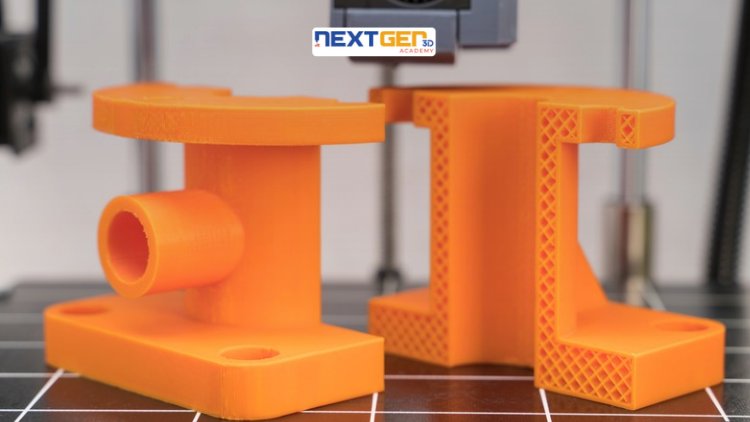
3D Printing Failure Analysis: Root Cause & Diagnostics Masterclass
Onderrig en Akademies | Ingenieurswese

Unlock the world of 3D printing and product creation with a hands-on, industry-focused course designed to turn your ideas into reality. Whether you’re an engineer, designer, technician Masterclass.

5.0
3 uur
19 lesings
Intermediêr
$12.99
Probability Beyond the Basics: Part 1
Onderrig en Akademies | Wiskunde

Taking Your Mastery of Probability to the Next Level

5.0
1 uur 30 min
6 lesings
Alles
$9.99

$19.99

Beyond Basics: Calculating Cone Surface Area with Precision
Onderrig en Akademies | Wiskunde

Advanced Formulas and Strategies for Cone Surface Area Determination

5.0
1 uur
10 lesings
Alles
$19.99
Future Tense
GRATIS
Onderrig en Akademies | Engelse grammatika

FUTURE TENSE

5.0
2 uur
4 lesings
Alles
GRATIS
Begin nou
June 2026 Current Affairs Complete Revision Course
Onderrig en Akademies | Aktuele sake

Master all important Current Affairs from June 1–30, 2026 with daily video lectures, MCQs, exam-oriented explanations an

5.0
8 uur 30 min
29 lesings
Beginner
$29.99

$39.99

Bar Graphs Unveiled: A Comprehensive Introduction
Onderrig en Akademies | Wiskunde

Unlocking the Power of Bar Charts for Effective Data Communication

5.0
1 uur
5 lesings
Alles
$14.99

$19.99

Gereelde Vrae

Vind antwoorde op die mees algemene vrae oor hierdie kursus.

Ja! Nadat u 100% van die kursuslesings en opdragte voltooi het, kan u onmiddellik u geverifieerde digitale Sertifikaat van Voltooiing direk vanaf u Lucebra-profiel aflaai.

Verken meer in Tegnologie

Brei jou leerreis uit met geakkrediteerde sertifikate, e-boeke en interaktiewe regstreekse klasse.