Lucebra
Lucebra Biashara
Ufundishaji na Taaluma/Mafunzo na Masomo Mengine

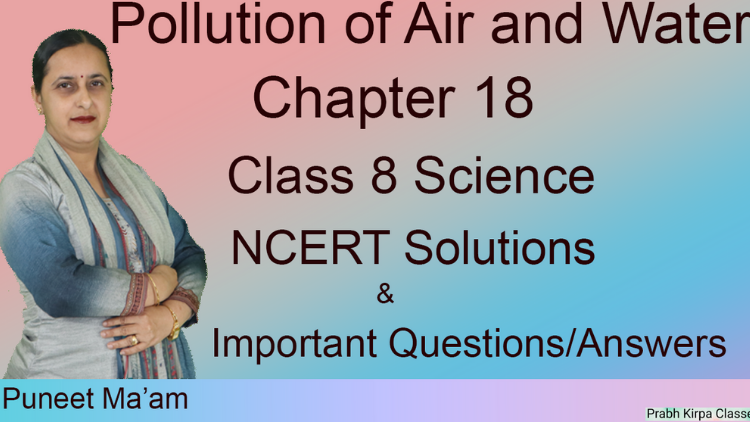
Verschmutzung von Luft und Wasser

Verschmutzung von Luft und Wasser - Bedeutung, Ursachen, Prävention, Globale Erwärmung, Treibhauseffekt, SPM

Ngazi Zote • 5 Mihadhara • Ufikiaji wa Maisha Yote
Prabh Kirpa Classes

Mwalimu Mkuu Aliyethibitishwa

Verschmutzung von Luft und Wasser
trailer ya gari
Kutana na mwalimu wako: Prabh Kirpa Classes

19 ms

5.0 / 5.0
Ukadiriaji wa Kimataifa
1
Wanafunzi Watendaji
Kiingereza (Marekani)
Nukuu 99 za Lugha
56 dak
Jumla ya Maudhui

Utajifunza nini

Was ist Luftverschmutzung?
Was ist Wasserverschmutzung?
Was sind die Hauptursachen für Luftverschmutzung und welche Schritte können ergriffen werden, um Luftverschmutzung zu reduzieren?
Was sind die Hauptursachen für Wasserverschmutzung und welche Schritte können ergriffen werden, um Wasserverschmutzung zu reduzieren?

Maudhui ya Kozi

5 sehemu • 5 mihadhara • 00:56:01 urefu wa jumla

Introduction

06:27

Q.1. What are the different ways in which water gets contaminated?

Q.2. : At an individual level, how can you help to reduce air pollution?

Q.3. Clear, transparent water is always fit for drinking. Comment.

Q.4. You are a member of the municipal body of your town. Make a list of measures that would help your town to ensure the supply of clean water to all its residents.

Q.5. Explain the differences between pure air and polluted air.

Q.6. Explain circumstances leading to acid rain. How does acid rain affect us?

Q.7. Which of the following is not a greenhouse gas?

(a) Carbon dioxide (b) Sulphur dioxide (c) Methane (d) Nitrogen

Q.8. Describe the ‘Green House Effect’ in your own words.

Q.9. Prepare a brief speech on global warming.

Q.10. Describe the threat to the beauty of the Taj Mahal.

Q.11. Why does the increased level of nutrients in the water affect the survival of aquatic organisms?

Important questions :

Q.1. What are the 3Rs of water conservation?

Q.2. The level of air pollution is higher at busy traffic intersections. Why?

Q.3. What do CFCs stand for? Name some devices where CFCs are used. Why CFCs are considered as pollutants?

Q.4. A gas X is present in the stratosphere that prevents ultraviolet radiations of the sun from reaching the earth. Name the gas.

Q.5. Combustion of fossil fuels generates a lot of air pollution. Name two alternative sources of energy which do not cause any pollution.

Q.6. Burning dry leaves causes air pollution. What should be done to dispose off the dry leaves?

Q.7. Hot water can also be a pollutant. Explain how?

Q.8. Name any two sources which cause air pollution due to Suspended Particulate Matter (SPM).

Q.9. What is ozone layer? What will happen if the ozone cover of the atmosphere is removed?

Q.10:- Why we should plant trees and nurture the ones already present in the neighborhood?

Q. 11 :- Write short note on Ganga Action plan. Also list some reasons for pollution in the river Ganga.

Q.12 :- What is meant by chlorination?

Q.13:- What are the traditional ways of purifying water to make it fit for drinking?

Q.14:- Name the types of water pollutants.

Q.15:- Which are the various sources that pollute water?

Q.16:- Is smog an air pollutant?

Q.17 :- The use of excessive fertilizers and pesticides leads to the deficiency of an important substance in water. Name the substance.

Q.18:- Trees help in reducing pollution of our environment. A large number of trees are planted by the people in the month of July every year. This occasion is called?

Q.19:- It is said ,”CO2 contributes to global warming.” Explain.

Q.20:- Air is a mixture of various gases. One of the gas is 21% part of the air and is essential for the survival of human beings. This gas is called?

Q.21:- Which of the following is not a source of air pollution?

i)Automobile exhaust ii) Windmill iii) Burning of firewood iv)Powerplant

Q.22 :- Ramesh wishes to contribute in reducing air pollution. Which vehicle should he use for going to school?

a)Car b) Autorickshaw c) School Bus d) Scooter

Q. 23. We can survive for sometime without air but we cannot survive even for a few minutes without food? Comment.

Q.24:- Carbon monoxide is produced by the complete burning of fuels such as coal, petrol, diesel. Comment.

Q.25:- The type of pollution which is likely to affect Taj Mahal in Agra to a greater extent is :-

a) Air pollution b) Water pollution c) soil pollution d) noise pollution

Q.26:- The Kyoto protocol is associated with?
Causes of water pollution, Reducing air pollution, Acid rain, Green House effect

24:11

Q.1. What are the different ways in which water gets contaminated?

Q.2. : At an individual level, how can you help to reduce air pollution?

Q.3. Clear, transparent water is always fit for drinking. Comment.

Q.4. You are a member of the municipal body of your town. Make a list of measures that would help your town to ensure the supply of clean water to all its residents.

Q.5. Explain the differences between pure air and polluted air.

Q.6. Explain circumstances leading to acid rain. How does acid rain affect us?

Q.7. Which of the following is not a greenhouse gas?

(a) Carbon dioxide (b) Sulphur dioxide (c) Methane (d) Nitrogen

Q.8. Describe the ‘Green House Effect’ in your own words.

Q.9. Prepare a brief speech on global warming.

Q.10. Describe the threat to the beauty of the Taj Mahal.

Q.11. Why does the increased level of nutrients in the water affect the survival of aquatic organisms?

3Rs of water conservation, CFCs, Disposing dry leaves, hot water is a pollutant

09:39

Q.1. What are the 3Rs of water conservation?

Q.2. The level of air pollution is higher at busy traffic intersections. Why?

Q.3. What do CFCs stand for? Name some devices where CFCs are used. Why CFCs are considered as pollutants?

Q.4. A gas X is present in the stratosphere that prevents ultraviolet radiations of the sun from reaching the earth. Name the gas.

Q.5. Combustion of fossil fuels generates a lot of air pollution. Name two alternative sources of energy which do not cause any pollution.

Q.6. Burning dry leaves causes air pollution. What should be done to dispose off the dry leaves?

Q.7. Hot water can also be a pollutant. Explain how?

Q.8. Name any two sources which cause air pollution due to Suspended Particulate Matter (SPM).

Mpango wa Masomo wa Kila Wiki
Panga safari yako ya kujifunza
AI hutengeneza ratiba ya kibinafsi kulingana na upatikanaji wako

Mahitaji

Nil

Watazamaji Walengwa

Students who are interested in the topic - Pollution of Air and Water

Kuhusu kozi hii

Q.1. Was sind die verschiedenen Arten, wie Wasser verunreinigt wird?

Q.2. Wie können Sie auf individueller Ebene dazu beitragen, die Luftverschmutzung zu reduzieren?

Q.3. Klares, transparentes Wasser ist immer trinkbar. Kommentieren Sie.

Q.4. Sie sind Mitglied des Gemeinderats Ihrer Stadt. Erstellen Sie eine Liste von Maßnahmen, die Ihrer Stadt helfen würden, die Versorgung aller Einwohner mit sauberem Wasser sicherzustellen.

Q.5. Erklären Sie die Unterschiede zwischen reiner Luft und verschmutzter Luft.

Q.6. Erklären Sie die Umstände, die zu Säureregen führen. Wie wirkt sich Säureregen auf uns aus?

Q.7. Welches der folgenden ist kein Treibhausgas?

(a) Kohlendioxid (b) Schwefeldioxid (c) Methan (d) Stickstoff

Q.8. Beschreiben Sie den 'Treibhauseffekt' in Ihren eigenen Worten.

Q.9. Bereiten Sie eine kurze Rede über die globale Erwärmung vor.

Q.10. Beschreiben Sie die Bedrohung für die Schönheit des Taj Mahal.

Q.11. Warum beeinflusst der erhöhte Nährstoffgehalt im Wasser das Überleben von Wasserorganismen?

Wichtige Fragen:

Q.1. Was sind die 3R der Wassererhaltung?

Q.2. Der Grad der Luftverschmutzung ist an belebten Verkehrsknotenpunkten höher. Warum?

Q.3. Wofür steht CFC? Nennen Sie einige Geräte, bei denen CFCs verwendet werden. Warum werden CFCs als Schadstoffe betrachtet?

Q.4. Ein Gas X ist in der Stratosphäre vorhanden, das ultraviolette Strahlungen der Sonne daran hindert, die Erde zu erreichen. Nennen Sie das Gas.

Q.5. Die Verbrennung fossiler Brennstoffe erzeugt viel Luftverschmutzung. Nennen Sie zwei alternative Energiequellen, die keine Verschmutzung verursachen.

Q.6. Das Verbrennen von trockenen Blättern verursacht Luftverschmutzung. Was sollte getan werden, um die trockenen Blätter zu entsorgen?

Q.7. Heißes Wasser kann auch ein Schadstoff sein. Erklären Sie wie?

Q.8. Nennen Sie zwei Quellen, die aufgrund von Schwebstoffpartikeln (SPM) zur Luftverschmutzung beitragen.

Q.9. Was ist die Ozonschicht? Was passiert, wenn die Ozonschicht der Atmosphäre entfernt wird?

Q.10: Warum sollten wir Bäume pflanzen und die bereits vorhandenen in der Nachbarschaft pflegen?

Q. 11 :- Schreiben Sie eine kurze Notiz zum Ganga-Aktionsplan. Listen Sie auch einige Gründe für die Verschmutzung im Fluss Ganga auf.

Q.12 :- Was versteht man unter Chlorierung?

Q.13:- Was sind die traditionellen Methoden zur Wasserreinigung, um es trinkbar zu machen?

Q.14:- Nennen Sie die Arten von Wasserverschmutzung.

Q.15:- Welches sind die verschiedenen Quellen, die Wasser verschmutzen?

Q.16:- Ist Smog ein Luftschadstoff?

Q.17 :- Die Verwendung übermäßiger Düngemittel und Pestizide führt zu einem Mangel an einer wichtigen Substanz im Wasser

Benefits:

Was ist Luftverschmutzung?

Was ist Wasserverschmutzung?

Was sind die Hauptursachen für Luftverschmutzung und welche Schritte können ergriffen werden, um Luftverschmutzung zu reduzieren?

Was sind die Hauptursachen für Wasserverschmutzung und welche Schritte können ergriffen werden, um Wasserverschmutzung zu reduzieren?

Was bedeutet Treibhauseffekt, Treibhausgase und Säureregen?

Was ist Globale Erwärmung? Wie können wir die globale Erwärmung reduzieren?

Was bedeutet CFCs und SPM? und vieles mehr......

Kutana na mkufunzi wako
Prabh Kirpa Classes
5.0 Ukadiriaji
63 Wanafunzi
Tazama Wasifu Kamili
Prabh Kirpa Classes
Mwalimu Mkuu
Educator
This channel is purely education based. Our aim is to ensure that the students are able to understand each and every question in an easy way. We take pride in providing quality educational services to the students of Class VII to Class XI Science NCERT, English, Computer solutions, Mathematics, Business Studies & Economics. Our goal is to help the leaders of tomorrow to learn to succeed today....
Kozi Zaidi na
Prabh Kirpa Classes

Wanafunzi pia walinunua

Wanafunzi waliotazama kozi hii pia walijiandikisha katika kozi hizi zilizopewa alama za juu

3D Printing Failure Analysis: Root Cause & Diagnostics Masterclass
Ufundishaji na Taaluma | Uhandisi

Unlock the world of 3D printing and product creation with a hands-on, industry-focused course designed to turn your ideas into reality. Whether you’re an engineer, designer, technician Masterclass.

5.0
3 saa
19 Lecture
Kati
$12.99
Probability Beyond the Basics: Part 1
Ufundishaji na Taaluma | Hisabati

Taking Your Mastery of Probability to the Next Level

5.0
1 saa 30 dak
6 Lecture
Yote
$9.99

$19.99

Beyond Basics: Calculating Cone Surface Area with Precision
Ufundishaji na Taaluma | Hisabati

Advanced Formulas and Strategies for Cone Surface Area Determination

5.0
1 saa
10 Lecture
Yote
$19.99
Future Tense
BURE
Ufundishaji na Taaluma | Sarufi ya Kiingereza

FUTURE TENSE

5.0
2 saa
4 Lecture
Yote
June 2026 Current Affairs Complete Revision Course
Ufundishaji na Taaluma | Mambo ya Sasa

Master all important Current Affairs from June 1–30, 2026 with daily video lectures, MCQs, exam-oriented explanations an

5.0
8 saa 30 dak
29 Lecture
Mwanzilishi
$29.99

$39.99

Bar Graphs Unveiled: A Comprehensive Introduction
Ufundishaji na Taaluma | Hisabati

Unlocking the Power of Bar Charts for Effective Data Communication

5.0
1 saa
5 Lecture
Yote
$14.99

$19.99

Maswali Yanayoulizwa Mara Kwa Mara

Pata majibu kwa maswali ya kawaida kuhusu kozi hii.

Ndiyo! Baada ya kukamilisha 100% ya mihadhara na kazi za kozi, unaweza kupakua Cheti chako cha Dijitali cha Kukamilisha papo hapo moja kwa moja kutoka kwa wasifu wako wa Lucebra.

Gundua zaidi katika Technology

Panua safari yako ya kujifunza kwa vyeti vilivyoidhinishwa, vitabu vya kielektroniki na madarasa ya moja kwa moja.