
Vibe coding, involving AI-generated code, fundamentally challenges traditional concepts of copyright and intellectual property rights by raising questions about authorship when code is produced by artificial intelligence rather than humans. This shift necessitates a reevaluation of current legal frameworks governing software licensing and copyright, to balance the protection of creators' rights with the promotion of innovation and collaboration in the software development community.
एआई और सॉफ़्टवेयर में आईपी कानून में महारत: वाइब कोडिंग युग को नेविगेट करें
Điều Phối Tương Lai Của Công Nghệ: Sở Hữu Trí Tuệ Trong AI & Phần Mềm, Bao Gồm Mã Nguồn Vibe, Đạo Đức AI, Và Luật Sở Hữu Trí Tuệ Toàn Cầu
सभी स्तर • 100 व्याख्यान • आजीवन पहुंच
सत्यापित मास्टर प्रशिक्षक

ट्रेलर
अपने प्रशिक्षक से मिलें: Peter Alkema
19 ms
5.0 / 5.0
वैश्विक रेटिंग1
सक्रिय छात्रअमेरिकी अंग्रेज़ी
99 भाषाएँ उपशीर्षक5 घंटे 44 मि.
कुल सामग्रीआप क्या सीखेंगे
1. Xác định khái niệm về quyền sở hữu trí tuệ trong phần mềm.
2. Giải thích sự phát triển lịch sử của bản quyền phần mềm.
3. Xác định khái niệm tác giả trong phát triển phần mềm.
4. Mô tả tác động của mã nguồn vibe đối với các thực hành pháp lý.
पाठ्यक्रम सामग्री
20 अनुभाग • 100 व्याख्यान • 05:44:12 कुल लंबाईDefining Vibe Coding and Its Technological Underpinnings
03:46
Vibe coding revolutionizes human-computer interaction by developing software and algorithms capable of understanding and adapting to human emotions, preferences, and behaviors, utilizing AI, machine learning, and sensor technology. This innovation not only offers personalized user experiences across various sectors but also raises important considerations regarding privacy, data security, and ethical technology use.
Defining Vibe Coding and Its Technological Underpinnings
PDF
डाउनलोड करना
Challenges of Attributing Authorship in Vibe Coding
03:19
Vibe coding, which involves collaboration between humans and artificial intelligence in software development, challenges traditional concepts of authorship and intellectual property rights. This technological innovation necessitates a reevaluation of laws and licensing models to accommodate the collaborative nature of human and AI contributions, impacting everything from open-source to proprietary software.
Challenges of Attributing Authorship in Vibe Coding
PDF
डाउनलोड करना
AI-generated Code vs. Human-Created Code: A Legal Perspective
03:12
The emergence of AI-generated code poses novel challenges to traditional copyright laws, questioning the notions of authorship and ownership in the realm of software development. Legal experts, policymakers, and technologists must collaborate to adapt legal frameworks to accommodate both human-created and AI-generated code, ensuring innovation and intellectual property rights are protected in this new digital age.
AI-generated Code vs. Human-Created Code: A Legal Perspective
PDF
डाउनलोड करना
Copyrightability of AI-generated Software Code
03:20
The intersection of artificial intelligence and software development, specifically through AI-generated software code, presents new challenges and opportunities for intellectual property and licensing, questioning traditional notions of authorship and copyright protection. As AI continues to influence software creation, it prompts a reevaluation of legal frameworks to balance innovation with the rights and interests of all stakeholders in the tech and legal communities.
Copyrightability of AI-generated Software Code
PDF
डाउनलोड करना
Case Studies: Legal Disputes Involving AI Coding
03:28
The emergence of vibe coding, which utilizes artificial intelligence to generate or suggest code, introduces significant legal challenges in determining copyright ownership when contributions are made by both humans and AI. This innovative coding approach necessitates the development of new intellectual property laws and licensing models to accommodate the intertwined contributions of human and machine, balancing the protection of creators' rights with the promotion of innovation and collaboration in software development.
Case Studies: Legal Disputes Involving AI Coding
PDF
डाउनलोड करना
Basics of Software Licensing: An Overview
02:59
Software licensing is a legal framework that dictates the use and distribution of software, serving as a contract between the creator or publisher and the user to outline usage rights and protect intellectual property. It encompasses various types of licenses, including open-source, proprietary, and enterprise agreements, each defining specific rights, limitations, and responsibilities to prevent piracy and foster innovation while accommodating personal and commercial use.
Open Source Licensing in the Context of Vibe Coding
03:09
The emergence of vibe coding, which integrates artificial intelligence with coding, presents new challenges and opportunities for open source licensing, especially regarding authorship and contribution when AI generates or modifies code. Addressing these challenges requires adapting or creating new licensing frameworks that maintain the open source principles of collaboration, transparency, and freedom, while recognizing both human and AI contributions.
Implications of Vibe Coding for Software Licensing Models
03:45
Vibe coding, powered by AI to generate software based on inputs and vibes, is challenging traditional intellectual property and licensing models by blurring the lines of authorship. This technological advancement necessitates a reevaluation of legal frameworks to address the ownership and rights of AI-generated code, potentially transforming software development and distribution.
Proprietary Software Licensing and AI-generated Code
03:30
The intersection of proprietary software licensing and AI-generated code presents new challenges and opportunities in defining authorship, ownership, and the applicability of existing intellectual property laws in the digital age. As AI's role in code generation grows, companies, legal professionals, and policymakers are exploring new licensing models and legal frameworks to ensure that innovation continues in a way that respects intellectual property rights and promotes fair use.
Evaluating Licensing Agreements for AI-Generated Software
03:44
Today's lesson explores the complex interplay between vibe coding—a creative and intuitive approach to programming—and the challenges it poses to traditional intellectual property and licensing frameworks, particularly in the context of AI-generated code. It underscores the necessity of reevaluating and adapting legal structures to address the evolving landscape of software development and ownership in the age of artificial intelligence.
Basics of Software Licensing: An Overview
PDF
डाउनलोड करना
Implications of Vibe Coding for Software Licensing Models
PDF
डाउनलोड करना
Open Source Licensing in the Context of Vibe Coding
PDF
डाउनलोड करना
Proprietary Software Licensing and AI-generated Code
PDF
डाउनलोड करना
Evaluating Licensing Agreements for AI-Generated Software
PDF
डाउनलोड करना
साप्ताहिक अध्ययन योजना
अपनी सीखने की यात्रा की योजना बनाएं
AI आपकी उपलब्धता के आधार पर व्यक्तिगत समयसारणी तैयार करता है5 घंटे/सप्ताह
आवश्यकताएं
1. Không có yêu cầu hoặc điều kiện tiên quyết nào cho khóa học này, nhưng các mục được liệt kê dưới đây là hướng dẫn cho kiến thức nền tảng hữu ích sẽ tăng giá trị và lợi ích của khóa học này.
2. Hiểu biết cơ bản về các quy trình và phương pháp phát triển phần mềm.
3. Thân thuộc với các nguyên tắc chung của luật sở hữu trí tuệ.
4. Hướng tới sự giao thoa giữa công nghệ, pháp luật và trí tuệ nhân tạo.
लक्षित दर्शक
1. Các nhà phát triển phần mềm quan tâm đến việc tích hợp AI vào các thực hành mã nguồn của họ.
2. Các luật sư sở hữu trí tuệ chuyên về công nghệ và quyền kỹ thuật số.
3. Các doanh nhân công nghệ đang khám phá các mô hình kinh doanh mới dựa trên AI.
4. Các đóng góp viên nguồn mở muốn hiểu về tác động của AI đối với các dự án hợp tác.
इस कोर्स के बारे में
Trong một kỷ nguyên mà công nghệ không chỉ bổ sung mà thường xuyên dẫn đầu các doanh nghiệp và sáng tạo, sự giao thoa giữa luật sở hữu trí tuệ (IP) và phát triển phần mềm chưa bao giờ quan trọng đến như bây giờ. Khi chúng ta chuyển sang thế giới ưu tiên số, các quy tắc tham gia cho các nhà tạo mẫu, nhà phát triển và nhà phát minh đang được viết lại. Bạn đã từng suy nghĩ về quy mô của khung pháp lý cho sáng tạo không? Hoặc là cảnh quan thay đổi của trí tuệ nhân tạo (AI) phù hợp với hay thách thức các khuôn khổ IP hiện có? Nếu những câu hỏi này gợi lên sự tò mò hoặc đồng điệu với cuộc hành trình nghề nghiệp của bạn, thì bạn đã tìm thấy một cơ hội học tập vô song.
Chúng tôi là một đội ngũ các chuyên gia luật sở hữu trí tuệ, nhà phát triển phần mềm có kinh nghiệm và giáo viên tận tâm. Kinh nghiệm tập thể của chúng tôi bao gồm thiết kế chiến lược sở hữu trí tuệ mạnh mẽ cho các tập đoàn đa quốc gia, điều hướng các vụ kiện sở hữu trí tuệ phức tạp và khởi sự các dự án phát triển phần mềm đã đẩy mạnh ranh giới của công nghệ. Với hàng chục năm kinh nghiệm tổng hợp, chúng tôi đã chứng kiến quyền lực biến đổi của việc tận dụng hiệu quả luật sở hữu trí tuệ trong công nghệ và những thách thức đi kèm. Động lực chia sẻ kiến thức của chúng tôi bắt nguồn từ niềm tin chung: hiểu biết về quyền sở hữu trí tuệ không chỉ dành cho các chuyên gia pháp lý—mà còn cần thiết cho bất kỳ ai bước vào thế giới phát triển phần mềm và đổi mới công nghệ.
Tại sao khóa học này lại liên quan đến ngày hôm nay? Khi công nghệ phát triển nhanh chóng, cảnh quan của luật sở hữu trí tuệ cũng vậy. Trí tuệ nhân tạo, blockchain và các công nghệ tiên tiến khác không chỉ đang định hình thế giới của chúng ta; chúng đang vẽ lại những đường viền của những gì có thể được sở hữu, được cấp bằng sáng chế hoặc được bảo hộ bản quyền. Trong thời đại kỹ thuật số này, giá trị của phần mềm và đổi mới kỹ thuật số là chưa từng có. Lợi ích:
करियर के अवसर और लक्षित पद
व्यावहारिक, रोजगार-उन्मुख कौशल सीखें और वैश्विक स्तर पर उच्च मांग वाले पदों के लिए योग्य बनें
रोजगार-सक्षम पाठ्यक्रम
वे पद जिनके लिए आप आवेदन कर सकते हैं
AI Solutions Engineer
Applied Generative AI Specialist
LLM & Prompt Architecture Consultant
AI Automation & Workflow Lead
अनुमानित वार्षिक वेतन
$105,000 – $165,000 / yr
वैश्विक उद्योग मांग
Fastest Growing Worldwide (#1)
प्रमुख कौशल जिनमें आप निपुण होंगे* अनुमान वैश्विक तकनीकी भर्ती मानकों और उद्योग वेतन रिपोर्टों पर आधारित हैं।
Applied Generative AI Architecture
Model Fine-Tuning & Evaluation
Vector Databases & RAG Workflows
Autonomous AI Agent Orchestration
अपने प्रशिक्षक से मिलें
Peter Alkema
मुख्य प्रशिक्षक
Business | Technology | Self Development
"What an amazing course! After finishing this course, I have confidence. Thank so much Dr Peter Alkema" ... "This is exactly the jump-start I needed. Very clear and concise"
I lead Digital Transformation & Architecture at ABB and I've been featured on CNBC Africa and won the Gartner CIO Of The Year in 2016. I founded and led the largest banking hackathon in South Africa which was published in 2019 as a case study by Harvard Business School.
I've taught over 100,000 students about technology, business, academics and self-development. In 2020 I completed my PhD at Wits University In Johannesburg. The study introduced a ground-breaking theory of Agile software development teams. My woodworking book was published in 2014 and has sold over 10,000 copies.
Olugbenga Gbadegesin: "Excellent delivery" / Lebogang Tswelapele: "This is what I have been longing for" / Paskalia Ndapandula: "Peter speaks with so much clarity" / Amantle Mangwedi: "It was straight to the point and the sections are cut into nice short segments which made it easier to go through" Kathy Bermudez: "Excellent material. Well organized..."
Werner van Wyk: "Thank you Peter, once again your lesson and course have given me so much knowledge and understanding" / Yvonne Rudolph "I really look forward to take everything i learned in action" / Josephine Mahlangu: "exactly what I needed to know, absolutely valuable and helpful for my personal growth"...
प्रशिक्षक के अन्य पाठ्यक्रम:
Peter Alkemaविद्यार्थियों ने भी खरीदारी की
जिन शिक्षार्थियों ने इस पाठ्यक्रम को देखा, उन्होंने भी इन टॉप-रेटेड पाठ्यक्रमों में दाखिला लिया
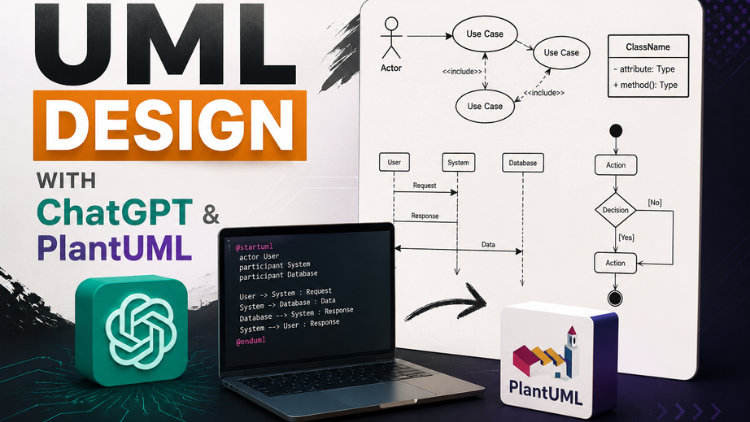
विकास (डेवलपमेंट) | एकीकृत मॉडलिंग भाषा (यूएमएल)
Learn UML design faster with ChatGPT and PlantUML automation.
5.0
1 घंटे 30 मि.
20 पाठ
मध्यवर्ती
$19.99
$24.99
विकास (डेवलपमेंट) | कृत्रिम बुद्धिमत्ता (एआई)
Compare and master the leading AI chatbots with hands-on tutorials and expert tips for effective use
5.0
1 घंटे
20 पाठ
सभी स्तर
$12.99
$54.99

विकास (डेवलपमेंट) | सी# (प्रोग्रामिंग भाषा)
Master C# Basics in no Time - A Comprehensive Course Packed with Examples, tips and exercises!
5.0
2 घंटे 30 मि.
17 पाठ
सभी स्तर
$19.99
विकास (डेवलपमेंट) | चैटजीपीटी
ChatGPT for Beginners: Use ChatGPT to WIN in your CAREER as a professional or Make a Business Using ChatGPT OpenAI!
5.0
3 घंटे
37 पाठ
सभी स्तर
$24.99
विकास (डेवलपमेंट) | SQL
Become an Expert at Microsoft SQL! By writing SQL queries for Data Analytics and Data Science base concepts
5.0
6 घंटे 30 मि.
87 पाठ
सभी स्तर
$9.99
$39.99
विकास (डेवलपमेंट) | Python
Master Python Fundamentals in Telugu – Variables, Loops, Functions, OOPs, Projects and More with Practical Examples
5.0
9 घंटे 30 मि.
90 पाठ
सभी स्तर
$44.99
$74.99
Frequently Bought Together
Learners who enrolled in this course also frequently purchased these complementary courses together.
7-Day Money Back Guarantee for all bundle items
This course:
सर्वाधिक बिकने वाला
$64.99
Total price for selected items:
$115.98
$144.97
अक्सर पूछे जाने वाले प्रश्नों
इस पाठ्यक्रम के बारे में सबसे सामान्य प्रश्नों के उत्तर खोजें।
हाँ! 100% पाठ्यक्रम व्याख्यान और असाइनमेंट पूरा करने पर, आप सीधे अपने लुसेब्रा प्रोफ़ाइल से अपना सत्यापित डिजिटल समापन प्रमाणपत्र डाउनलोड कर सकते हैं।
Technology में और जानें
प्रमाणित प्रमाणपत्रों, संबंधित ई-पुस्तकों और लाइव कक्षाओं के साथ अपनी सीखने की यात्रा को आगे बढ़ाएं।