
The ethical governance of AI in software development hinges on addressing issues such as bias, data privacy, and accountability to ensure fair and responsible use of technology. Establishing clear ethical guidelines and compliance frameworks, like the IEEE's Ethically Aligned Design, is crucial for aligning AI systems with our shared values and securing the benefits of AI for everyone.
ソフトウェア開発におけるAI:倫理的考慮事項とガバナンス
ソフトウェアエンジニアリングにおけるアルゴリズムのバイアス、データプライバシー、説明責任の枠組み、そして責任あるAIガバナンスについて取り扱います。
所有級別 • 100 講座 • 終身訪問
認證碩士導師

拖車
認識您的導師:Peter Alkema
19 ms
5.0 / 5.0
全球評級1
活躍的學生美国英语
99 種語言字幕5小時 28分
總內容你將學到什麼
1. ソフトウェア開発におけるAI倫理を定義する(Remember)。
2. AIのデータプライバシーにおける役割を説明する(Understand)。
3. 倫理的AI使用の原則を適用する(Apply)。
4. AIにおけるバイアスの種類を区別する(Analyze)。
課程內容
20 部分 • 100 講座 • 05:28:40 總長度Introduction to Bias in AI
02:58
Bias in artificial intelligence (AI) arises from the use of historical data that reflects existing societal disparities, leading to unfair outcomes in areas such as facial recognition, hiring, and credit scoring. Addressing AI bias requires diverse datasets, transparency in decision-making processes, and adherence to ethical guidelines aimed at ensuring fairness, accountability, and privacy protection.
Introduction to Bias in AI
PDF
下載
Types of Bias and Their Impact on Software Solutions
02:48
Bias in AI, stemming from skewed training data or flawed algorithm design, can lead to unfair outcomes across various applications, from job screenings to loan approvals. Addressing these biases involves collaborative efforts from developers, policymakers, and stakeholders to ensure AI systems are equitable and representative of diverse populations.
Types of Bias and Their Impact on Software Solutions
PDF
下載
Detecting and Mitigating Bias in AI Systems
03:12
Detecting and mitigating bias in AI systems is critical for ensuring fairness and equity, as biases can enter through various channels such as training data, algorithms, and user interpretations. Strategies for reducing bias include diversifying training data, applying fairness criteria and mitigation algorithms, and enhancing transparency and explainability of AI systems.
Detecting and Mitigating Bias in AI Systems
PDF
下載
Case Studies: Bias in Real-World AI Applications
02:54
The ethical considerations and governance of AI in software development, including addressing bias, ensuring data privacy, and establishing accountability, are crucial for realizing the technology's full potential while respecting human rights and promoting social good. Mitigating bias with diverse datasets, safeguarding privacy through robust security measures, and enhancing transparency and oversight in AI decision-making are fundamental steps toward ethical AI integration.
Case Studies: Bias in Real-World AI Applications
PDF
下載
Strategies for Developing Unbiased AI Algorithms
02:53
Developing unbiased AI algorithms involves a comprehensive strategy that includes ensuring the diversity and inclusivity of training data, implementing fairness measures, maintaining transparency, continuous monitoring for biases, and engaging with stakeholders. This approach is essential for creating AI systems that are both effective and ethically sound, thereby building trust in AI technologies and ensuring their positive contribution to society.
Strategies for Developing Unbiased AI Algorithms
PDF
下載
Fundamentals of Data Privacy
03:29
Data privacy in today's digital age is centered around the principles of informed consent, data minimization, and transparency, ensuring individuals have control over their personal information and are protected from misuse. As artificial intelligence and software development utilize vast amounts of data, it's crucial to incorporate privacy measures from the design phase and comply with regulations like GDPR and CCPA to safeguard user data and maintain trust.
Fundamentals of Data Privacy
PDF
下載
AI’s Role in Data Collection and Analysis
03:22
Artificial Intelligence (AI) significantly enhances data collection and analysis by efficiently gathering data from diverse sources and identifying complex patterns, driving informed decision-making across various industries. However, the adoption of AI raises ethical concerns, including data privacy and bias, emphasizing the need for strict data governance policies and ethical frameworks.
AI’s Role in Data Collection and Analysis
PDF
下載
Data Privacy Challenges in AI Applications
02:55
The development and application of AI technology raise significant ethical issues surrounding data privacy, necessitating a balance between technological advancement and the protection of individual privacy rights. Addressing these concerns requires the implementation of ethical guidelines, transparent data practices, and the development of unbiased algorithms to ensure AI systems respect privacy and promote fairness.
Data Privacy Challenges in AI Applications
PDF
下載
Implementing Data Privacy Policies in AI Projects
03:47
Implementing effective data privacy policies in AI projects is essential for protecting sensitive user information and complying with global regulations like GDPR, which emphasizes transparency, accountability, and individual privacy rights. Employing techniques such as encryption, anonymization, data minimization, and regular audits are crucial steps towards integrating privacy considerations into AI development, thereby ensuring ethical practices and building trust with users.
Implementing Data Privacy Policies in AI Projects
PDF
下載
Case Studies on Data Privacy in AI-driven Software
02:39
The lesson explores the critical importance of data privacy in AI-driven software, illuminating how the collection and analysis of vast amounts of personal data by AI technologies raise significant privacy concerns. It highlights innovative solutions like differential privacy and federated learning as means to balance the benefits of AI with the need for protecting user information, in the face of global regulations like GDPR that demand high data protection standards.
Case Studies on Data Privacy in AI-driven Software
PDF
下載
每週學習計劃
規劃您的學習之旅
AI根據您的可用時間生成個人化時間表5 小時/週
要求
1. このコースに必要な前提条件はありませんが、以下に記載されている項目は、このコースの価値と利点を高めるのに役立つ背景知識のガイドです。
2. 人工知能と機械学習の概念の基本的な理解。
3. ソフトウェア開発サイクルと方法論への精通。
4. 技術に関連する倫理的、法的、社会的問題の認識。
目標受眾
1. Software Developers and Engineers - aiming to integrate AI into their projects while maintaining ethical standards.
2. AI Researchers - focused on understanding the ethical implications of AI algorithms and seeking strategies for responsible AI development.
3. Data Scientists - interested in addressing bias and privacy concerns in AI models they develop or utilize in their work.
4. Technology Policy Makers - looking to draft regulations and guidelines that govern the ethical use of AI in software development.
關於本課程
人工知能(AI)が私たちの生活のあらゆる面に浸透している時代において、これらの技術の倫理的影響はかつてないほど重要になっています。AIが社会、私たちのプライバシー、意思決定プロセス、さらには仕事の未来に与える深遠な影響について、疑問に思ったことはありますか?あるいは、AIの膨大な可能性を活用しながら、その倫理的落とし穴を回避し、技術的に進歩しているだけでなく、公平で持続可能な未来を創造する方法は?
業界のベテラン、倫理的AI研究者、経験豊富なソフトウェア開発者で構成される私たちのチームは、これらの差し迫った問題に答えるために集まりました。AI開発と倫理的研究の最前線で数十年の経験を積んだ私たちは、倫理的AIのソフトウェア開発における複雑さを解き明かすために、このコースを設計しました。画期的なAIアプリケーションを開発する過程で、AIライフサイクルの各段階で倫理的考慮事項を統合する必要性を学びました。このコースは、あなたのようなプロフェッショナルを責任あるAI開発の未来に備えさせるための私たちのイニシアチブです。
この包括的なコースは、ソフトウェア開発における倫理的AIの全スペクトルをカバーするように綿密に設計されています。AIアルゴリズムのバイアスの微妙な違いに興味があるか、データプライバシーの複雑さ、AIの決定における説明責任の重要性、あるいはAIの使用を統制する新興のグローバル規制など、このコースはこれらの各領域とそれ以上の分野に貴重な洞察を提供します。
私たちと一緒に、AIにおける倫理の基礎を探求する魅力的な旅に出発しましょう。ソフトウェア開発におけるAIの多様な景観を理解し、AI技術の倫理的使用を導く中心的な原則を把握します。進歩するにつれて、これらの倫理的原則を適用する際の実世界の課題に直面し、AIの統合に伴って生じる様々な倫理的考慮事項を検討します。
私たちのユニークなコース構造は、AIシステムにおけるバイアスを理解し、軽減するプロセスをガイドします—バイアスがどのように発生するか、ソフトウェアソリューションへの影響、そして偏りのないAIアルゴリズムを開発するための実践的な戦略について光を当てます。AI対応ソフトウェアにおけるデータプライバシーの複雑な世界をナビゲートし、AIプロジェクトにデータプライバシーポリシーと実践を効果的に実施する方法を学びます。
職業發展機會與目標職位
掌握前沿實務技能,勝任全球高薪核心職務
就業就緒型課程
可應徵的目標職位
AI Solutions Engineer
Applied Generative AI Specialist
LLM & Prompt Architecture Consultant
AI Automation & Workflow Lead
預估年薪範圍
$105,000 – $165,000 / yr
全球產業需求
Fastest Growing Worldwide (#1)
掌握的核心關鍵技能* 估算數據基於全球科技產業薪酬指標與市場招聘報告。
Applied Generative AI Architecture
Model Fine-Tuning & Evaluation
Vector Databases & RAG Workflows
Autonomous AI Agent Orchestration
認識您的講師
Peter Alkema
主要導師
Business | Technology | Self Development
"What an amazing course! After finishing this course, I have confidence. Thank so much Dr Peter Alkema" ... "This is exactly the jump-start I needed. Very clear and concise"
I lead Digital Transformation & Architecture at ABB and I've been featured on CNBC Africa and won the Gartner CIO Of The Year in 2016. I founded and led the largest banking hackathon in South Africa which was published in 2019 as a case study by Harvard Business School.
I've taught over 100,000 students about technology, business, academics and self-development. In 2020 I completed my PhD at Wits University In Johannesburg. The study introduced a ground-breaking theory of Agile software development teams. My woodworking book was published in 2014 and has sold over 10,000 copies.
Olugbenga Gbadegesin: "Excellent delivery" / Lebogang Tswelapele: "This is what I have been longing for" / Paskalia Ndapandula: "Peter speaks with so much clarity" / Amantle Mangwedi: "It was straight to the point and the sections are cut into nice short segments which made it easier to go through" Kathy Bermudez: "Excellent material. Well organized..."
Werner van Wyk: "Thank you Peter, once again your lesson and course have given me so much knowledge and understanding" / Yvonne Rudolph "I really look forward to take everything i learned in action" / Josephine Mahlangu: "exactly what I needed to know, absolutely valuable and helpful for my personal growth"...
該講師的其他課程:
Peter Alkema學生也買了
查看此課程的學習者也註冊了這些評價最高的課程
免費
流行趨勢
資訊科技與軟體 | 硬體現在開始
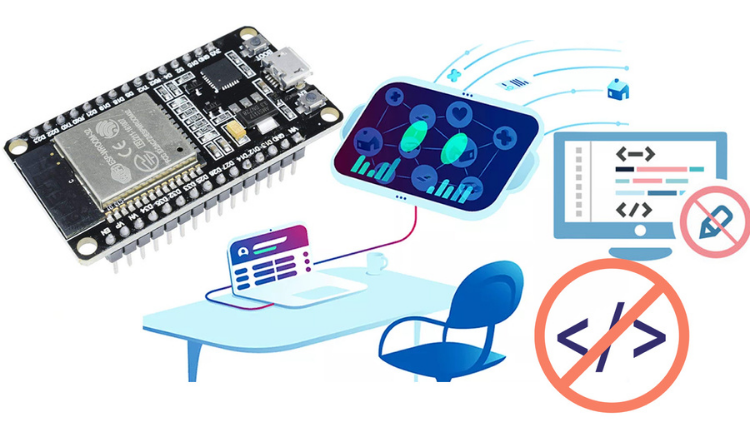
Program ESP32 Board without writing a single code in A Professional Environment
5.0
2小時 30分
18 講座
全部
免費

資訊科技與軟體 | 硬體
Revolutionize Your Coding Skills with Al: A Comprehensive Guide for Beginners
5.0
2小時
11 講座
全部
$10.99
$19.99

資訊科技與軟體 | 資訊安全
Master ISO 27001: Achieve Certification, Build Security, and Ensure Compliance for Your Organization
5.0
1小時 30分
10 講座
初學者
$39.99
$54.99

資訊科技與軟體 | 取得治理、風險與合規認證 (CGRC)
Master GRC: Step-by-Step Guide to Implementing Governance, Risk, and Compliance for Business Success
5.0
2小時 30分
35 講座
中間的
$39.99
$64.99

資訊科技與軟體 | Arduino
Seamlessly Stream and Visualize Real-Time Data from Arduino into Excel with Ease
5.0
1小時 30分
6 講座
全部
$9.99
$34.99

資訊科技與軟體 | 其他 IT 和軟體
Learn how to create and customize a website with no prior coding experience.
5.0
1小時 30分
12 講座
全部
$9.99
$19.99
Frequently Bought Together
Learners who enrolled in this course also frequently purchased these complementary courses together.
7-Day Money Back Guarantee for all bundle items
Total price for selected items:
$82.38
$102.97
常見問題解答
尋找有關本課程的最常見問題的答案。
是的! 100% 完成課程講座和作業後,您可以立即直接從您的 Lucebra 個人資料下載經過驗證的數位結業證書。
探索更多 Technology 內容
透過權威認證證書、精選電子書與即時互動直播課程拓展您的學習之旅。