Lucebra
Lucebra Aziende

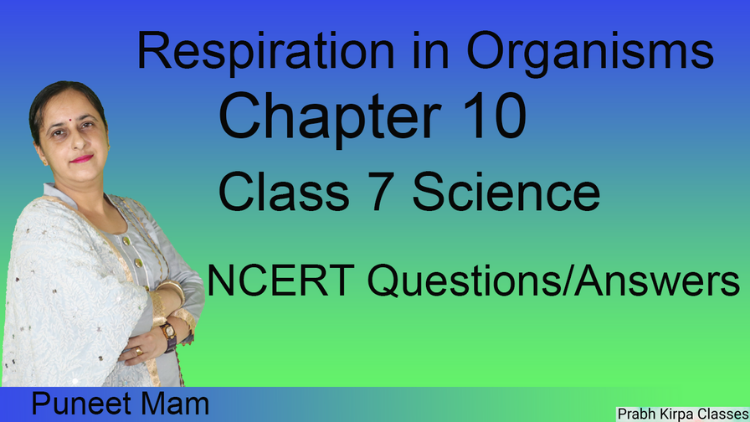
Respirazione negli Organismi Capitolo 10 Classe 7 Scienze

生物体内的呼吸 第10章 7年级科学

Tutti i livelli • 5 Lezioni • Accesso a vita
Prabh Kirpa Classes

Istruttore Master verificato

生物体内的呼吸 第10章 7年级科学
RIMORCHIO
Incontra il tuo istruttore: Prabh Kirpa Classes

19 ms

5.0 / 5.0
Valutazione globale
2
Studenti attivi
Inglese americano
Sottotitoli in 99 lingue
33m
Contenuto totale

Cosa imparerai

1. 为什么运动员在赛后会比平时呼吸更快更深?
2. 有氧呼吸和无氧呼吸的相似之处和不同之处是什么。 3. 为什么我们在吸入大量带尘的空气时经常打喷嚏?
4. 在剧烈运动时,我们的腿部抽筋是由于以下哪种物质的积累?
5. 为什么登山者会携带氧气?等等。

Contenuto del corso

2 sezioni • 5 lezioni • 00:33:47 lunghezza totale

Introduction

03:25

Q.1. Why does an athlete breathe faster and deeper than usual after finishing the race?

Q.2. List the similarities and differences between aerobic and anaerobic respiration.

Q.3.. Why do we often sneeze when we inhale a lot of dust-laden air?

Q.4. Take three test-tubes. Fill ¾th of each with water. Label them A, B and C. Keep a snail in test-tube A, a water plant in test-tube B and in C, keep snail and plant both. Which test-tube would have the highest concentration of CO2?

Q.5.Tick the correct answer:

(a) In cockroaches, air enters the body through

(i) lungs (ii) gills (iii) spiracles (iv) skin

(b) During heavy exercise, we get cramps in the legs due to the accumulation of

(i)carbon dioxide (ii) lactic acid (iii) alcohol (iv) water

( c ) Normal range of breathing rate per minute in an average adult person at rest is:

(i) 9–12 (ii) 15–18 (iii) 21–24 (iv) 30–33

(d) During exhalation, the ribs

(i) move outwards (ii) move downwards

(iii) move upwards (iv) do not move at all

Q.6. Match the items in Column I with those in Column II:

Column I Column II

(a) Yeast (i) Earthworm

(b) Diaphragm (ii) Gills

(c) Skin (iii) Alcohol

(d) Leaves (iv) Chest cavity

(e) Fish (v) Stomata

(f) Frog (vi) Lungs and skin

(vii) Tracheae

Q.7. Mark ‘T’ if the statement is true and ‘F’ if it is false:

(i) During heavy exercise the breathing rate of a person slows down. (T/F)

(ii) Plants carry out photosynthesis only during the day and respiration only at night. (T/F)

(iii) Frogs breathe through their skins as well as their lungs.(T/F)

(iv) The fishes have lungs for respiration. (T/F)

(v) The size of the chest cavity increases during inhalation. (T/F)

Q. 8. Given below is a square of letters in which are hidden different words related to respiration in organisms. These words may be present in any direction — upwards, downwards, or along the diagonals.

Find the words for your respiratory system. Clues about those words are given below the square.

Q. 9. The mountaineers carry oxygen with them because:

(a) At an altitude of more than 5 km there is no air

(b) The amount of air available to a person is less than that available on the ground.

(c) The temperature of air is higher than that on the ground.

(d) The pressure of air is higher than that on the ground.
Respiration in Organisms NCERT Question No.1 to 3

08:09

Q.1. Why does an athlete breathe faster and deeper than usual after finishing the race?

Q.2. List the similarities and differences between aerobic and anaerobic respiration.

Q.3.. Why do we often sneeze when we inhale a lot of dust-laden air?

Respiration in Organisms NCERT Questions No. 4 & 5

08:33

Q.4. Take three test-tubes. Fill ¾th of each with water. Label them A, B and C. Keep a snail in test-tube A, a water plant in test-tube B and in C, keep snail and plant both. Which test-tube would have the highest concentration of CO2?

Q.5.Tick the correct answer:

(a) In cockroaches, air enters the body through

(i) lungs (ii) gills (iii) spiracles (iv) skin

(b) During heavy exercise, we get cramps in the legs due to the accumulation of

(i)carbon dioxide (ii) lactic acid (iii) alcohol (iv) water

( c ) Normal range of breathing rate per minute in an average adult person at rest is:

(i) 9–12 (ii) 15–18 (iii) 21–24 (iv) 30–33

(d) During exhalation, the ribs

(i) move outwards (ii) move downwards

(iii) move upwards (iv) do not move at all

Respiration in Organisms NCERT Questions No. 6 & 7

08:51

Q.6. Match the items in Column I with those in Column II:

Column I Column II

(a) Yeast (i) Earthworm

(b) Diaphragm (ii) Gills

(c) Skin (iii) Alcohol

(d) Leaves (iv) Chest cavity

(e) Fish (v) Stomata

(f) Frog (vi) Lungs and skin

(vii) Tracheae

Respiration in Organisms NCERT Questions No. 8 & 9

04:46

Q. 8. Given below is a square of letters in which are hidden different words related to respiration in organisms. These words may be present in any direction — upwards, downwards, or along the diagonals.

Find the words for your respiratory system. Clues about those words are given below the square.

Q. 9. The mountaineers carry oxygen with them because:

(a) At an altitude of more than 5 km there is no air

(b) The amount of air available to a person is less than that available on the ground.

(c) The temperature of air is higher than that on the ground.

(d) The pressure of air is higher than that on the ground.
Piano di Studio Settimanale
Pianifica il tuo percorso
L’IA genera un programma personalizzato in base alla tua disponibilità

Requisiti

无

Pubblico target

Respiration in organisms Class 7 Science

A proposito di questo corso

Q.1. 为什么运动员在赛后会比平时呼吸更快更深?

Q.2. 列出有氧呼吸和无氧呼吸的相似之处和不同之处。

Q.3. 为什么我们在吸入大量带尘的空气时经常打喷嚏?

Q.4. 取三个试管。每个试管装满¾的水。将它们标记为A、B和C。在试管A中放入一只蜗牛,在试管B中放入一株水生植物,在试管C中同时放入蜗牛和植物。哪个试管中的CO2浓度最高?

Q.5. 勾选正确答案:

(a) 在蟑螂体内,空气通过以下哪个器官进入体内

(i) 肺 (ii) 鳃 (iii) 气门 (iv) 皮肤

(b) 在剧烈运动时,我们的腿部抽筋是由于以下哪种物质的积累

(i) 二氧化碳 (ii) 乳酸 (iii) 酒精 (iv) 水

(c) 平均成年人在休息时的正常呼吸频率范围是:

(i) 9–12 (ii) 15–18 (iii) 21–24 (iv) 30–33

(d) 在呼气时,肋骨

(i) 向外移动 (ii) 向下移动

(iii) 向上移动 (iv) 不移动

Q.6. 将第一栏的项目与第二栏的项目匹配:

第一栏        第二栏

(a) 酵母        (i) 蚯蚓

(b) 横膈膜   (ii) 鳃

(c) 皮肤         (iii) 酒精

(d) 叶子         (iv) 胸腔

(e) 鱼          (v) 气孔

(f) 青蛙          (vi) 肺和皮肤

                (vii) 气管

Q.7. 如果陈述是真的,请在括号内标记“T”,如果是假的,请标记“F”:

(i) 在剧烈运动时,人的呼吸频率会减慢。 (T/F)

(ii) 植物只在白天进行光合作用,只在夜晚进行呼吸。 (T/F)

(iii) 青蛙通过皮肤和肺呼吸。 (T/F)

(iv) 鱼类有肺进行呼吸。 (T/F)

(v) 吸气时胸腔的大小增加。 (T/F)

Q. 8. 下面是一个包含与生物体内呼吸相关的不同词语的字母方格。这些词语可能朝向任何方向——向上、向下或沿对角线。

找出与你的呼吸系统相关的词语。Cl

Incontra il tuo istruttore
Prabh Kirpa Classes
5.0 Valutazione
63 Studenti
Vedi Profilo Completo
Prabh Kirpa Classes
Istruttore principale
Educator
This channel is purely education based. Our aim is to ensure that the students are able to understand each and every question in an easy way. We take pride in providing quality educational services to the students of Class VII to Class XI Science NCERT, English, Computer solutions, Mathematics, Business Studies & Economics. Our goal is to help the leaders of tomorrow to learn to succeed today....
Altri corsi di
Prabh Kirpa Classes

Anche gli studenti hanno comprato

Gli studenti che hanno visualizzato questo corso si sono iscritti anche a questi corsi con le migliori valutazioni

3D Printing Failure Analysis: Root Cause & Diagnostics Masterclass
Insegnamento e università | Ingegneria

Unlock the world of 3D printing and product creation with a hands-on, industry-focused course designed to turn your ideas into reality. Whether you’re an engineer, designer, technician Masterclass.

5.0
3h
19 lezioni
Intermedio
$12.99
Probability Beyond the Basics: Part 1
Insegnamento e università | Matematica

Taking Your Mastery of Probability to the Next Level

5.0
1h 30m
6 lezioni
Tutti
$9.99

$19.99

Beyond Basics: Calculating Cone Surface Area with Precision
Insegnamento e università | Matematica

Advanced Formulas and Strategies for Cone Surface Area Determination

5.0
1h
10 lezioni
Tutti
$19.99
Future Tense
GRATIS
Insegnamento e università | Grammatica inglese

FUTURE TENSE

5.0
2h
4 lezioni
Tutti
June 2026 Current Affairs Complete Revision Course
Insegnamento e università | Attualità

Master all important Current Affairs from June 1–30, 2026 with daily video lectures, MCQs, exam-oriented explanations an

5.0
8h 30m
29 lezioni
Principiante
$29.99

$39.99

Bar Graphs Unveiled: A Comprehensive Introduction
Insegnamento e università | Matematica

Unlocking the Power of Bar Charts for Effective Data Communication

5.0
1h
5 lezioni
Tutti
$14.99

$19.99

Domande frequenti

Trova le risposte alle domande più comuni su questo corso.

SÌ! Dopo aver completato il 100% delle lezioni e dei compiti del corso, puoi scaricare immediatamente il tuo certificato di completamento digitale verificato direttamente dal tuo profilo Lucebra.

Scopri di più in Technology

Espandi il tuo percorso di apprendimento con certificati accreditati, eBook correlati e lezioni interattive dal vivo.