
Vibe coding, involving AI-generated code, fundamentally challenges traditional concepts of copyright and intellectual property rights by raising questions about authorship when code is produced by artificial intelligence rather than humans. This shift necessitates a reevaluation of current legal frameworks governing software licensing and copyright, to balance the protection of creators' rights with the promotion of innovation and collaboration in the software development community.
שליטה בחוקי קניין רוחני ב-AI ותוכנה: ניווט בעידן קידוד הוייב
ניווט בעתיד הטכנולוגיה: קניין רוחני ב-AI ותוכנה, כולל קידוד וייב, אתיקה של AI וחוקי קניין רוחני גלובליים
Barcha darajalar • 100 Ma'ruzalar • Umrbod kirish
Tasdiqlangan usta o'qituvchi

TREYLER
O'qituvchi bilan tanishing: Peter Alkema
19 ms
5.0 / 5.0
Global reyting1
Faol talabalarIngliz (Amerika)
99 ta til subtitrlari5 soat 44 daq
Jami tarkibSiz nimani o'rganasiz
1. הגדרת הרעיון של זכויות קניין רוחני בתוכנה.
2. הסבר על ההתפתחות ההיסטורית של זכויות יוצרים בתוכנה.
3. זיהוי מושגי יוצרות בפיתוח תוכנה.
4. תיאור ההשפעה של קידוד וייב על פרקטיקות משפטיות.
Kurs mazmuni
20 bo'limlar • 100 ma'ruzalar • 05:44:12 umumiy uzunligiDefining Vibe Coding and Its Technological Underpinnings
03:46
Vibe coding revolutionizes human-computer interaction by developing software and algorithms capable of understanding and adapting to human emotions, preferences, and behaviors, utilizing AI, machine learning, and sensor technology. This innovation not only offers personalized user experiences across various sectors but also raises important considerations regarding privacy, data security, and ethical technology use.
Defining Vibe Coding and Its Technological Underpinnings
PDF
Yuklab oling
Challenges of Attributing Authorship in Vibe Coding
03:19
Vibe coding, which involves collaboration between humans and artificial intelligence in software development, challenges traditional concepts of authorship and intellectual property rights. This technological innovation necessitates a reevaluation of laws and licensing models to accommodate the collaborative nature of human and AI contributions, impacting everything from open-source to proprietary software.
Challenges of Attributing Authorship in Vibe Coding
PDF
Yuklab oling
AI-generated Code vs. Human-Created Code: A Legal Perspective
03:12
The emergence of AI-generated code poses novel challenges to traditional copyright laws, questioning the notions of authorship and ownership in the realm of software development. Legal experts, policymakers, and technologists must collaborate to adapt legal frameworks to accommodate both human-created and AI-generated code, ensuring innovation and intellectual property rights are protected in this new digital age.
AI-generated Code vs. Human-Created Code: A Legal Perspective
PDF
Yuklab oling
Copyrightability of AI-generated Software Code
03:20
The intersection of artificial intelligence and software development, specifically through AI-generated software code, presents new challenges and opportunities for intellectual property and licensing, questioning traditional notions of authorship and copyright protection. As AI continues to influence software creation, it prompts a reevaluation of legal frameworks to balance innovation with the rights and interests of all stakeholders in the tech and legal communities.
Copyrightability of AI-generated Software Code
PDF
Yuklab oling
Case Studies: Legal Disputes Involving AI Coding
03:28
The emergence of vibe coding, which utilizes artificial intelligence to generate or suggest code, introduces significant legal challenges in determining copyright ownership when contributions are made by both humans and AI. This innovative coding approach necessitates the development of new intellectual property laws and licensing models to accommodate the intertwined contributions of human and machine, balancing the protection of creators' rights with the promotion of innovation and collaboration in software development.
Case Studies: Legal Disputes Involving AI Coding
PDF
Yuklab oling
Basics of Software Licensing: An Overview
02:59
Software licensing is a legal framework that dictates the use and distribution of software, serving as a contract between the creator or publisher and the user to outline usage rights and protect intellectual property. It encompasses various types of licenses, including open-source, proprietary, and enterprise agreements, each defining specific rights, limitations, and responsibilities to prevent piracy and foster innovation while accommodating personal and commercial use.
Open Source Licensing in the Context of Vibe Coding
03:09
The emergence of vibe coding, which integrates artificial intelligence with coding, presents new challenges and opportunities for open source licensing, especially regarding authorship and contribution when AI generates or modifies code. Addressing these challenges requires adapting or creating new licensing frameworks that maintain the open source principles of collaboration, transparency, and freedom, while recognizing both human and AI contributions.
Implications of Vibe Coding for Software Licensing Models
03:45
Vibe coding, powered by AI to generate software based on inputs and vibes, is challenging traditional intellectual property and licensing models by blurring the lines of authorship. This technological advancement necessitates a reevaluation of legal frameworks to address the ownership and rights of AI-generated code, potentially transforming software development and distribution.
Proprietary Software Licensing and AI-generated Code
03:30
The intersection of proprietary software licensing and AI-generated code presents new challenges and opportunities in defining authorship, ownership, and the applicability of existing intellectual property laws in the digital age. As AI's role in code generation grows, companies, legal professionals, and policymakers are exploring new licensing models and legal frameworks to ensure that innovation continues in a way that respects intellectual property rights and promotes fair use.
Evaluating Licensing Agreements for AI-Generated Software
03:44
Today's lesson explores the complex interplay between vibe coding—a creative and intuitive approach to programming—and the challenges it poses to traditional intellectual property and licensing frameworks, particularly in the context of AI-generated code. It underscores the necessity of reevaluating and adapting legal structures to address the evolving landscape of software development and ownership in the age of artificial intelligence.
Basics of Software Licensing: An Overview
PDF
Yuklab oling
Implications of Vibe Coding for Software Licensing Models
PDF
Yuklab oling
Open Source Licensing in the Context of Vibe Coding
PDF
Yuklab oling
Proprietary Software Licensing and AI-generated Code
PDF
Yuklab oling
Evaluating Licensing Agreements for AI-Generated Software
PDF
Yuklab oling
Haftalik Oquv Rejasi
Oquv sayohatingizni rejalashtiring
SI vaqtingizga mos shaxsiy jadval yaratadi5 soat/hafta
Talablar
1. אין דרישות או תנאים מוקדמים לקורס זה, אך הפריטים המפורטים להלן הם מדריך לידע רקע שימושי שירחיב את הערך והיתרונות של הקורס.
2. הבנה בסיסית של תהליכי פיתוח תוכנה ומתודולוגיות.
3. היכרות עם עקרונות כלליים של חוקי קניין רוחני.
4. עניין בהצטלבות של טכנולוגיה, חוק ובינה מלאכותית.
Maqsadli auditoriya
1. מפתחי תוכנה המעוניינים לשלב AI בפרקטיקות הקידוד שלהם.
2. עורכי דין לקניין רוחני המתמחים בטכנולוגיה וזכויות דיגיטליות.
3. יזמי טכנולוגיה החוקרים מודלים עסקיים חדשים מונעי AI.
4. תורמים לקוד פתוח המעוניינים להבין את ההשפעה של AI על פרויקטים שיתופיים.
Ushbu kurs haqida
בעידן שבו הטכנולוגיה לא רק משלימה אלא לעתים מובילה יוזמות עסקיות ויצירתיות, ההצטלבות של חוקי קניין רוחני (IP) ופיתוח תוכנה מעולם לא הייתה חשובה יותר. כשאנו עוברים לעולם דיגיטלי ראשוני, כללי ההתמודדות עבור יוצרים, מפתחים וממציאים נכתבים מחדש. האם אי פעם תהייתם תוהים על היקף המסגרת המשפטית של החדשנות? או כיצד הנוף המתפתח של הבינה המלאכותית (AI) משתלב או מאתגר את מסגרות ה-IP הקיימות? אם השאלות האלה מעוררות סקרנות או תואמות את המסע המקצועי שלכם, אז נחתתם על הזדמנות למידה חסרת תחרות.
אנו צוות של מומחי חוקי קניין רוחני מנוסים, מפתחי תוכנה מנוסים ומחנכים מסורים. הניסיון הקולקטיבי שלנו משתרע על פני עיצוב אסטרטגיות קניין רוחני חזקות לתאגידים רב-לאומיים, ניווט בליטיגציה מורכבת של קניין רוחני וחלוציות בפרויקטי פיתוח תוכנה שדחפו את גבולות הטכנולוגיה. עם עשרות שנות מומחיות משולבת, ראינו מקרוב את הכוח הטרנספורמטיבי של מינוף יעיל של חוקי קניין רוחני בטכנולוגיה והאתגרים שמגיעים עם זה. המוטיבציה שלנו לשתף את הידע שלנו נובעת מאמונה משותפת: הבנת זכויות קניין רוחני אינה רק למומחים משפטיים - זה חיוני לכל מי שנכנס לעולם פיתוח התוכנה והחדשנות הטכנולוגית.
מדוע הקורס רלוונטי היום? כשהטכנולוגיה מתפתחת במהירות, כך גם נוף חוקי הקניין הרוחני. בינה מלאכותית, בלוקצ'יין וטכנולוגיות מתקדמות אחרות אינן רק מעצבות מחדש את עולמנו; הן מציירות מחדש את הקווים של מה ניתן להחזיק, לרשום פטנט או לרשום זכויות יוצרים. בעידן הדיגיטלי, הערך של תוכנה וחידושים דיגיטליים הוא חסר תקדים.
יתרונות:
דרישות:
למי מיועד:
Karyera imkoniyatlari va maqsadli kasblar
Amaliy va ishga tayyor ko'nikmalarni egallab, xalqaro miqyosdagi nufuzli lavozimlarga ariza topshiring
Ishga tayyor o'quv dasturi
Ariza topshirishingiz mumkin bo'lgan lavozimlar
AI Solutions Engineer
Applied Generative AI Specialist
LLM & Prompt Architecture Consultant
AI Automation & Workflow Lead
Taxminiy yillik maosh
$105,000 – $165,000 / yr
Global bozor talabi
Fastest Growing Worldwide (#1)
Siz egallaydigan asosiy ko'nikmalar* Baholar global texnologiya bozori va maosh hisobotlariga asoslangan.
Applied Generative AI Architecture
Model Fine-Tuning & Evaluation
Vector Databases & RAG Workflows
Autonomous AI Agent Orchestration
O'qituvchingiz bilan tanishing
Peter Alkema
Bosh murabbiy
Business | Technology | Self Development
"What an amazing course! After finishing this course, I have confidence. Thank so much Dr Peter Alkema" ... "This is exactly the jump-start I needed. Very clear and concise"
I lead Digital Transformation & Architecture at ABB and I've been featured on CNBC Africa and won the Gartner CIO Of The Year in 2016. I founded and led the largest banking hackathon in South Africa which was published in 2019 as a case study by Harvard Business School.
I've taught over 100,000 students about technology, business, academics and self-development. In 2020 I completed my PhD at Wits University In Johannesburg. The study introduced a ground-breaking theory of Agile software development teams. My woodworking book was published in 2014 and has sold over 10,000 copies.
Olugbenga Gbadegesin: "Excellent delivery" / Lebogang Tswelapele: "This is what I have been longing for" / Paskalia Ndapandula: "Peter speaks with so much clarity" / Amantle Mangwedi: "It was straight to the point and the sections are cut into nice short segments which made it easier to go through" Kathy Bermudez: "Excellent material. Well organized..."
Werner van Wyk: "Thank you Peter, once again your lesson and course have given me so much knowledge and understanding" / Yvonne Rudolph "I really look forward to take everything i learned in action" / Josephine Mahlangu: "exactly what I needed to know, absolutely valuable and helpful for my personal growth"...
O'qituvchining boshqa kurslari:
Peter AlkemaTalabalar ham sotib olishdi
Ushbu kursni ko'rgan o'quvchilar ham ushbu eng yuqori baholangan kurslarga yozilishdi
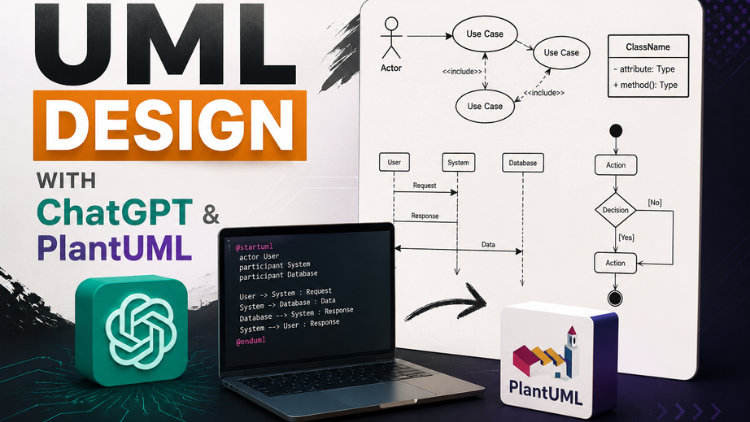
Dasturlash | Yagona modellashtirish tili (UML)
Learn UML design faster with ChatGPT and PlantUML automation.
5.0
1 soat 30 daq
20 Darslar
O'rta
$19.99
$24.99

Dasturlash | Sun'iy intellekt (AI)
Compare and master the leading AI chatbots with hands-on tutorials and expert tips for effective use
5.0
1 soat
20 Darslar
Hammasi
$12.99
$54.99

Dasturlash | C# (dasturlash tili)
Master C# Basics in no Time - A Comprehensive Course Packed with Examples, tips and exercises!
5.0
2 soat 30 daq
17 Darslar
Hammasi
$19.99

Dasturlash | ChatGPT
ChatGPT for Beginners: Use ChatGPT to WIN in your CAREER as a professional or Make a Business Using ChatGPT OpenAI!
5.0
3 soat
37 Darslar
Hammasi
$24.99

Dasturlash | SQL
Become an Expert at Microsoft SQL! By writing SQL queries for Data Analytics and Data Science base concepts
5.0
6 soat 30 daq
87 Darslar
Hammasi
$9.99
$39.99
Dasturlash | Python
Master Python Fundamentals in Telugu – Variables, Loops, Functions, OOPs, Projects and More with Practical Examples
5.0
9 soat 30 daq
90 Darslar
Hammasi
$44.99
$74.99
Frequently Bought Together
Learners who enrolled in this course also frequently purchased these complementary courses together.
7-Day Money Back Guarantee for all bundle items
Total price for selected items:
$115.98
$144.97
Tez-tez so'raladigan savollar
Ushbu kurs bo'yicha eng keng tarqalgan savollarga javob toping.
Ha! Upon completing 100% of the course lectures and assignments, you can instantly download your verified digital Certificate of Completion directly from your Lucebra profile.
Technology bo'yicha ko'proq bilib oling
Akkreditatsiyadan o'tgan sertifikatlar, elektron kitoblar va jonli darslar bilan bilimlaringizni oshiring.