Lucebra
Lucebra বিজনেস
শিক্ষাদান ও একাডেমিক্স/বিজ্ঞান/জীববিদ্যা

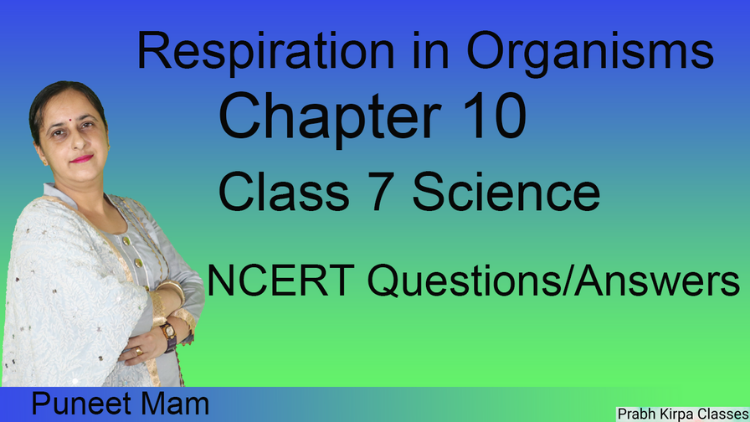
Respirazione negli Organismi Capitolo 10 Classe 7 Scienze

Respirazione negli Organismi Capitolo 10 Classe 7 Scienze

সকল স্তর • 5 বক্তৃতা • আজীবন অ্যাক্সেস
Prabh Kirpa Classes

যাচাইকৃত মাস্টার প্রশিক্ষক

Respirazione negli Organismi Capitolo 10 Classe 7 Scienze
ট্রেলার
আপনার প্রশিক্ষকের সাথে দেখা করুন: Prabh Kirpa Classes

19 ms

5.0 / 5.0
গ্লোবাল রেটিং
2
সক্রিয় ছাত্র
ইংরেজি (মার্কিন যুক্তরাষ্ট্র)
99টি ভাষার সাবটাইটেল
33 মি.
মোট বিষয়বস্তু

যা শিখবেন

1. Perché un atleta respira più velocemente e più profondamente del solito dopo aver finito la gara?
2. Quali sono le somiglianze e le differenze tra respirazione aerobica e anaerobica. 3. Perché spesso starnutiamo quando inaliamo molta aria carica di polvere?
4. Durante l'esercizio intenso, abbiamo crampi alle gambe a causa dell'accumulo di quale sostanza?
5. Perché i montagnari portano ossigeno con loro? ecc.

কোর্সের বিষয়বস্তু

2 বিভাগ • 5 বক্তৃতা • 00:33:47 মোট দৈর্ঘ্য

Introduction

03:25

Q.1. Why does an athlete breathe faster and deeper than usual after finishing the race?

Q.2. List the similarities and differences between aerobic and anaerobic respiration.

Q.3.. Why do we often sneeze when we inhale a lot of dust-laden air?

Q.4. Take three test-tubes. Fill ¾th of each with water. Label them A, B and C. Keep a snail in test-tube A, a water plant in test-tube B and in C, keep snail and plant both. Which test-tube would have the highest concentration of CO2?

Q.5.Tick the correct answer:

(a) In cockroaches, air enters the body through

(i) lungs (ii) gills (iii) spiracles (iv) skin

(b) During heavy exercise, we get cramps in the legs due to the accumulation of

(i)carbon dioxide (ii) lactic acid (iii) alcohol (iv) water

( c ) Normal range of breathing rate per minute in an average adult person at rest is:

(i) 9–12 (ii) 15–18 (iii) 21–24 (iv) 30–33

(d) During exhalation, the ribs

(i) move outwards (ii) move downwards

(iii) move upwards (iv) do not move at all

Q.6. Match the items in Column I with those in Column II:

Column I Column II

(a) Yeast (i) Earthworm

(b) Diaphragm (ii) Gills

(c) Skin (iii) Alcohol

(d) Leaves (iv) Chest cavity

(e) Fish (v) Stomata

(f) Frog (vi) Lungs and skin

(vii) Tracheae

Q.7. Mark ‘T’ if the statement is true and ‘F’ if it is false:

(i) During heavy exercise the breathing rate of a person slows down. (T/F)

(ii) Plants carry out photosynthesis only during the day and respiration only at night. (T/F)

(iii) Frogs breathe through their skins as well as their lungs.(T/F)

(iv) The fishes have lungs for respiration. (T/F)

(v) The size of the chest cavity increases during inhalation. (T/F)

Q. 8. Given below is a square of letters in which are hidden different words related to respiration in organisms. These words may be present in any direction — upwards, downwards, or along the diagonals.

Find the words for your respiratory system. Clues about those words are given below the square.

Q. 9. The mountaineers carry oxygen with them because:

(a) At an altitude of more than 5 km there is no air

(b) The amount of air available to a person is less than that available on the ground.

(c) The temperature of air is higher than that on the ground.

(d) The pressure of air is higher than that on the ground.
Respiration in Organisms NCERT Question No.1 to 3

08:09

Q.1. Why does an athlete breathe faster and deeper than usual after finishing the race?

Q.2. List the similarities and differences between aerobic and anaerobic respiration.

Q.3.. Why do we often sneeze when we inhale a lot of dust-laden air?

Respiration in Organisms NCERT Questions No. 4 & 5

08:33

Q.4. Take three test-tubes. Fill ¾th of each with water. Label them A, B and C. Keep a snail in test-tube A, a water plant in test-tube B and in C, keep snail and plant both. Which test-tube would have the highest concentration of CO2?

Q.5.Tick the correct answer:

(a) In cockroaches, air enters the body through

(i) lungs (ii) gills (iii) spiracles (iv) skin

(b) During heavy exercise, we get cramps in the legs due to the accumulation of

(i)carbon dioxide (ii) lactic acid (iii) alcohol (iv) water

( c ) Normal range of breathing rate per minute in an average adult person at rest is:

(i) 9–12 (ii) 15–18 (iii) 21–24 (iv) 30–33

(d) During exhalation, the ribs

(i) move outwards (ii) move downwards

(iii) move upwards (iv) do not move at all

Respiration in Organisms NCERT Questions No. 6 & 7

08:51

Q.6. Match the items in Column I with those in Column II:

Column I Column II

(a) Yeast (i) Earthworm

(b) Diaphragm (ii) Gills

(c) Skin (iii) Alcohol

(d) Leaves (iv) Chest cavity

(e) Fish (v) Stomata

(f) Frog (vi) Lungs and skin

(vii) Tracheae

Respiration in Organisms NCERT Questions No. 8 & 9

04:46

Q. 8. Given below is a square of letters in which are hidden different words related to respiration in organisms. These words may be present in any direction — upwards, downwards, or along the diagonals.

Find the words for your respiratory system. Clues about those words are given below the square.

Q. 9. The mountaineers carry oxygen with them because:

(a) At an altitude of more than 5 km there is no air

(b) The amount of air available to a person is less than that available on the ground.

(c) The temperature of air is higher than that on the ground.

(d) The pressure of air is higher than that on the ground.
সাপ্তাহিক অধ্যয়ন পরিকল্পনা
আপনার শেখার যাত্রা পরিকল্পনা করুন
AI আপনার সময় অনুযায়ী ব্যক্তিগত সময়সূচী তৈরি করে

প্রয়োজনীয়তা

Nessuno

লক্ষ্য শ্রোতা

Respiration in organisms Class 7 Science

এই কোর্স সম্পর্কে

Q.1. Perché un atleta respira più velocemente e più profondamente del solito dopo aver finito la gara?

Q.2. Elenca le somiglianze e le differenze tra respirazione aerobica e anaerobica.

Q.3. Perché spesso starnutiamo quando inaliamo molta aria carica di polvere?

Q.4. Prendi tre provette. Riempi ¾ di ciascuna con acqua. Etichettale A, B e C. Metti una lumaca nella provetta A, una pianta d'acqua nella provetta B e in C, metti sia lumaca che pianta. Quale provetta avrebbe la più alta concentrazione di CO2?

Q.5. Segnala la risposta corretta:

(a) Negli scarafaggi, l'aria entra nel corpo attraverso

(i) polmoni (ii) branchie (iii) spiracoli (iv) pelle

(b) Durante l'esercizio intenso, abbiamo crampi alle gambe a causa dell'accumulo di

(i)anidride carbonica (ii) acido lattico (iii) alcol (iv) acqua

(c) Gamma normale di frequenza respiratoria al minuto in una persona adulta media a riposo è:

(i) 9–12 (ii) 15–18 (iii) 21–24 (iv) 30–33

(d) Durante l'espirazione, le costole

(i) si spostano verso l'esterno (ii) si spostano verso il basso

(iii) si spostano verso l'alto (iv) non si muovono affatto

Q.6. Abbina gli elementi della Colonna I con quelli della Colonna II:

Colonna I        Colonna II

(a) Lievito        (i) Lombrico

(b) Diaframma   (ii) Branchie

(c) Pelle         (iii) Alcool

(d) Foglie         (iv) Cavità toracica

(e) Pesci           (v) Stomi

(f) Rana           (vi) Polmoni e pelle

                (vii) Trachee

Q.7. Metti 'V' se l'affermazione è vera e 'F' se è falsa:

(i) Durante l'esercizio intenso la frequenza respiratoria di una persona rallenta. (V/F)

(ii) Le piante effettuano la fotosintesi solo di giorno e la respirazione solo di notte. (V/F)

(iii) Le rane respirano attraverso la loro pelle e i loro polmoni. (V/F)

(iv) I pesci hanno i polmoni per la respirazione. (V/F)

(v) La dimensione della cavità toracica aumenta durante l'inalazione. (V/F)

Q. 8. Di seguito è riportato un quadrato di lettere in cui sono nascoste diverse parole relative alla respirazione negli organismi. Queste parole possono essere presenti in qualsiasi direzione — verso l'alto, verso il basso o lungo le diagonali.

Trova le parole per il tuo sistema respiratorio. Cl

আপনার প্রশিক্ষকের সাথে পরিচিত হন
Prabh Kirpa Classes
প্রধান প্রশিক্ষক
Educator
This channel is purely education based. Our aim is to ensure that the students are able to understand each and every question in an easy way. We take pride in providing quality educational services to the students of Class VII to Class XI Science NCERT, English, Computer solutions, Mathematics, Business Studies & Economics. Our goal is to help the leaders of tomorrow to learn to succeed today....
প্রশিক্ষকের অন্যান্য কোর্স:
Prabh Kirpa Classes

শিক্ষার্থীরাও কিনেছে

যে সকল শিক্ষার্থীরা এই কোর্সটি দেখেছে তারাও এই শীর্ষ-রেটেড কোর্সে নথিভুক্ত হয়েছে

3D Printing Failure Analysis: Root Cause & Diagnostics Masterclass
শিক্ষাদান ও একাডেমিক্স | ইঞ্জিনিয়ারিং

Unlock the world of 3D printing and product creation with a hands-on, industry-focused course designed to turn your ideas into reality. Whether you’re an engineer, designer, technician Masterclass.

5.0
3 ঘণ্টা
19 বক্তৃতা
মধ্যবর্তী
$12.99
Probability Beyond the Basics: Part 1
শিক্ষাদান ও একাডেমিক্স | গণিত

Taking Your Mastery of Probability to the Next Level

5.0
1 ঘণ্টা 30 মি.
6 বক্তৃতা
সব
$9.99

$19.99

Beyond Basics: Calculating Cone Surface Area with Precision
শিক্ষাদান ও একাডেমিক্স | গণিত

Advanced Formulas and Strategies for Cone Surface Area Determination

5.0
1 ঘণ্টা
10 বক্তৃতা
সব
$19.99
Future Tense
ফ্রি
শিক্ষাদান ও একাডেমিক্স | ইংরেজি ব্যাকরণ

FUTURE TENSE

5.0
2 ঘণ্টা
4 বক্তৃতা
সব
June 2026 Current Affairs Complete Revision Course
শিক্ষাদান ও একাডেমিক্স | কারেন্ট অ্যাফেয়ার্স

Master all important Current Affairs from June 1–30, 2026 with daily video lectures, MCQs, exam-oriented explanations an

5.0
8 ঘণ্টা 30 মি.
29 বক্তৃতা
শিক্ষানবিস
$29.99

$39.99

Bar Graphs Unveiled: A Comprehensive Introduction
শিক্ষাদান ও একাডেমিক্স | গণিত

Unlocking the Power of Bar Charts for Effective Data Communication

5.0
1 ঘণ্টা
5 বক্তৃতা
সব
$14.99

$19.99

প্রায়শই জিজ্ঞাসিত প্রশ্নাবলী

এই কোর্স সম্পর্কে সবচেয়ে সাধারণ প্রশ্নের উত্তর খুঁজুন।

হ্যাঁ! কোর্স লেকচার এবং অ্যাসাইনমেন্টের 100% সম্পূর্ণ করার পরে, আপনি সরাসরি আপনার লুসেব্রা প্রোফাইল থেকে আপনার যাচাইকৃত ডিজিটাল সার্টিফিকেট অফ কমপ্লিশন ডাউনলোড করতে পারেন।

পদ্ধতি-এ আরও অন্বেষণ করুন

স্বীকৃত সার্টিফিকেট, সম্পর্কিত ই-বুক এবং লাইভ ক্লাসের মাধ্যমে আপনার শেখার পরিধি বাড়ান।