Lucebra
Lucebra بزنس
تدریس اور اکیڈمکس/سائنس/حیاتیات

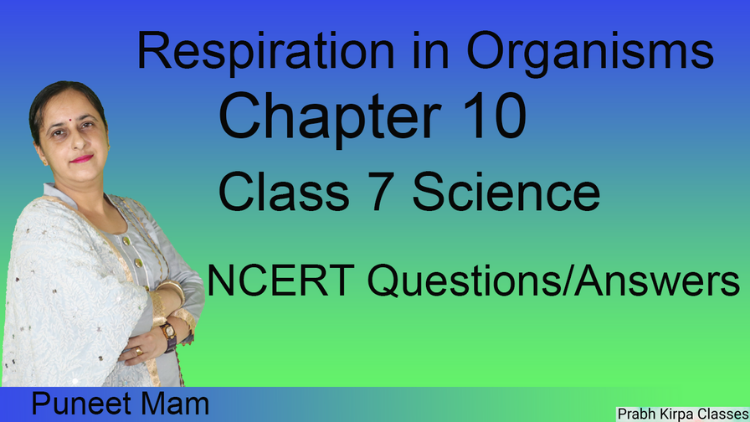
Respiration in Organisms Chapter 10 Class 7 Science

Respiration in Organisms Chapter 10 Class 7 Science

تمام سطحیں • 5 لیکچرز • زندگی بھر رسائی
Prabh Kirpa Classes

تصدیق شدہ ماسٹر انسٹرکٹر

Respiration in Organisms Chapter 10 Class 7 Science
ٹریلر
اپنے انسٹرکٹر سے ملیں: Prabh Kirpa Classes

19 ms

5.0 / 5.0
عالمی درجہ بندی
2
فعال طلباء
امریکی انگریزی
99 زبانوں کے سب ٹائٹلز
33 منٹ
کل مواد

جو آپ سیکھیں گے۔

1. Why does an athlete breathe faster and deeper than usual after finishing the race?
2. What are the similarities and differences between aerobic and anaerobic respiration. 3. Why do we often sneeze when we inhale a lot of dust-laden air?
4. During heavy exercise, we get cramps in the legs due to the accumulation of which substance?
5. Why do the mountaineers carry oxygen with them? etc.

کورس کا مواد

2 حصے • 5 لیکچرز • 00:33:47 کل لمبائی

Introduction

03:25

Q.1. Why does an athlete breathe faster and deeper than usual after finishing the race?

Q.2. List the similarities and differences between aerobic and anaerobic respiration.

Q.3.. Why do we often sneeze when we inhale a lot of dust-laden air?

Q.4. Take three test-tubes. Fill ¾th of each with water. Label them A, B and C. Keep a snail in test-tube A, a water plant in test-tube B and in C, keep snail and plant both. Which test-tube would have the highest concentration of CO2?

Q.5.Tick the correct answer:

(a) In cockroaches, air enters the body through

(i) lungs (ii) gills (iii) spiracles (iv) skin

(b) During heavy exercise, we get cramps in the legs due to the accumulation of

(i)carbon dioxide (ii) lactic acid (iii) alcohol (iv) water

( c ) Normal range of breathing rate per minute in an average adult person at rest is:

(i) 9–12 (ii) 15–18 (iii) 21–24 (iv) 30–33

(d) During exhalation, the ribs

(i) move outwards (ii) move downwards

(iii) move upwards (iv) do not move at all

Q.6. Match the items in Column I with those in Column II:

Column I Column II

(a) Yeast (i) Earthworm

(b) Diaphragm (ii) Gills

(c) Skin (iii) Alcohol

(d) Leaves (iv) Chest cavity

(e) Fish (v) Stomata

(f) Frog (vi) Lungs and skin

(vii) Tracheae

Q.7. Mark ‘T’ if the statement is true and ‘F’ if it is false:

(i) During heavy exercise the breathing rate of a person slows down. (T/F)

(ii) Plants carry out photosynthesis only during the day and respiration only at night. (T/F)

(iii) Frogs breathe through their skins as well as their lungs.(T/F)

(iv) The fishes have lungs for respiration. (T/F)

(v) The size of the chest cavity increases during inhalation. (T/F)

Q. 8. Given below is a square of letters in which are hidden different words related to respiration in organisms. These words may be present in any direction — upwards, downwards, or along the diagonals.

Find the words for your respiratory system. Clues about those words are given below the square.

Q. 9. The mountaineers carry oxygen with them because:

(a) At an altitude of more than 5 km there is no air

(b) The amount of air available to a person is less than that available on the ground.

(c) The temperature of air is higher than that on the ground.

(d) The pressure of air is higher than that on the ground.

Respiration in Organisms NCERT Question No.1 to 3

08:09

Q.1. Why does an athlete breathe faster and deeper than usual after finishing the race?

Q.2. List the similarities and differences between aerobic and anaerobic respiration.

Q.3.. Why do we often sneeze when we inhale a lot of dust-laden air?

Respiration in Organisms NCERT Questions No. 4 & 5

08:33

Q.4. Take three test-tubes. Fill ¾th of each with water. Label them A, B and C. Keep a snail in test-tube A, a water plant in test-tube B and in C, keep snail and plant both. Which test-tube would have the highest concentration of CO2?

Q.5.Tick the correct answer:

(a) In cockroaches, air enters the body through

(i) lungs (ii) gills (iii) spiracles (iv) skin

(b) During heavy exercise, we get cramps in the legs due to the accumulation of

(i)carbon dioxide (ii) lactic acid (iii) alcohol (iv) water

( c ) Normal range of breathing rate per minute in an average adult person at rest is:

(i) 9–12 (ii) 15–18 (iii) 21–24 (iv) 30–33

(d) During exhalation, the ribs

(i) move outwards (ii) move downwards

(iii) move upwards (iv) do not move at all

Respiration in Organisms NCERT Questions No. 6 & 7

08:51

Q.6. Match the items in Column I with those in Column II:

Column I Column II

(a) Yeast (i) Earthworm

(b) Diaphragm (ii) Gills

(c) Skin (iii) Alcohol

(d) Leaves (iv) Chest cavity

(e) Fish (v) Stomata

(f) Frog (vi) Lungs and skin

(vii) Tracheae

Respiration in Organisms NCERT Questions No. 8 & 9

04:46

Q. 8. Given below is a square of letters in which are hidden different words related to respiration in organisms. These words may be present in any direction — upwards, downwards, or along the diagonals.

Find the words for your respiratory system. Clues about those words are given below the square.

Q. 9. The mountaineers carry oxygen with them because:

(a) At an altitude of more than 5 km there is no air

(b) The amount of air available to a person is less than that available on the ground.

(c) The temperature of air is higher than that on the ground.

(d) The pressure of air is higher than that on the ground.

ہفتاوار مطالعہ پلان
اپنا سیکھنا پلان بنائیں
AI آپ کی دستیابی کے مطابق شیڈول بناتا ہے

تقاضے

Nil

ہدفی سامعین

Respiration in organisms Class 7 Science

اس کورس کے بارے میں

Q.1. Why does an athlete breathe faster and deeper than usual after finishing the race?

Q.2. List the similarities and differences between aerobic and anaerobic respiration.

Q.3.. Why do we often sneeze when we inhale a lot of dust-laden air?

Q.4. Take three test-tubes. Fill ¾th of each with water. Label them A, B and C. Keep a snail in test-tube A, a water plant in test-tube B and in C, keep snail and plant both. Which test-tube would have the highest concentration of CO2?

Q.5.Tick the correct answer:

(a) In cockroaches, air enters the body through

(i) lungs (ii) gills (iii) spiracles (iv) skin

(b) During heavy exercise, we get cramps in the legs due to the accumulation of

(i)carbon dioxide (ii) lactic acid (iii) alcohol (iv) water

( c ) Normal range of breathing rate per minute in an average adult person at rest is:

(i) 9–12 (ii) 15–18 (iii) 21–24 (iv) 30–33

(d) During exhalation, the ribs

(i) move outwards (ii) move downwards

(iii) move upwards (iv) do not move at all

Q.6. Match the items in Column I with those in Column II:

Column I        Column II

(a) Yeast        (i) Earthworm

(b) Diaphragm   (ii) Gills

(c) Skin         (iii) Alcohol

(d) Leaves       (iv) Chest cavity

(e) Fish          (v) Stomata

(f) Frog          (vi) Lungs and skin

                (vii) Tracheae

Q.7. Mark ‘T’ if the statement is true and ‘F’ if it is false:

(i) During heavy exercise the breathing rate of a person slows down. (T/F)

(ii) Plants carry out photosynthesis only during the day and respiration only at night. (T/F)

(iii) Frogs breathe through their skins as well as their lungs.(T/F)

(iv) The fishes have lungs for respiration. (T/F)

(v) The size of the chest cavity increases during inhalation. (T/F)

Q. 8. Given below is a square of letters in which are hidden different words related to respiration in organisms. These words may be present in any direction — upwards, downwards, or along the diagonals.

Find the words for your respiratory system. Clues about those words are given below the square.

Q. 9. The mountaineers carry oxygen with them because:

(a) At an altitude of more than 5 km there is no air

(b) The amount of air available to a person is less than that available on the ground.

(c) The temperature of air is higher than that on the ground.

(d) The pressure of air is higher than that on the ground.
اپنے استاد سے ملیں
Prabh Kirpa Classes
5.0 درجہ بندی
63 طلباء
مکمل پروفائل دیکھیں
Prabh Kirpa Classes
مین انسٹرکٹر
Educator
This channel is purely education based. Our aim is to ensure that the students are able to understand each and every question in an easy way. We take pride in providing quality educational services to the students of Class VII to Class XI Science NCERT, English, Computer solutions, Mathematics, Business Studies & Economics. Our goal is to help the leaders of tomorrow to learn to succeed today....
انسٹرکٹر کے دیگر کورسز:
Prabh Kirpa Classes

طلباء نے بھی خریداری کی۔

اس کورس کو دیکھنے والے سیکھنے والوں نے بھی ان اعلیٰ درجہ کے کورسز میں داخلہ لیا۔

3D Printing Failure Analysis: Root Cause & Diagnostics Masterclass
تدریس اور اکیڈمکس | انجینئرنگ

Unlock the world of 3D printing and product creation with a hands-on, industry-focused course designed to turn your ideas into reality. Whether you’re an engineer, designer, technician Masterclass.

5.0
3 گھنٹے
19 لیکچرز
انٹرمیڈیٹ
$12.99
Probability Beyond the Basics: Part 1
تدریس اور اکیڈمکس | ریاضی

Taking Your Mastery of Probability to the Next Level

5.0
1 گھنٹے 30 منٹ
6 لیکچرز
سب
$9.99

$19.99

Beyond Basics: Calculating Cone Surface Area with Precision
تدریس اور اکیڈمکس | ریاضی

Advanced Formulas and Strategies for Cone Surface Area Determination

5.0
1 گھنٹے
10 لیکچرز
سب
$19.99
Future Tense
مفت
تدریس اور اکیڈمکس | انگریزی گرامر

FUTURE TENSE

5.0
2 گھنٹے
4 لیکچرز
سب
June 2026 Current Affairs Complete Revision Course
تدریس اور اکیڈمکس | کرنٹ افیئرز

Master all important Current Affairs from June 1–30, 2026 with daily video lectures, MCQs, exam-oriented explanations an

5.0
8 گھنٹے 30 منٹ
29 لیکچرز
مبتدی
$29.99

$39.99

Bar Graphs Unveiled: A Comprehensive Introduction
تدریس اور اکیڈمکس | ریاضی

Unlocking the Power of Bar Charts for Effective Data Communication

5.0
1 گھنٹے
5 لیکچرز
سب
$14.99

$19.99

اکثر پوچھے گئے سوالات

اس کورس کے بارے میں سب سے عام سوالات کے جوابات تلاش کریں۔

جی ہاں! کورس کے لیکچرز اور اسائنمنٹس کا 100% مکمل کرنے پر، آپ فوری طور پر اپنے لوسیبرا پروفائل سے اپنے تصدیق شدہ ڈیجیٹل سرٹیفکیٹ آف کمپلیشن کو فوری طور پر ڈاؤن لوڈ کر سکتے ہیں۔

Technology میں مزید دریافت کریں

تصدیق شدہ اسناد، متعلقہ ای بکس اور لائیو انٹرایکٹو کلاسز کے ساتھ اپنے تعلیمی سفر کو وسعت دیں۔