Lucebra
Lucebra سازمانی
آموزش و امور آکادمیک/علم/زیست شناسی

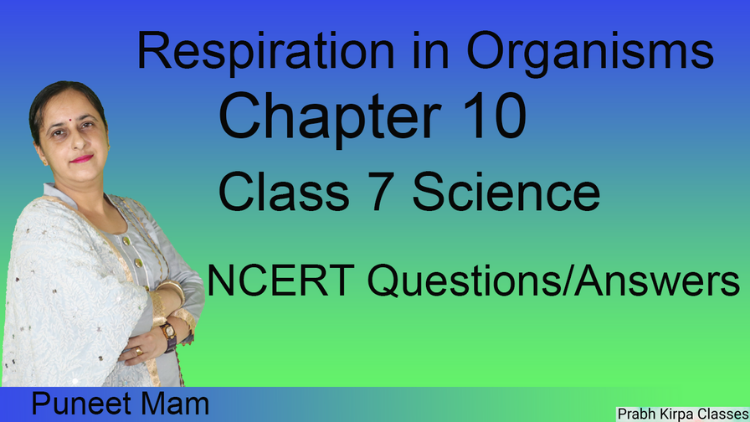
تنفس در موجودات فصل 10 کلاس 7 علوم

Respirația în Organisme Capitolul 10 Clasa 7 Știință

همه سطوح • 5 سخنرانی ها • دسترسی مادام العمر
Prabh Kirpa Classes

استاد استاد تایید شده

Respirația în Organisme Capitolul 10 Clasa 7 Știință
تریلر
با مربی خود آشنا شوید: Prabh Kirpa Classes

19 ms

5.0 / 5.0
رتبه بندی جهانی
2
دانش آموزان فعال
انگلیسی آمریکا
99 زبان زیرنویس
33 دقیقه
کل محتوا

آنچه خواهید آموخت

1. De ce respiră un atlet mai repede și mai profund decât de obicei după ce a terminat cursa?
2. Care sunt asemănările și diferențele dintre respirația aerobă și cea anaerobă. 3. De ce strănutăm adesea când inhalăm aer plin de praf?
4. În timpul efortului fizic intens, avem crampe la picioare din cauza acumulării de care substanță?
5. De ce alpiniștii transportă oxigen cu ei? etc.

محتوای دوره

بخش 2 • 5 سخنرانی • طول کل 00:33:47

Introduction

03:25

Q.1. Why does an athlete breathe faster and deeper than usual after finishing the race?

Q.2. List the similarities and differences between aerobic and anaerobic respiration.

Q.3.. Why do we often sneeze when we inhale a lot of dust-laden air?

Q.4. Take three test-tubes. Fill ¾th of each with water. Label them A, B and C. Keep a snail in test-tube A, a water plant in test-tube B and in C, keep snail and plant both. Which test-tube would have the highest concentration of CO2?

Q.5.Tick the correct answer:

(a) In cockroaches, air enters the body through

(i) lungs (ii) gills (iii) spiracles (iv) skin

(b) During heavy exercise, we get cramps in the legs due to the accumulation of

(i)carbon dioxide (ii) lactic acid (iii) alcohol (iv) water

( c ) Normal range of breathing rate per minute in an average adult person at rest is:

(i) 9–12 (ii) 15–18 (iii) 21–24 (iv) 30–33

(d) During exhalation, the ribs

(i) move outwards (ii) move downwards

(iii) move upwards (iv) do not move at all

Q.6. Match the items in Column I with those in Column II:

Column I Column II

(a) Yeast (i) Earthworm

(b) Diaphragm (ii) Gills

(c) Skin (iii) Alcohol

(d) Leaves (iv) Chest cavity

(e) Fish (v) Stomata

(f) Frog (vi) Lungs and skin

(vii) Tracheae

Q.7. Mark ‘T’ if the statement is true and ‘F’ if it is false:

(i) During heavy exercise the breathing rate of a person slows down. (T/F)

(ii) Plants carry out photosynthesis only during the day and respiration only at night. (T/F)

(iii) Frogs breathe through their skins as well as their lungs.(T/F)

(iv) The fishes have lungs for respiration. (T/F)

(v) The size of the chest cavity increases during inhalation. (T/F)

Q. 8. Given below is a square of letters in which are hidden different words related to respiration in organisms. These words may be present in any direction — upwards, downwards, or along the diagonals.

Find the words for your respiratory system. Clues about those words are given below the square.

Q. 9. The mountaineers carry oxygen with them because:

(a) At an altitude of more than 5 km there is no air

(b) The amount of air available to a person is less than that available on the ground.

(c) The temperature of air is higher than that on the ground.

(d) The pressure of air is higher than that on the ground.
Respiration in Organisms NCERT Question No.1 to 3

08:09

Q.1. Why does an athlete breathe faster and deeper than usual after finishing the race?

Q.2. List the similarities and differences between aerobic and anaerobic respiration.

Q.3.. Why do we often sneeze when we inhale a lot of dust-laden air?

Respiration in Organisms NCERT Questions No. 4 & 5

08:33

Q.4. Take three test-tubes. Fill ¾th of each with water. Label them A, B and C. Keep a snail in test-tube A, a water plant in test-tube B and in C, keep snail and plant both. Which test-tube would have the highest concentration of CO2?

Q.5.Tick the correct answer:

(a) In cockroaches, air enters the body through

(i) lungs (ii) gills (iii) spiracles (iv) skin

(b) During heavy exercise, we get cramps in the legs due to the accumulation of

(i)carbon dioxide (ii) lactic acid (iii) alcohol (iv) water

( c ) Normal range of breathing rate per minute in an average adult person at rest is:

(i) 9–12 (ii) 15–18 (iii) 21–24 (iv) 30–33

(d) During exhalation, the ribs

(i) move outwards (ii) move downwards

(iii) move upwards (iv) do not move at all

Respiration in Organisms NCERT Questions No. 6 & 7

08:51

Q.6. Match the items in Column I with those in Column II:

Column I Column II

(a) Yeast (i) Earthworm

(b) Diaphragm (ii) Gills

(c) Skin (iii) Alcohol

(d) Leaves (iv) Chest cavity

(e) Fish (v) Stomata

(f) Frog (vi) Lungs and skin

(vii) Tracheae

Respiration in Organisms NCERT Questions No. 8 & 9

04:46

Q. 8. Given below is a square of letters in which are hidden different words related to respiration in organisms. These words may be present in any direction — upwards, downwards, or along the diagonals.

Find the words for your respiratory system. Clues about those words are given below the square.

Q. 9. The mountaineers carry oxygen with them because:

(a) At an altitude of more than 5 km there is no air

(b) The amount of air available to a person is less than that available on the ground.

(c) The temperature of air is higher than that on the ground.

(d) The pressure of air is higher than that on the ground.
برنامه مطالعه هفتگی
سفر یادگیری خود را برنامه‌ریزی کنید
هوش مصنوعی برنامه شخصی بر اساس زمان شما می‌سازد

الزامات

Niciunul

مخاطب هدف

Respiration in organisms Class 7 Science

در مورد این دوره

Q.1. De ce respiră un atlet mai repede și mai profund decât de obicei după ce a terminat cursa?

Q.2. Enumerați asemănările și diferențele dintre respirația aerobă și cea anaerobă.

Q.3. De ce strănutăm adesea când inhalăm aer plin de praf?

Q.4. Luați trei epruvete. Umpleți ¾ din fiecare cu apă. Etichetați-le A, B și C. Puneți un melc în eprubeta A, o plantă de apă în eprubeta B și în C, puneți atât melc cât și plantă. Care eprubeta ar avea cea mai mare concentrație de CO2?

Q.5. Bifați răspunsul corect:

(a) La gandaci, aerul intră în corp prin

(i) plămâni (ii) branhii (iii) spiracole (iv) piele

(b) În timpul efortului fizic intens, avem crampe la picioare din cauza acumulării de

(i)dioxid de carbon (ii) acid lactic (iii) alcool (iv) apă

(c) Intervalul normal al ratei de respirație pe minut la o persoană adultă medie în repaus este:

(i) 9–12 (ii) 15–18 (iii) 21–24 (iv) 30–33

(d) În timpul expirației, coastele

(i) se mișcă spre exterior (ii) se mișcă în jos

(iii) se mișcă în sus (iv) nu se mișcă deloc

Q.6. Potriviți elementele din Coloana I cu cele din Coloana II:

Coloana I        Coloana II

(a) Drojdie        (i) Vierme de pământ

(b) Diafragma   (ii) Branhii

(c) Piele         (iii) Alcool

(d) Frunze         (iv) Cavitatea toracică

(e) Pește          (v) Stomatele

(f) Broască          (vi) Plămâni și piele

                (vii) Trahee

Q.7. Bifați 'V' dacă afirmația este adevărată și 'F' dacă este falsă:

(i) În timpul efortului fizic intens, rata de respirație a unei persoane scade. (V/F)

(ii) Plantele efectuează fotosinteza doar în timpul zilei și respirația doar noaptea. (V/F)

(iii) Broaștele respiră atât prin piele, cât și prin plămâni. (V/F)

(iv) Peștii au plămâni pentru respirație. (V/F)

(v) Dimensiunea cavității toracice crește în timpul inhalării. (V/F)

Q. 8. Mai jos este prezentat un pătrat de litere în care sunt ascunse diferite cuvinte legate de respirația în organisme. Aceste cuvinte pot fi prezente în orice direcție — sus, jos sau pe diagonale.

Găsiți cuvintele pentru sistemul tău respirator. Cl

با مدرس خود آشنا شوید
Prabh Kirpa Classes
5.0 رتبه بندی
63 دانش آموزان
مشاهده پروفایل کامل
Prabh Kirpa Classes
مربی اصلی
Educator
This channel is purely education based. Our aim is to ensure that the students are able to understand each and every question in an easy way. We take pride in providing quality educational services to the students of Class VII to Class XI Science NCERT, English, Computer solutions, Mathematics, Business Studies & Economics. Our goal is to help the leaders of tomorrow to learn to succeed today....
دوره‌های دیگر از
Prabh Kirpa Classes

دانش آموزان نیز خرید کردند

فراگیرانی که این دوره را مشاهده کردند نیز در این دوره های دارای رتبه برتر ثبت نام کردند

3D Printing Failure Analysis: Root Cause & Diagnostics Masterclass
آموزش و امور آکادمیک | مهندسی

Unlock the world of 3D printing and product creation with a hands-on, industry-focused course designed to turn your ideas into reality. Whether you’re an engineer, designer, technician Masterclass.

5.0
3 ساعت
19 درس
متوسط
$12.99
Probability Beyond the Basics: Part 1
آموزش و امور آکادمیک | ریاضی

Taking Your Mastery of Probability to the Next Level

5.0
1 ساعت 30 دقیقه
6 درس
همه سطوح
$9.99

$19.99

Beyond Basics: Calculating Cone Surface Area with Precision
آموزش و امور آکادمیک | ریاضی

Advanced Formulas and Strategies for Cone Surface Area Determination

5.0
1 ساعت
10 درس
همه سطوح
$19.99
Future Tense
رایگان
آموزش و امور آکادمیک | گرامر انگلیسی

FUTURE TENSE

5.0
2 ساعت
4 درس
همه سطوح
رایگان
شروع دوره
June 2026 Current Affairs Complete Revision Course
آموزش و امور آکادمیک | امور جاری

Master all important Current Affairs from June 1–30, 2026 with daily video lectures, MCQs, exam-oriented explanations an

5.0
8 ساعت 30 دقیقه
29 درس
مبتدی
$29.99

$39.99

Bar Graphs Unveiled: A Comprehensive Introduction
آموزش و امور آکادمیک | ریاضی

Unlocking the Power of Bar Charts for Effective Data Communication

5.0
1 ساعت
5 درس
همه سطوح
$14.99

$19.99

سوالات متداول

پاسخ رایج ترین سوالات این دوره را بیابید.

بله! پس از تکمیل 100٪ از سخنرانی ها و تکالیف دوره، می توانید فوراً گواهی تکمیل دیجیتال تأیید شده خود را مستقیماً از نمایه Lucebra خود دانلود کنید.

کاوش بیشتر در Technology

مسیر یادگیری خود را با مدارک معتبر، کتاب‌های الکترونیکی مرتبط و کلاس‌های زنده تعاملی گسترش دهید.