Lucebra
Lucebra Бизнес
Преподавание и наука/Естественные науки/Биология

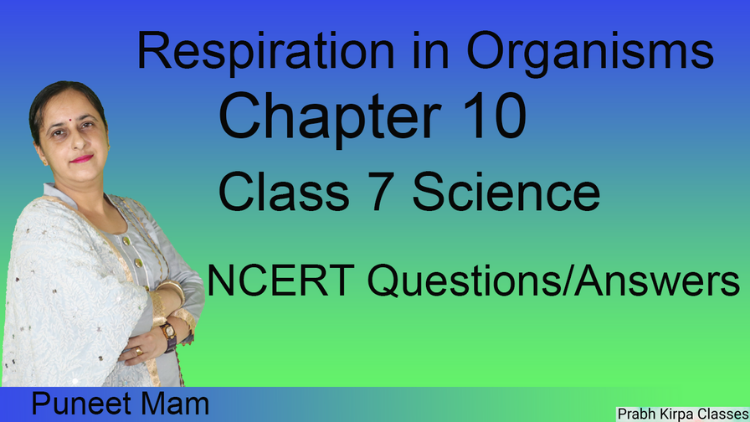
Дыхание в организмах Глава 10 Класс 7 Наука

Respiración en Organismos Capítulo 10 Clase 7 Ciencia

Все уровни • 5 Лекции • Пожизненный доступ
Prabh Kirpa Classes

Проверенный мастер-инструктор

Respiración en Organismos Capítulo 10 Clase 7 Ciencia
ТРЕЙЛЕР
Meet your instructor: Prabh Kirpa Classes

19 ms

5.0 / 5.0
Глобальный рейтинг
2
Активные студенты
Американский английский
Субтитры на 99 языках
33 мин
Общий контент

Чему вы научитесь

1. ¿Por qué un atleta respira más rápido y profundo de lo habitual después de terminar la carrera?
2. ¿Cuáles son las similitudes y diferencias entre la respiración aeróbica y anaeróbica. 3. ¿Por qué a menudo estornudamos cuando inhalamos mucho aire cargado de polvo?
4. Durante el ejercicio intenso, obtenemos calambres en las piernas debido a la acumulación de ¿qué sustancia?
5. ¿Por qué los montañistas llevan oxígeno consigo? etc.

Содержание курса

2 разделов • 5 лекций • 00:33:47 общая длина

Introduction

03:25

Q.1. Why does an athlete breathe faster and deeper than usual after finishing the race?

Q.2. List the similarities and differences between aerobic and anaerobic respiration.

Q.3.. Why do we often sneeze when we inhale a lot of dust-laden air?

Q.4. Take three test-tubes. Fill ¾th of each with water. Label them A, B and C. Keep a snail in test-tube A, a water plant in test-tube B and in C, keep snail and plant both. Which test-tube would have the highest concentration of CO2?

Q.5.Tick the correct answer:

(a) In cockroaches, air enters the body through

(i) lungs (ii) gills (iii) spiracles (iv) skin

(b) During heavy exercise, we get cramps in the legs due to the accumulation of

(i)carbon dioxide (ii) lactic acid (iii) alcohol (iv) water

( c ) Normal range of breathing rate per minute in an average adult person at rest is:

(i) 9–12 (ii) 15–18 (iii) 21–24 (iv) 30–33

(d) During exhalation, the ribs

(i) move outwards (ii) move downwards

(iii) move upwards (iv) do not move at all

Q.6. Match the items in Column I with those in Column II:

Column I Column II

(a) Yeast (i) Earthworm

(b) Diaphragm (ii) Gills

(c) Skin (iii) Alcohol

(d) Leaves (iv) Chest cavity

(e) Fish (v) Stomata

(f) Frog (vi) Lungs and skin

(vii) Tracheae

Q.7. Mark ‘T’ if the statement is true and ‘F’ if it is false:

(i) During heavy exercise the breathing rate of a person slows down. (T/F)

(ii) Plants carry out photosynthesis only during the day and respiration only at night. (T/F)

(iii) Frogs breathe through their skins as well as their lungs.(T/F)

(iv) The fishes have lungs for respiration. (T/F)

(v) The size of the chest cavity increases during inhalation. (T/F)

Q. 8. Given below is a square of letters in which are hidden different words related to respiration in organisms. These words may be present in any direction — upwards, downwards, or along the diagonals.

Find the words for your respiratory system. Clues about those words are given below the square.

Q. 9. The mountaineers carry oxygen with them because:

(a) At an altitude of more than 5 km there is no air

(b) The amount of air available to a person is less than that available on the ground.

(c) The temperature of air is higher than that on the ground.

(d) The pressure of air is higher than that on the ground.
Respiration in Organisms NCERT Question No.1 to 3

08:09

Q.1. Why does an athlete breathe faster and deeper than usual after finishing the race?

Q.2. List the similarities and differences between aerobic and anaerobic respiration.

Q.3.. Why do we often sneeze when we inhale a lot of dust-laden air?

Respiration in Organisms NCERT Questions No. 4 & 5

08:33

Q.4. Take three test-tubes. Fill ¾th of each with water. Label them A, B and C. Keep a snail in test-tube A, a water plant in test-tube B and in C, keep snail and plant both. Which test-tube would have the highest concentration of CO2?

Q.5.Tick the correct answer:

(a) In cockroaches, air enters the body through

(i) lungs (ii) gills (iii) spiracles (iv) skin

(b) During heavy exercise, we get cramps in the legs due to the accumulation of

(i)carbon dioxide (ii) lactic acid (iii) alcohol (iv) water

( c ) Normal range of breathing rate per minute in an average adult person at rest is:

(i) 9–12 (ii) 15–18 (iii) 21–24 (iv) 30–33

(d) During exhalation, the ribs

(i) move outwards (ii) move downwards

(iii) move upwards (iv) do not move at all

Respiration in Organisms NCERT Questions No. 6 & 7

08:51

Q.6. Match the items in Column I with those in Column II:

Column I Column II

(a) Yeast (i) Earthworm

(b) Diaphragm (ii) Gills

(c) Skin (iii) Alcohol

(d) Leaves (iv) Chest cavity

(e) Fish (v) Stomata

(f) Frog (vi) Lungs and skin

(vii) Tracheae

Respiration in Organisms NCERT Questions No. 8 & 9

04:46

Q. 8. Given below is a square of letters in which are hidden different words related to respiration in organisms. These words may be present in any direction — upwards, downwards, or along the diagonals.

Find the words for your respiratory system. Clues about those words are given below the square.

Q. 9. The mountaineers carry oxygen with them because:

(a) At an altitude of more than 5 km there is no air

(b) The amount of air available to a person is less than that available on the ground.

(c) The temperature of air is higher than that on the ground.

(d) The pressure of air is higher than that on the ground.
Недельный план обучения
Спланируйте свой путь обучения
ИИ создаёт персональное расписание по вашей доступности

Требования

Ninguno

Целевая аудитория

Respiration in organisms Class 7 Science

Об этом курсе

P.1. ¿Por qué un atleta respira más rápido y profundo de lo habitual después de terminar la carrera?

P.2. Enumera las similitudes y diferencias entre la respiración aeróbica y anaeróbica.

P.3. ¿Por qué a menudo estornudamos cuando inhalamos mucho aire cargado de polvo?

P.4. Toma tres tubos de ensayo. Llena ¾ de cada uno con agua. Etíquelos A, B y C. Coloca un caracol en el tubo de ensayo A, una planta acuática en el tubo de ensayo B y en C, coloca tanto el caracol como la planta. ¿Qué tubo de ensayo tendría la mayor concentración de CO2?

P.5. Marca la respuesta correcta:

(a) En las cucarachas, el aire entra al cuerpo a través de

(i) pulmones (ii) branquias (iii) espiráculos (iv) piel

(b) Durante el ejercicio intenso, obtenemos calambres en las piernas debido a la acumulación de

(i)dióxido de carbono (ii) ácido láctico (iii) alcohol (iv) agua

(c) El rango normal de la frecuencia respiratoria por minuto en una persona adulta promedio en reposo es:

(i) 9–12 (ii) 15–18 (iii) 21–24 (iv) 30–33

(d) Durante la exhalación, las costillas

(i) se mueven hacia afuera (ii) se mueven hacia abajo

(iii) se mueven hacia arriba (iv) no se mueven en absoluto

P.6. Empareja los elementos de la Columna I con los de la Columna II:

Columna I        Columna II

(a) Levadura        (i) Lombriz de tierra

(b) Diafragma   (ii) Branquias

(c) Piel         (iii) Alcohol

(d) Hojas       (iv) Cavidad torácica

(e) Peces          (v) Estomas

(f) Rana           (vi) Pulmones y piel

                    (vii) Traqueas

P.7. Marca 'V' si la afirmación es verdadera y 'F' si es falsa:

(i) Durante el ejercicio intenso, la frecuencia respiratoria de una persona disminuye. (V/F)

(ii) Las plantas realizan la fotosíntesis solo durante el día y la respiración solo por la noche. (V/F)

(iii) Las ranas respiran a través de su piel y también de sus pulmones. (V/F)

(iv) Los peces tienen pulmones para respirar. (V/F)

(v) El tamaño de la cavidad torácica aumenta durante la inhalación. (V/F)

P. 8. A continuación se presenta un cuadrado de letras en el que se ocultan diferentes palabras relacionadas con la respiración en los organismos. Estas palabras pueden estar presentes en cualquier dirección: hacia arriba, hacia abajo o a lo largo de las diagonales.

Encuentra las palabras para tu sistema respiratorio. Cl

Познакомьтесь с преподавателем
Prabh Kirpa Classes
5.0 Рейтинг
63 Студенты
Посмотреть профиль
Prabh Kirpa Classes
Главный инструктор
Educator
This channel is purely education based. Our aim is to ensure that the students are able to understand each and every question in an easy way. We take pride in providing quality educational services to the students of Class VII to Class XI Science NCERT, English, Computer solutions, Mathematics, Business Studies & Economics. Our goal is to help the leaders of tomorrow to learn to succeed today....
Другие курсы преподавателя:
Prabh Kirpa Classes

Студенты также купили

Учащиеся, просмотревшие этот курс, также записались на эти курсы с самым высоким рейтингом.

3D Printing Failure Analysis: Root Cause & Diagnostics Masterclass
Преподавание и наука | Инженерия

Unlock the world of 3D printing and product creation with a hands-on, industry-focused course designed to turn your ideas into reality. Whether you’re an engineer, designer, technician Masterclass.

5.0
3 ч
19 лекций
Средний уровень
$12.99
Probability Beyond the Basics: Part 1
Преподавание и наука | Математика

Taking Your Mastery of Probability to the Next Level

5.0
1 ч 30 мин
6 лекций
Все
$9.99

$19.99

Beyond Basics: Calculating Cone Surface Area with Precision
Преподавание и наука | Математика

Advanced Formulas and Strategies for Cone Surface Area Determination

5.0
1 ч
10 лекций
Все
$19.99
Future Tense
БЕСПЛАТНО
Преподавание и наука | Английская грамматика

FUTURE TENSE

5.0
2 ч
4 лекций
Все
БЕСПЛАТНО
Начать
June 2026 Current Affairs Complete Revision Course
Преподавание и наука | Текущие дела

Master all important Current Affairs from June 1–30, 2026 with daily video lectures, MCQs, exam-oriented explanations an

5.0
8 ч 30 мин
29 лекций
Начальный уровень
$29.99

$39.99

Bar Graphs Unveiled: A Comprehensive Introduction
Преподавание и наука | Математика

Unlocking the Power of Bar Charts for Effective Data Communication

5.0
1 ч
5 лекций
Все
$14.99

$19.99

Часто задаваемые вопросы

Найдите ответы на самые распространенные вопросы об этом курсе.

Да! После завершения 100% лекций и заданий курса вы можете мгновенно загрузить подтвержденный цифровой сертификат об окончании прямо из своего профиля Lucebra.

Узнайте больше в Technology

Расширьте свое обучение с помощью аккредитованных сертификатов, электронных книг и интерактивных онлайн-уроков.