
Design, manage, and implement enterprise application architectures using integration and design principles to create scalable, flexible systems integrated with existing platforms; evaluate portfolios and plan development, testing, and maintenance.

拖车
认识您的导师:Dr. Amar Massoud
19 ms
5.0 / 5.0
全球评级1
活跃的学生美国英语
99 种语言字幕3小时 35分
总内容你将学到什么
掌握企业架构(EA)的基础知识。
在EA领域应用治理结构。
设计和实施有效的EA框架。
将IT战略与业务目标对齐。
课程内容
9 部分 • 53 讲座 • 03:35:58 总长度Building Your Business Architecture Step by Step
02:14
Align your business strategy with IT infrastructure to leverage IoT investments and drive organizational goals. Map processes and functions to create a structured, scalable business architecture for stakeholders.
Aligning Business Strategy with IT Infrastructure
02:16
Align business strategy with IT infrastructure by understanding objectives, engaging stakeholders, and assessing current IT; use SWOT to identify gaps and develop an IT strategy with investments and upgrades.
Step1 - Understand Business Objectives
04:00
Align information technology investments with business objectives by engaging stakeholders to understand short-term and long-term goals, as Healthbridge pursues revenue growth, patient care, EHR rollout, and expansion.
Step2 - Assess Current IT Infrastructure
04:33
Assess current IT infrastructure by inventorying hardware, software, networks, and data systems; perform a SWOT analysis to identify strengths, weaknesses, opportunities, and threats at Healthbridge Medical Centers.
Step3 - Identify Gaps and Opportunities
04:41
Identify gaps and opportunities by aligning IT infrastructure with business objectives. Leverage automation, cloud-based solutions, analytics, and CRM tools to improve scheduling, customer experience, telemedicine, and compliance.
Step4 - Developing an IT Strategy
06:39
Align IT infrastructure with business strategy through a strategic plan guiding technology evolution and upgrades. Invest in governance and security to enable telemedicine and EHR improvements, boosting patient care.
Mapping Business Processes and Functions
03:59
Map business processes and functions to align IT with strategy, visualize workflows with process maps, analyze efficiency, and drive continuous improvement to support organizational objectives.
Step 1 - Identify Business Processes and Workflows at HealthBridge
02:50
Identify and map HealthBridge's business processes and workflows, including patient registration, appointment scheduling, EHR management, clinical workflows, billing, staff scheduling, telemedicine, quality improvement, and emergency response, to ensure efficient care.
Step 2 - Break Down Processes into Functions, Step 3 - Create Proces
02:19
Map the patient appointment workflow from initial contact (phone, online portal, or in-person) to confirmation and reminders, capture details in the scheduling system, and support registration integration with records management.
Step 4 - Define Process Boundaries
01:23
Define patient registration workflow boundaries to set start point (initial contact via phone, online form, or in-person), endpoint (data in the system), and interactions with scheduling, medical records, and billing.
Step 5 - Document Process Information
01:32
Document the patient registration workflow to boost efficiency and effectiveness. Outline objectives, set metrics, and specify resources like personnel, technology, and forms for Healthbridge medical centers.
Step 6 - Analyze Process Efficiency and Effectiveness
01:24
Evaluate the patient registration workflow at Healthbridge medical centers to identify bottlenecks and redundancies, then implement online pre-registration and system integration to streamline data entry and reduce wait times.
Step 7 - Align Processes with Business Objectives
01:17
Align the patient registration workflow with Healthbridge's business objectives to boost patient satisfaction and efficiency. Streamline processes with digital tools to reduce wait times and optimize resource use.
Step 8 - Regularly Review and Update Processes
01:28
Regularly review and update the patient registration workflow at Healthbridge medical centers to stay compliant, improve patient satisfaction, and adopt new technologies that streamline data entry and staff training.
每周学习计划
规划您的学习之旅
AI根据您的可用时间生成个性化时间表5 小时/周
要求
IT系统的基本理解:熟悉信息技术系统和组件是有益的。
业务流程的认知:对业务运营和战略的一些了解有助于理解EA如何将IT与业务目标对齐。
对战略规划的兴趣:对IT内部战略规划如何影响组织的效率和成功的浓厚兴趣。
目标受众
Aspiring Enterprise Architects: Individuals seeking a foundation in enterprise architecture concepts, frameworks, and implementation strategies.
IT Professionals: IT managers, administrators, and developers seeking to align enterprise systems with business goals.
Business Analysts and Strategists: Professionals seeking to align IT strategies with business objectives and organizational success.
Project Managers: Professionals managing IT projects who need to align initiatives with enterprise architecture goals.
关于本课程
“一步步实施企业架构”是一个全面的课程,旨在为学员提供开发和管理有效的企业架构(EA)所需的知识和技能,使信息技术与业务战略保持一致。本课程非常适合IT专业人士、项目经理、业务分析师和有志于成为企业架构师的人士,他们旨在弥合IT运营与业务目标之间的差距。
在整个课程中,参与者将深入研究EA的基础知识,探索各种框架,如TOGAF、Zachman和FEAF。学员将深入了解设计、实施和管理企业架构的过程,该架构支持战略性业务成果。课程涵盖的关键主题包括建立EA治理结构、EA管理中的角色和责任,以及IT基础设施与业务目标的战略性对齐。
课程内容中融入了真实世界的例子和案例研究,以说明EA概念在不同组织背景下的实际应用。参与者还将参与模拟EA任务和决策的互动活动和项目。
通过本课程,学员将能够启动和领导EA项目,确保IT系统不仅高效,而且战略性地定位以推动业务成功。加入我们,改变您对企业架构的理解,并提升您通过有效的IT部署影响组织战略的能力。
认识您的讲师
Dr. Amar Massoud
主要导师
PhD in computer science and IT manager with 36 years technical experience in various fields including IT Security, IT Governance, IT Service Management , Software Development, Project Management, Business Analysis and Software Architecture. I hold 80+ IT certifications such as :
ITIL 4 Master, ITIL 3 Expert
ISO 27001 Auditor, ComptIA Security+, GSEC, CEH, ECSA, CISM, CISSP, CISA
PGMP, MSP
PMP, PMI-ACP, Prince2 Practitioner, Praxis, Scrum Master
COBIT 2019 Implementor, COBIT 5 Assessor/Implementer
TOGAF certified
Lean Specialist, VSM Specialist
PMI RMP, ISO 31000 Risk Manager, ISO 22301 Lead Auditor
PMI-PBA, CBAP
Lean Six Sigma Black Belt, ISO 9001 Implementer
Azure Administrator, Azure DevOps Expert, AWS Practitioner
And many more....
该讲师的其他课程:
Dr. Amar Massoud学生也买了
查看此课程的学习者还注册了这些评价最高的课程
免费
近期热搜
信息技术与软件 | 硬件立即加入
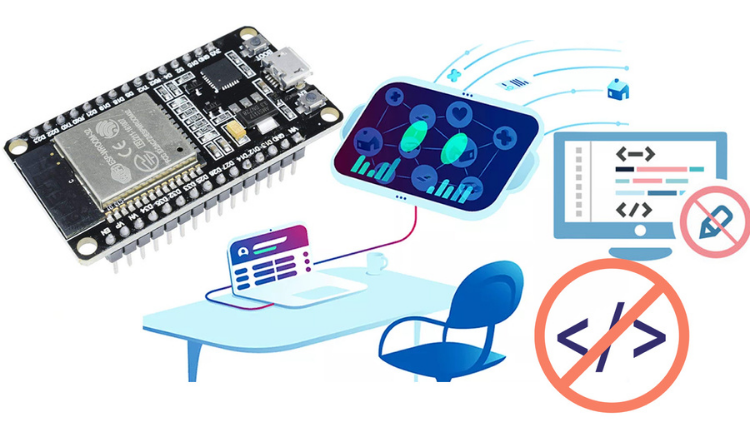
Program ESP32 Board without writing a single code in A Professional Environment
5.0
2小时 30分
18 节课
全部难度
免费

信息技术与软件 | 硬件
Revolutionize Your Coding Skills with Al: A Comprehensive Guide for Beginners
5.0
2小时
11 节课
全部难度
$10.99
$19.99

信息技术与软件 | 信息系统
Master ISO 27001: Achieve Certification, Build Security, and Ensure Compliance for Your Organization
5.0
1小时 30分
10 节课
初学者
$39.99
$54.99

信息技术与软件 | 获得治理、风险与合规认证 (CGRC)
Master GRC: Step-by-Step Guide to Implementing Governance, Risk, and Compliance for Business Success
5.0
2小时 30分
35 节课
中间的
$39.99
$64.99

信息技术与软件 | Arduino
Seamlessly Stream and Visualize Real-Time Data from Arduino into Excel with Ease
5.0
1小时 30分
6 节课
全部难度
$9.99
$34.99

信息技术与软件 | 其他 IT 和软件
Learn how to create and customize a website with no prior coding experience.
5.0
1小时 30分
12 节课
全部难度
$9.99
$19.99
Frequently Bought Together
Learners who enrolled in this course also frequently purchased these complementary courses together.
7-Day Money Back Guarantee for all bundle items
Total price for selected items:
$115.98
$144.97
常见问题解答
查找有关本课程的最常见问题的答案。
是的! 100% 完成课程讲座和作业后,您可以立即直接从您的 Lucebra 个人资料下载经过验证的数字结业证书。
探索更多 Technology 内容
通过权威认证证书、精选电子书和实时互动直播课程拓展您的学习之旅。