Lucebra
Lucebra Business
Teaching & Academics/Science/Biology

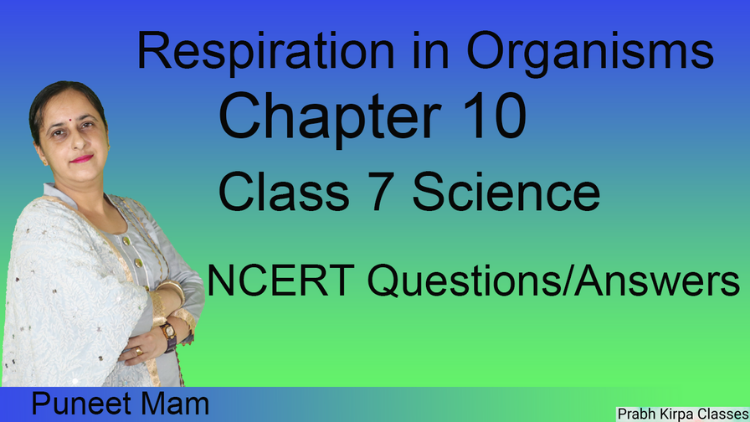
Respiration in Organisms Chapter 10 Class 7 Science

Organizmalarda Solunum Bölüm 10 Sınıf 7 Bilim

All Levels • 5 Lectures • Full Lifetime Access
Prabh Kirpa Classes

Verified Master Instructor

Organizmalarda Solunum Bölüm 10 Sınıf 7 Bilim
TRAILER
Meet your instructor: Prabh Kirpa Classes

19 ms

5.0 / 5.0
Global Rating
2
Active Students
English (US)
99 Languages Subtitles
33m
Total Content

What you will learn

1. Neden bir atlet yarışı bitirdikten sonra normalden daha hızlı ve derin nefes alır?
2. Aerobik ve anaerobik solunum arasındaki benzerlikler ve farklılıklar nelerdir. 3. Neden çok miktarda toz içeren havayı soluduğumuzda sık sık hapşırıyoruz?
4. Ağır egzersiz sırasında bacaklarımızda kramp oluşması nedeniyle hangi madde birikir?
5. Dağcılar neden yanlarında oksijen taşır? vb.

Course Content

2 sections • 5 lectures • 00:33:47 total length

Introduction

03:25

Q.1. Why does an athlete breathe faster and deeper than usual after finishing the race?

Q.2. List the similarities and differences between aerobic and anaerobic respiration.

Q.3.. Why do we often sneeze when we inhale a lot of dust-laden air?

Q.4. Take three test-tubes. Fill ¾th of each with water. Label them A, B and C. Keep a snail in test-tube A, a water plant in test-tube B and in C, keep snail and plant both. Which test-tube would have the highest concentration of CO2?

Q.5.Tick the correct answer:

(a) In cockroaches, air enters the body through

(i) lungs (ii) gills (iii) spiracles (iv) skin

(b) During heavy exercise, we get cramps in the legs due to the accumulation of

(i)carbon dioxide (ii) lactic acid (iii) alcohol (iv) water

( c ) Normal range of breathing rate per minute in an average adult person at rest is:

(i) 9–12 (ii) 15–18 (iii) 21–24 (iv) 30–33

(d) During exhalation, the ribs

(i) move outwards (ii) move downwards

(iii) move upwards (iv) do not move at all

Q.6. Match the items in Column I with those in Column II:

Column I Column II

(a) Yeast (i) Earthworm

(b) Diaphragm (ii) Gills

(c) Skin (iii) Alcohol

(d) Leaves (iv) Chest cavity

(e) Fish (v) Stomata

(f) Frog (vi) Lungs and skin

(vii) Tracheae

Q.7. Mark ‘T’ if the statement is true and ‘F’ if it is false:

(i) During heavy exercise the breathing rate of a person slows down. (T/F)

(ii) Plants carry out photosynthesis only during the day and respiration only at night. (T/F)

(iii) Frogs breathe through their skins as well as their lungs.(T/F)

(iv) The fishes have lungs for respiration. (T/F)

(v) The size of the chest cavity increases during inhalation. (T/F)

Q. 8. Given below is a square of letters in which are hidden different words related to respiration in organisms. These words may be present in any direction — upwards, downwards, or along the diagonals.

Find the words for your respiratory system. Clues about those words are given below the square.

Q. 9. The mountaineers carry oxygen with them because:

(a) At an altitude of more than 5 km there is no air

(b) The amount of air available to a person is less than that available on the ground.

(c) The temperature of air is higher than that on the ground.

(d) The pressure of air is higher than that on the ground.
Respiration in Organisms NCERT Question No.1 to 3

08:09

Q.1. Why does an athlete breathe faster and deeper than usual after finishing the race?

Q.2. List the similarities and differences between aerobic and anaerobic respiration.

Q.3.. Why do we often sneeze when we inhale a lot of dust-laden air?

Respiration in Organisms NCERT Questions No. 4 & 5

08:33

Q.4. Take three test-tubes. Fill ¾th of each with water. Label them A, B and C. Keep a snail in test-tube A, a water plant in test-tube B and in C, keep snail and plant both. Which test-tube would have the highest concentration of CO2?

Q.5.Tick the correct answer:

(a) In cockroaches, air enters the body through

(i) lungs (ii) gills (iii) spiracles (iv) skin

(b) During heavy exercise, we get cramps in the legs due to the accumulation of

(i)carbon dioxide (ii) lactic acid (iii) alcohol (iv) water

( c ) Normal range of breathing rate per minute in an average adult person at rest is:

(i) 9–12 (ii) 15–18 (iii) 21–24 (iv) 30–33

(d) During exhalation, the ribs

(i) move outwards (ii) move downwards

(iii) move upwards (iv) do not move at all

Respiration in Organisms NCERT Questions No. 6 & 7

08:51

Q.6. Match the items in Column I with those in Column II:

Column I Column II

(a) Yeast (i) Earthworm

(b) Diaphragm (ii) Gills

(c) Skin (iii) Alcohol

(d) Leaves (iv) Chest cavity

(e) Fish (v) Stomata

(f) Frog (vi) Lungs and skin

(vii) Tracheae

Respiration in Organisms NCERT Questions No. 8 & 9

04:46

Q. 8. Given below is a square of letters in which are hidden different words related to respiration in organisms. These words may be present in any direction — upwards, downwards, or along the diagonals.

Find the words for your respiratory system. Clues about those words are given below the square.

Q. 9. The mountaineers carry oxygen with them because:

(a) At an altitude of more than 5 km there is no air

(b) The amount of air available to a person is less than that available on the ground.

(c) The temperature of air is higher than that on the ground.

(d) The pressure of air is higher than that on the ground.
Weekly Study Plan
Plan Your Learning Journey
AI generates a personalized schedule based on your availability

Requirements

Gereksinimler: Yok

Target Audience

Respiration in organisms Class 7 Science

About this course

S.1. Neden bir atlet yarışı bitirdikten sonra normalden daha hızlı ve derin nefes alır?

S.2. Aerobik ve anaerobik solunum arasındaki benzerlikleri ve farklılıkları listeleyin.

S.3. Neden çok miktarda toz içeren havayı soluduğumuzda sık sık hapşırıyoruz?

S.4. Üç test tüpü alın. Her birini ¾ oranında su ile doldurun. Onlara A, B ve C etiketlerini verin. Test tüpü A'ya bir salyangoz, B'ye bir su bitkisi, C'ye hem salyangoz hem de bitkiyi koyun. Hangi test tüpünde CO2 konsantrasyonu en yüksek olur?

S.5. Doğru cevabı işaretleyin:

(a) Hamamböceklerinde hava vücuda girer

(i) akciğerler (ii) solungaçlar (iii) spiraküller (iv) deri

(b) Ağır egzersiz sırasında bacaklarımızda kramp oluşması nedeniyle

(i) karbon dioksit (ii) laktik asit (iii) alkol (iv) su

(c) Ortalama bir yetişkin kişinin dinlenme durumundaki normal nefes alma hızı dakikada:

(i) 9–12 (ii) 15–18 (iii) 21–24 (iv) 30–33

(d) Solunum sırasında kaburgalar

(i) dışa doğru hareket eder (ii) aşağı doğru hareket eder

(iii) yukarı doğru hareket eder (iv) hiç hareket etmez

S.6. Sütun I'deki maddeleri Sütun II'deki maddelerle eşleştirin:

Sütun I        Sütun II

(a) Maya        (i) Toprak solucanı

(b) Diyafram   (ii) Solungaçlar

(c) Deri         (iii) Alkol

(d) Yapraklar       (iv) Göğüs boşluğu

(e) Balık         (v) Stomalar

(f) Kurbağa         (vi) Akciğerler ve deri

                   (vii) Trakealar

S.7. Eğer cümle doğruysa 'D' işaretini, yanlışsa 'Y' işaretini koyun:

(i) Ağır egzersiz sırasında bir kişinin nefes alma hızı yavaşlar. (D/Y)

(ii) Bitkiler sadece gündüz fotosentez yapar ve gece solunum yapar. (D/Y)

(iii) Kurbağalar derileri ve akciğerleri ile solur. (D/Y)

(iv) Balıkların solunum için akciğerleri vardır. (D/Y)

(v) Solunum sırasında göğüs boşluğunun boyutu artar. (D/Y)

S. 8. Aşağıda, organizmalarda solunumla ilgili farklı kelimelerin gizlendiği bir harf karesi verilmiştir. Bu kelimeler herhangi bir yönde — yukarı, aşağı veya çapraz olarak bulunabilir.

Solunum sisteminizle ilgili kelimeleri bulun. Cl

Meet your instructor
Prabh Kirpa Classes
5.0 Rating
63 Students
View Full Profile
Prabh Kirpa Classes
Main Instructor
Educator
This channel is purely education based. Our aim is to ensure that the students are able to understand each and every question in an easy way. We take pride in providing quality educational services to the students of Class VII to Class XI Science NCERT, English, Computer solutions, Mathematics, Business Studies & Economics. Our goal is to help the leaders of tomorrow to learn to succeed today....
More Courses by
Prabh Kirpa Classes

Students also bought

Learners who viewed this course also enrolled in these top-rated courses

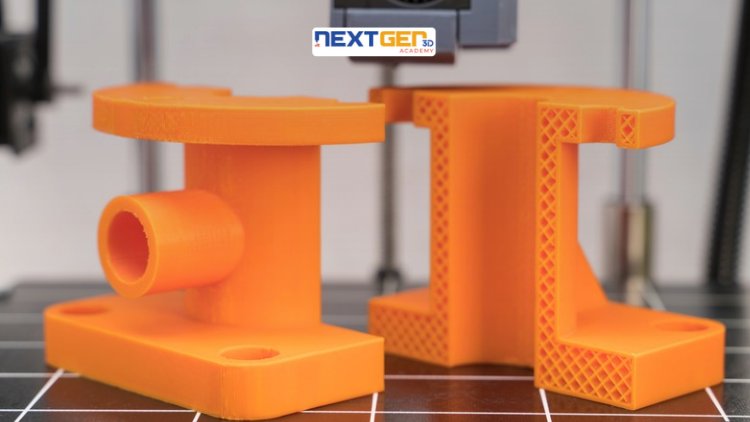
3D Printing Failure Analysis: Root Cause & Diagnostics Masterclass
Teaching & Academics | Engineering

Unlock the world of 3D printing and product creation with a hands-on, industry-focused course designed to turn your ideas into reality. Whether you’re an engineer, designer, technician Masterclass.

5.0
3h
19 lectures
Intermediate
$12.99
Probability Beyond the Basics: Part 1
Teaching & Academics | Math

Taking Your Mastery of Probability to the Next Level

5.0
1h 30m
6 lectures
All
$9.99

$19.99

Beyond Basics: Calculating Cone Surface Area with Precision
Teaching & Academics | Math

Advanced Formulas and Strategies for Cone Surface Area Determination

5.0
1h
10 lectures
All
$19.99
Future Tense
FREE
Teaching & Academics | English Grammar

FUTURE TENSE

5.0
2h
4 lectures
All
June 2026 Current Affairs Complete Revision Course
Teaching & Academics | Current Affairs

Master all important Current Affairs from June 1–30, 2026 with daily video lectures, MCQs, exam-oriented explanations an

5.0
8h 30m
29 lectures
Beginner
$29.99

$39.99

Bar Graphs Unveiled: A Comprehensive Introduction
Teaching & Academics | Math

Unlocking the Power of Bar Charts for Effective Data Communication

5.0
1h
5 lectures
All
$14.99

$19.99

Frequently Asked Questions

Find answers to the most common questions about this course.

Yes! Upon completing 100% of the course lectures and assignments, you can instantly download your verified digital Certificate of Completion directly from your Lucebra profile.

Explore More in Technology

Expand your learning journey with accredited certificates, related digital books, and live interactive classes.