
Vibe coding, involving AI-generated code, fundamentally challenges traditional concepts of copyright and intellectual property rights by raising questions about authorship when code is produced by artificial intelligence rather than humans. This shift necessitates a reevaluation of current legal frameworks governing software licensing and copyright, to balance the protection of creators' rights with the promotion of innovation and collaboration in the software development community.
Yapay Zeka ve Yazılımda Fikri Mülkiyet Hukuku Konusunda Uzmanlaşın: Vibe Kodlama Çağına Hakim Olun
Nawigacja w przyszłości technologii: własność intelektualna w AI i oprogramowaniu, obejmująca kodowanie Vibe, etykę AI i globalne prawo własności intelektualnej
Tüm Seviyeler • 100 Ders • Ömür Boyu Erişim
Doğrulanmış Usta Eğitmen

FRAGMAN
Eğitmeninizle tanışın: Peter Alkema
19 ms
5.0 / 5.0
Genel Değerlendirme1
Aktif ÖğrenciAmerikan İngilizcesi
99 Dilde Altyazı5 saat 44 dk
Toplam İçerikNeler Öğreneceksiniz
1. Zdefiniowanie koncepcji praw własności intelektualnej w oprogramowaniu.
2. Wyjaśnienie historycznej ewolucji praw autorskich do oprogramowania.
3. Identyfikowanie koncepcji autorstwa w rozwoju oprogramowania.
4. Opisanie wpływu kodowania Vibe na praktyki prawne.
Kurs İçeriği
20 bölüm • 100 ders • 05:44:12 toplam süreDefining Vibe Coding and Its Technological Underpinnings
03:46
Vibe coding revolutionizes human-computer interaction by developing software and algorithms capable of understanding and adapting to human emotions, preferences, and behaviors, utilizing AI, machine learning, and sensor technology. This innovation not only offers personalized user experiences across various sectors but also raises important considerations regarding privacy, data security, and ethical technology use.
Defining Vibe Coding and Its Technological Underpinnings
PDF
İndirmek
Challenges of Attributing Authorship in Vibe Coding
03:19
Vibe coding, which involves collaboration between humans and artificial intelligence in software development, challenges traditional concepts of authorship and intellectual property rights. This technological innovation necessitates a reevaluation of laws and licensing models to accommodate the collaborative nature of human and AI contributions, impacting everything from open-source to proprietary software.
Challenges of Attributing Authorship in Vibe Coding
PDF
İndirmek
AI-generated Code vs. Human-Created Code: A Legal Perspective
03:12
The emergence of AI-generated code poses novel challenges to traditional copyright laws, questioning the notions of authorship and ownership in the realm of software development. Legal experts, policymakers, and technologists must collaborate to adapt legal frameworks to accommodate both human-created and AI-generated code, ensuring innovation and intellectual property rights are protected in this new digital age.
AI-generated Code vs. Human-Created Code: A Legal Perspective
PDF
İndirmek
Copyrightability of AI-generated Software Code
03:20
The intersection of artificial intelligence and software development, specifically through AI-generated software code, presents new challenges and opportunities for intellectual property and licensing, questioning traditional notions of authorship and copyright protection. As AI continues to influence software creation, it prompts a reevaluation of legal frameworks to balance innovation with the rights and interests of all stakeholders in the tech and legal communities.
Copyrightability of AI-generated Software Code
PDF
İndirmek
Case Studies: Legal Disputes Involving AI Coding
03:28
The emergence of vibe coding, which utilizes artificial intelligence to generate or suggest code, introduces significant legal challenges in determining copyright ownership when contributions are made by both humans and AI. This innovative coding approach necessitates the development of new intellectual property laws and licensing models to accommodate the intertwined contributions of human and machine, balancing the protection of creators' rights with the promotion of innovation and collaboration in software development.
Case Studies: Legal Disputes Involving AI Coding
PDF
İndirmek
Basics of Software Licensing: An Overview
02:59
Software licensing is a legal framework that dictates the use and distribution of software, serving as a contract between the creator or publisher and the user to outline usage rights and protect intellectual property. It encompasses various types of licenses, including open-source, proprietary, and enterprise agreements, each defining specific rights, limitations, and responsibilities to prevent piracy and foster innovation while accommodating personal and commercial use.
Open Source Licensing in the Context of Vibe Coding
03:09
The emergence of vibe coding, which integrates artificial intelligence with coding, presents new challenges and opportunities for open source licensing, especially regarding authorship and contribution when AI generates or modifies code. Addressing these challenges requires adapting or creating new licensing frameworks that maintain the open source principles of collaboration, transparency, and freedom, while recognizing both human and AI contributions.
Implications of Vibe Coding for Software Licensing Models
03:45
Vibe coding, powered by AI to generate software based on inputs and vibes, is challenging traditional intellectual property and licensing models by blurring the lines of authorship. This technological advancement necessitates a reevaluation of legal frameworks to address the ownership and rights of AI-generated code, potentially transforming software development and distribution.
Proprietary Software Licensing and AI-generated Code
03:30
The intersection of proprietary software licensing and AI-generated code presents new challenges and opportunities in defining authorship, ownership, and the applicability of existing intellectual property laws in the digital age. As AI's role in code generation grows, companies, legal professionals, and policymakers are exploring new licensing models and legal frameworks to ensure that innovation continues in a way that respects intellectual property rights and promotes fair use.
Evaluating Licensing Agreements for AI-Generated Software
03:44
Today's lesson explores the complex interplay between vibe coding—a creative and intuitive approach to programming—and the challenges it poses to traditional intellectual property and licensing frameworks, particularly in the context of AI-generated code. It underscores the necessity of reevaluating and adapting legal structures to address the evolving landscape of software development and ownership in the age of artificial intelligence.
Basics of Software Licensing: An Overview
PDF
İndirmek
Implications of Vibe Coding for Software Licensing Models
PDF
İndirmek
Open Source Licensing in the Context of Vibe Coding
PDF
İndirmek
Proprietary Software Licensing and AI-generated Code
PDF
İndirmek
Evaluating Licensing Agreements for AI-Generated Software
PDF
İndirmek
Haftalık Çalışma Planı
Öğrenme Yolculuğunuzu Planlayın
Yapay zeka, müsaitliğinize göre kişisel bir program oluşturur5 saat/hafta
Gereksinimler
1. Nie ma wymagań ani wstępnych warunków dla tego kursu, ale poniższe pozycje są przewodnikiem do przydatnej wiedzy wstępnej, która zwiększy wartość i korzyści z tego kursu.
2. Podstawowe zrozumienie procesów i metodologii rozwoju oprogramowania.
3. Znajomość ogólnych zasad prawa własności intelektualnej.
4. Zainteresowanie skrzyżowaniem technologii, prawa i sztucznej inteligencji.
Hedef Kitle
1. Software developers interested in incorporating AI into their coding practices.
2. Intellectual property lawyers specializing in technology and digital rights.
3. Technology entrepreneurs exploring new AI-driven business models.
4. Open-source contributors looking to understand the impact of AI on collaborative projects.
Bu kurs hakkında
W erze, gdzie technologia nie tylko uzupełnia, ale często wyprzedza przedsięwzięcia biznesowe i kreatywne, skrzyżowanie prawa własności intelektualnej (IP) i rozwoju oprogramowania nigdy nie było bardziej kluczowe. W przejściu do cyfrowego świata, zasady zaangażowania dla twórców, programistów i wynalazców są przepisywane. Czy kiedykolwiek zastanawiałeś się nad znaczeniem prawnego szkieletu innowacji? Lub jak ewoluujący krajobraz sztucznej inteligencji (AI) pasuje do istniejących ram prawnych IP lub je wyzywa? Jeśli te pytania budzą ciekawość lub rezonują z twoją profesjonalną podróżą, to trafiłeś na niezrównaną okazję do nauki.
Jesteśmy zespołem doświadczonych ekspertów w dziedzinie prawa własności intelektualnej, doświadczonych programistów i oddanych edukatorów. Nasze wspólne doświadczenie obejmuje projektowanie solidnych strategii własności intelektualnej dla międzynarodowych korporacji, nawigację w złożonych procesach sądowych dotyczących własności intelektualnej i pionierskie projekty rozwoju oprogramowania, które przesunęły granice technologii. Dzięki dziesięcioleciam połączonego doświadczenia, sami byliśmy świadkami przekształcającej mocy efektywnego wykorzystywania praw własności intelektualnej w technologii oraz wyzwań, które się z tym wiążą. Nasza motywacja do dzielenia się naszą wiedzą wynika z wspólnego przekonania: zrozumienie praw własności intelektualnej nie jest tylko dla ekspertów prawnych—jest niezbędne dla każdego, kto wchodzi w świat rozwoju oprogramowania i innowacji technologicznych.
Dlaczego ten kurs jest dziś istotny? W miarę jak technologia szybko się rozwija, tak samo zmienia się krajobraz prawa własności intelektualnej. Sztuczna inteligencja, blockchain i inne nowoczesne technologie nie tylko kształtują nasz świat; przerysowują granice tego, co można posiadać, opatentować lub objąć prawem autorskim. W tej cyfrowej erze wartość oprogramowania i innowacji cyfrowych jest bezprecedensowa. Jednakże nawigacja w skomplikowanym państwie praw własności intelektualnej, zrozumienie praw autorskich, patentowalności, tajemnic handlowych i nawigacja w terenie AI-generowanej treści to wyzwania, z jakimi codziennie borykają się twórcy i innowatorzy. Ten kurs ma na celu ujawnienie złożoności prawa własności intelektualnej ze szczególnym uwzględnieniem rozwoju oprogramowania i AI, zapewniając, że jesteś wyposażony w wiedzę, aby chronić i skorzystać z twoich kreacji.
Przez cały ten kompleksowy kurs poprowadzimy Cię przez immersyjną podróż w głąb własności intelektualnej w dziedzinie rozwoju oprogramowania. Od historycznej ewolucji praw autorskich do oprogramowania po awangardowe królestwo kodowania Vibe, podwaliny
Kariyer Fırsatları ve Hedef Pozisyonlar
Uygulamalı ve işe hazır beceriler kazanarak küresel ölçekte aranan pozisyonlara başvurun
İşe Hazır Müfredat
Başvurabileceğiniz Hedef Pozisyonlar
AI Solutions Engineer
Applied Generative AI Specialist
LLM & Prompt Architecture Consultant
AI Automation & Workflow Lead
Tahmini Yıllık Maaş
$105,000 – $165,000 / yr
Küresel Sektör Talebi
Fastest Growing Worldwide (#1)
Kazanacağınız Temel Beceriler* Tahminler küresel teknoloji istihdam ölçütlerine ve sektör maaş raporlarına dayanmaktadır.
Applied Generative AI Architecture
Model Fine-Tuning & Evaluation
Vector Databases & RAG Workflows
Autonomous AI Agent Orchestration
Eğitmeninizle Tanışın
Peter Alkema
Baş Eğitmen
Business | Technology | Self Development
"What an amazing course! After finishing this course, I have confidence. Thank so much Dr Peter Alkema" ... "This is exactly the jump-start I needed. Very clear and concise"
I lead Digital Transformation & Architecture at ABB and I've been featured on CNBC Africa and won the Gartner CIO Of The Year in 2016. I founded and led the largest banking hackathon in South Africa which was published in 2019 as a case study by Harvard Business School.
I've taught over 100,000 students about technology, business, academics and self-development. In 2020 I completed my PhD at Wits University In Johannesburg. The study introduced a ground-breaking theory of Agile software development teams. My woodworking book was published in 2014 and has sold over 10,000 copies.
Olugbenga Gbadegesin: "Excellent delivery" / Lebogang Tswelapele: "This is what I have been longing for" / Paskalia Ndapandula: "Peter speaks with so much clarity" / Amantle Mangwedi: "It was straight to the point and the sections are cut into nice short segments which made it easier to go through" Kathy Bermudez: "Excellent material. Well organized..."
Werner van Wyk: "Thank you Peter, once again your lesson and course have given me so much knowledge and understanding" / Yvonne Rudolph "I really look forward to take everything i learned in action" / Josephine Mahlangu: "exactly what I needed to know, absolutely valuable and helpful for my personal growth"...
Eğitmenin Diğer Kursları:
Peter AlkemaÖğrenciler de satın aldı
Bu kursu görüntüleyen öğrenciler aynı zamanda bu en yüksek puan alan kurslara da kaydoldular
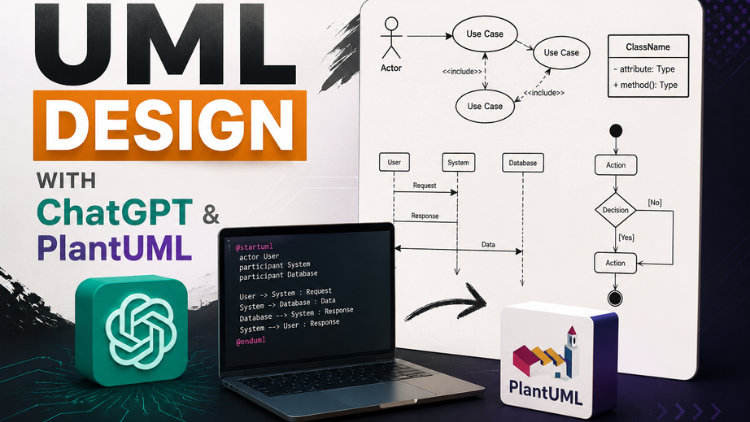
Yazılım Geliştirme | Birleşik Modelleme Dili (UML)
Learn UML design faster with ChatGPT and PlantUML automation.
5.0
1 saat 30 dk
20 ders
Orta Seviye
$19.99
$24.99
Yazılım Geliştirme | Yapay Zeka (AI)
Compare and master the leading AI chatbots with hands-on tutorials and expert tips for effective use
5.0
1 saat
20 ders
Tüm
$12.99
$54.99

Yazılım Geliştirme | C++ (programlama dili)
Master C# Basics in no Time - A Comprehensive Course Packed with Examples, tips and exercises!
5.0
2 saat 30 dk
17 ders
Tüm
$19.99
Yazılım Geliştirme | SohbetGPT
ChatGPT for Beginners: Use ChatGPT to WIN in your CAREER as a professional or Make a Business Using ChatGPT OpenAI!
5.0
3 saat
37 ders
Tüm
$24.99

Yazılım Geliştirme | SQL Sunucusu
Become an Expert at Microsoft SQL! By writing SQL queries for Data Analytics and Data Science base concepts
5.0
6 saat 30 dk
87 ders
Tüm
$9.99
$39.99
Yazılım Geliştirme | Python
Master Python Fundamentals in Telugu – Variables, Loops, Functions, OOPs, Projects and More with Practical Examples
5.0
9 saat 30 dk
90 ders
Tüm
$44.99
$74.99
Birlikte Sıkça Alınan Kurslar
Bu kursa kayıt olan öğrencilerin sıklıkla birlikte satın aldığı tamamlayıcı eğitimler paketi.
7 Günlük Para İade Garantisi
Seçilen ürünlerin toplam fiyatı:
$115.98
$144.97
Sıkça Sorulan Sorular
Bu kursla ilgili en sık sorulan soruların yanıtlarını bulun.
Evet! Kurs derslerinin ve ödevlerinin %100'ünü tamamladıktan sonra, doğrulanmış dijital Bitirme Sertifikanızı doğrudan Lucebra profilinizden anında indirebilirsiniz.
Technology Alanında Daha Fazlasını Keşfedin
Akredite sertifikalar, ilgili dijital kitaplar ve canlı derslerle öğrenme yolculuğunuzu genişletin.