Lucebra
Lucebra 企業版
教學與學術/其他教學和學術

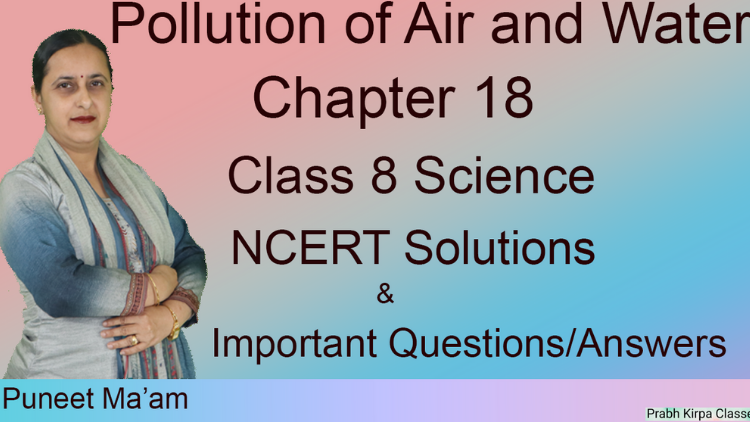
Ô nhiễm Không khí và Nước

Ô nhiễm Không khí và Nước - Ý nghĩa, Nguyên nhân, Phòng chống, Sự nóng lên toàn cầu, Hiệu ứng nhà kính, SPM

所有級別 • 5 講座 • 終身訪問
Prabh Kirpa Classes

認證碩士導師

Ô nhiễm Không khí và Nước
拖車
認識您的導師:Prabh Kirpa Classes

19 ms

5.0 / 5.0
全球評級
1
活躍的學生
美国英语
99 種語言字幕
56分
總內容

你將學到什麼

Tìm hiểu về ô nhiễm không khí là gì?
Tìm hiểu về ô nhiễm nước là gì?
Những nguyên nhân chính của ô nhiễm không khí là gì và những bước nào có thể được thực hiện để giảm ô nhiễm không khí?
Những nguyên nhân chính của ô nhiễm nước là gì và những bước nào có thể được thực hiện để giảm ô nhiễm nước?

課程內容

5 部分 • 5 講座 • 00:56:01 總長度

Introduction

06:27

Q.1. What are the different ways in which water gets contaminated?

Q.2. : At an individual level, how can you help to reduce air pollution?

Q.3. Clear, transparent water is always fit for drinking. Comment.

Q.4. You are a member of the municipal body of your town. Make a list of measures that would help your town to ensure the supply of clean water to all its residents.

Q.5. Explain the differences between pure air and polluted air.

Q.6. Explain circumstances leading to acid rain. How does acid rain affect us?

Q.7. Which of the following is not a greenhouse gas?

(a) Carbon dioxide (b) Sulphur dioxide (c) Methane (d) Nitrogen

Q.8. Describe the ‘Green House Effect’ in your own words.

Q.9. Prepare a brief speech on global warming.

Q.10. Describe the threat to the beauty of the Taj Mahal.

Q.11. Why does the increased level of nutrients in the water affect the survival of aquatic organisms?

Important questions :

Q.1. What are the 3Rs of water conservation?

Q.2. The level of air pollution is higher at busy traffic intersections. Why?

Q.3. What do CFCs stand for? Name some devices where CFCs are used. Why CFCs are considered as pollutants?

Q.4. A gas X is present in the stratosphere that prevents ultraviolet radiations of the sun from reaching the earth. Name the gas.

Q.5. Combustion of fossil fuels generates a lot of air pollution. Name two alternative sources of energy which do not cause any pollution.

Q.6. Burning dry leaves causes air pollution. What should be done to dispose off the dry leaves?

Q.7. Hot water can also be a pollutant. Explain how?

Q.8. Name any two sources which cause air pollution due to Suspended Particulate Matter (SPM).

Q.9. What is ozone layer? What will happen if the ozone cover of the atmosphere is removed?

Q.10:- Why we should plant trees and nurture the ones already present in the neighborhood?

Q. 11 :- Write short note on Ganga Action plan. Also list some reasons for pollution in the river Ganga.

Q.12 :- What is meant by chlorination?

Q.13:- What are the traditional ways of purifying water to make it fit for drinking?

Q.14:- Name the types of water pollutants.

Q.15:- Which are the various sources that pollute water?

Q.16:- Is smog an air pollutant?

Q.17 :- The use of excessive fertilizers and pesticides leads to the deficiency of an important substance in water. Name the substance.

Q.18:- Trees help in reducing pollution of our environment. A large number of trees are planted by the people in the month of July every year. This occasion is called?

Q.19:- It is said ,”CO2 contributes to global warming.” Explain.

Q.20:- Air is a mixture of various gases. One of the gas is 21% part of the air and is essential for the survival of human beings. This gas is called?

Q.21:- Which of the following is not a source of air pollution?

i)Automobile exhaust ii) Windmill iii) Burning of firewood iv)Powerplant

Q.22 :- Ramesh wishes to contribute in reducing air pollution. Which vehicle should he use for going to school?

a)Car b) Autorickshaw c) School Bus d) Scooter

Q. 23. We can survive for sometime without air but we cannot survive even for a few minutes without food? Comment.

Q.24:- Carbon monoxide is produced by the complete burning of fuels such as coal, petrol, diesel. Comment.

Q.25:- The type of pollution which is likely to affect Taj Mahal in Agra to a greater extent is :-

a) Air pollution b) Water pollution c) soil pollution d) noise pollution

Q.26:- The Kyoto protocol is associated with?
Causes of water pollution, Reducing air pollution, Acid rain, Green House effect

24:11

Q.1. What are the different ways in which water gets contaminated?

Q.2. : At an individual level, how can you help to reduce air pollution?

Q.3. Clear, transparent water is always fit for drinking. Comment.

Q.4. You are a member of the municipal body of your town. Make a list of measures that would help your town to ensure the supply of clean water to all its residents.

Q.5. Explain the differences between pure air and polluted air.

Q.6. Explain circumstances leading to acid rain. How does acid rain affect us?

Q.7. Which of the following is not a greenhouse gas?

(a) Carbon dioxide (b) Sulphur dioxide (c) Methane (d) Nitrogen

Q.8. Describe the ‘Green House Effect’ in your own words.

Q.9. Prepare a brief speech on global warming.

Q.10. Describe the threat to the beauty of the Taj Mahal.

Q.11. Why does the increased level of nutrients in the water affect the survival of aquatic organisms?

3Rs of water conservation, CFCs, Disposing dry leaves, hot water is a pollutant

09:39

Q.1. What are the 3Rs of water conservation?

Q.2. The level of air pollution is higher at busy traffic intersections. Why?

Q.3. What do CFCs stand for? Name some devices where CFCs are used. Why CFCs are considered as pollutants?

Q.4. A gas X is present in the stratosphere that prevents ultraviolet radiations of the sun from reaching the earth. Name the gas.

Q.5. Combustion of fossil fuels generates a lot of air pollution. Name two alternative sources of energy which do not cause any pollution.

Q.6. Burning dry leaves causes air pollution. What should be done to dispose off the dry leaves?

Q.7. Hot water can also be a pollutant. Explain how?

Q.8. Name any two sources which cause air pollution due to Suspended Particulate Matter (SPM).

每週學習計劃
規劃您的學習之旅
AI根據您的可用時間生成個人化時間表

要求

Không yêu cầu

目標受眾

Students who are interested in the topic - Pollution of Air and Water

關於本課程

Câu hỏi 1. Những cách nào mà nước bị ô nhiễm?

Câu hỏi 2. Ở cấp độ cá nhân, bạn có thể giúp giảm ô nhiễm không khí như thế nào?

Câu hỏi 3. Nước trong, trong suốt luôn phù hợp để uống. Bình luận.

Câu hỏi 4. Bạn là một thành viên của cơ quan đô thị của thị trấn của bạn. Lập một danh sách các biện pháp giúp thị trấn của bạn đảm bảo cung cấp nước sạch cho tất cả cư dân.

Câu hỏi 5. Giải thích sự khác biệt giữa không khí trong và không khí ô nhiễm.

Câu hỏi 6. Giải thích các hoàn cảnh dẫn đến mưa axit. Mưa axit ảnh hưởng đến chúng ta như thế nào?

Câu hỏi 7. Đâu là tác nhân không phải là khí nhà kính?

(a) Carbon dioxide (b) Sulphur dioxide (c) Methane (d) Nitrogen

Câu hỏi 8. Mô tả 'Hiệu ứng nhà kính' bằng lời của bạn.

Câu hỏi 9. Chuẩn bị một bài phát biểu ngắn về sự nóng lên toàn cầu.

Câu hỏi 10. Mô tả mối đe dọa đến vẻ đẹp của Taj Mahal.

Câu hỏi 11. Tại sao mức độ tăng của chất dinh dưỡng trong nước ảnh hưởng đến sự sống còn của các sinh vật thủy sinh?

Các câu hỏi quan trọng:

Câu hỏi 1. 3R của bảo tồn nước là gì?

Câu hỏi 2. Mức độ ô nhiễm không khí cao hơn ở các ngã tư giao thông bận rộn. Tại sao?

Câu hỏi 3. CFC là từ viết tắt của gì? Nêu tên một số thiết bị sử dụng CFC. Tại sao CFC được coi là chất gây ô nhiễm?

Câu hỏi 4. Một loại khí X có mặt trong tầng đối lưu ngăn chặn bức xạ tử ngoại của mặt trời từ đạt đến trái đất. Tên khí này là gì.

Câu hỏi 5. Việc đốt cháy nhiên liệu hóa thạch tạo ra rất nhiều ô nhiễm không khí. Nêu hai nguồn năng lượng thay thế không gây ô nhiễm nào đó.

Câu hỏi 6. Đốt cháy lá khô gây ô nhiễm không khí. Phải làm gì để xử lý lá khô?

Câu hỏi 7. Nước nóng cũng có thể là chất gây ô nhiễm. Giải thích làm thế nào?

Câu hỏi 8. Nêu tên bất kỳ hai nguồn nào gây ô nhiễm không khí do Vật chất Lơ lửng (SPM).

Câu hỏi 9. Tầng ozon là gì? Nếu lớp bao bọc ozon của khí quyển bị loại bỏ thì sẽ xảy ra điều gì?

Câu hỏi 10:- Tại sao chúng ta nên trồng cây và nuôi dưỡng những cây đã có trong khu phố?

Câu hỏi 11 :- Viết ghi chú ngắn về Kế hoạch Hành động Ganga. Cũng liệu một số lý do cho ô nhiễm ở sông Ganga.

Câu hỏi 12 :- Chlorination có ý nghĩa là gì?

Câu hỏi 13:- Những cách truyền thống để làm sạch nước để phù hợp để uống là gì?

Câu hỏi 14:- Nêu tên các loại chất gây ô nhiễm nước.

Câu hỏi 15:- Những nguồn nào gây ô nhiễm nước?

Câu hỏi 16:- Smog có phải là chất gây ô nhiễm không khí không?

Câu hỏi 17 :- Việc sử dụng phân bón và thuốc trừ sâu quá mức dẫn đến thiếu hụt một chất quan trọng trong nước

認識您的講師
Prabh Kirpa Classes
5.0 評級
63 學生
看完整資料
Prabh Kirpa Classes
主要導師
Educator
This channel is purely education based. Our aim is to ensure that the students are able to understand each and every question in an easy way. We take pride in providing quality educational services to the students of Class VII to Class XI Science NCERT, English, Computer solutions, Mathematics, Business Studies & Economics. Our goal is to help the leaders of tomorrow to learn to succeed today....
該講師的其他課程:
Prabh Kirpa Classes

學生也買了

查看此課程的學習者也註冊了這些評價最高的課程

3D Printing Failure Analysis: Root Cause & Diagnostics Masterclass
教學與學術 | 工程

Unlock the world of 3D printing and product creation with a hands-on, industry-focused course designed to turn your ideas into reality. Whether you’re an engineer, designer, technician Masterclass.

5.0
3小時
19 講座
中間的
$12.99
Probability Beyond the Basics: Part 1
教學與學術 | 數學

Taking Your Mastery of Probability to the Next Level

5.0
1小時 30分
6 講座
全部
$9.99

$19.99

Beyond Basics: Calculating Cone Surface Area with Precision
教學與學術 | 數學

Advanced Formulas and Strategies for Cone Surface Area Determination

5.0
1小時
10 講座
全部
$19.99
Future Tense
免費
教學與學術 | 英語文法

FUTURE TENSE

5.0
2小時
4 講座
全部
June 2026 Current Affairs Complete Revision Course
教學與學術 | 時事

Master all important Current Affairs from June 1–30, 2026 with daily video lectures, MCQs, exam-oriented explanations an

5.0
8小時 30分
29 講座
初學者
$29.99

$39.99

Bar Graphs Unveiled: A Comprehensive Introduction
教學與學術 | 數學

Unlocking the Power of Bar Charts for Effective Data Communication

5.0
1小時
5 講座
全部
$14.99

$19.99

常見問題解答

尋找有關本課程的最常見問題的答案。

是的! 100% 完成課程講座和作業後,您可以立即直接從您的 Lucebra 個人資料下載經過驗證的數位結業證書。

探索更多 Technology 內容

透過權威認證證書、精選電子書與即時互動直播課程拓展您的學習之旅。