
Active listening fosters respect and understanding during workplace conflicts by encouraging attentiveness, empathy, and open communication. By employing techniques such as paraphrasing, asking open-ended questions, and reflecting emotions, parties are better equipped to resolve disagreements constructively.
إتقان النزاعات في مكان العمل: الأنماط، الحلول، ومهارات القيادة
Kuasai Manajemen Konflik di Tempat Kerja dengan Keterampilan Komunikasi, Gaya Konflik, dan Kecerdasan Emosional untuk Sukses Kepemimpinan
جميع المستويات • 100 محاضرات • الوصول مدى الحياة
تم التحقق من المعلم الرئيسي

جَرَّار
تعرف على مدربك: Peter Alkema
19 ms
5.0 / 5.0
التقييم العالمي1
الطلاب النشطينالإنجليزية (الولايات المتحدة)
99 لغة ترجمة4 س 10 د
المحتوى الإجماليمتطلبات
Mengingat mitos umum tentang konflik di tempat kerja saat membahas perselisihan tim.
Menjelaskan perbedaan antara konflik berbasis tugas dan berbasis hubungan dalam rapat kelompok.
Mengenali tanda-tanda awal eskalasi konflik selama kolaborasi proyek.
Membandingkan gaya manajemen konflik utama saat meninjau skenario kantor nyata.
محتوى الدورة
20 الأقسام • 100 محاضرات • 04:10:43 الطول الإجماليTask-Based Conflict versus Relationship-Based Conflict Explained
02:26
Task-based conflict arises from disagreements about work-related issues such as goals or processes, while relationship-based conflict stems from personal issues like mistrust or communication styles. Recognizing the difference helps teams address disputes more effectively and maintain a healthier work environment.
Task-Based Conflict versus Relationship-Based Conflict Explained
PDF
تحميل
Role Conflicts and Ambiguity in Team and Individual Contexts
02:33
Role conflicts and ambiguity in the workplace often arise from unclear responsibilities, leading to confusion, stress, and reduced team morale. Clear communication, defined roles, and regular check-ins by managers are crucial for minimizing misunderstandings and fostering effective collaboration.
Role Conflicts and Ambiguity in Team and Individual Contexts
PDF
تحميل
Resource Scarcity as a Trigger for Team and Departmental Conflict
02:18
Resource scarcity often triggers conflict within teams and departments by fostering competition and mistrust over limited assets. Clear communication, transparency, and collaborative problem-solving by leaders and team members can transform these challenges into opportunities for stronger teamwork.
Resource Scarcity as a Trigger for Team and Departmental Conflict
PDF
تحميل
Values, Beliefs, and Cultural Differences Causing Disagreements
02:35
Conflicts in the workplace often arise from differences in values, beliefs, and cultural backgrounds, which can affect communication and decision-making. Recognizing, understanding, and appreciating these differences helps teams resolve disagreements constructively and fosters a more inclusive organizational culture.
Values, Beliefs, and Cultural Differences Causing Disagreements
PDF
تحميل
Organizational Structure and Systemic Sources of Workplace Conflict
02:54
Organizational structure significantly influences how conflicts arise and develop in the workplace by impacting communication, decision-making, and power dynamics. Understanding these systemic sources of conflict enables leaders to address underlying issues and foster a more constructive and collaborative work environment.
Organizational Structure and Systemic Sources of Workplace Conflict
PDF
تحميل
Understanding the Nature of Workplace Conflict
03:15
Workplace conflict is a natural part of organizational life, offering both challenges and opportunities for growth when managed constructively. Recognizing the difference between constructive and destructive conflict allows individuals and organizations to foster innovation, effective solutions, and improved teamwork.
Understanding the Nature of Workplace Conflict
PDF
تحميل
Why Conflict is an Everyday Occurrence at Work
02:00
Conflict is a natural part of workplace life, arising from differences in perspectives, backgrounds, pressures, and communication styles. Recognizing conflict as routine allows teams to address issues openly and use disagreements as opportunities to improve collaboration and strengthen relationships.
Why Conflict is an Everyday Occurrence at Work
PDF
تحميل
Common Myths and Misconceptions about Workplace Disagreements
02:07
This lesson dispels common myths about workplace conflict, highlighting that disagreements can be healthy and productive when managed constructively. It emphasizes the importance of open communication, shared responsibility, and seeking collaborative solutions rather than avoidance or compromise alone.
Common Myths and Misconceptions about Workplace Disagreements
PDF
تحميل
Normalizing Conflict as a Vehicle for Progress and Growth
02:00
Conflict in the workplace, when approached openly and constructively, can drive innovation, strengthen relationships, and lead to better decision-making. Viewing conflict as an opportunity for growth empowers teams to address challenges proactively and continuously improve together.
Normalizing Conflict as a Vehicle for Progress and Growth
PDF
تحميل
Overview of the Constructive Conflict Management Approach
02:00
The constructive conflict management approach views conflict as a potential source of growth and encourages direct, respectful communication focused on underlying interests rather than entrenched positions. By prioritizing collaboration, emotional awareness, and clear dialogue, this approach helps teams transform disagreements into opportunities for stronger relationships and improved outcomes.
Overview of the Constructive Conflict Management Approach
PDF
تحميل
خطة الدراسة الأسبوعية
خطط رحلة تعلمك
الذكاء الاصطناعي ينشئ جدولاً مخصصاً بناءً على وقتك5 ساعة/أسبوع
الجمهور المستهدف
Tidak ada persyaratan atau pra-syarat untuk kursus ini, tetapi item-item yang tercantum di bawah ini adalah panduan untuk pengetahuan latar belakang yang berguna yang akan meningkatkan nilai dan manfaat kursus ini
Pemahaman dasar lingkungan tempat kerja atau organisasi (melalui pengalaman kerja, magang, atau observasi)
Keberatan untuk terlibat dalam refleksi diri dan diskusi grup yang konstruktif
Akses ke komputer atau perangkat mobile dengan konektivitas internet untuk partisipasi dalam materi dan aktivitas kursus online
لم يتم العثور على الدورة
New or aspiring managers seeking practical tools and strategies for handling workplace conflict confidently.
Human resources professionals aiming to strengthen organizational conflict management practices.
Team leaders and project coordinators in multicultural or cross-functional environments.
Employees experiencing frequent or recurring disputes in remote, hybrid, or in-person teams.
حول هذه الدورة
Konflik di tempat kerja adalah hal yang tak terhindarkan; tetapi ketika dikelola secara konstruktif, menjadi katalis inovasi, hubungan yang lebih kuat, dan kinerja yang lebih baik. Kursus komprehensif ini memperlengkapi para profesional dengan pengetahuan, alat, dan keterampilan kepemimpinan yang diperlukan untuk mengubah konflik dari sumber ketegangan menjadi kesempatan untuk pertumbuhan.
Dirancang untuk manajer, profesional HR, pemimpin tim, dan karyawan di semua industri, kursus ini mengeksplorasi spektrum penuh konflik di tempat kerja—dari kesalahpahaman awal hingga sengketa tekanan tinggi. Peserta mulai dengan memahami sifat konflik, mitos umum, dan perbedaan antara perselisihan konstruktif dan destruktif. Kursus ini meneliti konflik berbasis tugas versus berbasis hubungan, pola eskalasi, dan penyebab sistemik yang sering memicu ketegangan berulang.
Peserta memperoleh keterampilan praktis dalam menerapkan gaya manajemen konflik utama, termasuk kolaborasi, kompromi, akomodasi, kompetisi, dan penghindaran, dengan penggunaan praktis kerangka kerja Thomas-Kilmann. Penekanan kuat diberikan pada keterampilan komunikasi seperti mendengarkan aktif, parafrase, kesadaran emosional, dan teknik de-eskalasi. Peserta juga mengeksplorasi bagaimana dinamika kekuatan, perbedaan budaya, dan lingkungan kerja jarak jauh mempengaruhi ekspresi dan resolusi konflik.
Modul tingkat lanjut membahas teknik mediasi, strategi fasilitasi, pengembangan kebijakan, dan membangun kembali kepercayaan setelah sengketa. Studi kasus dunia nyata dan analisis skenario memungkinkan peserta menerapkan pendekatan terstruktur pada situasi kompleks, termasuk sengketa antar fungsi, tantangan tim hibrida, dan isu sensitif seperti bullying versus konflik.
Menjelang akhir kursus, peserta akan dengan percaya diri mendiagnosis sumber konflik, memilih strategi respons yang tepat, memfasilitasi percakapan sulit, dan berkontribusi pada budaya tempat kerja yang aman secara psikologis dan kolaboratif.
الفرص المهنية والأدوار الوظيفية المستهدفة
اكتسب مهارات عملية تؤهلك لوظائف مرموقة ومطلوبة في سوق العمل العالمي
منهاج مؤهل للتوظيف
الوظائف التي يمكنك التقدم إليها
Project Operations Lead (PMP/Agile)
Strategic Business Analyst
Product Operations Manager
Corporate Process Strategist
متوسط الراتب السنوي التقديري
$82,000 – $135,000 / yr
الطلب في السوق العالمي
Steady Enterprise & Corporate Demand
المهارات الأساسية التي ستتقنها* تقديرات مبنية على معايير التوظيف العالمية وتقارير الرواتب التقنية.
Agile & Waterfall Project Delivery
Financial Modeling & Cost Control
Cross-Functional Stakeholder Alignment
Process Optimization & KPI Tracking
تعرف على المدرب
Peter Alkema
المعلم الرئيسي
Business | Technology | Self Development
"What an amazing course! After finishing this course, I have confidence. Thank so much Dr Peter Alkema" ... "This is exactly the jump-start I needed. Very clear and concise"
I lead Digital Transformation & Architecture at ABB and I've been featured on CNBC Africa and won the Gartner CIO Of The Year in 2016. I founded and led the largest banking hackathon in South Africa which was published in 2019 as a case study by Harvard Business School.
I've taught over 100,000 students about technology, business, academics and self-development. In 2020 I completed my PhD at Wits University In Johannesburg. The study introduced a ground-breaking theory of Agile software development teams. My woodworking book was published in 2014 and has sold over 10,000 copies.
Olugbenga Gbadegesin: "Excellent delivery" / Lebogang Tswelapele: "This is what I have been longing for" / Paskalia Ndapandula: "Peter speaks with so much clarity" / Amantle Mangwedi: "It was straight to the point and the sections are cut into nice short segments which made it easier to go through" Kathy Bermudez: "Excellent material. Well organized..."
Werner van Wyk: "Thank you Peter, once again your lesson and course have given me so much knowledge and understanding" / Yvonne Rudolph "I really look forward to take everything i learned in action" / Josephine Mahlangu: "exactly what I needed to know, absolutely valuable and helpful for my personal growth"...
المزيد من دورات
Peter Alkemaاشترى الطلاب أيضا
المتعلمون الذين شاهدوا هذه الدورة التدريبية قاموا أيضًا بالتسجيل في هذه الدورات ذات التصنيف الأعلى

الأعمال والإدارة | المبيعات والتسويق
Bridge the gap between sales and marketing teams with proven strategies, collaborative frameworks, and real-world tools to drive unified business growth.
5.0
2 س
11 محاضرة
الكل
$10.99
$19.99

الأعمال والإدارة | إدارة البيئة
ISO 19011 Audit Planning, Evidence Gathering, Findings, Reporting & Certification | Clauses 4-10 Explained
5.0
4 س
58 محاضرة
متوسط
$54.99
$69.99

الأعمال والإدارة | التواصل المقنع
Master Persuasion: Ethical Influence, Effective Speaking, Storytelling, and Cross-Cultural Strategies for Success
5.0
5 س 30 د
99 محاضرة
الكل
$9.99
$29.99

الأعمال والإدارة | مهارات البيع
Discover proven sales & marketing secrets to master objections, psychology, and boost wealth & success.
5.0
2 س 30 د
4 محاضرة
مبتدئ
$29.99
$64.99

الأعمال والإدارة | تسويق المنتجات
Step-by-step guide to plan, market, and execute a successful product or service launch.
5.0
30 د
9 محاضرة
الكل
$10.99
$24.99
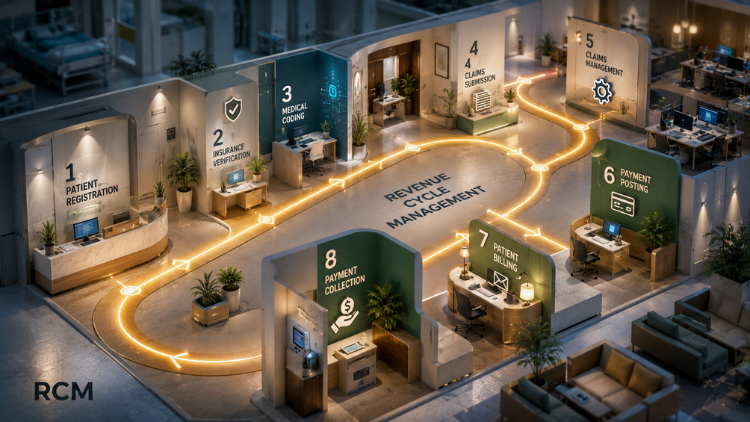
الأعمال والإدارة | إدارة دورة الإيرادات (RCM)
Patient Registration, Insurance Verification, Medical Coding, Billing, Claims & Denial Management Step by Step
5.0
2 س
23 محاضرة
متوسط
$19.99
Frequently Bought Together
Learners who enrolled in this course also frequently purchased these complementary courses together.
7-Day Money Back Guarantee for all bundle items
This course:
الأكثر مبيعاً
$84.99
Total price for selected items:
$139.98
$174.97
الأسئلة المتداولة
ابحث عن إجابات للأسئلة الأكثر شيوعًا حول هذه الدورة.
نعم! عند إكمال 100% من محاضرات الدورة ومهامها، يمكنك على الفور تنزيل شهادة الإنجاز الرقمية التي تم التحقق منها مباشرة من ملف تعريف Lucebra الخاص بك.
استكشف المزيد في التقنية
وسّع رحلتك التعليمية مع شهادات معتمدة وكتب إلكترونية ودروس تفاعلية مباشرة.