
Vibe coding, involving AI-generated code, fundamentally challenges traditional concepts of copyright and intellectual property rights by raising questions about authorship when code is produced by artificial intelligence rather than humans. This shift necessitates a reevaluation of current legal frameworks governing software licensing and copyright, to balance the protection of creators' rights with the promotion of innovation and collaboration in the software development community.
Meesterschap van IP-wetgeving in AI & Software: Navigeren in het Vibe Coding-tijdperk
Navigeer de Toekomst van Technologie: Intellectueel Eigendom in AI & Software, Bestrijkend Vibe Coding, AI-Ethiek en Wereldwijde IP-Wetgeving
সকল স্তর • 100 বক্তৃতা • আজীবন অ্যাক্সেস
যাচাইকৃত মাস্টার প্রশিক্ষক

ট্রেলার
আপনার প্রশিক্ষকের সাথে দেখা করুন: Peter Alkema
19 ms
5.0 / 5.0
গ্লোবাল রেটিং1
সক্রিয় ছাত্রইংরেজি (মার্কিন যুক্তরাষ্ট্র)
99টি ভাষার সাবটাইটেল5 ঘণ্টা 44 মি.
মোট বিষয়বস্তুযা শিখবেন
1. Definieer het concept van intellectuele eigendomsrechten in software.
2. Leg de historische evolutie van softwareauteursrechten uit.
3. Identificeer auteursconcepten in softwareontwikkeling.
4. Beschrijf de impact van vibe coding op wettelijke praktijken.
কোর্সের বিষয়বস্তু
20 বিভাগ • 100 বক্তৃতা • 05:44:12 মোট দৈর্ঘ্যDefining Vibe Coding and Its Technological Underpinnings
03:46
Vibe coding revolutionizes human-computer interaction by developing software and algorithms capable of understanding and adapting to human emotions, preferences, and behaviors, utilizing AI, machine learning, and sensor technology. This innovation not only offers personalized user experiences across various sectors but also raises important considerations regarding privacy, data security, and ethical technology use.
Defining Vibe Coding and Its Technological Underpinnings
PDF
ডাউনলোড করুন
Challenges of Attributing Authorship in Vibe Coding
03:19
Vibe coding, which involves collaboration between humans and artificial intelligence in software development, challenges traditional concepts of authorship and intellectual property rights. This technological innovation necessitates a reevaluation of laws and licensing models to accommodate the collaborative nature of human and AI contributions, impacting everything from open-source to proprietary software.
Challenges of Attributing Authorship in Vibe Coding
PDF
ডাউনলোড করুন
AI-generated Code vs. Human-Created Code: A Legal Perspective
03:12
The emergence of AI-generated code poses novel challenges to traditional copyright laws, questioning the notions of authorship and ownership in the realm of software development. Legal experts, policymakers, and technologists must collaborate to adapt legal frameworks to accommodate both human-created and AI-generated code, ensuring innovation and intellectual property rights are protected in this new digital age.
AI-generated Code vs. Human-Created Code: A Legal Perspective
PDF
ডাউনলোড করুন
Copyrightability of AI-generated Software Code
03:20
The intersection of artificial intelligence and software development, specifically through AI-generated software code, presents new challenges and opportunities for intellectual property and licensing, questioning traditional notions of authorship and copyright protection. As AI continues to influence software creation, it prompts a reevaluation of legal frameworks to balance innovation with the rights and interests of all stakeholders in the tech and legal communities.
Copyrightability of AI-generated Software Code
PDF
ডাউনলোড করুন
Case Studies: Legal Disputes Involving AI Coding
03:28
The emergence of vibe coding, which utilizes artificial intelligence to generate or suggest code, introduces significant legal challenges in determining copyright ownership when contributions are made by both humans and AI. This innovative coding approach necessitates the development of new intellectual property laws and licensing models to accommodate the intertwined contributions of human and machine, balancing the protection of creators' rights with the promotion of innovation and collaboration in software development.
Case Studies: Legal Disputes Involving AI Coding
PDF
ডাউনলোড করুন
Basics of Software Licensing: An Overview
02:59
Software licensing is a legal framework that dictates the use and distribution of software, serving as a contract between the creator or publisher and the user to outline usage rights and protect intellectual property. It encompasses various types of licenses, including open-source, proprietary, and enterprise agreements, each defining specific rights, limitations, and responsibilities to prevent piracy and foster innovation while accommodating personal and commercial use.
Open Source Licensing in the Context of Vibe Coding
03:09
The emergence of vibe coding, which integrates artificial intelligence with coding, presents new challenges and opportunities for open source licensing, especially regarding authorship and contribution when AI generates or modifies code. Addressing these challenges requires adapting or creating new licensing frameworks that maintain the open source principles of collaboration, transparency, and freedom, while recognizing both human and AI contributions.
Implications of Vibe Coding for Software Licensing Models
03:45
Vibe coding, powered by AI to generate software based on inputs and vibes, is challenging traditional intellectual property and licensing models by blurring the lines of authorship. This technological advancement necessitates a reevaluation of legal frameworks to address the ownership and rights of AI-generated code, potentially transforming software development and distribution.
Proprietary Software Licensing and AI-generated Code
03:30
The intersection of proprietary software licensing and AI-generated code presents new challenges and opportunities in defining authorship, ownership, and the applicability of existing intellectual property laws in the digital age. As AI's role in code generation grows, companies, legal professionals, and policymakers are exploring new licensing models and legal frameworks to ensure that innovation continues in a way that respects intellectual property rights and promotes fair use.
Evaluating Licensing Agreements for AI-Generated Software
03:44
Today's lesson explores the complex interplay between vibe coding—a creative and intuitive approach to programming—and the challenges it poses to traditional intellectual property and licensing frameworks, particularly in the context of AI-generated code. It underscores the necessity of reevaluating and adapting legal structures to address the evolving landscape of software development and ownership in the age of artificial intelligence.
Basics of Software Licensing: An Overview
PDF
ডাউনলোড করুন
Implications of Vibe Coding for Software Licensing Models
PDF
ডাউনলোড করুন
Open Source Licensing in the Context of Vibe Coding
PDF
ডাউনলোড করুন
Proprietary Software Licensing and AI-generated Code
PDF
ডাউনলোড করুন
Evaluating Licensing Agreements for AI-Generated Software
PDF
ডাউনলোড করুন
সাপ্তাহিক অধ্যয়ন পরিকল্পনা
আপনার শেখার যাত্রা পরিকল্পনা করুন
AI আপনার সময় অনুযায়ী ব্যক্তিগত সময়সূচী তৈরি করে5 ঘন্টা/সপ্তাহ
প্রয়োজনীয়তা
1. Er zijn geen vereisten of voorkennis voor deze cursus, maar de onderstaande items zijn een gids voor nuttige achtergrondkennis die de waarde en voordelen van deze cursus zal verhogen.
2. Basisbegrip van softwareontwikkelingsprocessen en -methodologieën.
3. Vertrouwdelijkheid met algemene principes van intellectueel eigendomsrecht.
4. Interesse in de kruising van technologie, wetgeving en kunstmatige intelligentie.
লক্ষ্য শ্রোতা
1. Software developers interested in incorporating AI into their coding practices.
2. Intellectual property lawyers specializing in technology and digital rights.
3. Technology entrepreneurs exploring new AI-driven business models.
4. Open-source contributors looking to understand the impact of AI on collaborative projects.
এই কোর্স সম্পর্কে
In een tijdperk waarin technologie niet alleen zaken en creatieve ondernemingen aanvult, maar vaak ook voorop loopt, is de kruising van intellectueel eigendom (IP) wetgeving en softwareontwikkeling nog nooit zo cruciaal geweest. Terwijl we overgaan naar een digitaal-eerste wereld, worden de regels voor makers, ontwikkelaars en uitvinders herschreven. Heb je ooit nagedacht over de omvang van de wettelijke onderbouwing van innovatie? Of hoe het evoluerende landschap van kunstmatige intelligentie (AI) past binnen of daagt bestaande IP-kaders uit? Als deze vragen nieuwsgierigheid wekken of resoneren met je professionele reis, dan ben je op een ongeëvenaarde leerkans geland.
We zijn een team van ervaren IP-wetgevingsexperts, doorgewinterde softwareontwikkelaars en toegewijde docenten. Onze collectieve ervaring strekt zich uit over het ontwerpen van robuuste IP-strategieën voor multinationale bedrijven, het navigeren door complexe IP-rechtszaken en het pionieren van softwareontwikkelingsprojecten die de grenzen van technologie hebben opgerekt. Met tientallen jaren aan gecombineerde expertise hebben we uit de eerste hand de transformatieve kracht van effectief gebruik van IP-wetten in technologie en de uitdagingen die daarmee gepaard gaan, gezien. Onze motivatie om onze kennis te delen komt voort uit een gedeelde overtuiging: het begrijpen van intellectuele eigendomsrechten is niet alleen voor juridische experts—het is essentieel voor iedereen die de wereld van softwareontwikkeling en technologie-innovatie instapt.
Waarom is deze cursus vandaag relevant? Terwijl technologie snel evolueert, doet het landschap van IP-wetgeving dat ook. Kunstmatige Intelligentie, blockchain en andere geavanceerde technologieën zijn niet alleen onze wereld aan het herschikken; ze trekken de grenzen van wat kan worden bezeten, gepatenteerd of auteursrechtelijk beschermd opnieuw. In dit digitale tijdperk is de waarde van software en digitale innovaties ongekend. Echter, het navigeren door het ingewikkelde web van IP-rechten, het begrijpen van auteursrechten, octrooieerbaarheid, bedrijfsgeheimen en het navigeren door het terrein van AI-gegenereerde inhoud zijn uitdagingen waarmee makers en innovators dagelijks worden geconfronteerd. Deze cursus heeft tot doel de complexiteit van IP-wetgeving te onthullen met een focus op softwareontwikkeling en AI, ervoor zorgen dat je uitgerust bent met de kennis om je creaties te beschermen en er profijt van te halen.
Gedurende deze uitgebreide cursus zullen we je leiden door een meeslepende reis in de diepten van intellectueel eigendom in het domein van softwareontwikkeling. Van de historische evolutie van softwareauteursrechten tot het avant-garde domein van vibe coding, de grondslagen van
ক্যারিয়ারের সুযোগ এবং লক্ষ্যযুক্ত কাজের পদ
ব্যবহারিক এবং কর্মোপযোগী দক্ষতা অর্জন করুন এবং বিশ্বব্যাপী শীর্ষস্থানীয় পদের জন্য আবেদন করুন
কাজের জন্য প্রস্তুত পাঠ্যক্রম
যেসব পদে আপনি আবেদন করতে পারেন
AI Solutions Engineer
Applied Generative AI Specialist
LLM & Prompt Architecture Consultant
AI Automation & Workflow Lead
আনুমানিক বার্ষিক বেতন
$105,000 – $165,000 / yr
বিশ্বব্যাপী শিল্পের চাহিদা
Fastest Growing Worldwide (#1)
যেসব মূল দক্ষতায় আপনি পারদর্শী হবেন* আনুমানিক তথ্য বিশ্বব্যাপী টেক নিয়োগের মানদণ্ড এবং বেতন প্রতিবেদনের উপর ভিত্তি করে।
Applied Generative AI Architecture
Model Fine-Tuning & Evaluation
Vector Databases & RAG Workflows
Autonomous AI Agent Orchestration
আপনার প্রশিক্ষকের সাথে পরিচিত হন
Peter Alkema
প্রধান প্রশিক্ষক
Business | Technology | Self Development
"What an amazing course! After finishing this course, I have confidence. Thank so much Dr Peter Alkema" ... "This is exactly the jump-start I needed. Very clear and concise"
I lead Digital Transformation & Architecture at ABB and I've been featured on CNBC Africa and won the Gartner CIO Of The Year in 2016. I founded and led the largest banking hackathon in South Africa which was published in 2019 as a case study by Harvard Business School.
I've taught over 100,000 students about technology, business, academics and self-development. In 2020 I completed my PhD at Wits University In Johannesburg. The study introduced a ground-breaking theory of Agile software development teams. My woodworking book was published in 2014 and has sold over 10,000 copies.
Olugbenga Gbadegesin: "Excellent delivery" / Lebogang Tswelapele: "This is what I have been longing for" / Paskalia Ndapandula: "Peter speaks with so much clarity" / Amantle Mangwedi: "It was straight to the point and the sections are cut into nice short segments which made it easier to go through" Kathy Bermudez: "Excellent material. Well organized..."
Werner van Wyk: "Thank you Peter, once again your lesson and course have given me so much knowledge and understanding" / Yvonne Rudolph "I really look forward to take everything i learned in action" / Josephine Mahlangu: "exactly what I needed to know, absolutely valuable and helpful for my personal growth"...
প্রশিক্ষকের অন্যান্য কোর্স:
Peter Alkemaশিক্ষার্থীরাও কিনেছে
যে সকল শিক্ষার্থীরা এই কোর্সটি দেখেছে তারাও এই শীর্ষ-রেটেড কোর্সে নথিভুক্ত হয়েছে
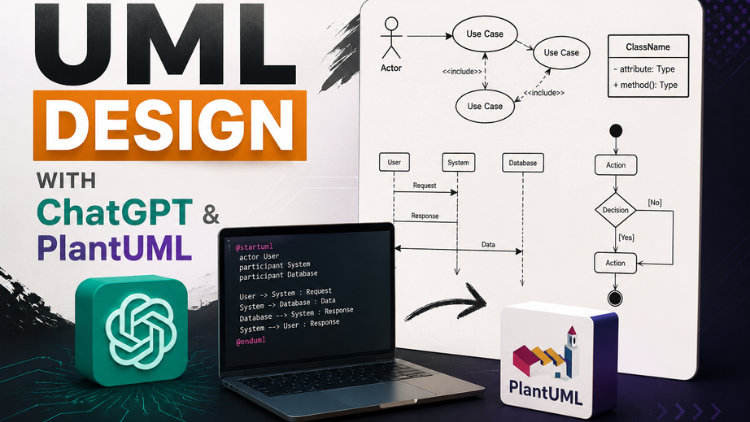
সফটওয়্যার ডেভেলপমেন্ট | ইউনিফাইড মডেলিং ল্যাঙ্গুয়েজ (ইউএমএল)
Learn UML design faster with ChatGPT and PlantUML automation.
5.0
1 ঘণ্টা 30 মি.
20 বক্তৃতা
মধ্যবর্তী
$19.99
$24.99
সফটওয়্যার ডেভেলপমেন্ট | কৃত্রিম বুদ্ধিমত্তা (AI)
Compare and master the leading AI chatbots with hands-on tutorials and expert tips for effective use
5.0
1 ঘণ্টা
20 বক্তৃতা
সব
$12.99
$54.99

সফটওয়্যার ডেভেলপমেন্ট | C# (প্রোগ্রামিং ভাষা)
Master C# Basics in no Time - A Comprehensive Course Packed with Examples, tips and exercises!
5.0
2 ঘণ্টা 30 মি.
17 বক্তৃতা
সব
$19.99
সফটওয়্যার ডেভেলপমেন্ট | চ্যাটজিপিটি
ChatGPT for Beginners: Use ChatGPT to WIN in your CAREER as a professional or Make a Business Using ChatGPT OpenAI!
5.0
3 ঘণ্টা
37 বক্তৃতা
সব
$24.99
সফটওয়্যার ডেভেলপমেন্ট | SQL
Become an Expert at Microsoft SQL! By writing SQL queries for Data Analytics and Data Science base concepts
5.0
6 ঘণ্টা 30 মি.
87 বক্তৃতা
সব
$9.99
$39.99
সফটওয়্যার ডেভেলপমেন্ট | Python
Master Python Fundamentals in Telugu – Variables, Loops, Functions, OOPs, Projects and More with Practical Examples
5.0
9 ঘণ্টা 30 মি.
90 বক্তৃতা
সব
$44.99
$74.99
Frequently Bought Together
Learners who enrolled in this course also frequently purchased these complementary courses together.
7-Day Money Back Guarantee for all bundle items
This course:
সর্বোচ্চ বিক্রিত
$64.99
Total price for selected items:
$115.98
$144.97
প্রায়শই জিজ্ঞাসিত প্রশ্নাবলী
এই কোর্স সম্পর্কে সবচেয়ে সাধারণ প্রশ্নের উত্তর খুঁজুন।
হ্যাঁ! কোর্স লেকচার এবং অ্যাসাইনমেন্টের 100% সম্পূর্ণ করার পরে, আপনি সরাসরি আপনার লুসেব্রা প্রোফাইল থেকে আপনার যাচাইকৃত ডিজিটাল সার্টিফিকেট অফ কমপ্লিশন ডাউনলোড করতে পারেন।
পদ্ধতি-এ আরও অন্বেষণ করুন
স্বীকৃত সার্টিফিকেট, সম্পর্কিত ই-বুক এবং লাইভ ক্লাসের মাধ্যমে আপনার শেখার পরিধি বাড়ান।