
Vibe coding, involving AI-generated code, fundamentally challenges traditional concepts of copyright and intellectual property rights by raising questions about authorship when code is produced by artificial intelligence rather than humans. This shift necessitates a reevaluation of current legal frameworks governing software licensing and copyright, to balance the protection of creators' rights with the promotion of innovation and collaboration in the software development community.
Trở Nên Chuyên Gia Về Luật Sở Hữu Trí Tuệ Trong AI & Phần Mềm: Điều Phối Thời Đại Mã Nguồn Vibe
Naviguer dans le futur de la technologie : la propriété intellectuelle dans l'IA et les logiciels, couvrant le codage Vibe, l'éthique de l'IA et le droit international de la propriété intellectuelle
Tất cả các cấp độ • 100 Bài giảng • Truy cập trọn đời
Giảng viên chính đã được xác minh

ĐOẠN PHIM GIỚI THIỆU
Gặp người hướng dẫn của bạn: Peter Alkema
19 ms
5.0 / 5.0
Đánh giá toàn cầu1
Sinh viên tích cựcTiếng Anh (Mỹ)
99 ngôn ngữ phụ đề5 giờ 44 phút
Tổng số nội dungBạn sẽ học được gì
1. Définir le concept de droits de propriété intellectuelle dans les logiciels.
2. Expliquer l'évolution historique des droits d'auteur sur les logiciels.
3. Identifier les concepts d'auteur dans le développement logiciel.
4. Décrire l'impact du codage Vibe sur les pratiques juridiques.
Nội dung khóa học
20 phần • 100 bài giảng • 05:44:12 tổng chiều dàiDefining Vibe Coding and Its Technological Underpinnings
03:46
Vibe coding revolutionizes human-computer interaction by developing software and algorithms capable of understanding and adapting to human emotions, preferences, and behaviors, utilizing AI, machine learning, and sensor technology. This innovation not only offers personalized user experiences across various sectors but also raises important considerations regarding privacy, data security, and ethical technology use.
Defining Vibe Coding and Its Technological Underpinnings
PDF
Tải xuống
Challenges of Attributing Authorship in Vibe Coding
03:19
Vibe coding, which involves collaboration between humans and artificial intelligence in software development, challenges traditional concepts of authorship and intellectual property rights. This technological innovation necessitates a reevaluation of laws and licensing models to accommodate the collaborative nature of human and AI contributions, impacting everything from open-source to proprietary software.
Challenges of Attributing Authorship in Vibe Coding
PDF
Tải xuống
AI-generated Code vs. Human-Created Code: A Legal Perspective
03:12
The emergence of AI-generated code poses novel challenges to traditional copyright laws, questioning the notions of authorship and ownership in the realm of software development. Legal experts, policymakers, and technologists must collaborate to adapt legal frameworks to accommodate both human-created and AI-generated code, ensuring innovation and intellectual property rights are protected in this new digital age.
AI-generated Code vs. Human-Created Code: A Legal Perspective
PDF
Tải xuống
Copyrightability of AI-generated Software Code
03:20
The intersection of artificial intelligence and software development, specifically through AI-generated software code, presents new challenges and opportunities for intellectual property and licensing, questioning traditional notions of authorship and copyright protection. As AI continues to influence software creation, it prompts a reevaluation of legal frameworks to balance innovation with the rights and interests of all stakeholders in the tech and legal communities.
Copyrightability of AI-generated Software Code
PDF
Tải xuống
Case Studies: Legal Disputes Involving AI Coding
03:28
The emergence of vibe coding, which utilizes artificial intelligence to generate or suggest code, introduces significant legal challenges in determining copyright ownership when contributions are made by both humans and AI. This innovative coding approach necessitates the development of new intellectual property laws and licensing models to accommodate the intertwined contributions of human and machine, balancing the protection of creators' rights with the promotion of innovation and collaboration in software development.
Case Studies: Legal Disputes Involving AI Coding
PDF
Tải xuống
Basics of Software Licensing: An Overview
02:59
Software licensing is a legal framework that dictates the use and distribution of software, serving as a contract between the creator or publisher and the user to outline usage rights and protect intellectual property. It encompasses various types of licenses, including open-source, proprietary, and enterprise agreements, each defining specific rights, limitations, and responsibilities to prevent piracy and foster innovation while accommodating personal and commercial use.
Open Source Licensing in the Context of Vibe Coding
03:09
The emergence of vibe coding, which integrates artificial intelligence with coding, presents new challenges and opportunities for open source licensing, especially regarding authorship and contribution when AI generates or modifies code. Addressing these challenges requires adapting or creating new licensing frameworks that maintain the open source principles of collaboration, transparency, and freedom, while recognizing both human and AI contributions.
Implications of Vibe Coding for Software Licensing Models
03:45
Vibe coding, powered by AI to generate software based on inputs and vibes, is challenging traditional intellectual property and licensing models by blurring the lines of authorship. This technological advancement necessitates a reevaluation of legal frameworks to address the ownership and rights of AI-generated code, potentially transforming software development and distribution.
Proprietary Software Licensing and AI-generated Code
03:30
The intersection of proprietary software licensing and AI-generated code presents new challenges and opportunities in defining authorship, ownership, and the applicability of existing intellectual property laws in the digital age. As AI's role in code generation grows, companies, legal professionals, and policymakers are exploring new licensing models and legal frameworks to ensure that innovation continues in a way that respects intellectual property rights and promotes fair use.
Evaluating Licensing Agreements for AI-Generated Software
03:44
Today's lesson explores the complex interplay between vibe coding—a creative and intuitive approach to programming—and the challenges it poses to traditional intellectual property and licensing frameworks, particularly in the context of AI-generated code. It underscores the necessity of reevaluating and adapting legal structures to address the evolving landscape of software development and ownership in the age of artificial intelligence.
Basics of Software Licensing: An Overview
PDF
Tải xuống
Implications of Vibe Coding for Software Licensing Models
PDF
Tải xuống
Open Source Licensing in the Context of Vibe Coding
PDF
Tải xuống
Proprietary Software Licensing and AI-generated Code
PDF
Tải xuống
Evaluating Licensing Agreements for AI-Generated Software
PDF
Tải xuống
Kế Hoạch Học Hàng Tuần
Lên kế hoạch học tập của bạn
AI tạo lịch trình cá nhân theo thời gian của bạn5 giờ/tuần
Yêu cầu
1. Il n'y a pas de pré-requis pour ce cours, mais les éléments énumérés ci-dessous sont un guide des connaissances de base utiles qui augmenteront la valeur et les avantages de ce cours.
2. Compréhension de base des processus et méthodologies de développement logiciel.
3. Familiarité avec les principes généraux du droit de la propriété intellectuelle.
4. Intérêt pour l'intersection de la technologie, du droit et de l'intelligence artificielle.
Đối tượng mục tiêu
1. Software developers interested in incorporating AI into their coding practices.
2. Intellectual property lawyers specializing in technology and digital rights.
3. Technology entrepreneurs exploring new AI-driven business models.
4. Open-source contributors looking to understand the impact of AI on collaborative projects.
Về khóa học này
Dans une ère où la technologie ne se contente pas de compléter, mais souvent de diriger les entreprises et les projets créatifs, l'intersection du droit de la propriété intellectuelle (PI) et du développement logiciel n'a jamais été aussi cruciale. Alors que nous passons à un monde axé sur le numérique, les règles d'engagement pour les créateurs, les développeurs et les inventeurs sont en train d'être réécrites. Vous êtes-vous déjà interrogé sur l'ampleur du cadre juridique de l'innovation? Ou sur la façon dont le paysage en évolution de l'intelligence artificielle (IA) s'inscrit dans ou défie les cadres existants de la propriété intellectuelle ? Si ces questions éveillent votre curiosité ou trouvent un écho dans votre parcours professionnel, alors vous avez atterri sur une opportunité d'apprentissage inégalée.
Nous sommes une équipe d'experts en droit de la propriété intellectuelle expérimentés, de développeurs logiciels aguerris et d'éducateurs dévoués. Notre expérience collective s'étend à la conception de stratégies robustes en matière de propriété intellectuelle pour des multinationales, à la navigation dans des litiges complexes en propriété intellectuelle et au développement de projets logiciels qui ont repoussé les limites de la technologie. Avec des décennies d'expertise combinée, nous avons été témoins de la puissance transformatrice d'une utilisation efficace des lois sur la propriété intellectuelle dans la technologie et des défis qui l'accompagnent. Notre motivation à partager nos connaissances découle d'une conviction partagée : comprendre les droits de propriété intellectuelle n'est pas seulement pour les experts juridiques - c'est essentiel pour quiconque s'aventure dans le monde du développement logiciel et de l'innovation technologique.
Pourquoi ce cours est-il pertinent aujourd'hui ? Alors que la technologie évolue rapidement, le paysage du droit de la propriété intellectuelle évolue également. L'intelligence artificielle, la blockchain et d'autres technologies de pointe ne se contentent pas de remodeler notre monde ; elles redessinent les frontières de ce qui peut être possédé, breveté ou protégé par le droit d'auteur. À l'ère numérique, la valeur des logiciels et des innovations numériques est sans précédent. Cependant, naviguer dans le réseau complexe des droits de propriété intellectuelle, comprendre les lois sur le droit d'auteur, la brevetabilité, les secrets commerciaux et naviguer dans le terrain du contenu généré par l'IA sont des défis auxquels les créateurs et les innovateurs sont confrontés quotidiennement. Ce cours vise à dévoiler les complexités du droit de la propriété intellectuelle en se concentrant sur le développement logiciel et l'IA, vous assurant d'être équipé des connaissances nécessaires pour protéger et capitaliser sur vos créations.
Tout au long de ce cours complet, nous vous guiderons à travers un voyage immersif dans les profondeurs de la propriété intellectuelle dans le domaine du développement logiciel. De l'évolution historique des droits d'auteur sur les logiciels au domaine avant-gardiste du codage Vibe, les fondements de
Cơ hội Nghề nghiệp & Vị trí Mục tiêu
Xây dựng kỹ năng thực tế sẵn sàng làm việc và ứng tuyển vào các vị trí được săn đón
Chương trình Sẵn sàng Làm việc
Vị trí Công việc Bạn có thể Ứng tuyển
AI Solutions Engineer
Applied Generative AI Specialist
LLM & Prompt Architecture Consultant
AI Automation & Workflow Lead
Mức Lương Ước tính Hàng năm
$105,000 – $165,000 / yr
Nhu cầu Thị trường Toàn cầu
Fastest Growing Worldwide (#1)
Kỹ năng Nòng cốt Bạn sẽ Nắm vững* Ước tính dựa trên tiêu chuẩn tuyển dụng công nghệ toàn cầu.
Applied Generative AI Architecture
Model Fine-Tuning & Evaluation
Vector Databases & RAG Workflows
Autonomous AI Agent Orchestration
Gặp gỡ giảng viên của bạn
Peter Alkema
Giảng viên chính
Business | Technology | Self Development
"What an amazing course! After finishing this course, I have confidence. Thank so much Dr Peter Alkema" ... "This is exactly the jump-start I needed. Very clear and concise"
I lead Digital Transformation & Architecture at ABB and I've been featured on CNBC Africa and won the Gartner CIO Of The Year in 2016. I founded and led the largest banking hackathon in South Africa which was published in 2019 as a case study by Harvard Business School.
I've taught over 100,000 students about technology, business, academics and self-development. In 2020 I completed my PhD at Wits University In Johannesburg. The study introduced a ground-breaking theory of Agile software development teams. My woodworking book was published in 2014 and has sold over 10,000 copies.
Olugbenga Gbadegesin: "Excellent delivery" / Lebogang Tswelapele: "This is what I have been longing for" / Paskalia Ndapandula: "Peter speaks with so much clarity" / Amantle Mangwedi: "It was straight to the point and the sections are cut into nice short segments which made it easier to go through" Kathy Bermudez: "Excellent material. Well organized..."
Werner van Wyk: "Thank you Peter, once again your lesson and course have given me so much knowledge and understanding" / Yvonne Rudolph "I really look forward to take everything i learned in action" / Josephine Mahlangu: "exactly what I needed to know, absolutely valuable and helpful for my personal growth"...
Các khóa học khác của
Peter AlkemaSinh viên cũng mua
Những người học đã xem khóa học này cũng đã đăng ký vào các khóa học được xếp hạng hàng đầu này
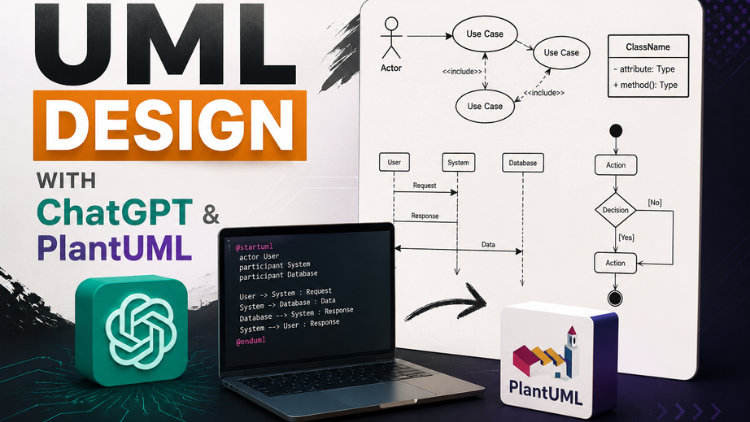
Phát triển phần mềm | Đoàn kết
Learn UML design faster with ChatGPT and PlantUML automation.
5.0
1 giờ 30 phút
20 Tất cả
Trung cấp
$19.99
$24.99
Phát triển phần mềm | Trí tuệ nhân tạo (AI)
Compare and master the leading AI chatbots with hands-on tutorials and expert tips for effective use
5.0
1 giờ
20 Tất cả
Tất cả các cấp độ
$12.99
$54.99

Phát triển phần mềm | C# (ngôn ngữ lập trình)
Master C# Basics in no Time - A Comprehensive Course Packed with Examples, tips and exercises!
5.0
2 giờ 30 phút
17 Tất cả
Tất cả các cấp độ
$19.99
Phát triển phần mềm | Trò chuyệnGPT
ChatGPT for Beginners: Use ChatGPT to WIN in your CAREER as a professional or Make a Business Using ChatGPT OpenAI!
5.0
3 giờ
37 Tất cả
Tất cả các cấp độ
$24.99
Phát triển phần mềm | SQL
Become an Expert at Microsoft SQL! By writing SQL queries for Data Analytics and Data Science base concepts
5.0
6 giờ 30 phút
87 Tất cả
Tất cả các cấp độ
$9.99
$39.99
Phát triển phần mềm | Python
Master Python Fundamentals in Telugu – Variables, Loops, Functions, OOPs, Projects and More with Practical Examples
5.0
9 giờ 30 phút
90 Tất cả
Tất cả các cấp độ
$44.99
$74.99
Frequently Bought Together
Learners who enrolled in this course also frequently purchased these complementary courses together.
7-Day Money Back Guarantee for all bundle items
This course:
Bán chạy nhất
$64.99
Total price for selected items:
$115.98
$144.97
Câu hỏi thường gặp
Tìm câu trả lời cho những câu hỏi phổ biến nhất về khóa học này.
Đúng! Sau khi hoàn thành 100% các bài giảng và bài tập của khóa học, bạn có thể tải xuống ngay Chứng chỉ Hoàn thành kỹ thuật số đã được xác minh trực tiếp từ hồ sơ Lucebra của mình.
Khám phá thêm trong Technology
Mở rộng hành trình học tập với chứng chỉ uy tín, sách điện tử liên quan và lớp học trực tiếp tương tác.