Lucebra
Lucebra Bisnis

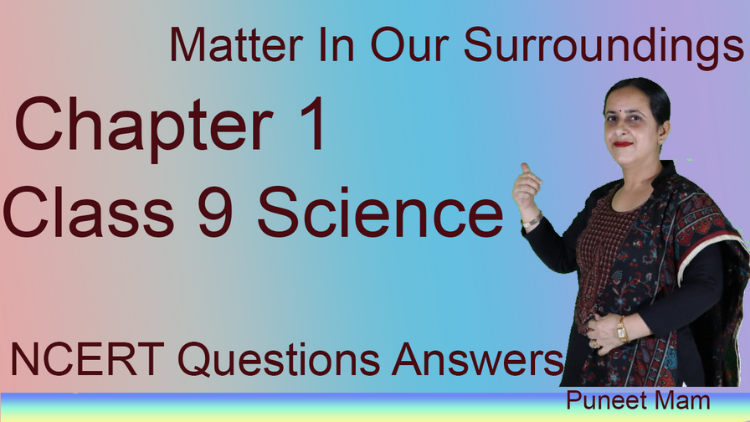
Benda di Sekitar Kita

Materias en nuestro entorno

Semua Tingkat • 5 Pengajar • Akses Seumur Hidup
Prabh Kirpa Classes

Instruktur Master Terverifikasi

Materias en nuestro entorno
TRAILER
Temui instruktur Anda: Prabh Kirpa Classes

19 ms

5.0 / 5.0
Peringkat Global
2
Siswa Aktif
Inggris (Amerika Serikat)
Terjemahan 99 Bahasa
2 jam 5 mnt
Jumlah Konten

Apa yang akan Anda pelajari

¿Cuáles son los tres diferentes estados de la materia? ¿Cuáles son las propiedades de los sólidos, líquidos y gases? ¿Cuál es el significado de Rigidez y Compresibilidad?
¿Cuál es el significado de Fluidez, Energía Cinética y Densidad? ¿Cómo convertir la temperatura Kelvin a temperatura Celsius y viceversa?
¿Cuál es el estado físico del agua a diferentes temperaturas? ¿Cómo licuar los gases atmosféricos? ¿Por qué el agua es un líquido a temperatura ambiente?
¿Por qué el hielo a 273 K es más efectivo para enfriar que el agua a la misma temperatura? ¿Qué produce quemaduras más graves, agua hirviendo o vapor?

Konten Kursus

5 bagian • 5 materi • Peringkat Global

Introduction

03:00
1.What are the three different states of matter? 2.What are the properties of solids, liquids and gases? 3.What is the meaning of Rigidity, Compressibility, Fluidity, Kinetic Energy and Density? 4.How to convert the Kelvin temperature to Celsius temperature and vice versa? 5.What is the physical state of water at different temperatures? 6.How to liquefy atmospheric gases? 7.Why water is a liquid at room temperature? 8.Why an iron almirah is solid at room temperature? 9.Why is ice at 273 K more effective in cooling than water at the same temperature?
  1. What produces more severe burns, boiling water or steam?
  1. What is melting, vaporisation, condensation, freezing, sublimation and deposition?
12.Matter is not continuous but made up of small tiny particles. Explain. . Do we sweat more on a dry day or on a humid day? Explain.
  1. Why wet clothes do not dry easily on a rainy day?
  1. After rains, wet roads dry quickly. Give reason.
  1. How do wind speed and surface area affect the rate of evaporation?
  1. What is dry ice? What are its various uses?
  1. Butter is generally wrapped in wet cloth during summer if no refrigerator is available. Explain.
  1. Define evaporation. What are the various factors which affect the rate of evaporation?
  1. Sugar when kept in Jar of different shapes adopts the shape of the jar, yet we call it solid. Why?
  1. How is heating of sugar different from heating of ammonium chloride?
  1. Sponge is a solid, yet we are able to compress it. Give reasons.
  1. For any substance, why does the temperature remain constant during the change of state?
+ many more questions relating to the everyday life

Properties of solids, liquids and gases. Characteristics of particles of matter

16:51
  1. Tabulate the differences in the characteristics of states of matter.
  1. What are the characteristics of particles of matter?
  1. Why a gas fills completely the vessel in which it is kept?
  1. Why a gas exerts pressure on the walls of container?
  1. Why a wooden table should be called a solid?
  1. Why We can easily move our hand in air but to do the same through wooden block, we need karate expert.
  1. Arrange the following in order of increasing density – air, exhaust from chimneys, honey, water, chalk, cotton and iron.
  1. Liquids generally have lower density as compared to solids. But you must have observed that ice floats on water. Find out why?
  1. Comment upon the following : rigidity, compressibility, fluidity, filling a gas container, shape, kinetic energy and density.
  1. Which of the following are matter? - Chair, air, love, hate, almonds, thought, cold, lemon water, smell of perfume.
  1. Why the smell of hot sizzling food reaches you several meters away, but to get the smell from cold food, you have to go close?
  1. A diver is able to cut through water in a swimming pool. Which property of the matter does this observation show?

Understanding the matter in our surroundings with real life examples

52:41
  1. Convert the following temperature to celsius scale : a) 300K b) 573K
  1. What is the physical state of water at : a) 2500C b) 1000C ?
  1. For any substance, why does the temperature remain constant during the change of state?
  1. Suggest a method to liquefy atmospheric gases.
  1. Why does a desert cooler cool better on a hot dry day?
  1. How does the water kept in an earthen pot become cool during summer?
  1. Why does our palm feel cold when we put some acetone or petrol or perfume on it?
  1. Why are we able to sip hot tea or milk faster from a saucer rather than a cup?
  1. What type of clothes should we wear in summer?
Rencana Belajar Mingguan
Rencanakan perjalanan belajar Anda
AI membuat jadwal personal berdasarkan waktu Anda

Persyaratan

Ninguno

Target Pemirsa

Students who are interested in Science

Tentang kursus ini

Al observar nuestro entorno, vemos una gran variedad de cosas con diferentes formas, tamaños y texturas. Todo en este universo está compuesto por material que los científicos han denominado “materia”. El aire que respiramos, la comida que comemos, piedras, nubes, estrellas, plantas y animales, incluso una pequeña gota de agua o una partícula de arena – todo es materia. También podemos ver al mirar a nuestro alrededor que todas las cosas mencionadas ocupan espacio y tienen masa. En otras palabras, tienen tanto masa* como volumen**. Desde los primeros tiempos, los seres humanos han intentado entender su entorno. Los primeros filósofos indios clasificaron la materia en la forma de cinco elementos básicos – los “Panch Tatva”– aire, tierra, fuego, cielo y agua. Según ellos, todo, vivo o no vivo, estaba compuesto por estos cinco elementos básicos. Los filósofos griegos antiguos habían llegado a una clasificación similar de la materia. Los científicos modernos han evolucionado dos tipos de clasificación de la materia basados en sus propiedades físicas y naturaleza química. En este capítulo aprenderemos sobre la materia basada en sus propiedades físicas. Los aspectos químicos de la materia se tratarán en capítulos posteriores.


Las partículas de la materia están en constante movimiento, es decir, poseen lo que llamamos energía cinética. A medida que la temperatura aumenta, las partículas se mueven más rápido. Así que podemos decir que con el aumento de temperatura también aumenta la energía cinética de las partículas. En las tres actividades anteriores observamos que las partículas de la materia se mezclan por sí solas entre sí. Lo hacen al entrar en los espacios entre las partículas. Esta mezcla de partículas de dos tipos diferentes de materia por sí solas se llama difusión. También observamos que al calentar, la difusión se vuelve más rápida. ¿Por qué sucede esto?


Kenali Instruktur Anda
Prabh Kirpa Classes
5.0 Peringkat
63 Siswa
Lihat Profil Lengkap
Prabh Kirpa Classes
Instruktur Utama
Educator
This channel is purely education based. Our aim is to ensure that the students are able to understand each and every question in an easy way. We take pride in providing quality educational services to the students of Class VII to Class XI Science NCERT, English, Computer solutions, Mathematics, Business Studies & Economics. Our goal is to help the leaders of tomorrow to learn to succeed today....
Kursus Lain oleh
Prabh Kirpa Classes

Siswa juga membeli

Pelajar yang melihat kursus ini juga terdaftar dalam kursus dengan peringkat teratas ini

3D Printing Failure Analysis: Root Cause & Diagnostics Masterclass
Pengajaran & Akademik | Rekayasa

Unlock the world of 3D printing and product creation with a hands-on, industry-focused course designed to turn your ideas into reality. Whether you’re an engineer, designer, technician Masterclass.

5.0
3 jam
19 kuliah
Intermediat
$12.99
Probability Beyond the Basics: Part 1
Pengajaran & Akademik | Matematika

Taking Your Mastery of Probability to the Next Level

5.0
1 jam 30 mnt
6 kuliah
Semua
$9.99

$19.99

Beyond Basics: Calculating Cone Surface Area with Precision
Pengajaran & Akademik | Matematika

Advanced Formulas and Strategies for Cone Surface Area Determination

5.0
1 jam
10 kuliah
Semua
$19.99
Future Tense
BEBAS
Pengajaran & Akademik | Tata Bahasa Inggris

FUTURE TENSE

5.0
2 jam
4 kuliah
Semua
June 2026 Current Affairs Complete Revision Course
Pengajaran & Akademik | Urusan Saat Ini

Master all important Current Affairs from June 1–30, 2026 with daily video lectures, MCQs, exam-oriented explanations an

5.0
8 jam 30 mnt
29 kuliah
Pemula
$29.99

$39.99

Bar Graphs Unveiled: A Comprehensive Introduction
Pengajaran & Akademik | Matematika

Unlocking the Power of Bar Charts for Effective Data Communication

5.0
1 jam
5 kuliah
Semua
$14.99

$19.99

Pertanyaan yang Sering Diajukan

Temukan jawaban atas pertanyaan paling umum tentang kursus ini.

Ya! Setelah menyelesaikan 100% perkuliahan dan tugas kursus, Anda dapat langsung mengunduh Sertifikat Penyelesaian digital terverifikasi langsung dari profil Lucebra Anda.

Jelajahi Lebih Banyak di Technology

Perluas pembelajaran Anda dengan sertifikat terakreditasi, e-book terkait, dan kelas interaktif langsung.