
Generative AI is revolutionizing the cybersecurity field by both enhancing defense mechanisms through advanced threat detection and prediction, and presenting new challenges with sophisticated social engineering attacks, including realistic phishing emails and deepfakes. It necessitates a balanced approach, combining technological innovation with ethical considerations, to effectively leverage its capabilities while mitigating potential risks.
Mastering GenAI in Cybersecurity: Threats & Defenses
เชี่ยวชาญ Generative AI ในการป้องกันภัยอัตโนมัติ: ตั้งแต่ภัยคุกคามที่เกี่ยวข้องกับ AI ไปจนถึงกลยุทธ์ป้องกัน ความเป็นส่วนตัวของข้อมูล และการใช้งานที่ถูกต้องจากทางจริยธรรม
All Levels • 100 Lectures • Full Lifetime Access
Verified Master Instructor

TRAILER
Meet your instructor: Peter Alkema
19 ms
5.0 / 5.0
Global Rating1
Active StudentsEnglish (US)
99 Languages Subtitles5h 27m
Total ContentWhat you will learn
1. กำหนดบทบาทของ GenAI ในการป้องกันภัยอัตโนมัติ
2. อธิบายวิวัฒนาการของภัยคุกคามทางอิเล็กทรอนิกส์ด้วย GenAI
3. เปรียบเทียบภัยคุกคามทางอิเล็กทรอนิกส์แบบดั้งเดิมกับภัยคุกคามที่ปรับปรุงด้วย GenAI
4. ประเมินผลกระทบจากจริยธรรมของ GenAI ในการป้องกันภัยอัตโนมัติ
Course Content
20 sections • 100 lectures • 05:27:49 total lengthIntroduction to AI-Specific Threats: Deepfakes, AI-Phishing
02:39
The advent of deepfakes and AI-powered phishing attacks represents a significant challenge in the field of cybersecurity, employing sophisticated AI algorithms to generate convincingly fake media and highly personalized scam messages. Addressing these AI-specific threats necessitates the development of advanced AI-driven security measures and increased awareness and education about the risks and detection methods of such attacks.
Introduction to AI-Specific Threats: Deepfakes, AI-Phishing
PDF
Download
Understanding Prompt Injection Attacks
02:39
Prompt injection attacks exploit generative AI's reliance on input data by embedding malicious commands to manipulate outputs, presenting a serious cybersecurity threat. Defenses against these attacks include robust input validation, continuous model training on diverse datasets, and adherence to ethical guidelines to maintain AI system integrity.
Understanding Prompt Injection Attacks
PDF
Download
The Mechanics of AI-Powered Malware Development
03:10
AI-powered malware represents a new era in cyber threats, leveraging artificial intelligence to adapt, learn, and evade detection in real time, bypassing traditional security measures. To effectively counter these sophisticated threats, cybersecurity professionals must adopt advanced AI-driven security solutions that are capable of predicting unusual patterns, automating threat detection, and evolving with the landscape of threats.
The Mechanics of AI-Powered Malware Development
PDF
Download
Data Poisoning and Its Impact on AI Models
02:47
Data poisoning is an attack where malicious actors introduce false or misleading information into a dataset, compromising the learning process of AI models and leading to biased or incorrect outcomes. This tactic poses significant risks to various sectors, including security and finance, by undermining the reliability and integrity of critical decision-making systems.
Data Poisoning and Its Impact on AI Models
PDF
Download
Case Studies: Major AI-Specific Cyberattacks
03:43
The rapid advancement of generative AI technologies has introduced new cybersecurity vulnerabilities, notably through the use of deepfake technology in phishing scams and adversarial attacks on AI systems themselves. To counteract these threats, cybersecurity professionals are utilizing AI-driven defense mechanisms and focusing on the development of secure AI models and infrastructure protections, underscoring the need for continuous innovation in cybersecurity strategies.
Case Studies: Major AI-Specific Cyberattacks
PDF
Download
Principles of Secure Prompt Engineering
03:53
Secure prompt engineering is the practice of designing AI prompts that are clear, ethically aligned, and geared towards generating specific, desired responses without producing biased, inappropriate, or dangerous content. This skill is essential for enhancing the utility of AI in cybersecurity efforts, ensuring AI models contribute positively and are safeguarded against exploitation by malicious actors.
Principles of Secure Prompt Engineering
PDF
Download
Strategies for Detecting and Mitigating Deepfakes
02:57
Deepfakes pose a significant cyber threat, utilizing AI and machine learning technologies like generative adversarial networks (GANs) to create realistic fake content. Combatting them requires a blend of technological solutions, education, legal frameworks, and collaborative efforts to detect and mitigate their impact effectively.
Strategies for Detecting and Mitigating Deepfakes
PDF
Download
Preventing AI-Enhanced Phishing Attacks
03:26
AI-enhanced phishing attacks utilize generative AI to craft highly personalized and convincing phishing attempts, making them difficult to distinguish from legitimate communications. To effectively defend against these sophisticated threats, education, advanced security technologies, multi-factor authentication, software updates, and fostering a strong security culture are crucial.
Preventing AI-Enhanced Phishing Attacks
PDF
Download
Data Hygiene Practices for AI Security
03:45
Data hygiene is critical in maintaining the security and efficacy of AI systems by ensuring the accuracy, completeness, and reliability of data, focusing on quality collection, cleaning, protection, and ethical use. These practices counteract vulnerabilities and biases, reinforcing AI's defenses against emerging cyber threats and ensuring the models are both trustworthy and representative of diverse real-world scenarios.
Data Hygiene Practices for AI Security
PDF
Download
Implementing Adversarial Testing in AI Systems
02:47
Adversarial testing is a crucial cybersecurity strategy that enhances the robustness of AI systems by identifying vulnerabilities through exposure to simulated attacks or challenges. It involves creating adversarial examples to test AI systems, a continuous process vital for developing more resilient AI technologies that can anticipate and withstand emerging cyber threats.
Implementing Adversarial Testing in AI Systems
PDF
Download
Weekly Study Plan
Plan Your Learning Journey
AI generates a personalized schedule based on your availability5 hrs/week
Requirements
1. ไม่มีข้อกำหนดหรือเงื่อนไขเบื้องต้นสำหรับหลักสูตรนี้ แต่รายการด้านล่างนี้เป็นคำแนะนำเกี่ยวกับความรู้พื้นฐานที่เป็นประโยชน์ซึ่งจะเพิ่มคุณค่าและประโยชน์ของหลักสูตรนี้
2. ความเข้าใจพื้นฐานของหลักการและแนวปฏิบัติด้านการป้องกันภัยอัตโนมัติ
3. ความคุ้นเคยกับแนวคิดและแนวปฏิบัติด้าน AI และการเรียนรู้เชิงเครื่อง
4. ประสบการณ์ในการเขียนโปรแกรมหรือภาษาสคริปต์ (โดยเฉพาะ Python)
Target Audience
1. ผู้เชี่ยวชาญด้านการป้องกันภัยอัตโนมัติที่ต้องการอัปเดตความรู้เกี่ยวกับภัยคุกคามและกลยุทธ์ป้องกันล่าสุด
2. ผู้จัดการ IT ที่รับผิดชอบในการปกป้องสินทรัพย์ดิจิทัลขององค์กรของตนเองจากภัยคุกคามทางอิเล็กทรอนิกส์ขั้นสูง
3. นักวิจัย AI ที่เน้นการใช้งานด้านการป้องกันภัยอัตโนมัติและต้องการเข้าใจเทรนด์และภัยคุกคามล่าสุดในสาขา
4. นักพัฒนาซอฟต์แวร์ที่ทำงานในโซลูชันการป้องกันภัยอัตโนมัติซึ่งจำเป็นต้องรวมความสามารถของ GenAI เข้ากับผลิตภัณฑ์ของตนเอง
About this course
ในภูมิทัศน์ที่กำลังเปลี่ยนแปลงอย่างรวดเร็วของการป้องกันภัยอัตโนมัติ ความเสี่ยงไม่สูงขึ้นเท่าไรก็ยังไม่เพียงพอ ด้วยภัยคุกคามทางอิเล็กทรอนิกส์ที่กำลังกลายเป็นละเอียดอ่อนและยากต่อการจับกุมยิ่งขึ้น บุคคลและองค์กรจะทำได้อย่างไรเพื่อนำหน้าหนึ่งขั้น? คำตอบอยู่ในการใช้ประโยชน์จากศักยภาพที่เป็นนวัตกรรมของ Generative AI (GenAI) ในขณะที่โลกดิจิทัลกำลังเผชิญกับความท้าทายที่ไม่มีผู้สังเกตมาก่อน หลักสูตรที่ครอบคลุมนี้จึงเป็นแสงไฟที่นำทางคุณผ่านความซับซ้อนของ GenAI ในการป้องกันภัยอัตโนมัติ
ทีมผู้เชี่ยวชาญที่มีประสบการณ์และได้รับการยอมรับอย่างกว้างขวางของเราได้ออกแบบหลักสูตรอย่างละเอียดซึ่งเหนือกว่าแบบฝึกหัดการเรียนรู้แบบดั้งเดิม เราได้อยู่ในแนวหน้า การนำทางในสังคมการป้องกันภัยอัตโนมัติที่เปลี่ยนแปลงอย่างต่อเนื่อง และอัปเดตกลยุทธ์ของเราอย่างต่อเนื่องเพื่อต่อสู้กับภัยคุกคามที่กำลังเกิดขึ้น ความมุ่งมั่นของเราในการแบ่งปันความรู้ความชำนาญนี้มาจากความเชื่อที่ลึกซึ้งในการให้เครื่องมือและข้อมูลให้กับบุคคลเพื่อให้สามารถสร้างความแตกต่างในโลกของการป้องกันภัยอัตโนมัติได้
ทำไมการรวมกันของ Generative AI และการป้องกันภัยอัตโนมัติถึงมีความสำคัญในปัจจุบันมากกว่าที่เคย? ในยุคที่การเปลี่ยนแปลงดิจิทัลเร่งความเร็วอย่างรวดเร็ว ฝ่ายตรงข้ามก็กำลังใช้ AI เพื่อจัดการโจมตีที่ซับซ้อนและลับ ๆ มากขึ้น การเข้าใจและการใช้ GenAI ในกลไกป้องกันได้กลายเป็นสิ่งที่ไม่สามารถทนอยู่ได้ หลักสูตรนี้เปิดเผยความสามารถ ความท้าทาย และภูมิทัศน์จริยธรรมของ GenAI เตรียมให้คุณใช้พลังของมันได้อย่างมีความรับผิดชอบและมีประสิทธิภาพ
เริ่มต้นการเดินทางที่น่าติดตามผ่านหลักสูตรของเราซึ่งออกแบบมาอย่างละเอียดเพื่อจัดการกับความซับซ้อนของ GenAI ในการป้องกันภัยอัตโนมัติ คุณจะศึกษาเกี่ยวกับผลกระทบของ GenAI ต่อภัยคุกคามทางอิเล็กทรอนิกส์ โดยสำรวจทั้งโอกาสและความท้าทายที่มันนำมาให้ ผ่านการวิเคราะห์เปรียบเท่า เราแยกความแตกต่างระหว่างภัยคุกคามทางอิเล็กทรอนิกส์แบบดั้งเดิมและที่ปรับปรุงด้วย GenAI
เรียนรู้เพิ่มเติมเกี่ยวกับการป้องกันภัยอัตโนมัติที่ดีที่สุดด้วย GenAI และพร้อมใช้งานเพื่อต่อสู้กับภัยคุกคามที่ซับซ้อนและลับ ๆ ในยุคดิจิทัล
Career Opportunities & Job Roles
Build practical, job-ready skills and qualify for high-impact roles worldwide
Job-Ready Curriculum
Target Roles You Can Apply For
AI Solutions Engineer
Applied Generative AI Specialist
LLM & Prompt Architecture Consultant
AI Automation & Workflow Lead
Estimated Annual Salary
$105,000 – $165,000 / yr
Global Industry Demand
Fastest Growing Worldwide (#1)
In-Demand Skills You Master* Estimates based on global tech hiring benchmarks and industry compensation reports.
Applied Generative AI Architecture
Model Fine-Tuning & Evaluation
Vector Databases & RAG Workflows
Autonomous AI Agent Orchestration
Meet your instructor
Peter Alkema
Main Instructor
Business | Technology | Self Development
"What an amazing course! After finishing this course, I have confidence. Thank so much Dr Peter Alkema" ... "This is exactly the jump-start I needed. Very clear and concise"
I lead Digital Transformation & Architecture at ABB and I've been featured on CNBC Africa and won the Gartner CIO Of The Year in 2016. I founded and led the largest banking hackathon in South Africa which was published in 2019 as a case study by Harvard Business School.
I've taught over 100,000 students about technology, business, academics and self-development. In 2020 I completed my PhD at Wits University In Johannesburg. The study introduced a ground-breaking theory of Agile software development teams. My woodworking book was published in 2014 and has sold over 10,000 copies.
Olugbenga Gbadegesin: "Excellent delivery" / Lebogang Tswelapele: "This is what I have been longing for" / Paskalia Ndapandula: "Peter speaks with so much clarity" / Amantle Mangwedi: "It was straight to the point and the sections are cut into nice short segments which made it easier to go through" Kathy Bermudez: "Excellent material. Well organized..."
Werner van Wyk: "Thank you Peter, once again your lesson and course have given me so much knowledge and understanding" / Yvonne Rudolph "I really look forward to take everything i learned in action" / Josephine Mahlangu: "exactly what I needed to know, absolutely valuable and helpful for my personal growth"...
More Courses by
Peter AlkemaStudents also bought
Learners who viewed this course also enrolled in these top-rated courses
FREE
Trending
IT & Software | HardwareStart Now
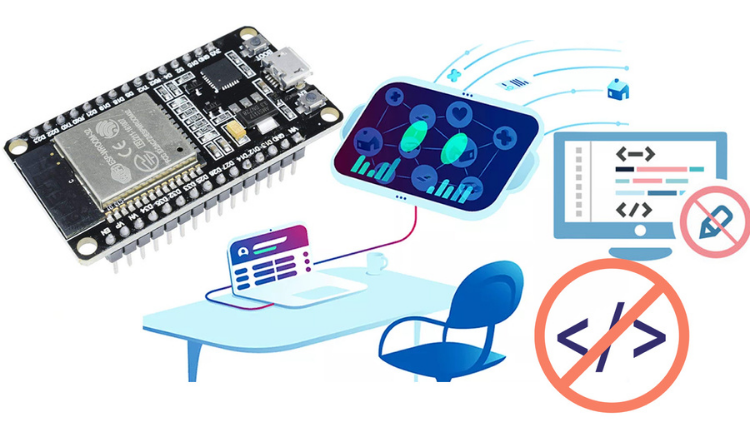
Program ESP32 Board without writing a single code in A Professional Environment
5.0
2h 30m
18 lectures
All
FREE

IT & Software | Hardware
Revolutionize Your Coding Skills with Al: A Comprehensive Guide for Beginners
5.0
2h
11 lectures
All
$10.99
$19.99

IT & Software | Information Security
Master ISO 27001: Achieve Certification, Build Security, and Ensure Compliance for Your Organization
5.0
1h 30m
10 lectures
Beginner
$39.99
$54.99

IT & Software | Certified in Governance, Risk and Compliance (CGRC)
Master GRC: Step-by-Step Guide to Implementing Governance, Risk, and Compliance for Business Success
5.0
2h 30m
35 lectures
Intermediate
$39.99
$64.99

IT & Software | Arduino
Seamlessly Stream and Visualize Real-Time Data from Arduino into Excel with Ease
5.0
1h 30m
6 lectures
All
$9.99
$34.99

IT & Software | Other IT & Software
Learn how to create and customize a website with no prior coding experience.
5.0
1h 30m
12 lectures
All
$9.99
$19.99
Frequently Bought Together
Learners who enrolled in this course also frequently purchased these complementary courses together.
7-Day Money Back Guarantee for all bundle items
Total price for selected items:
$103.98
$129.97
Frequently Asked Questions
Find answers to the most common questions about this course.
Yes! Upon completing 100% of the course lectures and assignments, you can instantly download your verified digital Certificate of Completion directly from your Lucebra profile.
Explore More in Technology
Expand your learning journey with accredited certificates, related digital books, and live interactive classes.