
Change management is a structured approach that helps organizations transition from their current state to a desired future state by addressing both technical and human aspects of change. Successfully navigating uncertainty involves proactive communication, flexibility, and supporting individuals through transitions to minimize disruption and achieve lasting benefits.
掌握变革管理:策略、领导力与真实世界案例
Pelajari strategi manajemen perubahan terbukti untuk memimpin organisasi melalui transformasi dengan percaya diri
所有级别 • 100 讲座 • 终身无限畅学
认证硕士导师

拖车
认识您的导师:Peter Alkema
19 ms
5.0 / 5.0
全球评级1
活跃的学生美国英语
99 种语言字幕4小时 18分
总内容你将学到什么
Mendefinisikan manajemen perubahan dan ketidakpastian dalam bisnis saat membahas transformasi organisasi. (Ingat)
Menjelaskan pendekatan historis terhadap perubahan organisasi selama aktivitas perbandingan kelas. (Mengerti)
Menganalisis penggerak perubahan dengan mengevaluasi lingkungan saat ini perusahaan. (Analisis)
Menafsirkan perspektif pemangku kepentingan kunci saat meninjau contoh perubahan lintas industri. (Mengerti)
课程内容
20 部分 • 100 讲座 • 04:18:27 总长度Exploring Human Emotions and Their Role During Organizational Change
02:39
Emotions play a crucial role during organizational change, shaping individual experiences and overall team dynamics. By recognizing and addressing these emotions with empathy and effective communication, organizations can foster resilience and achieve successful transformation.
Exploring Human Emotions and Their Role During Organizational Change
PDF
下载
Psychological Responses to Change: Denial, Fear, and Acceptance in the Workplace
02:09
When organizations introduce change, individuals typically move through psychological stages of denial, fear, and acceptance, each shaping their adaptive responses. Recognizing and supporting these emotional transitions through empathetic communication helps leaders foster smoother, more resilient change management.
Psychological Responses to Change: Denial, Fear, and Acceptance in the Workplace
PDF
下载
How Organizational Culture Shapes Employee Responses to Major Shifts
02:54
Organizational culture shapes how employees respond to major changes, either supporting or hindering their ability to adapt. Open, trusting cultures foster engagement and resilience during transitions, while rigid or closed cultures often breed resistance and uncertainty.
How Organizational Culture Shapes Employee Responses to Major Shifts
PDF
下载
Case Studies on Emotional Outbreaks in High-Impact Change Initiatives
02:26
Emotional reactions during major organizational change are natural signals of uncertainty and discomfort, and should be acknowledged rather than ignored. Leaders who respond with empathy, transparent communication, and support can transform resistance into acceptance, fostering trust and resilience throughout the transition.
Case Studies on Emotional Outbreaks in High-Impact Change Initiatives
PDF
下载
Understanding Leadership’s Emotional Intelligence During Transformations
02:33
Emotionally intelligent leadership is crucial during organizational transformation, as it fosters trust, resilience, and open communication by recognizing and managing emotions within teams. Leaders who demonstrate self-awareness, empathy, social skills, and adaptability create supportive environments that ease transitions and drive long-term success.
Understanding Leadership’s Emotional Intelligence During Transformations
PDF
下载
Foundations of Kurt Lewin’s Change Model for Modern Organizations
02:50
Kurt Lewin’s change model outlines organizational transformation in three key stages: unfreezing (preparing for change), changing (implementing new behaviors), and refreezing (solidifying new practices). Its clear, structured framework emphasizes both the process and human aspects of change, making it a valuable guide for organizations adapting to evolving environments.
Foundations of Kurt Lewin’s Change Model for Modern Organizations
PDF
下载
Unfreezing the Status Quo: Preparing Teams for Upcoming Transitions
02:24
Unfreezing the status quo in organizations requires creating a sense of urgency, clear communication, and emotional support to help teams let go of old habits and embrace change. Leaders facilitate successful transitions by fostering safe dialogue, sharing relatable stories, building internal advocates, and maintaining consistent, transparent communication.
Unfreezing the Status Quo: Preparing Teams for Upcoming Transitions
PDF
下载
The Change Phase: Implementing Transitions with Clarity and Confidence
02:39
Successful change implementation relies on clear, ongoing communication, strong leadership, empathetic support, and adaptability to maintain clarity and confidence throughout the transition. By modeling desired behaviors, addressing concerns, sharing stories, and measuring progress, organizations build trust and resilience for future challenges.
The Change Phase: Implementing Transitions with Clarity and Confidence
PDF
下载
Refreezing: Solidifying Sustainable Transformations in Company Culture
02:14
Refreezing is the final stage of the change management process, where new behaviors and processes become embedded in an organization's culture through reinforcement, alignment of systems, and strong leadership. This stage ensures changes are sustained by integrating them into daily routines, supporting them with policies, and maintaining clear, ongoing communication.
Refreezing: Solidifying Sustainable Transformations in Company Culture
PDF
下载
Real-Life Case Study: Lewin’s Model in a Major Restructuring Initiative
02:20
This lesson demonstrates how Lewin’s Change Management Model effectively guided a large manufacturing firm through a complex restructuring, helping leaders manage employee uncertainty and resistance. By systematically applying the Unfreeze, Change, and Refreeze stages, the company successfully solidified new practices and fostered a culture of adaptability.
Real-Life Case Study: Lewin’s Model in a Major Restructuring Initiative
PDF
下载
每周学习计划
规划您的学习之旅
AI根据您的可用时间生成个性化时间表5 小时/周
要求
Tidak ada persyaratan atau pra-syarat untuk kursus ini, tetapi item yang tercantum di bawah ini adalah panduan untuk pengetahuan latar belakang yang berguna yang akan meningkatkan nilai dan manfaat kursus ini.
目标受众
Mid-level managers in large organizations navigating ongoing digital and structural change initiatives
Human Resources professionals responsible for supporting employee adaptation during company transformation
Project leaders or change agents seeking practical frameworks and tools for implementing organizational change
Senior leaders or executives aiming to inspire, guide, and sustain culture shifts in complex or multinational settings
关于本课程
Perubahan telah menjadi realitas konstan dalam organisasi saat ini. Disrupsi digital, restrukturisasi, tekanan pasar, kerja jarak jauh, dan perubahan budaya memerlukan para pemimpin dan profesional untuk mengelola transisi dengan bijaksana dan efektif. Kursus ini menyediakan panduan komprehensif dan praktis untuk manajemen perubahan, dengan fokus pada dimensi manusiawi, strategis, dan organisasi dari transformasi.
Dirancang untuk manajer, pemimpin, profesional HR, konsultan, dan agen perubahan yang bercita-cita, kursus ini mengeksplorasi mengapa inisiatif perubahan sering gagal dan bagaimana mereka bisa berhasil ketika orang ditempatkan di pusat proses tersebut. Peserta akan meneliti kerangka kerja manajemen perubahan klasik dan modern, termasuk model yang mapan dan pendekatan adaptif, serta memahami cara menerapkannya dalam konteks bisnis nyata.
Kursus ini sangat menekankan pada pemahaman reaksi karyawan terhadap perubahan, seperti resistansi, ketidakpastian, dan respons emosional. Peserta akan memperoleh alat untuk mendiagnosis reaksi ini, berkomunikasi secara efektif dengan pemangku kepentingan, dan membangun kepercayaan selama proses transisi. Melalui studi kasus dunia nyata di berbagai industri, peserta akan menganalisis upaya perubahan yang sukses dan tidak sukses, mempelajari pelajaran berharga yang dapat langsung diterapkan ke organisasi mereka sendiri.
Fokus utama lain adalah kepemimpinan selama periode ketidakpastian. Kursus ini mengeksplorasi bagaimana pemimpin dapat menginspirasi kepercayaan, menyelaraskan tim sekitar visi bersama, dan mempertahankan momentum selama waktu. Topik seperti keterlibatan pemangku kepentingan, perencanaan komunikasi, penyelarasan budaya, dan pengukuran kinerja dibahas secara mendalam.
Pada akhir kursus, peserta akan mampu merancang inisiatif perubahan terstruktur, mengelola resistansi secara konstruktif, mendukung tim melalui ketidakpastian, dan menanamkan perubahan secara berkelanjutan ke dalam budaya organisasi. Kursus ini memperlengkapi profesional dengan mentalitas, kerangka kerja, dan keterampilan praktis yang diperlukan untuk memimpin perubahan dengan kejelasan, empati, dan percaya diri.
职业发展机遇与目标岗位
掌握前沿实战技能,胜任全球高薪核心职位
就业就绪型课程
可申请的目标岗位
Project Operations Lead (PMP/Agile)
Strategic Business Analyst
Product Operations Manager
Corporate Process Strategist
预估年薪范围
$82,000 – $135,000 / yr
全球行业需求
Steady Enterprise & Corporate Demand
掌握的核心关键技能* 估算数据基于全球科技行业薪酬基准与招聘市场报告。
Agile & Waterfall Project Delivery
Financial Modeling & Cost Control
Cross-Functional Stakeholder Alignment
Process Optimization & KPI Tracking
认识您的讲师
Peter Alkema
主要导师
Business | Technology | Self Development
"What an amazing course! After finishing this course, I have confidence. Thank so much Dr Peter Alkema" ... "This is exactly the jump-start I needed. Very clear and concise"
I lead Digital Transformation & Architecture at ABB and I've been featured on CNBC Africa and won the Gartner CIO Of The Year in 2016. I founded and led the largest banking hackathon in South Africa which was published in 2019 as a case study by Harvard Business School.
I've taught over 100,000 students about technology, business, academics and self-development. In 2020 I completed my PhD at Wits University In Johannesburg. The study introduced a ground-breaking theory of Agile software development teams. My woodworking book was published in 2014 and has sold over 10,000 copies.
Olugbenga Gbadegesin: "Excellent delivery" / Lebogang Tswelapele: "This is what I have been longing for" / Paskalia Ndapandula: "Peter speaks with so much clarity" / Amantle Mangwedi: "It was straight to the point and the sections are cut into nice short segments which made it easier to go through" Kathy Bermudez: "Excellent material. Well organized..."
Werner van Wyk: "Thank you Peter, once again your lesson and course have given me so much knowledge and understanding" / Yvonne Rudolph "I really look forward to take everything i learned in action" / Josephine Mahlangu: "exactly what I needed to know, absolutely valuable and helpful for my personal growth"...
该讲师的其他课程:
Peter Alkema学生也买了
查看此课程的学习者还注册了这些评价最高的课程
商业与管理 | 销售与营销
Bridge the gap between sales and marketing teams with proven strategies, collaborative frameworks, and real-world tools to drive unified business growth.
5.0
2小时
11 节课
全部难度
$10.99
$19.99

商业与管理 | 环境管理
ISO 19011 Audit Planning, Evidence Gathering, Findings, Reporting & Certification | Clauses 4-10 Explained
5.0
4小时
58 节课
中间的
$54.99
$69.99

商业与管理 | 说服性沟通
Master Persuasion: Ethical Influence, Effective Speaking, Storytelling, and Cross-Cultural Strategies for Success
5.0
5小时 30分
99 节课
全部难度
$9.99
$29.99

商业与管理 | 销售技巧
Discover proven sales & marketing secrets to master objections, psychology, and boost wealth & success.
5.0
2小时 30分
4 节课
初学者
$29.99
$64.99

商业与管理 | 产品营销
Step-by-step guide to plan, market, and execute a successful product or service launch.
5.0
30分
9 节课
全部难度
$10.99
$24.99
商业与管理 | 收入周期管理 (RCM)
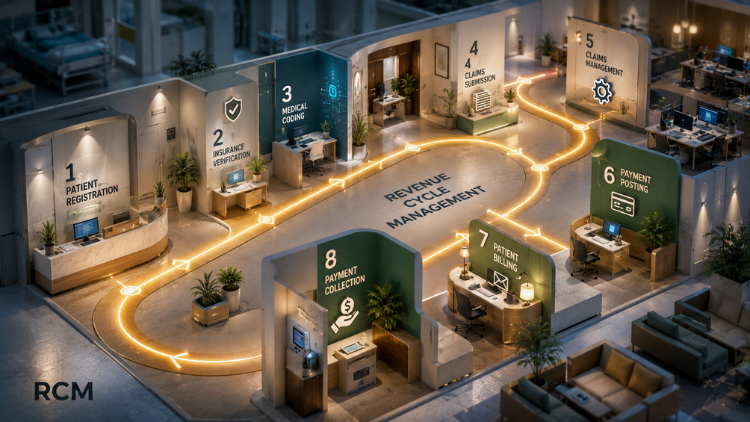
Patient Registration, Insurance Verification, Medical Coding, Billing, Claims & Denial Management Step by Step
5.0
2小时
23 节课
中间的
$19.99
Frequently Bought Together
Learners who enrolled in this course also frequently purchased these complementary courses together.
7-Day Money Back Guarantee for all bundle items
Total price for selected items:
$131.98
$164.97
常见问题解答
查找有关本课程的最常见问题的答案。
是的! 100% 完成课程讲座和作业后,您可以立即直接从您的 Lucebra 个人资料下载经过验证的数字结业证书。
探索更多 Technology 内容
通过权威认证证书、精选电子书和实时互动直播课程拓展您的学习之旅。