Lucebra
Lucebra 企業版

Le questioni nel nostro ambiente

Le questioni nel nostro ambiente

所有級別 • 5 講座 • 終身訪問
Prabh Kirpa Classes

認證碩士導師

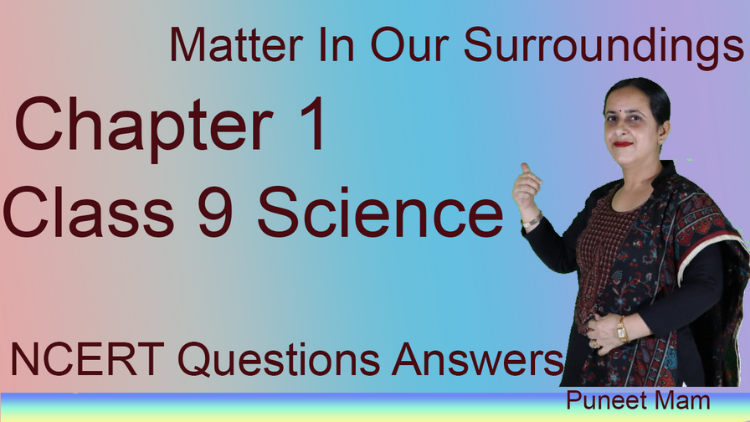
Le questioni nel nostro ambiente
拖車
認識您的導師:Prabh Kirpa Classes

19 ms

5.0 / 5.0
全球評級
2
活躍的學生
美国英语
99 種語言字幕
2小時 5分
總內容

你將學到什麼

Quali sono i tre diversi stati della materia? Quali sono le proprietà dei solidi, dei liquidi e dei gas? Che cosa significa Rigidità e Compressibilità?
Che cosa significa Fluidità, Energia Cinetica e Densità? Come convertire la temperatura Kelvin in temperatura Celsius e viceversa?
Qual è lo stato fisico dell'acqua a diverse temperature? Come liquefare i gas atmosferici? Perché l'acqua è liquida a temperatura ambiente?
Perché il ghiaccio a 273 K è più efficace nel raffreddare rispetto all'acqua alla stessa temperatura? 10. Che cosa produce ustioni più gravi, l'acqua bollente o il vapore?

課程內容

5 部分 • 5 講座 • 02:05:27 總長度

Introduction

03:00
1.What are the three different states of matter? 2.What are the properties of solids, liquids and gases? 3.What is the meaning of Rigidity, Compressibility, Fluidity, Kinetic Energy and Density? 4.How to convert the Kelvin temperature to Celsius temperature and vice versa? 5.What is the physical state of water at different temperatures? 6.How to liquefy atmospheric gases? 7.Why water is a liquid at room temperature? 8.Why an iron almirah is solid at room temperature? 9.Why is ice at 273 K more effective in cooling than water at the same temperature?
  1. What produces more severe burns, boiling water or steam?
  1. What is melting, vaporisation, condensation, freezing, sublimation and deposition?
12.Matter is not continuous but made up of small tiny particles. Explain. . Do we sweat more on a dry day or on a humid day? Explain.
  1. Why wet clothes do not dry easily on a rainy day?
  1. After rains, wet roads dry quickly. Give reason.
  1. How do wind speed and surface area affect the rate of evaporation?
  1. What is dry ice? What are its various uses?
  1. Butter is generally wrapped in wet cloth during summer if no refrigerator is available. Explain.
  1. Define evaporation. What are the various factors which affect the rate of evaporation?
  1. Sugar when kept in Jar of different shapes adopts the shape of the jar, yet we call it solid. Why?
  1. How is heating of sugar different from heating of ammonium chloride?
  1. Sponge is a solid, yet we are able to compress it. Give reasons.
  1. For any substance, why does the temperature remain constant during the change of state?
+ many more questions relating to the everyday life

Properties of solids, liquids and gases. Characteristics of particles of matter

16:51
  1. Tabulate the differences in the characteristics of states of matter.
  1. What are the characteristics of particles of matter?
  1. Why a gas fills completely the vessel in which it is kept?
  1. Why a gas exerts pressure on the walls of container?
  1. Why a wooden table should be called a solid?
  1. Why We can easily move our hand in air but to do the same through wooden block, we need karate expert.
  1. Arrange the following in order of increasing density – air, exhaust from chimneys, honey, water, chalk, cotton and iron.
  1. Liquids generally have lower density as compared to solids. But you must have observed that ice floats on water. Find out why?
  1. Comment upon the following : rigidity, compressibility, fluidity, filling a gas container, shape, kinetic energy and density.
  1. Which of the following are matter? - Chair, air, love, hate, almonds, thought, cold, lemon water, smell of perfume.
  1. Why the smell of hot sizzling food reaches you several meters away, but to get the smell from cold food, you have to go close?
  1. A diver is able to cut through water in a swimming pool. Which property of the matter does this observation show?

Understanding the matter in our surroundings with real life examples

52:41
  1. Convert the following temperature to celsius scale : a) 300K b) 573K
  1. What is the physical state of water at : a) 2500C b) 1000C ?
  1. For any substance, why does the temperature remain constant during the change of state?
  1. Suggest a method to liquefy atmospheric gases.
  1. Why does a desert cooler cool better on a hot dry day?
  1. How does the water kept in an earthen pot become cool during summer?
  1. Why does our palm feel cold when we put some acetone or petrol or perfume on it?
  1. Why are we able to sip hot tea or milk faster from a saucer rather than a cup?
  1. What type of clothes should we wear in summer?
每週學習計劃
規劃您的學習之旅
AI根據您的可用時間生成個人化時間表

要求

Nessuno

目標受眾

Students who are interested in Science

關於本課程

Quando osserviamo ciò che ci circonda, vediamo una grande varietà di cose con diverse forme, dimensioni e consistenze. Tutto in questo universo è composto da materiale che gli scienziati hanno chiamato "materia". L'aria che respiriamo, il cibo che mangiamo, le pietre, le nuvole, le stelle, le piante e gli animali, persino una piccola goccia d'acqua o una particella di sabbia - ogni cosa è materia. Possiamo anche vedere, guardandoci intorno, che tutte le cose sopra menzionate occupano spazio e hanno massa. In altre parole, hanno sia massa* che volume**. Fin dai tempi antichi, gli esseri umani hanno cercato di comprendere il loro ambiente. I primi filosofi indiani classificarono la materia in cinque elementi di base - i "Panch Tatva" - aria, terra, fuoco, cielo e acqua. Secondo loro, tutto, vivente o non vivente, era composto da questi cinque elementi di base. Anche i filosofi greci antichi erano giunti a una classificazione simile della materia. Gli scienziati moderni hanno sviluppato due tipi di classificazione della materia basati sulle loro proprietà fisiche e sulla natura chimica. In questo capitolo impareremo sulla materia basata sulle sue proprietà fisiche. Gli aspetti chimici della materia saranno trattati nei capitoli successivi.


Le particelle di materia sono in continuo movimento, cioè possiedono quella che chiamiamo energia cinetica. Con l'aumento della temperatura, le particelle si muovono più velocemente. Quindi, possiamo dire che con l'aumento della temperatura aumenta anche l'energia cinetica delle particelle. Nelle tre attività sopra osserviamo che le particelle di materia si mescolano da sole tra loro. Lo fanno entrando negli spazi tra le particelle. Questo mescolamento di particelle di due diversi tipi di materia da sole è chiamato diffusione. Osserviamo anche che, riscaldando, la diffusione diventa più veloce. Perché succede questo?


認識您的講師
Prabh Kirpa Classes
5.0 評級
63 學生
看完整資料
Prabh Kirpa Classes
主要導師
Educator
This channel is purely education based. Our aim is to ensure that the students are able to understand each and every question in an easy way. We take pride in providing quality educational services to the students of Class VII to Class XI Science NCERT, English, Computer solutions, Mathematics, Business Studies & Economics. Our goal is to help the leaders of tomorrow to learn to succeed today....
該講師的其他課程:
Prabh Kirpa Classes

學生也買了

查看此課程的學習者也註冊了這些評價最高的課程

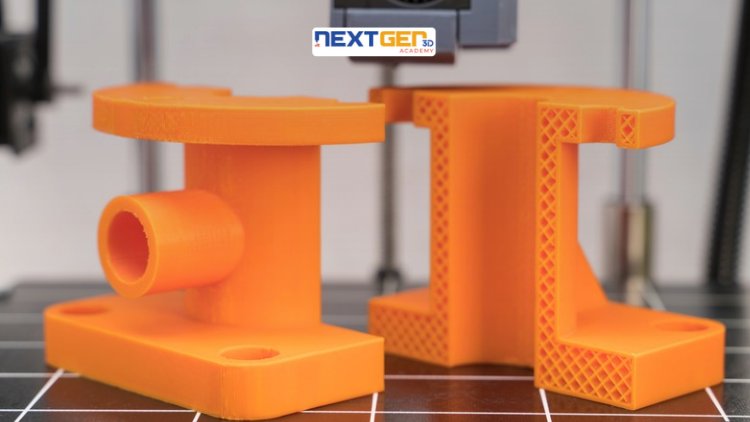
3D Printing Failure Analysis: Root Cause & Diagnostics Masterclass
教學與學術 | 工程

Unlock the world of 3D printing and product creation with a hands-on, industry-focused course designed to turn your ideas into reality. Whether you’re an engineer, designer, technician Masterclass.

5.0
3小時
19 講座
中間的
$12.99
Probability Beyond the Basics: Part 1
教學與學術 | 數學

Taking Your Mastery of Probability to the Next Level

5.0
1小時 30分
6 講座
全部
$9.99

$19.99

Beyond Basics: Calculating Cone Surface Area with Precision
教學與學術 | 數學

Advanced Formulas and Strategies for Cone Surface Area Determination

5.0
1小時
10 講座
全部
$19.99
Future Tense
免費
教學與學術 | 英語文法

FUTURE TENSE

5.0
2小時
4 講座
全部
June 2026 Current Affairs Complete Revision Course
教學與學術 | 時事

Master all important Current Affairs from June 1–30, 2026 with daily video lectures, MCQs, exam-oriented explanations an

5.0
8小時 30分
29 講座
初學者
$29.99

$39.99

Bar Graphs Unveiled: A Comprehensive Introduction
教學與學術 | 數學

Unlocking the Power of Bar Charts for Effective Data Communication

5.0
1小時
5 講座
全部
$14.99

$19.99

常見問題解答

尋找有關本課程的最常見問題的答案。

是的! 100% 完成課程講座和作業後,您可以立即直接從您的 Lucebra 個人資料下載經過驗證的數位結業證書。

探索更多 Technology 內容

透過權威認證證書、精選電子書與即時互動直播課程拓展您的學習之旅。