
Artificial Intelligence (AI) is revolutionizing software maintenance and technical debt management by automating and enhancing tasks such as identifying technical debt, predictive maintenance, and code refactoring. This results in more efficient, effective, and cost-effective software maintenance, ensuring robust, reliable, and adaptable software systems.
KI in der Softwarewartung und im Management technischer Schulden
Behandelt KI-gesteuerte Code-Analyse, Refaktorierungsvorschläge und Strategien zur Minderung langfristiger Wartungskosten.
Lahat ng Antas • 100 Mga lektura • Panghabambuhay na Access
Na-verify na Master Instructor
TRAILER
Kilalanin ang iyong instructor: Peter Alkema
19 ms
5.0 / 5.0
Global Rating1
Mga Aktibong Mag-aaralIngles (American)
99 Mga Subtitle na Wika5 oras 44 min
Kabuuang NilalamanAng matututuhan mo
1. Erklären Sie die Rolle der KI in der Softwarewartung.
2. Beschreiben Sie technische Schulden und deren Auswirkungen.
3. Identifizieren Sie Code-Gerüche mit KI-Erkennungstools.
4. Wenden Sie KI für effektive Software-Refaktorisierung an.
Nilalaman ng Kurso
20 na mga seksyon • 100 mga lektura • 05:44:54 kabuuang habaIntroduction to Machine Learning Models in Code Analysis
03:13
Machine learning models are revolutionizing software maintenance by identifying complex code smells and suggesting specific refactoring strategies, thus automating critical aspects of software upkeep and technical debt management. This shift enables developers to maintain high-quality codebases more efficiently, focusing their efforts on innovation while AI takes care of code analysis and prioritization of maintenance tasks.
Introduction to Machine Learning Models in Code Analysis
PDF
I-download
Data Mining Techniques for Identifying Code Patterns
03:06
Artificial Intelligence (AI) revolutionizes software maintenance and technical debt management by leveraging machine learning algorithms to identify and prioritize technical debt, enhancing efficiency and system reliability. By automating detection and suggesting precise refactoring strategies, AI enables continuous project monitoring and optimizes maintenance workflows, fostering a balance between innovation and debt reduction.
Data Mining Techniques for Identifying Code Patterns
PDF
I-download
Natural Language Processing for Code Documentation Analysis
03:03
Natural Language Processing (NLP) is revolutionizing the way we analyze and manage software documentation by automating the identification of outdated or inadequate documentation and generating new, accurate documentation for code. This innovation not only streamlines software maintenance but also significantly reduces technical debt by ensuring documentation is up-to-date and consistent with the codebase.
Natural Language Processing for Code Documentation Analysis
PDF
I-download
Understanding Codebase Metrics and AI Interpretations
03:34
Artificial Intelligence (AI) is revolutionizing the software maintenance phase by offering solutions to manage technical debt proactively through machine learning algorithms and natural language processing. By identifying code smells, prioritizing tasks, integrating into workflows, and predicting future maintenance needs, AI enhances the efficiency and reliability of software development processes.
Understanding Codebase Metrics and AI Interpretations
PDF
I-download
Case Studies: Successes of AI in Code Analysis
03:40
Artificial Intelligence (AI) is revolutionizing software development by identifying code smells, suggesting refactoring opportunities, and prioritizing technical debt management tasks, thereby ensuring higher code quality and project sustainability. Its ability to analyze vast codebases and offer real-time maintenance insights is making software maintenance more efficient and reducing the accumulation of technical debt.
Case Studies: Successes of AI in Code Analysis
PDF
I-download
Understanding Technical Debt in Software Development
03:11
Managing technical debt involves recognizing and strategically addressing the extra development work caused by initial shortcuts in software projects to maintain efficiency and cost-effectiveness. Employing tools like AI and machine learning for early identification and assessment, along with practices such as code reviews and refactoring, is key to effectively controlling technical debt and ensuring the long-term health of software systems.
Understanding Technical Debt in Software Development
PDF
I-download
AI Techniques for Technical Debt Identification
03:16
Artificial Intelligence (AI) is reshaping the approach to software maintenance and technical debt management by identifying code smells, suggesting refactoring opportunities, and prioritizing tasks for more efficient and maintainable softwaredevelopment. By integrating AI techniques into the development lifecycle, organizations can automate the management of technical debt, thereby enhancing code quality, reducing costs, and accelerating development cycles.
AI Techniques for Technical Debt Identification
PDF
I-download
Prioritization of Technical Debt Items Using AI
03:14
Artificial intelligence (AI) is revolutionizing software maintenance and technical debt management by enabling the early and accurate identification of issues, along with prioritizing technical debt items based on their potential impact on system performance. By integrating into existing workflows, AI not only promotes more efficient use of development resources but also improves the quality and sustainability of software systems over time.
Prioritization of Technical Debt Items Using AI
PDF
I-download
Automating Technical Debt Documentation with AI Tools
03:24
AI tools are revolutionizing software maintenance by automating the documentation of technical debt, identifying and suggesting fixes for "code smells" and enabling prioritization of issues for more efficient management. These tools also integrate predictive analytics into development workflows, improving codebase health and reducing maintenance costs while fostering proactive technical debt management.
Automating Technical Debt Documentation with AI Tools
PDF
I-download
Strategic Refactoring Decisions Supported by AI Insights
03:03
Artificial Intelligence (AI) is transforming software maintenance by automating the identification of code smells, suggesting precise refactoring strategies, and prioritizing maintenance tasks to manage technical debt more efficiently. This enables predictive and optimized software performance, making maintenance and technical debt management more sustainable and efficient.
Strategic Refactoring Decisions Supported by AI Insights
PDF
I-download
Lingguhang Plano ng Pag-aaral
Planuhin ang iyong paglalakbay sa pag-aaral
Ang AI ay lumilikha ng personalized na iskedyul ayon sa iyong oras5 oras/linggo
Mga kinakailangan
1. Es gibt keine Anforderungen oder Vorkenntnisse für diesen Kurs, aber die unten aufgeführten Punkte sind ein Leitfaden für nützliches Hintergrundwissen, das den Wert und die Vorteile dieses Kurses erhöhen wird.
2. Grundlegendes Verständnis von Programmierkonzepten und -sprachen wie Python oder Java.
3. Vertrautheit mit Softwareentwicklungsprozessen und -lebenszyklus.
4. Eine einführende Kenntnis von Konzepten der maschinellen Lernfähigkeit und künstlichen Intelligenz.
Target na Audience
1. Software developers who seek to improve their code quality and efficiency through AI tools.
2. Project managers looking to better manage technical debt and streamline software maintenance processes with AI.
3. Machine learning engineers interested in applying AI for code analysis, refactoring, and optimization tasks.
4. Quality assurance professionals aiming to automate and enhance testing practices using AI technologies.
Tungkol sa kursong ito
In der sich rasant entwickelnden Technologiewelt war die Nachfrage nach Softwarewartung und -verbesserung noch nie so hoch. Die Softwareindustrie befindet sich in einem unerbittlichen Wettlauf, nicht nur um zu innovieren, sondern auch um die riesigen Ökosysteme bestehender Codebasen zu warten und zu verfeinern. In diesem Zusammenhang ist die Rolle der Künstlichen Intelligenz (KI) bei der Transformation der Softwarewartungsabläufe von einem reaktiven zu einem proaktiven Paradigma nicht nur faszinierend; sie ist revolutionär. Sind Sie bereit, Teil dieser Transformation zu sein?
Unser Team erfahrener Pädagogen und Branchenexperten hat diesen umfassenden Kurs sorgfältig entwickelt, um Sie nicht nur zu navigieren, sondern auch zu exzellieren in der hochmodernen Arena der KI-gestützten Softwarewartung. Mit einer reichen Palette praktischer Übungen, eingehender Fallstudien und leistungsstarker KI-Tools ist dieser Kurs eine Reise von den grundlegenden Prinzipien der KI in der Code-Analyse bis hin zur Beherrschung von Strategien für das Management technischer Schulden, Refaktorisierung und die Optimierung der CI/CD-Pipeline mit KI.
Warum ist dieser Kurs heute relevant? In einer Ära, in der digitale Transformation im Vordergrund der Organisationsstrategien steht, ist es keine Option, Softwaresysteme robust, effizient und anpassungsfähig zu halten; es ist unerlässlich. Die Komplexität und das Volumen des Codes, gepaart mit dem rasanten Tempo des technologischen Wandels, haben die Fähigkeiten traditioneller Wartungsansätze überholt. KI bietet nicht nur Lösungen, sondern auch einen Paradigmenwechsel in unserem Ansatz, wie wir Software angehen, analysieren und verbessern. Unser Kurs stattet Sie mit dem Wissen und den Werkzeugen aus, um an der Spitze dieser Veränderung zu stehen und Herausforderungen in Chancen für Innovation und Karrierefortschritt zu verwandeln.
Begeben Sie sich auf eine Reise, bei der Sie beginnen, die Rolle der KI beim Identifizieren von Code-Gerüchen und der Automatisierung von Refaktorisierung zu verstehen, sich durch die Feinheiten der Integration von KI in Softwarewartungsabläufe bewegen und tief in die Nutzung von KI für die Vorhersage und Verwaltung technischer Schulden eintauchen. Praktische Übungen und Abschlussprojekte stellen sicher, dass das Lernen praktisch ist und Ihnen erlaubt, KI-Techniken auf reale Softwareprojekte anzuwenden. Diese Projekte sind nicht nur Lernübungen; sie sind ihr portfolio-fertiger Beweis für Expertise in der Nutzung von KI für Softwarewartung.
Unser Lehrplan zeichnet sich dadurch aus, dass er nicht nur für theoretisches Verständnis, sondern für praktische, greifbare Fähigkeitserwerb konzipiert ist. Ob Sie ein Anfänger sind, der begierig darauf ist, seine Spuren in der Welt der Softwarewartung zu hinterlassen oder ein erfahrener Profi, der seine Fähigkeiten erweitern möchte, unser Kurs bietet Ihnen die notwendigen Werkzeuge und Kenntnisse, um die Führung in diesem spannenden Bereich zu übernehmen.
Mga Oportunidad sa Karera at Target na Trabaho
Bumuo ng mga praktikal na kasanayan para sa trabaho at maging kuwalipikado sa mga prestihiyosong posisyon
Kurikulum na Handa sa Trabaho
Mga Trabahong Puwede Mong Aplayan
AI Solutions Engineer
Applied Generative AI Specialist
LLM & Prompt Architecture Consultant
AI Automation & Workflow Lead
Tinatayang Taunang Sahod
$105,000 – $165,000 / yr
Pangangailangan sa Pandaigdigang Merkado
Fastest Growing Worldwide (#1)
Mga Pangunahing Kasanayang Matututunan Mo* Mga pagtatantya batay sa mga pamantayan sa pag-hire ng teknolohiya sa buong mundo.
Applied Generative AI Architecture
Model Fine-Tuning & Evaluation
Vector Databases & RAG Workflows
Autonomous AI Agent Orchestration
Kilalanin ang iyong instruktor
Peter Alkema
Pangunahing Instruktor
Business | Technology | Self Development
"What an amazing course! After finishing this course, I have confidence. Thank so much Dr Peter Alkema" ... "This is exactly the jump-start I needed. Very clear and concise"
I lead Digital Transformation & Architecture at ABB and I've been featured on CNBC Africa and won the Gartner CIO Of The Year in 2016. I founded and led the largest banking hackathon in South Africa which was published in 2019 as a case study by Harvard Business School.
I've taught over 100,000 students about technology, business, academics and self-development. In 2020 I completed my PhD at Wits University In Johannesburg. The study introduced a ground-breaking theory of Agile software development teams. My woodworking book was published in 2014 and has sold over 10,000 copies.
Olugbenga Gbadegesin: "Excellent delivery" / Lebogang Tswelapele: "This is what I have been longing for" / Paskalia Ndapandula: "Peter speaks with so much clarity" / Amantle Mangwedi: "It was straight to the point and the sections are cut into nice short segments which made it easier to go through" Kathy Bermudez: "Excellent material. Well organized..."
Werner van Wyk: "Thank you Peter, once again your lesson and course have given me so much knowledge and understanding" / Yvonne Rudolph "I really look forward to take everything i learned in action" / Josephine Mahlangu: "exactly what I needed to know, absolutely valuable and helpful for my personal growth"...
Iba pang mga Kurso ni
Peter AlkemaBumili din ang mga estudyante
Ang mga mag-aaral na tumingin sa kursong ito ay nag-enroll din sa mga nangungunang kursong ito
LIBRE
Tendencia
IT at Software | HardwareMagsimula na
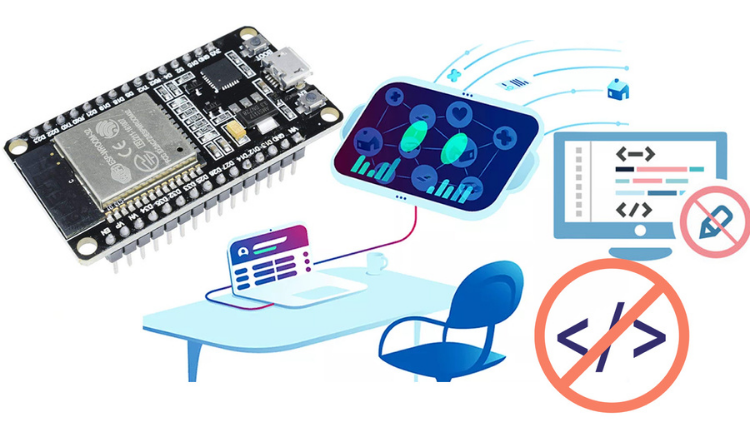
Program ESP32 Board without writing a single code in A Professional Environment
5.0
2 oras 30 min
18 mga lecture
Lahat
LIBRE
IT at Software | Hardware
Revolutionize Your Coding Skills with Al: A Comprehensive Guide for Beginners
5.0
2 oras
11 mga lecture
Lahat
$10.99
$19.99
IT at Software | Seguridad ng Impormasyon
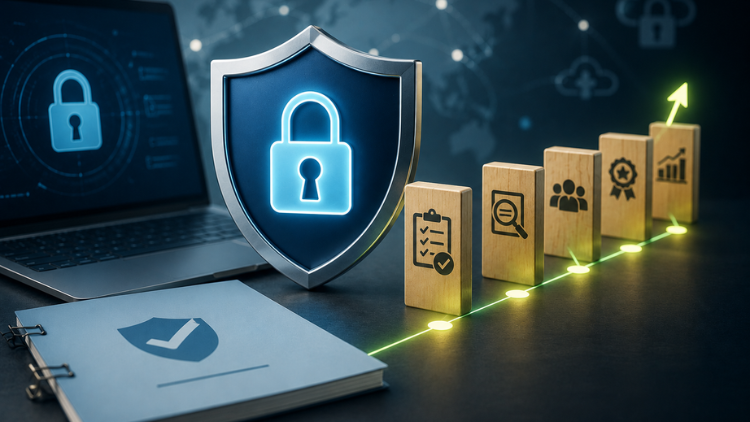
Master ISO 27001: Achieve Certification, Build Security, and Ensure Compliance for Your Organization
5.0
1 oras 30 min
10 mga lecture
Baguhan
$39.99
$54.99
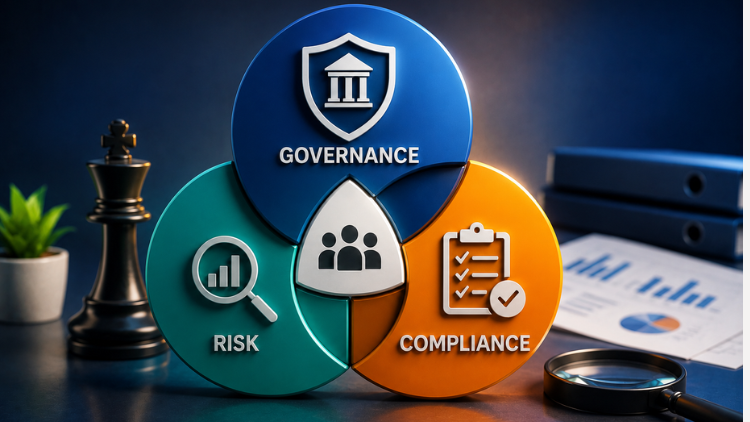
IT at Software | Certified in Governance, Risk and Compliance (CGRC)
Master GRC: Step-by-Step Guide to Implementing Governance, Risk, and Compliance for Business Success
5.0
2 oras 30 min
35 mga lecture
Intermediate
$39.99
$64.99
IT at Software | Arduino
Seamlessly Stream and Visualize Real-Time Data from Arduino into Excel with Ease
5.0
1 oras 30 min
6 mga lecture
Lahat
$9.99
$34.99

IT at Software | Iba pang IT at Software
Learn how to create and customize a website with no prior coding experience.
5.0
1 oras 30 min
12 mga lecture
Lahat
$9.99
$19.99
Frequently Bought Together
Learners who enrolled in this course also frequently purchased these complementary courses together.
7-Day Money Back Guarantee for all bundle items
Total price for selected items:
$87.98
$109.97
Mga Madalas Itanong
Maghanap ng mga sagot sa pinakakaraniwang tanong tungkol sa kursong ito.
Oo! Sa pagkumpleto ng 100% ng mga lektura at takdang-aralin sa kurso, maaari mong agad na i-download ang iyong na-verify na digital na Sertipiko ng Pagkumpleto nang direkta mula sa iyong profile sa Lucebra.
Mag-explore Pa sa Technology
Palawakin ang iyong pag-aaral gamit ang mga kinikilalang sertipiko, e-book, at live interactive na mga klase.