
The ethical governance of AI in software development hinges on addressing issues such as bias, data privacy, and accountability to ensure fair and responsible use of technology. Establishing clear ethical guidelines and compliance frameworks, like the IEEE's Ethically Aligned Design, is crucial for aligning AI systems with our shared values and securing the benefits of AI for everyone.
KI in der Softwareentwicklung: Ethische Überlegungen und Governance
Behandelt algorithmische Verzerrung, Datenschutz, Verantwortlichkeitsrahmen und verantwortungsvolle KI-Governance in der Softwareentwicklung.
Lahat ng Antas • 100 Mga lektura • Panghabambuhay na Access
Na-verify na Master Instructor

TRAILER
Kilalanin ang iyong instructor: Peter Alkema
19 ms
5.0 / 5.0
Global Rating1
Mga Aktibong Mag-aaralIngles (American)
99 Mga Subtitle na Wika5 oras 28 min
Kabuuang NilalamanAng matututuhan mo
1. Definieren Sie KI-Ethik in der Softwareentwicklung (Erinnern).
2. Erklären Sie die Rolle der KI im Datenschutz (Verstehen).
3. Wenden Sie Prinzipien der ethischen KI-Nutzung an (Anwenden).
4. Differenzieren Sie Arten von Verzerrungen in KI (Analysieren).
Nilalaman ng Kurso
20 na mga seksyon • 100 mga lektura • 05:28:40 kabuuang habaIntroduction to Bias in AI
02:58
Bias in artificial intelligence (AI) arises from the use of historical data that reflects existing societal disparities, leading to unfair outcomes in areas such as facial recognition, hiring, and credit scoring. Addressing AI bias requires diverse datasets, transparency in decision-making processes, and adherence to ethical guidelines aimed at ensuring fairness, accountability, and privacy protection.
Introduction to Bias in AI
PDF
I-download
Types of Bias and Their Impact on Software Solutions
02:48
Bias in AI, stemming from skewed training data or flawed algorithm design, can lead to unfair outcomes across various applications, from job screenings to loan approvals. Addressing these biases involves collaborative efforts from developers, policymakers, and stakeholders to ensure AI systems are equitable and representative of diverse populations.
Types of Bias and Their Impact on Software Solutions
PDF
I-download
Detecting and Mitigating Bias in AI Systems
03:12
Detecting and mitigating bias in AI systems is critical for ensuring fairness and equity, as biases can enter through various channels such as training data, algorithms, and user interpretations. Strategies for reducing bias include diversifying training data, applying fairness criteria and mitigation algorithms, and enhancing transparency and explainability of AI systems.
Detecting and Mitigating Bias in AI Systems
PDF
I-download
Case Studies: Bias in Real-World AI Applications
02:54
The ethical considerations and governance of AI in software development, including addressing bias, ensuring data privacy, and establishing accountability, are crucial for realizing the technology's full potential while respecting human rights and promoting social good. Mitigating bias with diverse datasets, safeguarding privacy through robust security measures, and enhancing transparency and oversight in AI decision-making are fundamental steps toward ethical AI integration.
Case Studies: Bias in Real-World AI Applications
PDF
I-download
Strategies for Developing Unbiased AI Algorithms
02:53
Developing unbiased AI algorithms involves a comprehensive strategy that includes ensuring the diversity and inclusivity of training data, implementing fairness measures, maintaining transparency, continuous monitoring for biases, and engaging with stakeholders. This approach is essential for creating AI systems that are both effective and ethically sound, thereby building trust in AI technologies and ensuring their positive contribution to society.
Strategies for Developing Unbiased AI Algorithms
PDF
I-download
Fundamentals of Data Privacy
03:29
Data privacy in today's digital age is centered around the principles of informed consent, data minimization, and transparency, ensuring individuals have control over their personal information and are protected from misuse. As artificial intelligence and software development utilize vast amounts of data, it's crucial to incorporate privacy measures from the design phase and comply with regulations like GDPR and CCPA to safeguard user data and maintain trust.
Fundamentals of Data Privacy
PDF
I-download
AI’s Role in Data Collection and Analysis
03:22
Artificial Intelligence (AI) significantly enhances data collection and analysis by efficiently gathering data from diverse sources and identifying complex patterns, driving informed decision-making across various industries. However, the adoption of AI raises ethical concerns, including data privacy and bias, emphasizing the need for strict data governance policies and ethical frameworks.
AI’s Role in Data Collection and Analysis
PDF
I-download
Data Privacy Challenges in AI Applications
02:55
The development and application of AI technology raise significant ethical issues surrounding data privacy, necessitating a balance between technological advancement and the protection of individual privacy rights. Addressing these concerns requires the implementation of ethical guidelines, transparent data practices, and the development of unbiased algorithms to ensure AI systems respect privacy and promote fairness.
Data Privacy Challenges in AI Applications
PDF
I-download
Implementing Data Privacy Policies in AI Projects
03:47
Implementing effective data privacy policies in AI projects is essential for protecting sensitive user information and complying with global regulations like GDPR, which emphasizes transparency, accountability, and individual privacy rights. Employing techniques such as encryption, anonymization, data minimization, and regular audits are crucial steps towards integrating privacy considerations into AI development, thereby ensuring ethical practices and building trust with users.
Implementing Data Privacy Policies in AI Projects
PDF
I-download
Case Studies on Data Privacy in AI-driven Software
02:39
The lesson explores the critical importance of data privacy in AI-driven software, illuminating how the collection and analysis of vast amounts of personal data by AI technologies raise significant privacy concerns. It highlights innovative solutions like differential privacy and federated learning as means to balance the benefits of AI with the need for protecting user information, in the face of global regulations like GDPR that demand high data protection standards.
Case Studies on Data Privacy in AI-driven Software
PDF
I-download
Lingguhang Plano ng Pag-aaral
Planuhin ang iyong paglalakbay sa pag-aaral
Ang AI ay lumilikha ng personalized na iskedyul ayon sa iyong oras5 oras/linggo
Mga kinakailangan
1. Es gibt keine Anforderungen oder Vorkenntnisse für diesen Kurs, aber die unten aufgeführten Punkte sind ein Leitfaden für nützliches Hintergrundwissen, das den Wert und die Vorteile dieses Kurses erhöhen wird.
2. Grundlegendes Verständnis von Konzepten der künstlichen Intelligenz und des maschinellen Lernens.
3. Vertrautheit mit Softwareentwicklungszyklen und -methodologien.
4. Bewusstsein für ethische, rechtliche und gesellschaftliche Fragen im Zusammenhang mit Technologie.
Target na Audience
1. Software Developers and Engineers - aiming to integrate AI into their projects while maintaining ethical standards.
2. AI Researchers - focused on understanding the ethical implications of AI algorithms and seeking strategies for responsible AI development.
3. Data Scientists - interested in addressing bias and privacy concerns in AI models they develop or utilize in their work.
4. Technology Policy Makers - looking to draft regulations and guidelines that govern the ethical use of AI in software development.
Tungkol sa kursong ito
In einer Ära, in der Künstliche Intelligenz (KI) jeden Bereich unseres Lebens durchdringt, von der Art und Weise, wie wir arbeiten, bis hin zu unserer persönlichen und beruflichen Interaktion, waren die ethischen Implikationen dieser Technologien noch nie so wichtig. Haben Sie sich jemals gefragt, welche tiefgreifenden Auswirkungen KI auf die Gesellschaft, unsere Privatsphäre, Entscheidungsprozesse und sogar die Zukunft der Arbeit haben könnte? Oder vielleicht, wie wir das immense Potenzial von KI nutzen können, während wir gleichzeitig die ethischen Fallstricke navigieren, um eine Zukunft zu schaffen, die nicht nur technologisch fortschrittlich, sondern auch gerecht und nachhaltig ist?
Unser Team, bestehend aus Branchenveteranen, ethischen KI-Forschern und erfahrenen Softwareentwicklern, hat sich zusammengetan, um diese drängenden Fragen zu beantworten. Mit jahrzehntelanger kombinierter Erfahrung an der Spitze der KI-Entwicklung und ethischer Forschung bringen wir Ihnen einen Kurs, der darauf ausgelegt ist, die Komplexität der ethischen KI in der Softwareentwicklung zu entschlüsseln. Unsere Reise durch die Entwicklung bahnbrechender KI-Anwendungen hat uns die kritische Notwendigkeit vermittelt, ethische Überlegungen in jedem Schritt des KI-Lebenszyklus zu integrieren. Dieser Kurs ist unsere Initiative, dieses unschätzbare Wissen zu teilen und darauf abzielen, Fachleute wie Sie auf die Zukunft der verantwortungsvollen KI-Entwicklung vorzubereiten.
Dieser umfassende Kurs ist sorgfältig konzipiert, um das gesamte Spektrum der ethischen KI in der Softwareentwicklung abzudecken. Ob Sie von den Nuancen der Verzerrung in KI-Algorithmen fasziniert sind, den Feinheiten des Datenschutzes, dem lebenswichtigen Bedarf an Verantwortlichkeit bei KI-Entscheidungen oder den aufkommenden globalen Vorschriften zur KI-Nutzung, bietet dieser Kurs wertvolle Einblicke in jeden dieser Bereiche und mehr.
Begeben Sie sich auf eine faszinierende Reise mit uns, während wir uns in die Grundlagen der Ethik in KI vertiefen. Erkunden Sie die vielfältige Landschaft der KI in der Softwareentwicklung und erfassen Sie die Grundprinzipien, die die ethische Nutzung von KI-Technologien leiten. Während Sie voranschreiten, stellen Sie sich den realen Herausforderungen bei der Anwendung dieser ethischen Prinzipien und bedenken Sie die verschiedenen ethischen Überlegungen, die mit der KI-Integration aufkommen.
Unsere einzigartige Kursstruktur führt Sie durch das Verständnis und die Minderung von Verzerrungen in KI-Systemen – wir beleuchten, wie Verzerrungen entstehen, ihre Auswirkungen auf Softwarelösungen und praktische Strategien für die Entwicklung unvoreingenommener KI-Algorithmen. Navigieren Sie durch die komplexe Welt des Datenschutzes in KI-gestützter Software und lernen Sie, wie Sie Datenschutzrichtlinien und -praktiken effektiv in Ihren KI-Projekten implementieren können.
Mga Oportunidad sa Karera at Target na Trabaho
Bumuo ng mga praktikal na kasanayan para sa trabaho at maging kuwalipikado sa mga prestihiyosong posisyon
Kurikulum na Handa sa Trabaho
Mga Trabahong Puwede Mong Aplayan
AI Solutions Engineer
Applied Generative AI Specialist
LLM & Prompt Architecture Consultant
AI Automation & Workflow Lead
Tinatayang Taunang Sahod
$105,000 – $165,000 / yr
Pangangailangan sa Pandaigdigang Merkado
Fastest Growing Worldwide (#1)
Mga Pangunahing Kasanayang Matututunan Mo* Mga pagtatantya batay sa mga pamantayan sa pag-hire ng teknolohiya sa buong mundo.
Applied Generative AI Architecture
Model Fine-Tuning & Evaluation
Vector Databases & RAG Workflows
Autonomous AI Agent Orchestration
Kilalanin ang iyong instruktor
Peter Alkema
Pangunahing Instruktor
Business | Technology | Self Development
"What an amazing course! After finishing this course, I have confidence. Thank so much Dr Peter Alkema" ... "This is exactly the jump-start I needed. Very clear and concise"
I lead Digital Transformation & Architecture at ABB and I've been featured on CNBC Africa and won the Gartner CIO Of The Year in 2016. I founded and led the largest banking hackathon in South Africa which was published in 2019 as a case study by Harvard Business School.
I've taught over 100,000 students about technology, business, academics and self-development. In 2020 I completed my PhD at Wits University In Johannesburg. The study introduced a ground-breaking theory of Agile software development teams. My woodworking book was published in 2014 and has sold over 10,000 copies.
Olugbenga Gbadegesin: "Excellent delivery" / Lebogang Tswelapele: "This is what I have been longing for" / Paskalia Ndapandula: "Peter speaks with so much clarity" / Amantle Mangwedi: "It was straight to the point and the sections are cut into nice short segments which made it easier to go through" Kathy Bermudez: "Excellent material. Well organized..."
Werner van Wyk: "Thank you Peter, once again your lesson and course have given me so much knowledge and understanding" / Yvonne Rudolph "I really look forward to take everything i learned in action" / Josephine Mahlangu: "exactly what I needed to know, absolutely valuable and helpful for my personal growth"...
Iba pang mga Kurso ni
Peter AlkemaBumili din ang mga estudyante
Ang mga mag-aaral na tumingin sa kursong ito ay nag-enroll din sa mga nangungunang kursong ito
LIBRE
Tendencia
IT at Software | HardwareMagsimula na
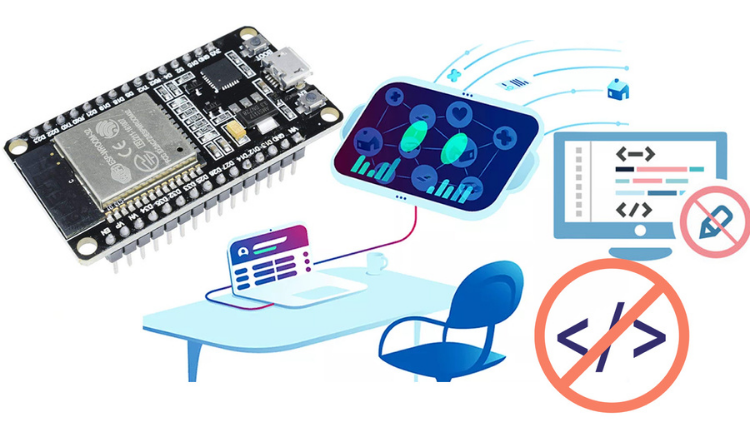
Program ESP32 Board without writing a single code in A Professional Environment
5.0
2 oras 30 min
18 mga lecture
Lahat
LIBRE

IT at Software | Hardware
Revolutionize Your Coding Skills with Al: A Comprehensive Guide for Beginners
5.0
2 oras
11 mga lecture
Lahat
$10.99
$19.99

IT at Software | Seguridad ng Impormasyon
Master ISO 27001: Achieve Certification, Build Security, and Ensure Compliance for Your Organization
5.0
1 oras 30 min
10 mga lecture
Baguhan
$39.99
$54.99
IT at Software | Certified in Governance, Risk and Compliance (CGRC)
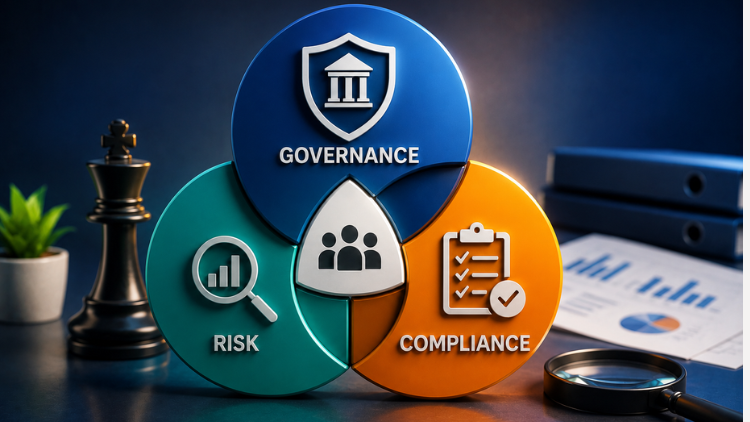
Master GRC: Step-by-Step Guide to Implementing Governance, Risk, and Compliance for Business Success
5.0
2 oras 30 min
35 mga lecture
Intermediate
$39.99
$64.99

IT at Software | Arduino
Seamlessly Stream and Visualize Real-Time Data from Arduino into Excel with Ease
5.0
1 oras 30 min
6 mga lecture
Lahat
$9.99
$34.99

IT at Software | Iba pang IT at Software
Learn how to create and customize a website with no prior coding experience.
5.0
1 oras 30 min
12 mga lecture
Lahat
$9.99
$19.99
Frequently Bought Together
Learners who enrolled in this course also frequently purchased these complementary courses together.
7-Day Money Back Guarantee for all bundle items
Total price for selected items:
$82.38
$102.97
Mga Madalas Itanong
Maghanap ng mga sagot sa pinakakaraniwang tanong tungkol sa kursong ito.
Oo! Sa pagkumpleto ng 100% ng mga lektura at takdang-aralin sa kurso, maaari mong agad na i-download ang iyong na-verify na digital na Sertipiko ng Pagkumpleto nang direkta mula sa iyong profile sa Lucebra.
Mag-explore Pa sa Technology
Palawakin ang iyong pag-aaral gamit ang mga kinikilalang sertipiko, e-book, at live interactive na mga klase.