Lucebra
Lucebra 企業版
教學與學術/科學/生物學

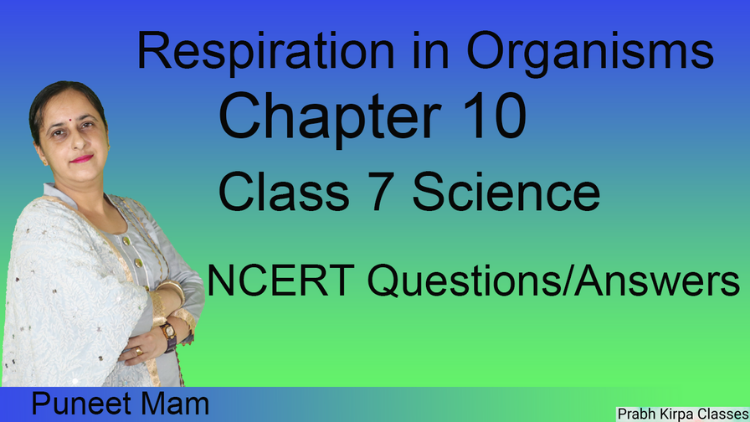
การหายใจในสิ่งมีชีวิต บทที่ 10 วิทยาศาสตร์ ชั้น 7

การหายใจในสิ่งมีชีวิต บทที่ 10 วิทยาศาสตร์ ชั้น 7

所有級別 • 5 講座 • 終身訪問
Prabh Kirpa Classes

認證碩士導師

การหายใจในสิ่งมีชีวิต บทที่ 10 วิทยาศาสตร์ ชั้น 7
拖車
認識您的導師:Prabh Kirpa Classes

19 ms

5.0 / 5.0
全球評級
2
活躍的學生
美国英语
99 種語言字幕
33分
總內容

你將學到什麼

1. ทำไมนักกีฬาจึงหายใจเร็วและลึกกว่าปกติหลังจากจบการแข่งขัน?
2. คุณสมบัติที่เหมือนกันและต่างกันระหว่างการหายใจแบบแอโรบิกและแอนแอโรบิก 3. ทำไมเราจึงถ่ามจมูกเมื่อสูดอากาศที่มีฝุ่นเยอะ?
4. ในระหว่างการออกกำลังกายหนัก เราจะมีอาการปวดขาเนื่องจากการสะสมของสารใด?
5. ทำไมนักปีนเขาจึงพกออกซิเจนไปด้วย?

課程內容

2 部分 • 5 講座 • 00:33:47 總長度

Introduction

03:25

Q.1. Why does an athlete breathe faster and deeper than usual after finishing the race?

Q.2. List the similarities and differences between aerobic and anaerobic respiration.

Q.3.. Why do we often sneeze when we inhale a lot of dust-laden air?

Q.4. Take three test-tubes. Fill ¾th of each with water. Label them A, B and C. Keep a snail in test-tube A, a water plant in test-tube B and in C, keep snail and plant both. Which test-tube would have the highest concentration of CO2?

Q.5.Tick the correct answer:

(a) In cockroaches, air enters the body through

(i) lungs (ii) gills (iii) spiracles (iv) skin

(b) During heavy exercise, we get cramps in the legs due to the accumulation of

(i)carbon dioxide (ii) lactic acid (iii) alcohol (iv) water

( c ) Normal range of breathing rate per minute in an average adult person at rest is:

(i) 9–12 (ii) 15–18 (iii) 21–24 (iv) 30–33

(d) During exhalation, the ribs

(i) move outwards (ii) move downwards

(iii) move upwards (iv) do not move at all

Q.6. Match the items in Column I with those in Column II:

Column I Column II

(a) Yeast (i) Earthworm

(b) Diaphragm (ii) Gills

(c) Skin (iii) Alcohol

(d) Leaves (iv) Chest cavity

(e) Fish (v) Stomata

(f) Frog (vi) Lungs and skin

(vii) Tracheae

Q.7. Mark ‘T’ if the statement is true and ‘F’ if it is false:

(i) During heavy exercise the breathing rate of a person slows down. (T/F)

(ii) Plants carry out photosynthesis only during the day and respiration only at night. (T/F)

(iii) Frogs breathe through their skins as well as their lungs.(T/F)

(iv) The fishes have lungs for respiration. (T/F)

(v) The size of the chest cavity increases during inhalation. (T/F)

Q. 8. Given below is a square of letters in which are hidden different words related to respiration in organisms. These words may be present in any direction — upwards, downwards, or along the diagonals.

Find the words for your respiratory system. Clues about those words are given below the square.

Q. 9. The mountaineers carry oxygen with them because:

(a) At an altitude of more than 5 km there is no air

(b) The amount of air available to a person is less than that available on the ground.

(c) The temperature of air is higher than that on the ground.

(d) The pressure of air is higher than that on the ground.
Respiration in Organisms NCERT Question No.1 to 3

08:09

Q.1. Why does an athlete breathe faster and deeper than usual after finishing the race?

Q.2. List the similarities and differences between aerobic and anaerobic respiration.

Q.3.. Why do we often sneeze when we inhale a lot of dust-laden air?

Respiration in Organisms NCERT Questions No. 4 & 5

08:33

Q.4. Take three test-tubes. Fill ¾th of each with water. Label them A, B and C. Keep a snail in test-tube A, a water plant in test-tube B and in C, keep snail and plant both. Which test-tube would have the highest concentration of CO2?

Q.5.Tick the correct answer:

(a) In cockroaches, air enters the body through

(i) lungs (ii) gills (iii) spiracles (iv) skin

(b) During heavy exercise, we get cramps in the legs due to the accumulation of

(i)carbon dioxide (ii) lactic acid (iii) alcohol (iv) water

( c ) Normal range of breathing rate per minute in an average adult person at rest is:

(i) 9–12 (ii) 15–18 (iii) 21–24 (iv) 30–33

(d) During exhalation, the ribs

(i) move outwards (ii) move downwards

(iii) move upwards (iv) do not move at all

Respiration in Organisms NCERT Questions No. 6 & 7

08:51

Q.6. Match the items in Column I with those in Column II:

Column I Column II

(a) Yeast (i) Earthworm

(b) Diaphragm (ii) Gills

(c) Skin (iii) Alcohol

(d) Leaves (iv) Chest cavity

(e) Fish (v) Stomata

(f) Frog (vi) Lungs and skin

(vii) Tracheae

Respiration in Organisms NCERT Questions No. 8 & 9

04:46

Q. 8. Given below is a square of letters in which are hidden different words related to respiration in organisms. These words may be present in any direction — upwards, downwards, or along the diagonals.

Find the words for your respiratory system. Clues about those words are given below the square.

Q. 9. The mountaineers carry oxygen with them because:

(a) At an altitude of more than 5 km there is no air

(b) The amount of air available to a person is less than that available on the ground.

(c) The temperature of air is higher than that on the ground.

(d) The pressure of air is higher than that on the ground.

每週學習計劃
規劃您的學習之旅
AI根據您的可用時間生成個人化時間表

要求

ไม่มี

目標受眾

การหายใจในสิ่งมีชีวิต ชั้น 7 วิทยาศาสตร์

關於本課程

Q.1. ทำไมนักกีฬาจึงหายใจเร็วและลึกกว่าปกติหลังจากจบการแข่งขัน?

Q.2. ระบุคุณสมบัติที่เหมือนกันและต่างกันระหว่างการหายใจแบบแอโรบิกและแอนแอโรบิก

Q.3. ทำไมเราจึงถ่ามจมูกเมื่อสูดอากาศที่มีฝุ่นเยอะ?

Q.4. ใช้ท่อทดลองสามเส้น เติมน้ำให้เต็ม ¾ ของแต่ละเส้น ตั้งชื่อว่า A, B และ C ใส่หอยทากในท่อทดลอง A ใส่พืชน้ำในท่อทดลอง B และในท่อทดลอง C ใส่ทั้งหอยทากและพืชน้ำ ท่อทดลองใดจะมีความเข้มข้นของ CO2 สูงที่สุด?

Q.5. ทำเครื่องหมายที่ตอบคำตอบที่ถูกต้อง:

(a) ในแมลงเหล่าปอกเปลือก อากาศเข้าสู่ร่างกายผ่านทาง

(i) ปอด (ii) เหงือก (iii) รูหายใจ (iv) ผิวหนัง

(b) ในระหว่างการออกกำลังกายหนัก เราจะมีอาการปวดขาเนื่องจากการสะสมของ

(i) คาร์บอนไดออกไซด์ (ii) กรดแลกติก (iii) แอลกอฮอล์ (iv) น้ำ

(c) อัตราการหายใจต่อนาทีที่เป็นปกติในผู้ใหญ่เฉลี่ยที่พักคือ:

(i) 9–12 (ii) 15–18 (iii) 21–24 (iv) 30–33

(d) ในระหว่างการหายใจออก ซี่โครง

(i) เคลื่อนที่ไปข้างนอก (ii) เคลื่อนที่ลงล่าง

(iii) เคลื่อนที่ไปข้างบน (iv) ไม่เคลื่อนที่เลย

Q.6. จับคู่รายการในคอลัมน์ I กับคอลัมน์ II:

คอลัมน์ I        คอลัมน์ II

(a) ยีสต์        (i) ตัวกรรมพันธุ์

(b) เยื่อหายใจ   (ii) เหงือก

(c) ผิวหนัง         (iii) แอลกอฮอล์

(d) ใบไม้         (iv) ช่องอก

(e) ปลา            (v) รูพายุ

(f) กบ            (vi) ปอดและผิวหนัง

                      (vii) ท่อลม

Q.7. ทำเครื่องหมายที่

認識您的講師
Prabh Kirpa Classes
5.0 評級
63 學生
看完整資料
Prabh Kirpa Classes
主要導師
Educator
This channel is purely education based. Our aim is to ensure that the students are able to understand each and every question in an easy way. We take pride in providing quality educational services to the students of Class VII to Class XI Science NCERT, English, Computer solutions, Mathematics, Business Studies & Economics. Our goal is to help the leaders of tomorrow to learn to succeed today....
該講師的其他課程:
Prabh Kirpa Classes

學生也買了

查看此課程的學習者也註冊了這些評價最高的課程

3D Printing Failure Analysis: Root Cause & Diagnostics Masterclass
教學與學術 | 工程

Unlock the world of 3D printing and product creation with a hands-on, industry-focused course designed to turn your ideas into reality. Whether you’re an engineer, designer, technician Masterclass.

5.0
3小時
19 講座
中間的
$12.99
Probability Beyond the Basics: Part 1
教學與學術 | 數學

Taking Your Mastery of Probability to the Next Level

5.0
1小時 30分
6 講座
全部
$9.99

$19.99

Beyond Basics: Calculating Cone Surface Area with Precision
教學與學術 | 數學

Advanced Formulas and Strategies for Cone Surface Area Determination

5.0
1小時
10 講座
全部
$19.99
Future Tense
免費
教學與學術 | 英語文法

FUTURE TENSE

5.0
2小時
4 講座
全部
June 2026 Current Affairs Complete Revision Course
教學與學術 | 時事

Master all important Current Affairs from June 1–30, 2026 with daily video lectures, MCQs, exam-oriented explanations an

5.0
8小時 30分
29 講座
初學者
$29.99

$39.99

Bar Graphs Unveiled: A Comprehensive Introduction
教學與學術 | 數學

Unlocking the Power of Bar Charts for Effective Data Communication

5.0
1小時
5 講座
全部
$14.99

$19.99

常見問題解答

尋找有關本課程的最常見問題的答案。

是的! 100% 完成課程講座和作業後,您可以立即直接從您的 Lucebra 個人資料下載經過驗證的數位結業證書。

探索更多 Technology 內容

透過權威認證證書、精選電子書與即時互動直播課程拓展您的學習之旅。