
Vibe coding, involving AI-generated code, fundamentally challenges traditional concepts of copyright and intellectual property rights by raising questions about authorship when code is produced by artificial intelligence rather than humans. This shift necessitates a reevaluation of current legal frameworks governing software licensing and copyright, to balance the protection of creators' rights with the promotion of innovation and collaboration in the software development community.
การเชี่ยวชาญกฎหมายทรัพย์สินทางปัญญาใน AI และซอฟต์แวร์: วิธีการจัดการยุคการเขียนโค้ด Vibe
วิธีการจัดการอนาคตของเทคโนโลยี: ทรัพย์สินทางปัญญาใน AI และซอฟต์แวร์ ครอบคลุมการเขียนโค้ด Vibe จริยธรรม AI และกฎหมายทรัพย์สินทางปัญญาระดับโลก
Ngazi Zote • 100 Mihadhara • Ufikiaji wa Maisha Yote
Mwalimu Mkuu Aliyethibitishwa

trailer ya gari
Kutana na mwalimu wako: Peter Alkema
19 ms
5.0 / 5.0
Ukadiriaji wa Kimataifa1
Wanafunzi WatendajiKiingereza (Marekani)
Nukuu 99 za Lugha5 saa 44 dak
Jumla ya MaudhuiUtajifunza nini
1. กำหนดแนวคิดของสิทธิทรัพย์สินทางปัญญาในซอฟต์แวร์
2. อธิบายวิวัฒนาการทางประวัติศาสตร์ของลิขสิทธิ์ซอฟต์แวร์
3. ระบุแนวคิดการเป็นผู้เขียนในการพัฒนาซอฟต์แวร์
4. อธิบายผลกระทบของการเขียนโค้ด Vibe ต่อปฏิบัติการทางกฎหมาย
Maudhui ya Kozi
20 sehemu • 100 mihadhara • 05:44:12 urefu wa jumlaDefining Vibe Coding and Its Technological Underpinnings
03:46
Vibe coding revolutionizes human-computer interaction by developing software and algorithms capable of understanding and adapting to human emotions, preferences, and behaviors, utilizing AI, machine learning, and sensor technology. This innovation not only offers personalized user experiences across various sectors but also raises important considerations regarding privacy, data security, and ethical technology use.
Defining Vibe Coding and Its Technological Underpinnings
PDF
Pakua
Challenges of Attributing Authorship in Vibe Coding
03:19
Vibe coding, which involves collaboration between humans and artificial intelligence in software development, challenges traditional concepts of authorship and intellectual property rights. This technological innovation necessitates a reevaluation of laws and licensing models to accommodate the collaborative nature of human and AI contributions, impacting everything from open-source to proprietary software.
Challenges of Attributing Authorship in Vibe Coding
PDF
Pakua
AI-generated Code vs. Human-Created Code: A Legal Perspective
03:12
The emergence of AI-generated code poses novel challenges to traditional copyright laws, questioning the notions of authorship and ownership in the realm of software development. Legal experts, policymakers, and technologists must collaborate to adapt legal frameworks to accommodate both human-created and AI-generated code, ensuring innovation and intellectual property rights are protected in this new digital age.
AI-generated Code vs. Human-Created Code: A Legal Perspective
PDF
Pakua
Copyrightability of AI-generated Software Code
03:20
The intersection of artificial intelligence and software development, specifically through AI-generated software code, presents new challenges and opportunities for intellectual property and licensing, questioning traditional notions of authorship and copyright protection. As AI continues to influence software creation, it prompts a reevaluation of legal frameworks to balance innovation with the rights and interests of all stakeholders in the tech and legal communities.
Copyrightability of AI-generated Software Code
PDF
Pakua
Case Studies: Legal Disputes Involving AI Coding
03:28
The emergence of vibe coding, which utilizes artificial intelligence to generate or suggest code, introduces significant legal challenges in determining copyright ownership when contributions are made by both humans and AI. This innovative coding approach necessitates the development of new intellectual property laws and licensing models to accommodate the intertwined contributions of human and machine, balancing the protection of creators' rights with the promotion of innovation and collaboration in software development.
Case Studies: Legal Disputes Involving AI Coding
PDF
Pakua
Basics of Software Licensing: An Overview
02:59
Software licensing is a legal framework that dictates the use and distribution of software, serving as a contract between the creator or publisher and the user to outline usage rights and protect intellectual property. It encompasses various types of licenses, including open-source, proprietary, and enterprise agreements, each defining specific rights, limitations, and responsibilities to prevent piracy and foster innovation while accommodating personal and commercial use.
Open Source Licensing in the Context of Vibe Coding
03:09
The emergence of vibe coding, which integrates artificial intelligence with coding, presents new challenges and opportunities for open source licensing, especially regarding authorship and contribution when AI generates or modifies code. Addressing these challenges requires adapting or creating new licensing frameworks that maintain the open source principles of collaboration, transparency, and freedom, while recognizing both human and AI contributions.
Implications of Vibe Coding for Software Licensing Models
03:45
Vibe coding, powered by AI to generate software based on inputs and vibes, is challenging traditional intellectual property and licensing models by blurring the lines of authorship. This technological advancement necessitates a reevaluation of legal frameworks to address the ownership and rights of AI-generated code, potentially transforming software development and distribution.
Proprietary Software Licensing and AI-generated Code
03:30
The intersection of proprietary software licensing and AI-generated code presents new challenges and opportunities in defining authorship, ownership, and the applicability of existing intellectual property laws in the digital age. As AI's role in code generation grows, companies, legal professionals, and policymakers are exploring new licensing models and legal frameworks to ensure that innovation continues in a way that respects intellectual property rights and promotes fair use.
Evaluating Licensing Agreements for AI-Generated Software
03:44
Today's lesson explores the complex interplay between vibe coding—a creative and intuitive approach to programming—and the challenges it poses to traditional intellectual property and licensing frameworks, particularly in the context of AI-generated code. It underscores the necessity of reevaluating and adapting legal structures to address the evolving landscape of software development and ownership in the age of artificial intelligence.
Basics of Software Licensing: An Overview
PDF
Pakua
Implications of Vibe Coding for Software Licensing Models
PDF
Pakua
Open Source Licensing in the Context of Vibe Coding
PDF
Pakua
Proprietary Software Licensing and AI-generated Code
PDF
Pakua
Evaluating Licensing Agreements for AI-Generated Software
PDF
Pakua
Mpango wa Masomo wa Kila Wiki
Panga safari yako ya kujifunza
AI hutengeneza ratiba ya kibinafsi kulingana na upatikanaji wako5 saa/wiki
Mahitaji
1. ไม่มีข้อกำหนดหรือข้อตกลงล่วงหน้าสำหรับหลักสูตรนี้ แต่รายการที่ระบุด้านล่างนี้เป็นคำแนะนำสำหรับความรู้พื้นฐานที่จะเพิ่มมูลค่าและประโยชน์ของหลักสูตรนี้
2. ความเข้าใจพื้นฐานของกระบวนการและวิธีการพัฒนาซอฟต์แวร์
3. ความคุ้นเคยกับหลักการทั่วไปของกฎหมายทรัพย์สินทางปัญญา
4. ความสนใจในการตัดกันของเทคโนโลยี กฎหมาย และปัญญาประดิษฐ์
Watazamaji Walengwa
1. นักพัฒนาซอฟต์แวร์ที่สนใจในการรวม AI เข้าไปในแนวทางการเขียนโค้ดของตน
2. ทนายความทรัพย์สินทางปัญญาที่เชี่ยวชาญในเทคโนโลยีและสิทธิดิจิทัล
3. ผู้ประกอบการด้านเทคโนโลยีที่สำรวจโมเดลธุรกิจที่ขับเคลื่อนด้วย AI
4. ผู้ร่วมมือโอเพนซอร์สที่ต้องการเข้าใจผลกระทบของ AI ต่อโปรเจ็คที่ทำงานร่วมกัน
Kuhusu kozi hii
ในยุคที่เทคโนโลยีไม่เพียงแต่เสริมเสริมเท่านั้น แต่ยังเป็นตัวนำในการดำเนินธุรกิจและการสร้างสรรค์ การตัดกันของกฎหมายทรัพย์สินทางปัญญา (IP) และการพัฒนาซอฟต์แวร์ไม่สำคัญเท่าใดในปัจจุบัน ในขณะที่เราเข้าสู่โลกดิจิทัลเป็นหลัก กฎการเจรจาสำหรับผู้สร้างสรรค์ นักพัฒนา และนักประดิษฐ์กำลังได้รับการเขียนใหม่ คุณเคยคิดถึงขนาดของเฟรมเวิร์กทางกฎหมายของนวัตกรรมหรือไม่ หรือว่าภูมิทัศน์ที่กำลังพัฒนาของปัญญาประดิษฐ์ (AI) เข้ากันได้อย่างไรกับกรอบงานที่มีอยู่หรือท้าทายกรอบงานที่มีอยู่หรือไม่ หากคำถามเหล่านี้กระตุ้นความอยากรู้หรือสะท้อนกับการเดินทางอาชีพของคุณ คุณกำลังมาถึงโอกาสการเรียนรู้ที่ไม่มีใครเทียบได้
เราเป็นทีมผู้เชี่ยวชาญด้านกฎหมายทรัพย์สินทางปัญญา นักพัฒนาซอฟต์แวร์ที่มีประสบการณ์ และอาจารย์ที่อุทิศตนเอง ประสบการณ์ร่วมของเราครอบคลุมการออกแบบกลยุทธ์ทรัพย์สินทางปัญญาที่มั่นคงสำหรับบริษัทข้ามชาติ การจัดการคดีทรัพย์สินทางปัญญาที่ซับซ้อน และการเป็นผู้บุกเบิกโครงการพัฒนาซอฟต์แวร์ที่ได้ขยายขอบเขตของเทคโนโลยี ด้วยความร่วมมือที่มีประสบการณ์หลายทศวรรษ เราได้เป็นพยานตรงที่กฎหมายทรัพย์สินทางปัญญาถูกใช้อย่างมีประสิทธิภาพในเทคโนโลยีและความท้าทายที่มาพร้อมกับมัน แรงจูงใจในการแชร์ความรู้ของเรามาจากความเชื่อร่วมกัน: การเข้าใจในสิทธิทรัพย์สินทางปัญญาไม่ใช่เพียงสำหรับผู้เชี่ยวชาญด้านกฎหมายเท่านั้น แต่เป็นสิ่งจำเป็นสำหรับใครก็ตามที่ก้าวเข้าสู่โลกของการพัฒนาซอฟต์แวร์และนวัตกรรมเทคโนโลยี
ทำไมหลักสูตรนี้ถึงสำคัญในปัจจุบัน ในขณะที่เทคโนโลยีกำลังพัฒนาอย่างรวดเร็ว ภูมิทัศน์ของกฎหมายทรัพย์สินทางปัญญาก็กำลังพัฒนาด้วย ปัญญาประดิษฐ์ บล็อกเชน และเทคโนโลยีที่เป็นขั้นต้นอื่น ๆ ไม่เพียงแต่กำลังปรับปรุงโลกของเรา แต่กำลังวาดเส้นใหม่ของสิ่งที่สามารถเป็นของตน สิทธิบัตร หรือได้รับการค้ำจุนทางลิขสิทธิ์ ในยุคดิจิทัลนี้ มูลค่าของซอฟต์แวร์และนวัตกรรมดิจิทัลไม่มีผู้เทียบได้
ประโยชน์:
ข้อกำหนด: 1. ไม่มีข้อกำหนดหรือข้อตกลงล่วงหน้าสำหรับหลักสูตรนี้ แต่รายการที่ระบุด้านล่างนี้เป็นคำแนะนำสำหรับความรู้พื้นฐานที่จะเพิ่มมูลค่าและประโยชน์ของหลักสูตรนี้
สำหรับใคร: 1. นักพัฒนาซอฟต์แวร์ที่สนใจในการรวม AI เข้าไปในแนวทางการเขียนโค้ดของตน
6. ผู้กำหนดนโยบายและที่ปรึกษานิติบัญญัติที่ทำงานกับกฎหมายเทคโนโลยี
Fursa za Kazi na Majukumu Lengwa
Jenga ujuzi wa vitendo unaotakiwa kazini na uhitimu kwa nafasi zenye ushawishi mkubwa duniani
Mtaala Uliotayarishwa kwa Ajira
Majukumu ya Kazi Unayoweza Kuomba
AI Solutions Engineer
Applied Generative AI Specialist
LLM & Prompt Architecture Consultant
AI Automation & Workflow Lead
Mshahara Unaokadiriwa kwa Mwaka
$105,000 – $165,000 / yr
Mahitaji ya Soko Ulimwenguni
Fastest Growing Worldwide (#1)
Ujuzi Muhimu Utakaobobea* Makadirio yanatokana na vigezo vya kimataifa vya uajiri wa kiteknolojia.
Applied Generative AI Architecture
Model Fine-Tuning & Evaluation
Vector Databases & RAG Workflows
Autonomous AI Agent Orchestration
Kutana na mkufunzi wako
Peter Alkema
Mwalimu Mkuu
Business | Technology | Self Development
"What an amazing course! After finishing this course, I have confidence. Thank so much Dr Peter Alkema" ... "This is exactly the jump-start I needed. Very clear and concise"
I lead Digital Transformation & Architecture at ABB and I've been featured on CNBC Africa and won the Gartner CIO Of The Year in 2016. I founded and led the largest banking hackathon in South Africa which was published in 2019 as a case study by Harvard Business School.
I've taught over 100,000 students about technology, business, academics and self-development. In 2020 I completed my PhD at Wits University In Johannesburg. The study introduced a ground-breaking theory of Agile software development teams. My woodworking book was published in 2014 and has sold over 10,000 copies.
Olugbenga Gbadegesin: "Excellent delivery" / Lebogang Tswelapele: "This is what I have been longing for" / Paskalia Ndapandula: "Peter speaks with so much clarity" / Amantle Mangwedi: "It was straight to the point and the sections are cut into nice short segments which made it easier to go through" Kathy Bermudez: "Excellent material. Well organized..."
Werner van Wyk: "Thank you Peter, once again your lesson and course have given me so much knowledge and understanding" / Yvonne Rudolph "I really look forward to take everything i learned in action" / Josephine Mahlangu: "exactly what I needed to know, absolutely valuable and helpful for my personal growth"...
Kozi Zaidi na
Peter AlkemaWanafunzi pia walinunua
Wanafunzi waliotazama kozi hii pia walijiandikisha katika kozi hizi zilizopewa alama za juu
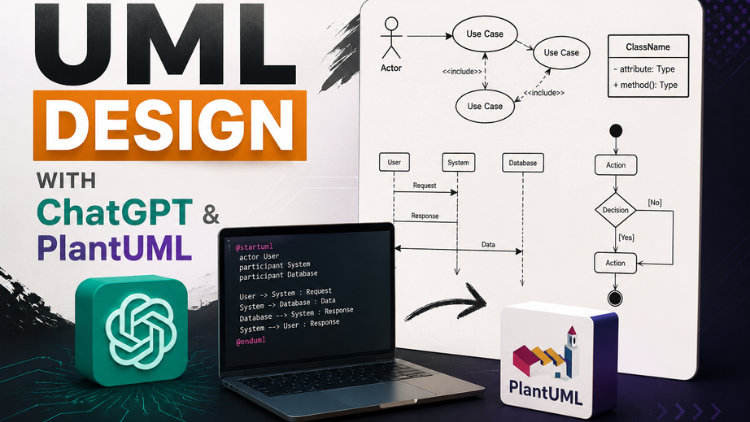
Uendelezaji wa Programu | Lugha Iliyounganishwa ya Kuiga (UML)
Learn UML design faster with ChatGPT and PlantUML automation.
5.0
1 saa 30 dak
20 Lecture
Kati
$19.99
$24.99
Uendelezaji wa Programu | Akili Bandia (AI)
Compare and master the leading AI chatbots with hands-on tutorials and expert tips for effective use
5.0
1 saa
20 Lecture
Yote
$12.99
$54.99

Uendelezaji wa Programu | C# (lugha ya programu)
Master C# Basics in no Time - A Comprehensive Course Packed with Examples, tips and exercises!
5.0
2 saa 30 dak
17 Lecture
Yote
$19.99
Uendelezaji wa Programu | GumzoGPT
ChatGPT for Beginners: Use ChatGPT to WIN in your CAREER as a professional or Make a Business Using ChatGPT OpenAI!
5.0
3 saa
37 Lecture
Yote
$24.99
Uendelezaji wa Programu | SQL
Become an Expert at Microsoft SQL! By writing SQL queries for Data Analytics and Data Science base concepts
5.0
6 saa 30 dak
87 Lecture
Yote
$9.99
$39.99
Uendelezaji wa Programu | Python
Master Python Fundamentals in Telugu – Variables, Loops, Functions, OOPs, Projects and More with Practical Examples
5.0
9 saa 30 dak
90 Lecture
Yote
$44.99
$74.99
Frequently Bought Together
Learners who enrolled in this course also frequently purchased these complementary courses together.
7-Day Money Back Guarantee for all bundle items
This course:
Inayouzwa Zaidi
$64.99
Total price for selected items:
$115.98
$144.97
Maswali Yanayoulizwa Mara Kwa Mara
Pata majibu kwa maswali ya kawaida kuhusu kozi hii.
Ndiyo! Baada ya kukamilisha 100% ya mihadhara na kazi za kozi, unaweza kupakua Cheti chako cha Dijitali cha Kukamilisha papo hapo moja kwa moja kutoka kwa wasifu wako wa Lucebra.
Gundua zaidi katika Technology
Panua safari yako ya kujifunza kwa vyeti vilivyoidhinishwa, vitabu vya kielektroniki na madarasa ya moja kwa moja.