
Strategic thinking is a vital skill for all professionals, enabling individuals at every level to align their daily actions with the broader goals of their organization. By seeing the bigger picture, anticipating challenges, and prioritizing impact, employees contribute more effectively to long-term success and organizational agility.
전략적 사고 기술 개발: 비경영진을 위한 성공 도구
전략적 사고 마스터하기: 경쟁 우위, 의사결정 기술, 혁신, 팀 협업을 통한 경력 성장을 위한 도구
所有級別 • 100 講座 • 終身訪問
認證碩士導師

拖車
認識您的導師:Peter Alkema
19 ms
5.0 / 5.0
全球評級1
活躍的學生美国英语
99 種語言字幕4小時 19分
總內容你將學到什麼
전략적 사고를 정의하고 모든 전문가의 일상 업무에서의 관련성을 설명합니다. (기억)
작은 일일 선택이 더 큰 비즈니스 결과에 어떻게 영향을 미치는지 설명합니다. (이해)
일상 업무 상황에서 전략적 사고 프로세스의 단계를 설명합니다. (적용)
비경영진이 영향력 있는 전략적 결정을 내리는 예를 분석합니다. (분석)
課程內容
20 部分 • 100 講座 • 04:19:21 總長度What Is Competitive Advantage and Why It Matters for Every Role
02:15
Competitive advantage is what sets an organization apart from its competitors in ways customers value, influencing every role and daily decision within the company. Understanding and supporting this advantage, no matter your position, helps the organization succeed and remain resilient in a changing marketplace.
What Is Competitive Advantage and Why It Matters for Every Role
PDF
下載
Understanding Trade-Offs: Resources, Focus, and Organizational Choices
02:39
Strategic thinking requires recognizing limited resources and making deliberate trade-offs to focus on priorities that align with organizational goals. Successful organizations achieve greater impact by embracing these trade-offs rather than trying to do everything.
Understanding Trade-Offs: Resources, Focus, and Organizational Choices
PDF
下載
Foundations of Long-Term vs Short-Term Thinking in Professional Decisions
02:53
Balancing short-term and long-term thinking is essential for making strategic professional decisions that deliver immediate results while supporting future growth. By considering both perspectives, individuals and organizations can achieve sustainable success and create lasting value.
Foundations of Long-Term vs Short-Term Thinking in Professional Decisions
PDF
下載
Recognizing Patterns: The Power of Systems Thinking in Any Department
03:02
Systems thinking helps organizations understand how different departments and actions are interconnected, allowing them to identify patterns and address root causes rather than just symptoms. By recognizing these patterns, employees can make smarter decisions, foster collaboration, and drive long-term organizational success.
Recognizing Patterns: The Power of Systems Thinking in Any Department
PDF
下載
Case Study: Gaining Advantage Through Small Decisions at Entry and Manager Levels
02:31
Strategic advantage doesn't come only from large executive moves; small, thoughtful decisions by employees at all levels can significantly contribute to organizational success. Empowering professionals to align everyday choices with long-term goals fosters adaptability and a culture of continuous improvement.
Case Study: Gaining Advantage Through Small Decisions at Entry and Manager Levels
PDF
下載
Applying the SWOT Framework to Team and Project Planning
02:32
The lesson demonstrates how the SWOT framework—analyzing strengths, weaknesses, opportunities, and threats—can be effectively used by teams for project planning, not just large-scale company strategy. By applying SWOT analysis, teams can make informed decisions, assign roles based on strengths, address weaknesses, leverage opportunities, and proactively manage risks to improve project outcomes.
Applying the SWOT Framework to Team and Project Planning
PDF
下載
Visualizing the Five Forces That Shape Your Team’s Working Environment
02:59
The lesson explains how understanding the five key forces—competitive rivalry, threat of new entrants, supplier power, customer/stakeholder influence, and substitute solutions—helps teams analyze their working environment and make strategic decisions. By regularly assessing these forces, teams are better equipped to anticipate challenges, seize opportunities, and align their actions with long-term goals.
Visualizing the Five Forces That Shape Your Team’s Working Environment
PDF
下載
Mapping Out Value Chain Opportunities for Non-Executive Roles
02:44
Understanding the value chain empowers employees at all levels to identify where they add value and find opportunities for improvement, leading to greater organizational efficiency and competitiveness. By recognizing how their work connects to the broader chain, individuals can make more strategic contributions and support business success.
Mapping Out Value Chain Opportunities for Non-Executive Roles
PDF
下載
Using Stakeholder Analysis to Guide Internal and External Strategy
02:52
Stakeholder analysis helps professionals at all levels identify, assess, and engage key individuals or groups who influence or are affected by their projects. By understanding stakeholders’ interests and influence, non-executives can make more strategic decisions, build support, and improve project outcomes.
Using Stakeholder Analysis to Guide Internal and External Strategy
PDF
下載
Case Study: Frameworks in Action for Product Teams and Service Managers
02:13
This lesson highlights how product teams and service managers use strategic frameworks like SWOT analysis, customer journey mapping, Porter’s Five Forces, and the Balanced Scorecard to make informed decisions and drive long-term success. Real-world examples demonstrate how these tools help identify opportunities, mitigate risks, and foster continuous improvement within organizations.
Case Study: Frameworks in Action for Product Teams and Service Managers
PDF
下載
每週學習計劃
規劃您的學習之旅
AI根據您的可用時間生成個人化時間表5 小時/週
要求
이 강좌에는 요구 사항이나 사전 요건이 없지만, 아래 항목은 강좌의 가치와 이점을 높이는 데 유용한 배경 지식에 대한 가이드입니다.
영어 읽기 및 쓰기의 기본 숙련도 (강좌 자료 및 토론에 참여하기 위해)
업무 환경, 팀 역학 또는 조직 구조에 대한 일반적인 익숙함
온라인 활동에 참여하고 자료에 접근하기 위해 인터넷에 연결된 컴퓨터 또는 모바일 기기 접근
目標受眾
Early-career professionals seeking to enhance decision-making and strategic impact within their current roles.
Non-executive managers aiming to develop practical strategy skills for leading teams and projects.
Departmental and team leaders wanting to foster collaboration and innovation without executive authority.
Individual contributors in operations, marketing, HR, or finance interested in understanding organization-wide strategy.
關於本課程
전략적 사고는 더 이상 경영진이나 이사회 회의에만 국한되지 않습니다. 오늘날의 빠르게 변화하는 비즈니스 환경에서 모든 직급의 전문가들이 일상적인 결정을 통해 장기적인 결과에 영향을 미칩니다. 이 강좌는 비경영진이 체계적인 전략적 사고 기술을 개발하고 일상적인 행동을 조직의 광범위한 목표와 연결하도록 돕기 위해 설계되었습니다.
작은 결정이 부서 전반과 시간 경과에 걸쳐 파급 효과를 미치는 방법을 탐구하고, 비즈니스 환경에서 '나비 효과'를 인식하는 법을 배웁니다. 이 강좌는 SWOT 분석, 이해관계자 매핑, 가치 사슬 분석, 시스템 사고, 기회 비용 평가, 의사결정 매트릭스 등의 실용적인 프레임워크를 소개하며, 이는 경영진 역할을 넘어 실제 세계에 적용됩니다.
적용된 사례 연구를 통해, 위험을 식별하고, 기회를 발견하고, 장기적인 우선 순위와 일치시키는 방법으로 비경영진이 회사 방향을 어떻게 형성했는지 검토합니다. 단기 성과 압력과 지속 가능한 성장의 균형을 맞추고, 교환을 지능적으로 평가하고, 행동하기 전에 2차 및 3차 결과를 예측하는 법을 배웁니다.
이 강좌는 또한 불확실성 속에서의 데이터 해석, 부서 간 협업, 윤리적 의사결정, 전략적 커뮤니케이션을 다룹니다. 신호와 잡음을 분리하고, 의사결정을 지원하기 위해 데이터를 시각적으로 제시하고, 공식적인 권한 없이 결과에 영향을 미치는 능력을 개발합니다.
이 강좌를 마치면, 전략적으로 더 체계적으로 생각하고, 더 의도적으로 행동하고, 전략적으로 더 기여할 수 있게 될 것입니다 - 경영진 직책은 필요하지 않습니다.
職業發展機會與目標職位
掌握前沿實務技能,勝任全球高薪核心職務
就業就緒型課程
可應徵的目標職位
Project Operations Lead (PMP/Agile)
Strategic Business Analyst
Product Operations Manager
Corporate Process Strategist
預估年薪範圍
$82,000 – $135,000 / yr
全球產業需求
Steady Enterprise & Corporate Demand
掌握的核心關鍵技能* 估算數據基於全球科技產業薪酬指標與市場招聘報告。
Agile & Waterfall Project Delivery
Financial Modeling & Cost Control
Cross-Functional Stakeholder Alignment
Process Optimization & KPI Tracking
認識您的講師
Peter Alkema
主要導師
Business | Technology | Self Development
"What an amazing course! After finishing this course, I have confidence. Thank so much Dr Peter Alkema" ... "This is exactly the jump-start I needed. Very clear and concise"
I lead Digital Transformation & Architecture at ABB and I've been featured on CNBC Africa and won the Gartner CIO Of The Year in 2016. I founded and led the largest banking hackathon in South Africa which was published in 2019 as a case study by Harvard Business School.
I've taught over 100,000 students about technology, business, academics and self-development. In 2020 I completed my PhD at Wits University In Johannesburg. The study introduced a ground-breaking theory of Agile software development teams. My woodworking book was published in 2014 and has sold over 10,000 copies.
Olugbenga Gbadegesin: "Excellent delivery" / Lebogang Tswelapele: "This is what I have been longing for" / Paskalia Ndapandula: "Peter speaks with so much clarity" / Amantle Mangwedi: "It was straight to the point and the sections are cut into nice short segments which made it easier to go through" Kathy Bermudez: "Excellent material. Well organized..."
Werner van Wyk: "Thank you Peter, once again your lesson and course have given me so much knowledge and understanding" / Yvonne Rudolph "I really look forward to take everything i learned in action" / Josephine Mahlangu: "exactly what I needed to know, absolutely valuable and helpful for my personal growth"...
該講師的其他課程:
Peter Alkema學生也買了
查看此課程的學習者也註冊了這些評價最高的課程

商業與管理 | 銷售與行銷
Bridge the gap between sales and marketing teams with proven strategies, collaborative frameworks, and real-world tools to drive unified business growth.
5.0
2小時
11 講座
全部
$10.99
$19.99
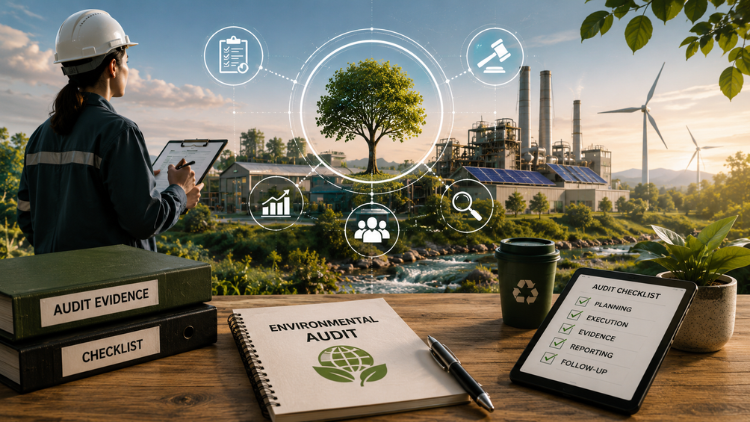
商業與管理 | 環境管理
ISO 19011 Audit Planning, Evidence Gathering, Findings, Reporting & Certification | Clauses 4-10 Explained
5.0
4小時
58 講座
中間的
$54.99
$69.99

商業與管理 | 說服性溝通
Master Persuasion: Ethical Influence, Effective Speaking, Storytelling, and Cross-Cultural Strategies for Success
5.0
5小時 30分
99 講座
全部
$9.99
$29.99

商業與管理 | 銷售技巧
Discover proven sales & marketing secrets to master objections, psychology, and boost wealth & success.
5.0
2小時 30分
4 講座
初學者
$29.99
$64.99

商業與管理 | 產品行銷
Step-by-step guide to plan, market, and execute a successful product or service launch.
5.0
30分
9 講座
全部
$10.99
$24.99

商業與管理 | 收入週期管理 (RCM)
Patient Registration, Insurance Verification, Medical Coding, Billing, Claims & Denial Management Step by Step
5.0
2小時
23 講座
中間的
$19.99
Frequently Bought Together
Learners who enrolled in this course also frequently purchased these complementary courses together.
7-Day Money Back Guarantee for all bundle items
Total price for selected items:
$143.98
$179.97
常見問題解答
尋找有關本課程的最常見問題的答案。
是的! 100% 完成課程講座和作業後,您可以立即直接從您的 Lucebra 個人資料下載經過驗證的數位結業證書。
探索更多 Technology 內容
透過權威認證證書、精選電子書與即時互動直播課程拓展您的學習之旅。