
The ethical governance of AI in software development hinges on addressing issues such as bias, data privacy, and accountability to ensure fair and responsible use of technology. Establishing clear ethical guidelines and compliance frameworks, like the IEEE's Ethically Aligned Design, is crucial for aligning AI systems with our shared values and securing the benefits of AI for everyone.
AI in Softwareontwikkeling: Ethische Overwegingen en Governance
Affronta il pregiudizio algoritmico, la privacy dei dati, i quadri di responsabilità e la governance responsabile dell'IA nello sviluppo software
Alle niveaus • 100 Lezingen • Levenslange Toegang
Geverifieerde Master Instructeur

AANHANGWAGEN
Maak kennis met je instructeur: Peter Alkema
19 ms
5.0 / 5.0
Globale beoordeling1
Actieve studentenEngels (Verenigde Staten)
99 Talen Ondertitels5 uur 28 min
Totale inhoudWat je gaat leren
1. Definire l'etica dell'IA nello sviluppo software (Ricordare).
2. Spiegare il ruolo dell'IA nella privacy dei dati (Comprendere).
3. Applicare i principi dell'uso etico dell'IA (Applicare).
4. Differenziare i tipi di pregiudizio nell'IA (Analizzare).
Cursusinhoud
20 secties • 100 lezingen • 05:28:40 totale lengteIntroduction to Bias in AI
02:58
Bias in artificial intelligence (AI) arises from the use of historical data that reflects existing societal disparities, leading to unfair outcomes in areas such as facial recognition, hiring, and credit scoring. Addressing AI bias requires diverse datasets, transparency in decision-making processes, and adherence to ethical guidelines aimed at ensuring fairness, accountability, and privacy protection.
Introduction to Bias in AI
PDF
Downloaden
Types of Bias and Their Impact on Software Solutions
02:48
Bias in AI, stemming from skewed training data or flawed algorithm design, can lead to unfair outcomes across various applications, from job screenings to loan approvals. Addressing these biases involves collaborative efforts from developers, policymakers, and stakeholders to ensure AI systems are equitable and representative of diverse populations.
Types of Bias and Their Impact on Software Solutions
PDF
Downloaden
Detecting and Mitigating Bias in AI Systems
03:12
Detecting and mitigating bias in AI systems is critical for ensuring fairness and equity, as biases can enter through various channels such as training data, algorithms, and user interpretations. Strategies for reducing bias include diversifying training data, applying fairness criteria and mitigation algorithms, and enhancing transparency and explainability of AI systems.
Detecting and Mitigating Bias in AI Systems
PDF
Downloaden
Case Studies: Bias in Real-World AI Applications
02:54
The ethical considerations and governance of AI in software development, including addressing bias, ensuring data privacy, and establishing accountability, are crucial for realizing the technology's full potential while respecting human rights and promoting social good. Mitigating bias with diverse datasets, safeguarding privacy through robust security measures, and enhancing transparency and oversight in AI decision-making are fundamental steps toward ethical AI integration.
Case Studies: Bias in Real-World AI Applications
PDF
Downloaden
Strategies for Developing Unbiased AI Algorithms
02:53
Developing unbiased AI algorithms involves a comprehensive strategy that includes ensuring the diversity and inclusivity of training data, implementing fairness measures, maintaining transparency, continuous monitoring for biases, and engaging with stakeholders. This approach is essential for creating AI systems that are both effective and ethically sound, thereby building trust in AI technologies and ensuring their positive contribution to society.
Strategies for Developing Unbiased AI Algorithms
PDF
Downloaden
Fundamentals of Data Privacy
03:29
Data privacy in today's digital age is centered around the principles of informed consent, data minimization, and transparency, ensuring individuals have control over their personal information and are protected from misuse. As artificial intelligence and software development utilize vast amounts of data, it's crucial to incorporate privacy measures from the design phase and comply with regulations like GDPR and CCPA to safeguard user data and maintain trust.
Fundamentals of Data Privacy
PDF
Downloaden
AI’s Role in Data Collection and Analysis
03:22
Artificial Intelligence (AI) significantly enhances data collection and analysis by efficiently gathering data from diverse sources and identifying complex patterns, driving informed decision-making across various industries. However, the adoption of AI raises ethical concerns, including data privacy and bias, emphasizing the need for strict data governance policies and ethical frameworks.
AI’s Role in Data Collection and Analysis
PDF
Downloaden
Data Privacy Challenges in AI Applications
02:55
The development and application of AI technology raise significant ethical issues surrounding data privacy, necessitating a balance between technological advancement and the protection of individual privacy rights. Addressing these concerns requires the implementation of ethical guidelines, transparent data practices, and the development of unbiased algorithms to ensure AI systems respect privacy and promote fairness.
Data Privacy Challenges in AI Applications
PDF
Downloaden
Implementing Data Privacy Policies in AI Projects
03:47
Implementing effective data privacy policies in AI projects is essential for protecting sensitive user information and complying with global regulations like GDPR, which emphasizes transparency, accountability, and individual privacy rights. Employing techniques such as encryption, anonymization, data minimization, and regular audits are crucial steps towards integrating privacy considerations into AI development, thereby ensuring ethical practices and building trust with users.
Implementing Data Privacy Policies in AI Projects
PDF
Downloaden
Case Studies on Data Privacy in AI-driven Software
02:39
The lesson explores the critical importance of data privacy in AI-driven software, illuminating how the collection and analysis of vast amounts of personal data by AI technologies raise significant privacy concerns. It highlights innovative solutions like differential privacy and federated learning as means to balance the benefits of AI with the need for protecting user information, in the face of global regulations like GDPR that demand high data protection standards.
Case Studies on Data Privacy in AI-driven Software
PDF
Downloaden
Wekelijks Studieplan
Plan je leertraject
AI genereert een gepersonaliseerd rooster op basis van je beschikbaarheid5 uur/week
Vereisten
1. Non ci sono requisiti o prerequisiti per questo corso, ma gli elementi elencati di seguito sono una guida alle conoscenze di background utili che aumenteranno il valore e i benefici di questo corso.
2. Comprensione di base dei concetti di intelligenza artificiale e apprendimento automatico.
3. Familiarità con i cicli e le metodologie di sviluppo software.
4. Consapevolezza delle questioni etiche, legali e sociali relative alla tecnologia.
Doelgroep
1. Software Developers and Engineers - aiming to integrate AI into their projects while maintaining ethical standards.
2. AI Researchers - focused on understanding the ethical implications of AI algorithms and seeking strategies for responsible AI development.
3. Data Scientists - interested in addressing bias and privacy concerns in AI models they develop or utilize in their work.
4. Technology Policy Makers - looking to draft regulations and guidelines that govern the ethical use of AI in software development.
Over deze cursus
In un'era in cui l'Intelligenza Artificiale (IA) permea ogni angolo delle nostre vite, dai modi in cui lavoriamo a come interagiamo personalmente e professionalmente, le implicazioni etiche di queste tecnologie non sono mai state così importanti. Ti sei mai chiesto quale sia il profondo impatto che l'IA potrebbe avere sulla società, sulla nostra privacy, sui processi decisionali e persino sul futuro del lavoro? O forse, come possiamo sfruttare l'immenso potenziale dell'IA navigando nei suoi pericoli etici per creare un futuro non solo tecnologicamente avanzato ma anche equo e sostenibile?
Il nostro team, composto da veterani del settore, ricercatori etici di IA e sviluppatori software esperti, si è riunito per rispondere a queste pressanti domande. Con decenni di esperienza combinata all'avanguardia nello sviluppo di IA e nella ricerca etica, ti offriamo un corso progettato per svelare le complessità dell'IA etica nello sviluppo software. Il nostro percorso nello sviluppo di applicazioni AI rivoluzionarie ci ha insegnato la necessità critica di integrare considerazioni etiche ad ogni fase del ciclo di vita dell'IA. Questo corso è la nostra iniziativa per condividere questa preziosa conoscenza, con l'obiettivo di preparare professionisti come te al futuro dello sviluppo responsabile dell'IA.
Questo corso completo è meticolosamente progettato per coprire l'intero spettro dell'IA etica nello sviluppo software. Che tu sia incuriosito dalle sfumature del pregiudizio negli algoritmi di IA, dalle complessità della privacy dei dati, dalla necessità vitale di responsabilità nelle decisioni AI, o dalle emergenti regolamentazioni globali che governano l'uso dell'IA, questo corso offre preziose intuizioni in ciascuno di questi domini e altro ancora.
Imbarcati in un affascinante viaggio con noi mentre esploriamo le fondamenta dell'etica nell'IA. Esplora il diversificato panorama dell'IA nello sviluppo software e afferra i principi fondamentali che guidano l'uso etico delle tecnologie IA. Mentre progredisci, affronta le sfide del mondo reale nell'applicare questi principi etici e considera le varie considerazioni etiche che sorgono con l'integrazione dell'IA.
La nostra struttura unica del corso ti guida nella comprensione e nella mitigazione del pregiudizio nei sistemi IA, facendo luce su come si verificano i pregiudizi, i loro impatti sulle soluzioni software e strategie pratiche per sviluppare algoritmi IA non pregiudizievoli. Naviga nel complesso mondo della privacy dei dati nei software abilitati dall'IA, imparando come implementare efficacemente politiche e pratiche di privacy dei dati nei tuoi progetti IA.
Carrièremogelijkheden & Doelfuncties
Ontwikkel praktische vaardigheden en kwalificeer je voor veelgevraagde functies wereldwijd
Beroepsgericht Curriculum
Functies waarop je kunt solliciteren
AI Solutions Engineer
Applied Generative AI Specialist
LLM & Prompt Architecture Consultant
AI Automation & Workflow Lead
Geschat Jaarsalaris
$105,000 – $165,000 / yr
Wereldwijde Marktvraag
Fastest Growing Worldwide (#1)
Essentiële Vaardigheden die je Beheerst* Schattingen gebaseerd op wereldwijde standaarden in de techsector.
Applied Generative AI Architecture
Model Fine-Tuning & Evaluation
Vector Databases & RAG Workflows
Autonomous AI Agent Orchestration
Maak kennis met je instructeur
Peter Alkema
Hoofdinstructeur
Business | Technology | Self Development
"What an amazing course! After finishing this course, I have confidence. Thank so much Dr Peter Alkema" ... "This is exactly the jump-start I needed. Very clear and concise"
I lead Digital Transformation & Architecture at ABB and I've been featured on CNBC Africa and won the Gartner CIO Of The Year in 2016. I founded and led the largest banking hackathon in South Africa which was published in 2019 as a case study by Harvard Business School.
I've taught over 100,000 students about technology, business, academics and self-development. In 2020 I completed my PhD at Wits University In Johannesburg. The study introduced a ground-breaking theory of Agile software development teams. My woodworking book was published in 2014 and has sold over 10,000 copies.
Olugbenga Gbadegesin: "Excellent delivery" / Lebogang Tswelapele: "This is what I have been longing for" / Paskalia Ndapandula: "Peter speaks with so much clarity" / Amantle Mangwedi: "It was straight to the point and the sections are cut into nice short segments which made it easier to go through" Kathy Bermudez: "Excellent material. Well organized..."
Werner van Wyk: "Thank you Peter, once again your lesson and course have given me so much knowledge and understanding" / Yvonne Rudolph "I really look forward to take everything i learned in action" / Josephine Mahlangu: "exactly what I needed to know, absolutely valuable and helpful for my personal growth"...
Meer cursussen van
Peter AlkemaStudenten kochten ook
Studenten die deze cursus hebben bekeken, schreven zich ook in voor deze best beoordeelde cursussen
VRIJ
IT en software | HardwareBegin nu
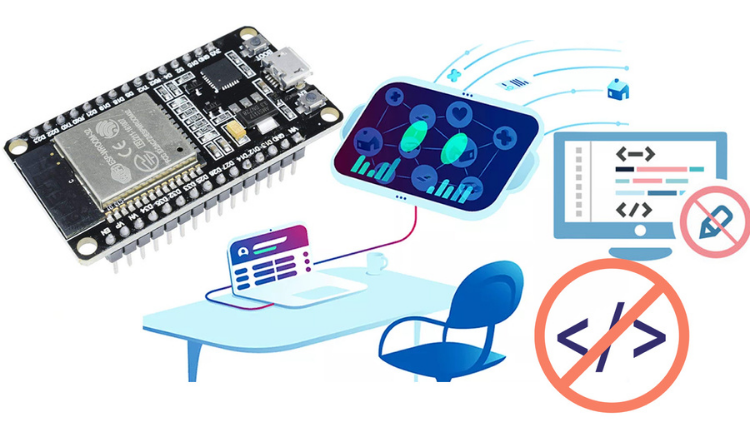
Program ESP32 Board without writing a single code in A Professional Environment
5.0
2 uur 30 min
18 lezingen
Alles
VRIJ

IT en software | Hardware
Revolutionize Your Coding Skills with Al: A Comprehensive Guide for Beginners
5.0
2 uur
11 lezingen
Alles
$10.99
$19.99

IT en software | Informatiebeveiliging
Master ISO 27001: Achieve Certification, Build Security, and Ensure Compliance for Your Organization
5.0
1 uur 30 min
10 lezingen
Beginner
$39.99
$54.99
IT en software | Gecertificeerd in Governance, Risk en Compliance (CGRC)
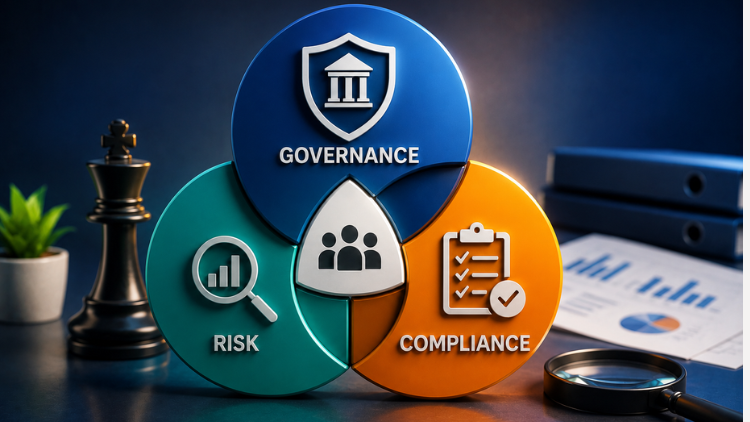
Master GRC: Step-by-Step Guide to Implementing Governance, Risk, and Compliance for Business Success
5.0
2 uur 30 min
35 lezingen
Tussenliggend
$39.99
$64.99

IT en software | Arduino
Seamlessly Stream and Visualize Real-Time Data from Arduino into Excel with Ease
5.0
1 uur 30 min
6 lezingen
Alles
$9.99
$34.99

IT en software | Overige IT en software
Learn how to create and customize a website with no prior coding experience.
5.0
1 uur 30 min
12 lezingen
Alles
$9.99
$19.99
Frequently Bought Together
Learners who enrolled in this course also frequently purchased these complementary courses together.
7-Day Money Back Guarantee for all bundle items
Total price for selected items:
$82.38
$102.97
Veelgestelde vragen
Vind antwoorden op de meest gestelde vragen over deze cursus.
Ja! Nadat u 100% van de cursuslezingen en -opdrachten hebt voltooid, kunt u uw geverifieerde digitale certificaat van voltooiing direct downloaden vanuit uw Lucebra-profiel.
Ontdek meer in Technology
Breid je leertraject uit met geaccrediteerde certificaten, gerelateerde e-books en interactieve live lessen.