
The ethical governance of AI in software development hinges on addressing issues such as bias, data privacy, and accountability to ensure fair and responsible use of technology. Establishing clear ethical guidelines and compliance frameworks, like the IEEE's Ethically Aligned Design, is crucial for aligning AI systems with our shared values and securing the benefits of AI for everyone.
هوش مصنوعی در توسعه نرمافزار: ملاحظات اخلاقی و حکمرانی
Aborde les préjugés algorithmiques, la confidentialité des données, les cadres de responsabilité et la gouvernance responsable de l'IA dans l'ingénierie logicielle
همه سطوح • 100 سخنرانی ها • دسترسی مادام العمر
استاد استاد تایید شده

تریلر
با مربی خود آشنا شوید: Peter Alkema
19 ms
5.0 / 5.0
رتبه بندی جهانی1
دانش آموزان فعالانگلیسی آمریکا
99 زبان زیرنویس5 ساعت 28 دقیقه
کل محتواآنچه خواهید آموخت
1. Définir l'éthique de l'IA dans le développement logiciel (Se souvenir).
2. Expliquer le rôle de l'IA dans la confidentialité des données (Comprendre).
3. Appliquer les principes d'utilisation éthique de l'IA (Appliquer).
4. Différencier les types de préjugés dans l'IA (Analyser).
محتوای دوره
بخش 20 • 100 سخنرانی • طول کل 05:28:40Introduction to Bias in AI
02:58
Bias in artificial intelligence (AI) arises from the use of historical data that reflects existing societal disparities, leading to unfair outcomes in areas such as facial recognition, hiring, and credit scoring. Addressing AI bias requires diverse datasets, transparency in decision-making processes, and adherence to ethical guidelines aimed at ensuring fairness, accountability, and privacy protection.
Introduction to Bias in AI
PDF
دانلود کنید
Types of Bias and Their Impact on Software Solutions
02:48
Bias in AI, stemming from skewed training data or flawed algorithm design, can lead to unfair outcomes across various applications, from job screenings to loan approvals. Addressing these biases involves collaborative efforts from developers, policymakers, and stakeholders to ensure AI systems are equitable and representative of diverse populations.
Types of Bias and Their Impact on Software Solutions
PDF
دانلود کنید
Detecting and Mitigating Bias in AI Systems
03:12
Detecting and mitigating bias in AI systems is critical for ensuring fairness and equity, as biases can enter through various channels such as training data, algorithms, and user interpretations. Strategies for reducing bias include diversifying training data, applying fairness criteria and mitigation algorithms, and enhancing transparency and explainability of AI systems.
Detecting and Mitigating Bias in AI Systems
PDF
دانلود کنید
Case Studies: Bias in Real-World AI Applications
02:54
The ethical considerations and governance of AI in software development, including addressing bias, ensuring data privacy, and establishing accountability, are crucial for realizing the technology's full potential while respecting human rights and promoting social good. Mitigating bias with diverse datasets, safeguarding privacy through robust security measures, and enhancing transparency and oversight in AI decision-making are fundamental steps toward ethical AI integration.
Case Studies: Bias in Real-World AI Applications
PDF
دانلود کنید
Strategies for Developing Unbiased AI Algorithms
02:53
Developing unbiased AI algorithms involves a comprehensive strategy that includes ensuring the diversity and inclusivity of training data, implementing fairness measures, maintaining transparency, continuous monitoring for biases, and engaging with stakeholders. This approach is essential for creating AI systems that are both effective and ethically sound, thereby building trust in AI technologies and ensuring their positive contribution to society.
Strategies for Developing Unbiased AI Algorithms
PDF
دانلود کنید
Fundamentals of Data Privacy
03:29
Data privacy in today's digital age is centered around the principles of informed consent, data minimization, and transparency, ensuring individuals have control over their personal information and are protected from misuse. As artificial intelligence and software development utilize vast amounts of data, it's crucial to incorporate privacy measures from the design phase and comply with regulations like GDPR and CCPA to safeguard user data and maintain trust.
Fundamentals of Data Privacy
PDF
دانلود کنید
AI’s Role in Data Collection and Analysis
03:22
Artificial Intelligence (AI) significantly enhances data collection and analysis by efficiently gathering data from diverse sources and identifying complex patterns, driving informed decision-making across various industries. However, the adoption of AI raises ethical concerns, including data privacy and bias, emphasizing the need for strict data governance policies and ethical frameworks.
AI’s Role in Data Collection and Analysis
PDF
دانلود کنید
Data Privacy Challenges in AI Applications
02:55
The development and application of AI technology raise significant ethical issues surrounding data privacy, necessitating a balance between technological advancement and the protection of individual privacy rights. Addressing these concerns requires the implementation of ethical guidelines, transparent data practices, and the development of unbiased algorithms to ensure AI systems respect privacy and promote fairness.
Data Privacy Challenges in AI Applications
PDF
دانلود کنید
Implementing Data Privacy Policies in AI Projects
03:47
Implementing effective data privacy policies in AI projects is essential for protecting sensitive user information and complying with global regulations like GDPR, which emphasizes transparency, accountability, and individual privacy rights. Employing techniques such as encryption, anonymization, data minimization, and regular audits are crucial steps towards integrating privacy considerations into AI development, thereby ensuring ethical practices and building trust with users.
Implementing Data Privacy Policies in AI Projects
PDF
دانلود کنید
Case Studies on Data Privacy in AI-driven Software
02:39
The lesson explores the critical importance of data privacy in AI-driven software, illuminating how the collection and analysis of vast amounts of personal data by AI technologies raise significant privacy concerns. It highlights innovative solutions like differential privacy and federated learning as means to balance the benefits of AI with the need for protecting user information, in the face of global regulations like GDPR that demand high data protection standards.
Case Studies on Data Privacy in AI-driven Software
PDF
دانلود کنید
برنامه مطالعه هفتگی
سفر یادگیری خود را برنامهریزی کنید
هوش مصنوعی برنامه شخصی بر اساس زمان شما میسازد5 ساعت/هفته
الزامات
1. Il n'y a pas de prérequis pour ce cours, mais les éléments énumérés ci-dessous sont un guide des connaissances de base utiles qui augmenteront la valeur et les avantages de ce cours.
2. Compréhension de base des concepts d'intelligence artificielle et d'apprentissage automatique.
3. Familiarité avec les cycles et méthodologies de développement logiciel.
4. Conscience des questions éthiques, juridiques et sociétales liées à la technologie.
مخاطب هدف
1. Software Developers and Engineers - aiming to integrate AI into their projects while maintaining ethical standards.
2. AI Researchers - focused on understanding the ethical implications of AI algorithms and seeking strategies for responsible AI development.
3. Data Scientists - interested in addressing bias and privacy concerns in AI models they develop or utilize in their work.
4. Technology Policy Makers - looking to draft regulations and guidelines that govern the ethical use of AI in software development.
در مورد این دوره
À une époque où l'Intelligence Artificielle (IA) imprègne tous les aspects de nos vies, des façons dont nous travaillons à la façon dont nous interagissons personnellement et professionnellement, les implications éthiques de ces technologies n'ont jamais été aussi primordiales. Vous êtes-vous déjà demandé quel impact profond l'IA pourrait avoir sur la société, notre vie privée, nos processus décisionnels, et même l'avenir du travail ? Ou peut-être comment nous pouvons exploiter l'immense potentiel de l'IA tout en naviguant ses écueils éthiques pour créer un avenir non seulement technologiquement avancé, mais aussi équitable et durable?
Notre équipe, composée de vétérans de l'industrie, de chercheurs en IA éthique et de développeurs logiciels chevronnés, s'est réunie pour répondre à ces questions pressantes. Avec des décennies d'expérience combinée à la pointe du développement de l'IA et de la recherche éthique, nous vous proposons un cours conçu pour démêler les complexités de l'IA éthique dans le développement logiciel. Notre parcours dans le développement d'applications IA révolutionnaires nous a enseigné le besoin critique d'intégrer des considérations éthiques à chaque étape du cycle de vie de l'IA. Ce cours est notre initiative pour partager ces précieuses connaissances, visant à préparer des professionnels comme vous pour l'avenir du développement responsable de l'IA.
Ce cours complet est méticuleusement conçu pour couvrir tout le spectre de l'IA éthique dans le développement logiciel. Que vous soyez intrigué par les nuances des préjugés dans les algorithmes d'IA, les subtilités de la confidentialité des données, le besoin vital de responsabilité dans les décisions d'IA, ou les réglementations mondiales émergentes régissant l'utilisation de l'IA, ce cours offre des aperçus inestimables dans chacun de ces domaines et plus encore.
Embarquez avec nous dans un voyage fascinant alors que nous plongeons dans les fondements de l'éthique dans l'IA. Explorez le paysage diversifié de l'IA dans le développement logiciel et saisissez les principes fondamentaux qui guident l'utilisation éthique des technologies d'IA. Au fur et à mesure que vous progressez, confrontez-vous aux défis réels dans l'application de ces principes éthiques et considérez les diverses considérations éthiques qui surgissent avec l'intégration de l'IA.
Notre structure de cours unique vous guide à travers la compréhension et l'atténuation des préjugés dans les systèmes d'IA - mettant en lumière comment les préjugés se produisent, leurs impacts sur les solutions logicielles, et des stratégies pratiques pour développer des algorithmes d'IA non biaisés. Naviguez dans le monde complexe de la confidentialité des données dans les logiciels activés par l'IA, en apprenant comment mettre en œuvre efficacement des politiques et des pratiques de confidentialité des données dans vos projets d'IA.
فرصتهای شغلی و موقعیتهای هدف
مهارتهای عملی و آماده بازار کار را بیاموزید و برای موقعیتهای بینالمللی برجسته اقدام کنید
برنامه آموزشی آماده کار
موقعیتهای شغلی که میتوانید انتخاب کنید
AI Solutions Engineer
Applied Generative AI Specialist
LLM & Prompt Architecture Consultant
AI Automation & Workflow Lead
میانگین دستمزد سالانه تخمینی
$105,000 – $165,000 / yr
تقاضا در بازار جهانی
Fastest Growing Worldwide (#1)
مهارتهای کلیدی که تسلط خواهید یافت* تخمینها بر اساس استانداردهای جهانی استخدام و گزارشهای دستمزد فناوری است.
Applied Generative AI Architecture
Model Fine-Tuning & Evaluation
Vector Databases & RAG Workflows
Autonomous AI Agent Orchestration
با مدرس خود آشنا شوید
Peter Alkema
مربی اصلی
Business | Technology | Self Development
"What an amazing course! After finishing this course, I have confidence. Thank so much Dr Peter Alkema" ... "This is exactly the jump-start I needed. Very clear and concise"
I lead Digital Transformation & Architecture at ABB and I've been featured on CNBC Africa and won the Gartner CIO Of The Year in 2016. I founded and led the largest banking hackathon in South Africa which was published in 2019 as a case study by Harvard Business School.
I've taught over 100,000 students about technology, business, academics and self-development. In 2020 I completed my PhD at Wits University In Johannesburg. The study introduced a ground-breaking theory of Agile software development teams. My woodworking book was published in 2014 and has sold over 10,000 copies.
Olugbenga Gbadegesin: "Excellent delivery" / Lebogang Tswelapele: "This is what I have been longing for" / Paskalia Ndapandula: "Peter speaks with so much clarity" / Amantle Mangwedi: "It was straight to the point and the sections are cut into nice short segments which made it easier to go through" Kathy Bermudez: "Excellent material. Well organized..."
Werner van Wyk: "Thank you Peter, once again your lesson and course have given me so much knowledge and understanding" / Yvonne Rudolph "I really look forward to take everything i learned in action" / Josephine Mahlangu: "exactly what I needed to know, absolutely valuable and helpful for my personal growth"...
دورههای دیگر از
Peter Alkemaدانش آموزان نیز خرید کردند
فراگیرانی که این دوره را مشاهده کردند نیز در این دوره های دارای رتبه برتر ثبت نام کردند
رایگان
ترند روز
فناوری اطلاعات و نرمافزار | سخت افزارشروع دوره
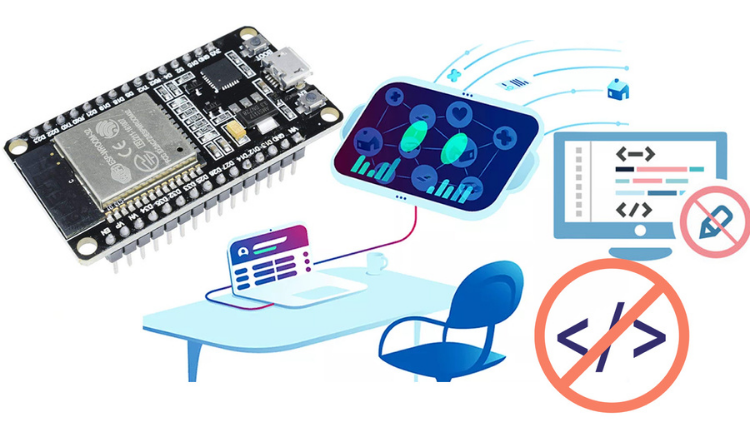
Program ESP32 Board without writing a single code in A Professional Environment
5.0
2 ساعت 30 دقیقه
18 درس
همه سطوح
رایگان

فناوری اطلاعات و نرمافزار | سخت افزار
Revolutionize Your Coding Skills with Al: A Comprehensive Guide for Beginners
5.0
2 ساعت
11 درس
همه سطوح
$10.99
$19.99

فناوری اطلاعات و نرمافزار | امنیت اطلاعات
Master ISO 27001: Achieve Certification, Build Security, and Ensure Compliance for Your Organization
5.0
1 ساعت 30 دقیقه
10 درس
مبتدی
$39.99
$54.99
فناوری اطلاعات و نرمافزار | دارای گواهینامه حاکمیت، ریسک و انطباق (CGRC)
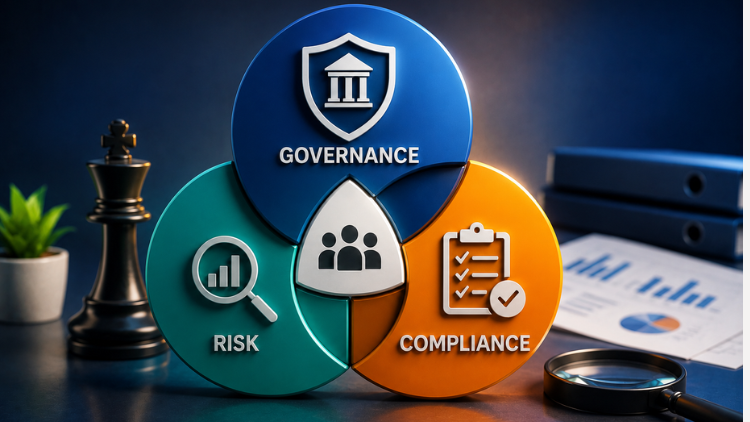
Master GRC: Step-by-Step Guide to Implementing Governance, Risk, and Compliance for Business Success
5.0
2 ساعت 30 دقیقه
35 درس
متوسط
$39.99
$64.99

فناوری اطلاعات و نرمافزار | آردوینو
Seamlessly Stream and Visualize Real-Time Data from Arduino into Excel with Ease
5.0
1 ساعت 30 دقیقه
6 درس
همه سطوح
$9.99
$34.99

فناوری اطلاعات و نرمافزار | سایر IT و نرم افزارها
Learn how to create and customize a website with no prior coding experience.
5.0
1 ساعت 30 دقیقه
12 درس
همه سطوح
$9.99
$19.99
Frequently Bought Together
Learners who enrolled in this course also frequently purchased these complementary courses together.
7-Day Money Back Guarantee for all bundle items
This course:
پرفروشترین
$27.99
Total price for selected items:
$82.38
$102.97
سوالات متداول
پاسخ رایج ترین سوالات این دوره را بیابید.
بله! پس از تکمیل 100٪ از سخنرانی ها و تکالیف دوره، می توانید فوراً گواهی تکمیل دیجیتال تأیید شده خود را مستقیماً از نمایه Lucebra خود دانلود کنید.
کاوش بیشتر در Technology
مسیر یادگیری خود را با مدارک معتبر، کتابهای الکترونیکی مرتبط و کلاسهای زنده تعاملی گسترش دهید.