
The integration of artificial intelligence (AI) into software development has revolutionized the field by automating tasks, enhancing efficiency, and fostering innovation, making way for the creation of intelligent, adaptive applications. This evolution has transformed software engineering, enabling more personalized user experiences and the development of self-healing systems, while also bringing forth challenges in ethics, data privacy, and the need for continuous learning among developers.
ソフトウェア開発におけるAIの進化:自動化からイノベーションへ
Освоїть ІІ в розробці програмного забезпечення: Від машинного навчання, автоматизованих тестувань до керування проектами на основі ІІ та генерації коду
すべてのレベル • 100 講義 • 生涯アクセス
認定マスターインストラクター

トレーラー
インストラクターに会う: Peter Alkema
19 ms
5.0 / 5.0
グローバル評価1
現役学生アメリカ英語
99言語の字幕5時間 34分
総コンテンツ何を学ぶか
1. Визначити ключові віхи в інтеграції ІІ в розробці програмного забезпечення.
2. Пояснити перехід від систем на основі правил до алгоритмів навчання.
3. Описати вплив ранніх інструментів ІІ на розробку програмного забезпечення.
4. Аналізувати кейси провідних застосувань ІІ в програмній інженерії.
コース内容
20 セクション • 100 講義 • 05:34:41 全長Introduction to Machine Learning and Neural Networks
02:54
Natural Language Processing (NLP) integrates computer science, artificial intelligence, and linguistics to allow machines to interpret, understand, and generate human language effectively. It has evolved from simple spell checking to complex tasks like sentiment analysis and language translation, largely due to advances in machine learning and the development of transformer models like Google's BERT and OpenAI's GPT series.
Introduction to Machine Learning and Neural Networks
PDF
ダウンロード
Understanding Natural Language Processing (NLP)
02:55
Natural Language Processing (NLP) integrates computer science, artificial intelligence, and linguistics to allow machines to interpret, understand, and generate human language effectively. It has evolved from simple spell checking to complex tasks like sentiment analysis and language translation, largely due to advances in machine learning and the development of transformer models like Google's BERT and OpenAI's GPT series.
Understanding Natural Language Processing (NLP)
PDF
ダウンロード
The Role of Data Science in Software Engineering
03:11
Data science has revolutionized software engineering by enabling the creation of more intelligent, efficient, and personalized software solutions through the analysis of vast amounts of data. This synergy enhances user experiences, improves software quality, and optimizes development processes, signifying a significant evolution in technology innovation.
The Role of Data Science in Software Engineering
PDF
ダウンロード
Evolution of Algorithm Complexity and Efficiency
03:45
The evolution of algorithm complexity and software efficiency is a dynamic narrative of innovation, where the development of sophisticated algorithms—from simple techniques to machine learning and beyond—has vastly improved computational capabilities. This journey highlights the transformative impact of optimizing algorithms, leading to groundbreaking applications in data analysis, pattern recognition, and paving the way for the upcoming quantum computing revolution.
Evolution of Algorithm Complexity and Efficiency
PDF
ダウンロード
Foundational AI Technologies and Their Early Applications
03:36
Artificial Intelligence (AI) has evolved from automating repetitive tasks to being a pivotal element of innovation in software development, thanks largely to foundational technologies such as machine learning, natural language processing, and deep learning. These technologies have transformed various industries by enhancing efficiency, analyzing massive data sets, and improving user experiences, marking AI as a crucial driver of future technological advancements.
Foundational AI Technologies and Their Early Applications
PDF
ダウンロード
The Shift from Manual to Automated Testing
03:45
The transition from manual to automated testing in software development marks a significant shift towards more efficient, precise, and scalable quality assurance methods. This evolution not only accelerates the development process through technologies like CI/CD, AI, and machine learning but also enhances the role of human testers by allowing them to focus on more complex and creative testing strategies.
The Shift from Manual to Automated Testing
PDF
ダウンロード
AI in Code Compilation and Debugging
03:21
The integration of Artificial Intelligence (AI) in software development, particularly in code compilation and debugging, significantly enhances efficiency, accuracy, and developer productivity. By automating these tasks, AI not only speeds up the development process but also minimizes human errors, marking a transformative step in the evolution of software engineering.
AI in Code Compilation and Debugging
PDF
ダウンロード
Automating Documentation and Reporting
02:48
Artificial intelligence (AI) has significantly revolutionized software development by automating the processes of documentation and reporting, traditionally time-consuming tasks for developers. This automation not only enhances efficiency and consistency in the development process but also improves code quality and project management through AI-generated insights and solutions.
Automating Documentation and Reporting
PDF
ダウンロード
Evolution of integrated development environments (IDEs) with AI
03:26
The integration of Artificial Intelligence (AI) into Integrated Development Environments (IDEs) has revolutionized software development, transforming IDEs from simple code editors into intelligent assistants that enhance coding efficiency, error detection, and personalized learning. AI-powered IDEs now offer context-aware code completion, preemptive error correction, and advanced project management tools, significantly improving the software development process and setting new standards for innovation and productivity.
Evolution of integrated development environments (IDEs) with AI
PDF
ダウンロード
Real-World Examples of Automation Improving Efficiency
03:18
Artificial Intelligence (AI) has transitioned from automating mundane tasks to becoming a fundamental driver of innovation in software development, enhancing efficiency, predictive capabilities, and personalization. By analyzing vast data sets, predicting user needs, and enabling more intuitive applications, AI is redefining the boundaries of technology and fostering a new era of creativity and problem-solving in software development.
Real-World Examples of Automation Improving Efficiency
PDF
ダウンロード
週間学習計画
学習の旅を計画しよう
AIがあなたの可用時間に合わせたスケジュールを作成5 時間/週
要件
1. Для цього курсу немає вимог або попередніх умов, але нижче наведено перелік корисних знань, які збільшать цінність та переваги цього курсу. 2. Базове розуміння концепцій програмування та загальних мов, таких як Python або Java. 3. Знайомство з принципами розробки програмного забезпечення та життєвим циклом розробки програмного забезпечення (SDLC). 4. Зацікавленість у штучному інтелекті та його застосуванні в програмній інженерії.
対象者
1. Software Engineers and Developers: Professionals who are actively involved in software development and are looking to integrate AI technologies to enhance their work, optimize development processes, and solve complex problems more efficiently.
2. Project Managers in Tech: Tech project managers who aim to apply AI-powered tools in project planning, execution, risk management, and team collaboration to improve project outcomes and productivity.
3. Data Scientists and Analysts: Individuals specializing in data science and analytics who are interested in applying their skills within software development to leverage AI for data-driven decision making, predictive analysis, and enhancing software quality.
4. UX/UI Designers: Designers focusing on user experience and interface who are eager to understand and utilize AI techniques for dynamic UI adaptation, understanding user behavior, and creating more personalized and engaging designs.
このコースについて
Чи готові ви бути в авангарді цифрової революції, де злиття програмної інженерії та штучного інтелекту (ІІ) формує майбутнє технологій? Уявіть світ, де програмне забезпечення не тільки оптимізує себе, але й передбачає потреби користувачів, підвищує якість життя та вирішує складні проблеми з елегантністю та точністю. Цей бачення не є лише вигадкою — це стає реальністю, і завдяки нашому всеосяжному курсу ви будете готові очолити цю трансформацію.
У центрі нашої педагогічної філософії лежить глибоко вкорінена віра в те, що освіта в галузі ІІ та програмної інженерії відкриває всесвіт можливостей. Наша команда, що складається з ветеранів галузі та академічних піонерів, вносить десятиліття досвіду в галузі ІІ, машинного навчання, програмної інженерії та етичної практики ІІ. Ми формували розуми, які згодом формували технологічний ландшафт, наші дослідження цитуються у відомих виданнях, а наші внески визнані як в академічних, так і в промислових колах. Наша мотивація у створенні цього курсу випливає з простого, але глибокого бажання: демократизувати знання про ІІ, зробити їх доступними, зрозумілими та практичними для якомога більшої кількості людей.
Чому цей курс є актуальним сьогодні? Оскільки ми стоїмо на порозі нової ери, інтеграція ІІ в розробці програмного забезпечення перетворилася з нового експерименту на абсолютну необхідність. Будь то оптимізація хмарних середовищ, революція в дизайні користувацького досвіду чи створення інтелектуальних систем, які вирішують реальні проблеми, попит на кваліфікованих фахівців у цій галузі зріс стрімко. Цей курс розроблено не лише для того, щоб йти в ногу з індустрією, а й щоб випередити її.
Відправтесь з нами в детально структуровану подорож через величезні ландшафти ІІ в розробці програмного забезпечення. Почніть свою пригоду, заглиблюючись в історичну еволюцію ІІ в програмній інженерії, досліджуючи ключові віхи від систем на основі правил до складних алгоритмів навчання. Розумійте фундаментальні технології ІІ та їх внутрішні ролі у формуванні програмного забезпечення, яке ми знаємо.
У міру вашого прогресу курс проведе вас через автоматизацію рутинних завдань, удосконалення дизайну та архітектури програмного забезпечення за допомогою ІІ та використання машинного навчання для прогнозної аналітики в управлінні проектами. Наш навчальний план розроблено з урахуванням практичності — очікуйте займатися практичною роботою.
キャリア機会と目指せる職種
実践的な実務スキルを身につけ、グローバルに活躍できる職種へのキャリアを拓きます
実践即戦力カリキュラム
目指せる主な職種・ポジション
AI Solutions Engineer
Applied Generative AI Specialist
LLM & Prompt Architecture Consultant
AI Automation & Workflow Lead
想定平均年収
$105,000 – $165,000 / yr
世界的な市場需要
Fastest Growing Worldwide (#1)
習得できる実践スキル* グローバルなテクノロジー業界の採用基準および給与調査レポートに基づいた目安です。
Applied Generative AI Architecture
Model Fine-Tuning & Evaluation
Vector Databases & RAG Workflows
Autonomous AI Agent Orchestration
講師の紹介
Peter Alkema
主な講師
Business | Technology | Self Development
"What an amazing course! After finishing this course, I have confidence. Thank so much Dr Peter Alkema" ... "This is exactly the jump-start I needed. Very clear and concise"
I lead Digital Transformation & Architecture at ABB and I've been featured on CNBC Africa and won the Gartner CIO Of The Year in 2016. I founded and led the largest banking hackathon in South Africa which was published in 2019 as a case study by Harvard Business School.
I've taught over 100,000 students about technology, business, academics and self-development. In 2020 I completed my PhD at Wits University In Johannesburg. The study introduced a ground-breaking theory of Agile software development teams. My woodworking book was published in 2014 and has sold over 10,000 copies.
Olugbenga Gbadegesin: "Excellent delivery" / Lebogang Tswelapele: "This is what I have been longing for" / Paskalia Ndapandula: "Peter speaks with so much clarity" / Amantle Mangwedi: "It was straight to the point and the sections are cut into nice short segments which made it easier to go through" Kathy Bermudez: "Excellent material. Well organized..."
Werner van Wyk: "Thank you Peter, once again your lesson and course have given me so much knowledge and understanding" / Yvonne Rudolph "I really look forward to take everything i learned in action" / Josephine Mahlangu: "exactly what I needed to know, absolutely valuable and helpful for my personal growth"...
この講師の他のコース:
Peter Alkema学生さんも購入しました
このコースを閲覧した学習者は、これらの高評価コースにも登録しています
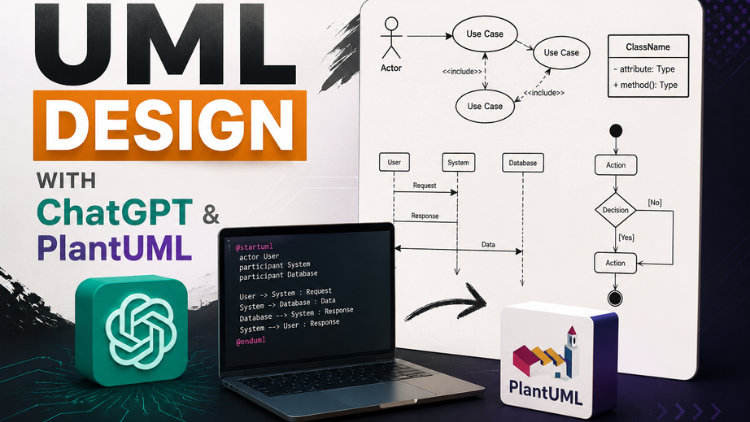
開発 | 統一モデリング言語 (UML)
Learn UML design faster with ChatGPT and PlantUML automation.
5.0
1時間 30分
20 講義
中級
$19.99
$24.99
開発 | 人工知能 (AI)
Compare and master the leading AI chatbots with hands-on tutorials and expert tips for effective use
5.0
1時間
20 講義
すべて
$12.99
$54.99

開発 | C#(プログラミング言語)
Master C# Basics in no Time - A Comprehensive Course Packed with Examples, tips and exercises!
5.0
2時間 30分
17 講義
すべて
$19.99
開発 | チャットGPT
ChatGPT for Beginners: Use ChatGPT to WIN in your CAREER as a professional or Make a Business Using ChatGPT OpenAI!
5.0
3時間
37 講義
すべて
$24.99
開発 | SQL
Become an Expert at Microsoft SQL! By writing SQL queries for Data Analytics and Data Science base concepts
5.0
6時間 30分
87 講義
すべて
$9.99
$39.99
開発 | Python
Master Python Fundamentals in Telugu – Variables, Loops, Functions, OOPs, Projects and More with Practical Examples
5.0
9時間 30分
90 講義
すべて
$44.99
$74.99
Frequently Bought Together
Learners who enrolled in this course also frequently purchased these complementary courses together.
7-Day Money Back Guarantee for all bundle items
This course:
ベストセラー
$64.99
Total price for selected items:
$115.98
$144.97
よくある質問
このコースに関するよくある質問への回答をご覧ください。
はい!コースの講義と課題を 100% 完了すると、検証済みのデジタル修了証明書を Lucebra プロフィールから直接ダウンロードできます。
Technology をもっと探す
認定証明書、関連電子書籍、インタラクティブなライブ講座で学びをさらに深めましょう。