
Understanding and managing the three types of workplace conflict—task, process, and relational—can transform disagreements into opportunities for collaboration and innovation. By adopting tailored strategies for each conflict type, teams can not only resolve disputes but also foster a more creative, productive, and harmonious work environment.
Domeniul Rezolvării Conflictelor: Instrumente, Strategii și Practică
إتقان حل النزاعات: التقنيات، مهارات التفاوض، أدوار القيادة، ودمج التكنولوجيا في الفرق
Toate nivelurile • 100 Prelegeri • Acces pe viață
Master Instructor verificat

TRAILER
Faceți cunoștință cu instructorul dvs.: Peter Alkema
19 ms
5.0 / 5.0
Evaluare globală1
Studenți activiEngleză (Statele Unite ale Americii)
99 de limbi Subtitrări5 ore 18 min
Conținut totalCe vei invata
1. تحديد ثلاثة أنواع من النزاعات في الفرق.
2. شرح العوامل النفسية التي تقود النزاع.
3. تحديد المشغلات في نزاعات الفريق.
4. توضيح تكتيكات التواصل المفتوح.
Conținutul cursului
20 secțiuni • 100 cursuri • 05:18:39 lungime totalăIntroduction to Structured Negotiation Techniques
03:47
Structured negotiation, centered on interest-based bargaining, aims for win-win solutions by uncovering and addressing the underlying needs and concerns of all parties involved. This approach enhances conflict resolution through active listening, clear communication, creative problem-solving, and thorough preparation, fostering durable agreements and positive relationships.
Introduction to Structured Negotiation Techniques
PDF
Descărcați
The Concept of Interest-Based Bargaining
03:03
Interest-based bargaining is a negotiation strategy that emphasizes understanding the underlying needs and desires of all parties involved, moving beyond initial positions to uncover common ground. This method enhances collaboration, fosters mutual respect, and promotes innovative and mutually beneficial solutions in various conflict-resolution contexts.
The Concept of Interest-Based Bargaining
PDF
Descărcați
Reframing Techniques for Conflict Management
02:41
Reframing techniques in conflict resolution transform contentious interactions into opportunities for collaboration by shifting focus from competing positions to underlying interests. This approach, utilizing open-ended questions and inclusive language, fosters empathy and teamwork, leading to creative and mutually beneficial solutions.
Reframing Techniques for Conflict Management
PDF
Descărcați
Non-Violent Communication Principles
03:13
Non-Violent Communication (NVC), developed by Marshall Rosenberg, is a communication strategy that focuses on empathetic listening and expressing needs without blame, turning conflict into collaboration through its foundational components: observations, feelings, needs, and requests. This approach fosters understanding and cooperation in the workplace and beyond, promoting a culture of respect, empathy, and mutual growth.
Non-Violent Communication Principles
PDF
Descărcați
Active Listening Skills for Resolvers
03:10
Active listening is a critical leadership skill that involves fully engaging with the speaker through understanding, non-verbal cues, and responding thoughtfully, fostering trust and collaboration within a team. It aids in conflict resolution, encourages open communication, and is essential for driving forward innovation and making informed decisions in today's rapidly changing business environment.
Active Listening Skills for Resolvers
PDF
Descărcați
Mapping the Conflict: Tools and Techniques
03:07
An effective team leader in today's diverse workplace excels by transforming inevitable conflicts into opportunities for collaboration, using tools like the Thomas-Kilmann Conflict Mode Instrument, active listening, and interest-based bargaining. This approach not only fosters innovation and strengthens relationships but also enhances overall team productivity and motivation by leveraging conflicts as catalysts for growth and improvement.
Mapping the Conflict: Tools and Techniques
PDF
Descărcați
Identifying Underlying Interests and Positions
03:26
Transforming conflict into collaboration requires identifying and distinguishing between the rigid, surface-level positions people take and their underlying, more flexible interests. By focusing on these interests through active listening, empathy, and open-ended questions, we can find innovative solutions that address everyone's needs and turn disagreements into opportunities for growth.
Identifying Underlying Interests and Positions
PDF
Descărcați
Using the Thomas-Kilmann Conflict Mode Instrument
03:09
The Thomas-Kilmann Conflict Mode Instrument (TKI) is a diagnostic tool that categorizes an individual's approach to conflict resolution into five distinct modes: Competing, Accommodating, Avoiding, Compromising, and Collaborating. By understanding and applying these modes, individuals can effectively manage workplace conflicts, turning potential confrontations into opportunities for collaboration and growth.
Using the Thomas-Kilmann Conflict Mode Instrument
PDF
Descărcați
Applying the Johari Window in Conflict Resolution
03:04
The Johari Window, a model developed by Joseph Luft and Harrington Ingham in the 1950s for understanding interpersonal relationships and self-awareness, serves as a valuable tool in resolving conflicts through enhancing open communication, empathy, and mutual understanding. By expanding the "open area" of the Johari Window, individuals can transform conflicts into opportunities for collaboration, personal growth, and stronger relationships.
Applying the Johari Window in Conflict Resolution
PDF
Descărcați
The Power of SWOT Analysis in Understanding Conflict
02:54
SWOT Analysis, traditionally used in strategic planning, can be effectively applied to conflict resolution in the workplace by identifying the strengths, weaknesses, opportunities, and threats within a conflict. This approach transforms challenges into opportunities for collaboration and growth, turning conflict from a roadblock into a stepping stone towards improved understanding and teamwork.
The Power of SWOT Analysis in Understanding Conflict
PDF
Descărcați
Plan de Studiu Săptămânal
Planifică-ți parcursul
IA generează un program personalizat pe baza disponibilității tale5 ore/săpt
Cerințe
1. لا توجد متطلبات أو شروط مسبقة لهذا المقرر، ولكن العناصر المدرجة أدناه هي دليل على المعرفة الأساسية المفيدة التي ستزيد من قيمة وفوائد هذا المقرر.
2. فهم أساسي لديناميكيات الفريق وكيفية عمل الفرق في البيئات المهنية.
3. معرفة باستراتيجيات وتقنيات الاتصال.
4. عقلية مفتوحة ورغبة في الانخراط في ممارسات التعلم التأملي والنشط.
Publicul țintă
1. HR Professionals and Managers: Individuals in these roles often face conflicts within teams and are looking for structured, effective strategies to manage and resolve these issues.
2. Project Managers and Team Leaders: Professionals who lead project teams and need to navigate conflicts to keep projects on track and maintain team harmony.
3. Organizational Development Consultants: Specialists tasked with improving team dynamics and organizational cultures, solving conflicts that hinder productivity and employee satisfaction.
4. Mediators and Conflict Resolution Practitioners: Individuals specializing in mediation and resolution seeking advanced tools, frameworks, and real-world application scenarios to enhance their practice.
Despre acest curs
هل تساءلت يومًا لماذا، على الرغم من أفضل النوايا والمهارات، غالبًا ما تجد الفرق نفسها في نزاعات، مما يؤدي إلى انخفاض الإنتاجية والروح المعنوية والتعاون؟ في بيئة العمل الديناميكية اليوم، أصبحت القدرة على التنقل والتوسط وحل النزاعات أكثر أهمية من أي وقت مضى، مما يميز الفرق الناجحة عن غيرها. تم تصميم دورتنا الشاملة حول حل النزاعات لتزويده بالمعرفة والمهارات والأدوات اللازمة لتحويل النزاع من عائق إلى نقطة انطلاق نحو التميز التعاوني.
فريقنا الخبراء، المكون من محترفين مخضرمين في مجال حل النزاعات والسلوك التنظيمي والقيادة، قد صمم هذه الدورة التدريبية الشاملة. مع عقود من الخبرة المشتركة وتاريخ في تسهيل التحول عبر مجموعة متنوعة من القطاعات، نقدم لك الحكمة المكثفة التي يمكن تطبيقها على أي مستوى تنظيمي. تمتد خبراتنا من تسهيل المفاوضات عالية المخاطر إلى إعادة تصميم استراتيجيات الاتصال لشركات Fortune 500، وكلها تركز على فن وعلم حل النزاعات. تنبع هذه الدورة من رغبتنا في ديمقراطية الوصول إلى هذه المهارات المحورية، لضمان ازدهار الفرق في كل مكان في ديناميكيات مكان العمل المعقدة اليوم.
لماذا هذه الدورة ذات صلة اليوم؟ في عصر تصبح فيه الفرق أكثر تنوعًا وتوزيعًا واتصالاً رقميًا، يمكن أن تنشأ النزاعات من مصادر لا حصر لها. هذه الاضطرابات، إذا لم يتم إدارتها بمهارة، تهدد ليس فقط جداول زمنية المشاريع ولكن أيضًا نسيج تماسك الفريق والثقة. علاوة على ذلك، مع استمرار تطور مكان العمل، كذلك تتغير طبيعة النزاعات، مما يستلزم مجموعة أدوات حديثة يمكنها التكيف والتطور وفقًا للتحديات المطروحة. تم تصميم دورتنا بدقة لتزويده بهذه المجموعة من الأدوات، لضمان استعدادك لقيادة ووساطة والمشاركة في عمليات حل النزاعات التي تعزز الفهم والاحترام والتعاون.
انطلق في رحلة عبر المناظر الطبيعية الدقيقة لحل النزاعات، بدءًا بالغوص العميق في أسس النزاعات داخل الفرق. افهم الأسس النفسية التي تقود النزاعات وتعلم كيفية تحديد المشغلات التي يمكن أن تؤدي إلى تصعيد التوترات، مما يؤثر بشكل غير عادل على ديناميكيات الفريق. سنرشدك في بناء ثقافة من التواصل المفتوح، مما يؤكد على الدور الحيوي للقيادة ليس فقط في منع النزاعات ولكن في الاستفادة منها لنمو الفريق.
الفوائد:
Cunoaște-ți instructorul
Peter Alkema
Instructor principal
Business | Technology | Self Development
"What an amazing course! After finishing this course, I have confidence. Thank so much Dr Peter Alkema" ... "This is exactly the jump-start I needed. Very clear and concise"
I lead Digital Transformation & Architecture at ABB and I've been featured on CNBC Africa and won the Gartner CIO Of The Year in 2016. I founded and led the largest banking hackathon in South Africa which was published in 2019 as a case study by Harvard Business School.
I've taught over 100,000 students about technology, business, academics and self-development. In 2020 I completed my PhD at Wits University In Johannesburg. The study introduced a ground-breaking theory of Agile software development teams. My woodworking book was published in 2014 and has sold over 10,000 copies.
Olugbenga Gbadegesin: "Excellent delivery" / Lebogang Tswelapele: "This is what I have been longing for" / Paskalia Ndapandula: "Peter speaks with so much clarity" / Amantle Mangwedi: "It was straight to the point and the sections are cut into nice short segments which made it easier to go through" Kathy Bermudez: "Excellent material. Well organized..."
Werner van Wyk: "Thank you Peter, once again your lesson and course have given me so much knowledge and understanding" / Yvonne Rudolph "I really look forward to take everything i learned in action" / Josephine Mahlangu: "exactly what I needed to know, absolutely valuable and helpful for my personal growth"...
Mai multe cursuri de
Peter AlkemaAu cumpărat și studenții
Cursanții care au vizualizat acest curs s-au înscris și ei la aceste cursuri de top

Afaceri și management | Vânzări și marketing
Bridge the gap between sales and marketing teams with proven strategies, collaborative frameworks, and real-world tools to drive unified business growth.
5.0
2 ore
11 prelegeri
Toate
$10.99
$19.99

Afaceri și management | Gestión Ambiental
ISO 19011 Audit Planning, Evidence Gathering, Findings, Reporting & Certification | Clauses 4-10 Explained
5.0
4 ore
58 prelegeri
Expert
$54.99
$69.99

Afaceri și management | Comunicare persuasivă
Master Persuasion: Ethical Influence, Effective Speaking, Storytelling, and Cross-Cultural Strategies for Success
5.0
5 ore 30 min
99 prelegeri
Toate
$9.99
$29.99

Afaceri și management | Abilități de vânzări
Discover proven sales & marketing secrets to master objections, psychology, and boost wealth & success.
5.0
2 ore 30 min
4 prelegeri
Intermediar
$29.99
$64.99

Afaceri și management | Marketing de produs
Step-by-step guide to plan, market, and execute a successful product or service launch.
5.0
30 min
9 prelegeri
Toate
$10.99
$24.99
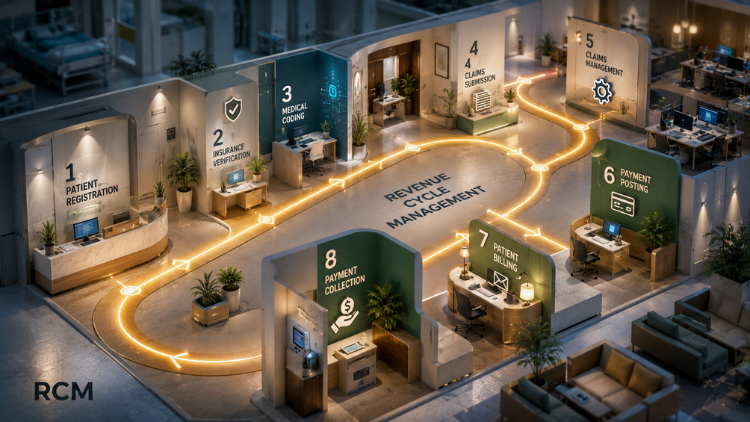
Afaceri și management | Managementul ciclului de venituri (RCM)
Patient Registration, Insurance Verification, Medical Coding, Billing, Claims & Denial Management Step by Step
5.0
2 ore
23 prelegeri
Expert
$19.99
Frequently Bought Together
Learners who enrolled in this course also frequently purchased these complementary courses together.
7-Day Money Back Guarantee for all bundle items
Total price for selected items:
$99.98
$124.97
Întrebări frecvente
Găsiți răspunsuri la cele mai frecvente întrebări despre acest curs.
Da! După finalizarea a 100% din prelegerile și temele cursului, puteți descărca instantaneu Certificatul de finalizare digital verificat direct din profilul dvs. Lucebra.
Descoperă mai multe în Technology
Dezvoltă-ți abilitățile cu certificate acreditate, cărți digitale relevante și cursuri interactive live.