
Active listening fosters respect and understanding during workplace conflicts by encouraging attentiveness, empathy, and open communication. By employing techniques such as paraphrasing, asking open-ended questions, and reflecting emotions, parties are better equipped to resolve disagreements constructively.
Meesterschap van Werkplekconflicten: Stijlen, Oplossingen & Leiderschapsvaardigheden
Domine o Gerenciamento de Conflitos no Local de Trabalho com Habilidades de Comunicação, Estilos de Conflito e Inteligência Emocional para o Sucesso na Liderança
Alle niveaus • 100 Lezingen • Levenslange Toegang
Geverifieerde Master Instructeur

AANHANGWAGEN
Maak kennis met je instructeur: Peter Alkema
19 ms
5.0 / 5.0
Globale beoordeling1
Actieve studentenEngels (Verenigde Staten)
99 Talen Ondertitels4 uur 10 min
Totale inhoudWat je gaat leren
Recordar mitos comuns sobre conflito no local de trabalho ao discutir desacordos da equipe.
Explicar a diferença entre conflito baseado em tarefas e baseado em relacionamento em reuniões de grupo.
Reconhecer sinais iniciais de conflito em escalada durante colaboração em projetos.
Comparar principais estilos de gerenciamento de conflito ao revisar cenários reais de escritório.
Cursusinhoud
20 secties • 100 lezingen • 04:10:43 totale lengteTask-Based Conflict versus Relationship-Based Conflict Explained
02:26
Task-based conflict arises from disagreements about work-related issues such as goals or processes, while relationship-based conflict stems from personal issues like mistrust or communication styles. Recognizing the difference helps teams address disputes more effectively and maintain a healthier work environment.
Task-Based Conflict versus Relationship-Based Conflict Explained
PDF
Downloaden
Role Conflicts and Ambiguity in Team and Individual Contexts
02:33
Role conflicts and ambiguity in the workplace often arise from unclear responsibilities, leading to confusion, stress, and reduced team morale. Clear communication, defined roles, and regular check-ins by managers are crucial for minimizing misunderstandings and fostering effective collaboration.
Role Conflicts and Ambiguity in Team and Individual Contexts
PDF
Downloaden
Resource Scarcity as a Trigger for Team and Departmental Conflict
02:18
Resource scarcity often triggers conflict within teams and departments by fostering competition and mistrust over limited assets. Clear communication, transparency, and collaborative problem-solving by leaders and team members can transform these challenges into opportunities for stronger teamwork.
Resource Scarcity as a Trigger for Team and Departmental Conflict
PDF
Downloaden
Values, Beliefs, and Cultural Differences Causing Disagreements
02:35
Conflicts in the workplace often arise from differences in values, beliefs, and cultural backgrounds, which can affect communication and decision-making. Recognizing, understanding, and appreciating these differences helps teams resolve disagreements constructively and fosters a more inclusive organizational culture.
Values, Beliefs, and Cultural Differences Causing Disagreements
PDF
Downloaden
Organizational Structure and Systemic Sources of Workplace Conflict
02:54
Organizational structure significantly influences how conflicts arise and develop in the workplace by impacting communication, decision-making, and power dynamics. Understanding these systemic sources of conflict enables leaders to address underlying issues and foster a more constructive and collaborative work environment.
Organizational Structure and Systemic Sources of Workplace Conflict
PDF
Downloaden
Understanding the Nature of Workplace Conflict
03:15
Workplace conflict is a natural part of organizational life, offering both challenges and opportunities for growth when managed constructively. Recognizing the difference between constructive and destructive conflict allows individuals and organizations to foster innovation, effective solutions, and improved teamwork.
Understanding the Nature of Workplace Conflict
PDF
Downloaden
Why Conflict is an Everyday Occurrence at Work
02:00
Conflict is a natural part of workplace life, arising from differences in perspectives, backgrounds, pressures, and communication styles. Recognizing conflict as routine allows teams to address issues openly and use disagreements as opportunities to improve collaboration and strengthen relationships.
Why Conflict is an Everyday Occurrence at Work
PDF
Downloaden
Common Myths and Misconceptions about Workplace Disagreements
02:07
This lesson dispels common myths about workplace conflict, highlighting that disagreements can be healthy and productive when managed constructively. It emphasizes the importance of open communication, shared responsibility, and seeking collaborative solutions rather than avoidance or compromise alone.
Common Myths and Misconceptions about Workplace Disagreements
PDF
Downloaden
Normalizing Conflict as a Vehicle for Progress and Growth
02:00
Conflict in the workplace, when approached openly and constructively, can drive innovation, strengthen relationships, and lead to better decision-making. Viewing conflict as an opportunity for growth empowers teams to address challenges proactively and continuously improve together.
Normalizing Conflict as a Vehicle for Progress and Growth
PDF
Downloaden
Overview of the Constructive Conflict Management Approach
02:00
The constructive conflict management approach views conflict as a potential source of growth and encourages direct, respectful communication focused on underlying interests rather than entrenched positions. By prioritizing collaboration, emotional awareness, and clear dialogue, this approach helps teams transform disagreements into opportunities for stronger relationships and improved outcomes.
Overview of the Constructive Conflict Management Approach
PDF
Downloaden
Wekelijks Studieplan
Plan je leertraject
AI genereert een gepersonaliseerd rooster op basis van je beschikbaarheid5 uur/week
Vereisten
Não há requisitos ou pré-requisitos para este curso, mas os itens listados abaixo são um guia para conhecimentos de fundo úteis que aumentarão o valor e os benefícios deste curso
Compreensão básica de ambientes de trabalho ou organizacionais (através de experiência de trabalho, estágios ou observação)
Disposição para se envolver em autorreflexão e discussões construtivas em grupo
Acesso a um computador ou dispositivo móvel com conectividade à internet para participação em materiais e atividades do curso online
Doelgroep
New or aspiring managers seeking practical tools and strategies for handling workplace conflict confidently.
Human resources professionals aiming to strengthen organizational conflict management practices.
Team leaders and project coordinators in multicultural or cross-functional environments.
Employees experiencing frequent or recurring disputes in remote, hybrid, or in-person teams.
Over deze cursus
O conflito no local de trabalho é inevitável; mas quando gerenciado de forma construtiva, torna-se um catalisador para inovação, relacionamentos mais fortes e melhor desempenho. Este curso abrangente equipa profissionais com o conhecimento, as ferramentas e as habilidades de liderança necessárias para transformar o conflito de uma fonte de tensão em uma oportunidade de crescimento.
Projetado para gerentes, profissionais de RH, líderes de equipe e funcionários de todas as indústrias, o curso explora todo o espectro do conflito no local de trabalho—desde mal-entendidos iniciais até disputas de alta pressão. Os participantes começam entendendo a natureza do conflito, mitos comuns e a diferença entre desacordos construtivos e destrutivos. O curso examina conflitos baseados em tarefas versus baseados em relacionamentos, padrões de escalada e as causas sistêmicas que frequentemente alimentam tensões recorrentes.
Os participantes adquirem habilidades práticas na aplicação de principais estilos de gerenciamento de conflitos, incluindo colaboração, compromisso, acomodação, competição e evitação, com o uso prático do framework Thomas-Kilmann. É colocado forte ênfase em habilidades de comunicação como escuta ativa, parafraseação, consciência emocional e técnicas de desescalada. Os aprendizes também exploram como dinâmicas de poder, diferenças culturais e ambientes de trabalho remoto influenciam a expressão e resolução de conflitos.
Módulos avançados abordam técnicas de mediação, estratégias de facilitação, desenvolvimento de políticas e reconstrução de confiança após disputas. Estudos de caso do mundo real e análises de cenários permitem que os aprendizes apliquem abordagens estruturadas a situações complexas, incluindo disputas interfuncionais, desafios de equipes híbridas e questões sensíveis como bullying versus conflito.
Ao final do curso, os aprendizes diagnosticarão com confiança as fontes de conflito, escolherão estratégias de resposta apropriadas, facilitarão conversas difíceis e contribuirão para uma cultura de trabalho psicológica segura e colaborativa.
Carrièremogelijkheden & Doelfuncties
Ontwikkel praktische vaardigheden en kwalificeer je voor veelgevraagde functies wereldwijd
Beroepsgericht Curriculum
Functies waarop je kunt solliciteren
Project Operations Lead (PMP/Agile)
Strategic Business Analyst
Product Operations Manager
Corporate Process Strategist
Geschat Jaarsalaris
$82,000 – $135,000 / yr
Wereldwijde Marktvraag
Steady Enterprise & Corporate Demand
Essentiële Vaardigheden die je Beheerst* Schattingen gebaseerd op wereldwijde standaarden in de techsector.
Agile & Waterfall Project Delivery
Financial Modeling & Cost Control
Cross-Functional Stakeholder Alignment
Process Optimization & KPI Tracking
Maak kennis met je instructeur
Peter Alkema
Hoofdinstructeur
Business | Technology | Self Development
"What an amazing course! After finishing this course, I have confidence. Thank so much Dr Peter Alkema" ... "This is exactly the jump-start I needed. Very clear and concise"
I lead Digital Transformation & Architecture at ABB and I've been featured on CNBC Africa and won the Gartner CIO Of The Year in 2016. I founded and led the largest banking hackathon in South Africa which was published in 2019 as a case study by Harvard Business School.
I've taught over 100,000 students about technology, business, academics and self-development. In 2020 I completed my PhD at Wits University In Johannesburg. The study introduced a ground-breaking theory of Agile software development teams. My woodworking book was published in 2014 and has sold over 10,000 copies.
Olugbenga Gbadegesin: "Excellent delivery" / Lebogang Tswelapele: "This is what I have been longing for" / Paskalia Ndapandula: "Peter speaks with so much clarity" / Amantle Mangwedi: "It was straight to the point and the sections are cut into nice short segments which made it easier to go through" Kathy Bermudez: "Excellent material. Well organized..."
Werner van Wyk: "Thank you Peter, once again your lesson and course have given me so much knowledge and understanding" / Yvonne Rudolph "I really look forward to take everything i learned in action" / Josephine Mahlangu: "exactly what I needed to know, absolutely valuable and helpful for my personal growth"...
Meer cursussen van
Peter AlkemaStudenten kochten ook
Studenten die deze cursus hebben bekeken, schreven zich ook in voor deze best beoordeelde cursussen

Zakelijk en beheer | Verkoop en marketing
Bridge the gap between sales and marketing teams with proven strategies, collaborative frameworks, and real-world tools to drive unified business growth.
5.0
2 uur
11 lezingen
Alles
$10.99
$19.99

Zakelijk en beheer | Gestión Ambiental
ISO 19011 Audit Planning, Evidence Gathering, Findings, Reporting & Certification | Clauses 4-10 Explained
5.0
4 uur
58 lezingen
Tussenliggend
$54.99
$69.99

Zakelijk en beheer | Overtuigende communicatie
Master Persuasion: Ethical Influence, Effective Speaking, Storytelling, and Cross-Cultural Strategies for Success
5.0
5 uur 30 min
99 lezingen
Alles
$9.99
$29.99

Zakelijk en beheer | Verkoopvaardigheden
Discover proven sales & marketing secrets to master objections, psychology, and boost wealth & success.
5.0
2 uur 30 min
4 lezingen
Beginner
$29.99
$64.99

Zakelijk en beheer | Productmarketing
Step-by-step guide to plan, market, and execute a successful product or service launch.
5.0
30 min
9 lezingen
Alles
$10.99
$24.99
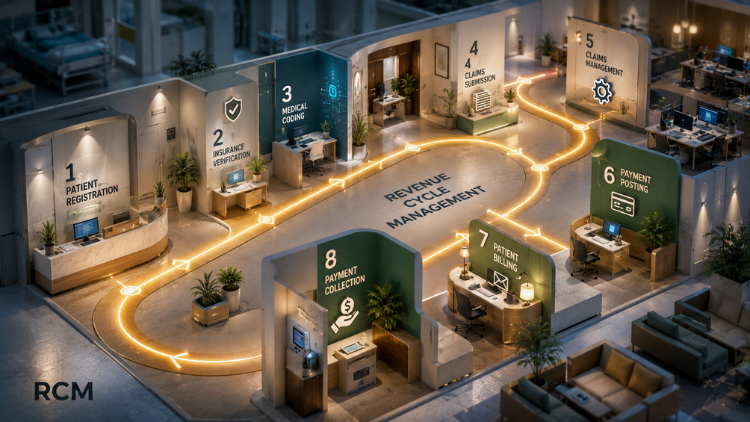
Zakelijk en beheer | Inkomstencyclusbeheer (RCM)
Patient Registration, Insurance Verification, Medical Coding, Billing, Claims & Denial Management Step by Step
5.0
2 uur
23 lezingen
Tussenliggend
$19.99
Frequently Bought Together
Learners who enrolled in this course also frequently purchased these complementary courses together.
7-Day Money Back Guarantee for all bundle items
This course:
Bestseller
$84.99
Total price for selected items:
$139.98
$174.97
Veelgestelde vragen
Vind antwoorden op de meest gestelde vragen over deze cursus.
Ja! Nadat u 100% van de cursuslezingen en -opdrachten hebt voltooid, kunt u uw geverifieerde digitale certificaat van voltooiing direct downloaden vanuit uw Lucebra-profiel.
Ontdek meer in Technology
Breid je leertraject uit met geaccrediteerde certificaten, gerelateerde e-books en interactieve live lessen.