
Vibe coding, involving AI-generated code, fundamentally challenges traditional concepts of copyright and intellectual property rights by raising questions about authorship when code is produced by artificial intelligence rather than humans. This shift necessitates a reevaluation of current legal frameworks governing software licensing and copyright, to balance the protection of creators' rights with the promotion of innovation and collaboration in the software development community.
Опанування законодавства про інтелектуальну власність в AI та програмному забезпеченні: орієнтація в епоху Vibe-кодування
Navega el Futuro de la Tecnología: Propiedad Intelectual en IA y Software, Cubriendo la Codificación de Vibe, la Ética de la IA y el Derecho de Propiedad Intelectual Global
Всі рівні • 100 Лекції • Довічний доступ
Перевірений майстер-інструктор

ТРЕЙЛЕР
Зустрічайте свого викладача: Peter Alkema
19 ms
5.0 / 5.0
Глобальний рейтинг1
Активні студентиАнглійська (Сполучені Штати)
99 мов субтитрів5 год 44 хв
Загальний вмістЩо ви дізнаєтесь
1. Definir el concepto de derechos de propiedad intelectual en software.
2. Explicar la evolución histórica de los derechos de autor de software.
3. Identificar conceptos de autoría en el desarrollo de software.
4. Describir el impacto de la codificación de vibe en las prácticas legales.
Зміст курсу
20 розділів • 100 лекцій • 05:44:12 загальна довжинаDefining Vibe Coding and Its Technological Underpinnings
03:46
Vibe coding revolutionizes human-computer interaction by developing software and algorithms capable of understanding and adapting to human emotions, preferences, and behaviors, utilizing AI, machine learning, and sensor technology. This innovation not only offers personalized user experiences across various sectors but also raises important considerations regarding privacy, data security, and ethical technology use.
Defining Vibe Coding and Its Technological Underpinnings
PDF
Завантажити
Challenges of Attributing Authorship in Vibe Coding
03:19
Vibe coding, which involves collaboration between humans and artificial intelligence in software development, challenges traditional concepts of authorship and intellectual property rights. This technological innovation necessitates a reevaluation of laws and licensing models to accommodate the collaborative nature of human and AI contributions, impacting everything from open-source to proprietary software.
Challenges of Attributing Authorship in Vibe Coding
PDF
Завантажити
AI-generated Code vs. Human-Created Code: A Legal Perspective
03:12
The emergence of AI-generated code poses novel challenges to traditional copyright laws, questioning the notions of authorship and ownership in the realm of software development. Legal experts, policymakers, and technologists must collaborate to adapt legal frameworks to accommodate both human-created and AI-generated code, ensuring innovation and intellectual property rights are protected in this new digital age.
AI-generated Code vs. Human-Created Code: A Legal Perspective
PDF
Завантажити
Copyrightability of AI-generated Software Code
03:20
The intersection of artificial intelligence and software development, specifically through AI-generated software code, presents new challenges and opportunities for intellectual property and licensing, questioning traditional notions of authorship and copyright protection. As AI continues to influence software creation, it prompts a reevaluation of legal frameworks to balance innovation with the rights and interests of all stakeholders in the tech and legal communities.
Copyrightability of AI-generated Software Code
PDF
Завантажити
Case Studies: Legal Disputes Involving AI Coding
03:28
The emergence of vibe coding, which utilizes artificial intelligence to generate or suggest code, introduces significant legal challenges in determining copyright ownership when contributions are made by both humans and AI. This innovative coding approach necessitates the development of new intellectual property laws and licensing models to accommodate the intertwined contributions of human and machine, balancing the protection of creators' rights with the promotion of innovation and collaboration in software development.
Case Studies: Legal Disputes Involving AI Coding
PDF
Завантажити
Basics of Software Licensing: An Overview
02:59
Software licensing is a legal framework that dictates the use and distribution of software, serving as a contract between the creator or publisher and the user to outline usage rights and protect intellectual property. It encompasses various types of licenses, including open-source, proprietary, and enterprise agreements, each defining specific rights, limitations, and responsibilities to prevent piracy and foster innovation while accommodating personal and commercial use.
Open Source Licensing in the Context of Vibe Coding
03:09
The emergence of vibe coding, which integrates artificial intelligence with coding, presents new challenges and opportunities for open source licensing, especially regarding authorship and contribution when AI generates or modifies code. Addressing these challenges requires adapting or creating new licensing frameworks that maintain the open source principles of collaboration, transparency, and freedom, while recognizing both human and AI contributions.
Implications of Vibe Coding for Software Licensing Models
03:45
Vibe coding, powered by AI to generate software based on inputs and vibes, is challenging traditional intellectual property and licensing models by blurring the lines of authorship. This technological advancement necessitates a reevaluation of legal frameworks to address the ownership and rights of AI-generated code, potentially transforming software development and distribution.
Proprietary Software Licensing and AI-generated Code
03:30
The intersection of proprietary software licensing and AI-generated code presents new challenges and opportunities in defining authorship, ownership, and the applicability of existing intellectual property laws in the digital age. As AI's role in code generation grows, companies, legal professionals, and policymakers are exploring new licensing models and legal frameworks to ensure that innovation continues in a way that respects intellectual property rights and promotes fair use.
Evaluating Licensing Agreements for AI-Generated Software
03:44
Today's lesson explores the complex interplay between vibe coding—a creative and intuitive approach to programming—and the challenges it poses to traditional intellectual property and licensing frameworks, particularly in the context of AI-generated code. It underscores the necessity of reevaluating and adapting legal structures to address the evolving landscape of software development and ownership in the age of artificial intelligence.
Basics of Software Licensing: An Overview
PDF
Завантажити
Implications of Vibe Coding for Software Licensing Models
PDF
Завантажити
Open Source Licensing in the Context of Vibe Coding
PDF
Завантажити
Proprietary Software Licensing and AI-generated Code
PDF
Завантажити
Evaluating Licensing Agreements for AI-Generated Software
PDF
Завантажити
Тижневий план навчання
Сплануйте свій шлях навчання
ШІ створює персональний розклад за вашою доступністю5 год/тиж
Вимоги
1. No hay requisitos o prerrequisitos para este curso, pero los elementos listados a continuación son una guía de conocimientos de fondo útiles que aumentarán el valor y los beneficios de este curso.
2. Comprensión básica de los procesos y metodologías de desarrollo de software.
3. Familiaridad con los principios generales del derecho de propiedad intelectual.
4. Interés en la intersección de tecnología, derecho y inteligencia artificial.
Цільова аудиторія
1. Software developers interested in incorporating AI into their coding practices.
2. Intellectual property lawyers specializing in technology and digital rights.
3. Technology entrepreneurs exploring new AI-driven business models.
4. Open-source contributors looking to understand the impact of AI on collaborative projects.
Про цей курс
En una era donde la tecnología no solo complementa, sino que a menudo lidera las empresas y los emprendimientos creativos, la intersección del derecho de propiedad intelectual (PI) y el desarrollo de software nunca ha sido más crucial. A medida que transitamos hacia un mundo digital, las reglas de participación para creadores, desarrolladores e inventores se están reescribiendo. ¿Alguna vez has reflexionado sobre la magnitud del andamiaje legal de la innovación? ¿O cómo el panorama evolutivo de la inteligencia artificial (IA) encaja o desafía los marcos de PI existentes? Si estas preguntas despiertan tu curiosidad o resuenan con tu trayectoria profesional, entonces has aterrizado en una oportunidad de aprendizaje sin igual.
Somos un equipo de expertos en derecho de PI, desarrolladores de software experimentados y educadores dedicados. Nuestra experiencia colectiva abarca el diseño de estrategias de PI robustas para corporaciones multinacionales, la navegación de litigios complejos de PI y la vanguardia en proyectos de desarrollo de software que han empujado los límites de la tecnología. Con décadas de experiencia combinada, hemos sido testigos del poder transformador de aprovechar eficazmente las leyes de PI en tecnología y los desafíos que conlleva. Nuestra motivación para compartir nuestro conocimiento surge de una creencia compartida: entender los derechos de propiedad intelectual no es solo para expertos legales, es esencial para cualquiera que dé el paso al mundo del desarrollo de software y la innovación tecnológica.
¿Por qué es este curso relevante hoy? A medida que la tecnología evoluciona rápidamente, también lo hace el panorama del derecho de PI. La Inteligencia Artificial, blockchain y otras tecnologías de vanguardia no solo están remodelando nuestro mundo; están redefiniendo los límites de lo que se puede poseer, patentar o proteger con derechos de autor. En esta era digital, el valor del software y las innovaciones digitales es sin precedentes. Sin embargo, navegar por la intrincada red de derechos de PI, comprender las leyes de derechos de autor, la patentabilidad, los secretos comerciales y navegar por el terreno del contenido generado por IA son desafíos que creadores e innovadores enfrentan a diario. Este curso tiene como objetivo develar las complejidades del derecho de PI con un enfoque en el desarrollo de software y la IA, asegurándote que estés equipado con el conocimiento para proteger y capitalizar tus creaciones.
A lo largo de este curso integral, te guiaremos a través de un viaje inmersivo hacia las profundidades de la propiedad intelectual en el ámbito del desarrollo de software. Desde la evolución histórica de los derechos de autor de software hasta el ámbito vanguardista de la codificación de vibe, los fundamentos
Кар'єрні можливості та цільові професії
Опануйте практичні навички для працевлаштування та претендуйте на престижні міжнародні посади
Програма для кар'єрного старту
Посади, на які ви можете претендувати
AI Solutions Engineer
Applied Generative AI Specialist
LLM & Prompt Architecture Consultant
AI Automation & Workflow Lead
Орієнтовна річна зарплата
$105,000 – $165,000 / yr
Попит на світовому ринку
Fastest Growing Worldwide (#1)
Ключові практичні навички* Оцінки базуються на міжнародних звітах про компенсації в IT-галузі.
Applied Generative AI Architecture
Model Fine-Tuning & Evaluation
Vector Databases & RAG Workflows
Autonomous AI Agent Orchestration
Познайомтеся з викладачем
Peter Alkema
Головний інструктор
Business | Technology | Self Development
"What an amazing course! After finishing this course, I have confidence. Thank so much Dr Peter Alkema" ... "This is exactly the jump-start I needed. Very clear and concise"
I lead Digital Transformation & Architecture at ABB and I've been featured on CNBC Africa and won the Gartner CIO Of The Year in 2016. I founded and led the largest banking hackathon in South Africa which was published in 2019 as a case study by Harvard Business School.
I've taught over 100,000 students about technology, business, academics and self-development. In 2020 I completed my PhD at Wits University In Johannesburg. The study introduced a ground-breaking theory of Agile software development teams. My woodworking book was published in 2014 and has sold over 10,000 copies.
Olugbenga Gbadegesin: "Excellent delivery" / Lebogang Tswelapele: "This is what I have been longing for" / Paskalia Ndapandula: "Peter speaks with so much clarity" / Amantle Mangwedi: "It was straight to the point and the sections are cut into nice short segments which made it easier to go through" Kathy Bermudez: "Excellent material. Well organized..."
Werner van Wyk: "Thank you Peter, once again your lesson and course have given me so much knowledge and understanding" / Yvonne Rudolph "I really look forward to take everything i learned in action" / Josephine Mahlangu: "exactly what I needed to know, absolutely valuable and helpful for my personal growth"...
Інші курси викладача:
Peter AlkemaКупували і студенти
Учні, які переглянули цей курс, також записалися на ці курси з найвищим рейтингом
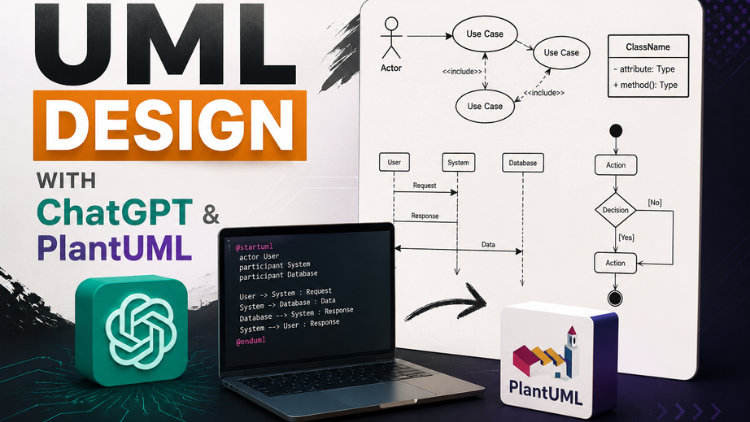
Розробка | Єдність
Learn UML design faster with ChatGPT and PlantUML automation.
5.0
1 год 30 хв
20 лекцій
Проміжний
$19.99
$24.99
Розробка | Штучний інтелект (AI)
Compare and master the leading AI chatbots with hands-on tutorials and expert tips for effective use
5.0
1 год
20 лекцій
всі
$12.99
$54.99

Розробка | C# (мова програмування)
Master C# Basics in no Time - A Comprehensive Course Packed with Examples, tips and exercises!
5.0
2 год 30 хв
17 лекцій
всі
$19.99
Розробка | Оцінка будівництва
ChatGPT for Beginners: Use ChatGPT to WIN in your CAREER as a professional or Make a Business Using ChatGPT OpenAI!
5.0
3 год
37 лекцій
всі
$24.99
Розробка | SQL
Become an Expert at Microsoft SQL! By writing SQL queries for Data Analytics and Data Science base concepts
5.0
6 год 30 хв
87 лекцій
всі
$9.99
$39.99
Розробка | Python
Master Python Fundamentals in Telugu – Variables, Loops, Functions, OOPs, Projects and More with Practical Examples
5.0
9 год 30 хв
90 лекцій
всі
$44.99
$74.99
Frequently Bought Together
Learners who enrolled in this course also frequently purchased these complementary courses together.
7-Day Money Back Guarantee for all bundle items
This course:
Бестселер
$64.99
Total price for selected items:
$115.98
$144.97
Часті запитання
Знайдіть відповіді на найпоширеніші запитання про цей курс.
так! Виконавши 100% лекцій і завдань курсу, ви можете миттєво завантажити свій підтверджений цифровий сертифікат про проходження безпосередньо зі свого профілю Lucebra.
Дізнайтеся більше в Technology
Розширюйте навчання за допомогою акредитованих сертифікатів, електронних книг та інтерактивних онлайн-уроків.