
Vibe coding, involving AI-generated code, fundamentally challenges traditional concepts of copyright and intellectual property rights by raising questions about authorship when code is produced by artificial intelligence rather than humans. This shift necessitates a reevaluation of current legal frameworks governing software licensing and copyright, to balance the protection of creators' rights with the promotion of innovation and collaboration in the software development community.
Opanowanie prawa własności intelektualnej w AI i oprogramowaniu: nawigacja w erze kodowania Vibe
Navighează Viitorul Tehnologiei: Proprietatea Intelectuală în AI și Software, Acoperind Codificarea Vibe, Etica AI și Legea IP Globală
Wszystkie poziomy • 100 Wykłady • Dożywotni dostęp
Sprawdzony Mistrz Instruktor

PRZYCZEPA
Poznaj swojego instruktora: Peter Alkema
19 ms
5.0 / 5.0
Globalna ocena1
Aktywni studenciAngielski amerykański
Napisy w 99 językach5 godz. 44 min
Całkowita zawartośćCzego się dowiesz
1. Definește conceptul de drepturi de proprietate intelectuală în software.
2. Explică evoluția istorică a drepturilor de autor pentru software.
3. Identifică conceptele de autoritate în dezvoltarea software.
4. Descri în mod explicit impactul codificării vibe asupra practicilor legale.
Treść kursu
20 sekcji • 100 wykłady • 05:44:12 długość całkowitaDefining Vibe Coding and Its Technological Underpinnings
03:46
Vibe coding revolutionizes human-computer interaction by developing software and algorithms capable of understanding and adapting to human emotions, preferences, and behaviors, utilizing AI, machine learning, and sensor technology. This innovation not only offers personalized user experiences across various sectors but also raises important considerations regarding privacy, data security, and ethical technology use.
Defining Vibe Coding and Its Technological Underpinnings
PDF
Pobierać
Challenges of Attributing Authorship in Vibe Coding
03:19
Vibe coding, which involves collaboration between humans and artificial intelligence in software development, challenges traditional concepts of authorship and intellectual property rights. This technological innovation necessitates a reevaluation of laws and licensing models to accommodate the collaborative nature of human and AI contributions, impacting everything from open-source to proprietary software.
Challenges of Attributing Authorship in Vibe Coding
PDF
Pobierać
AI-generated Code vs. Human-Created Code: A Legal Perspective
03:12
The emergence of AI-generated code poses novel challenges to traditional copyright laws, questioning the notions of authorship and ownership in the realm of software development. Legal experts, policymakers, and technologists must collaborate to adapt legal frameworks to accommodate both human-created and AI-generated code, ensuring innovation and intellectual property rights are protected in this new digital age.
AI-generated Code vs. Human-Created Code: A Legal Perspective
PDF
Pobierać
Copyrightability of AI-generated Software Code
03:20
The intersection of artificial intelligence and software development, specifically through AI-generated software code, presents new challenges and opportunities for intellectual property and licensing, questioning traditional notions of authorship and copyright protection. As AI continues to influence software creation, it prompts a reevaluation of legal frameworks to balance innovation with the rights and interests of all stakeholders in the tech and legal communities.
Copyrightability of AI-generated Software Code
PDF
Pobierać
Case Studies: Legal Disputes Involving AI Coding
03:28
The emergence of vibe coding, which utilizes artificial intelligence to generate or suggest code, introduces significant legal challenges in determining copyright ownership when contributions are made by both humans and AI. This innovative coding approach necessitates the development of new intellectual property laws and licensing models to accommodate the intertwined contributions of human and machine, balancing the protection of creators' rights with the promotion of innovation and collaboration in software development.
Case Studies: Legal Disputes Involving AI Coding
PDF
Pobierać
Basics of Software Licensing: An Overview
02:59
Software licensing is a legal framework that dictates the use and distribution of software, serving as a contract between the creator or publisher and the user to outline usage rights and protect intellectual property. It encompasses various types of licenses, including open-source, proprietary, and enterprise agreements, each defining specific rights, limitations, and responsibilities to prevent piracy and foster innovation while accommodating personal and commercial use.
Open Source Licensing in the Context of Vibe Coding
03:09
The emergence of vibe coding, which integrates artificial intelligence with coding, presents new challenges and opportunities for open source licensing, especially regarding authorship and contribution when AI generates or modifies code. Addressing these challenges requires adapting or creating new licensing frameworks that maintain the open source principles of collaboration, transparency, and freedom, while recognizing both human and AI contributions.
Implications of Vibe Coding for Software Licensing Models
03:45
Vibe coding, powered by AI to generate software based on inputs and vibes, is challenging traditional intellectual property and licensing models by blurring the lines of authorship. This technological advancement necessitates a reevaluation of legal frameworks to address the ownership and rights of AI-generated code, potentially transforming software development and distribution.
Proprietary Software Licensing and AI-generated Code
03:30
The intersection of proprietary software licensing and AI-generated code presents new challenges and opportunities in defining authorship, ownership, and the applicability of existing intellectual property laws in the digital age. As AI's role in code generation grows, companies, legal professionals, and policymakers are exploring new licensing models and legal frameworks to ensure that innovation continues in a way that respects intellectual property rights and promotes fair use.
Evaluating Licensing Agreements for AI-Generated Software
03:44
Today's lesson explores the complex interplay between vibe coding—a creative and intuitive approach to programming—and the challenges it poses to traditional intellectual property and licensing frameworks, particularly in the context of AI-generated code. It underscores the necessity of reevaluating and adapting legal structures to address the evolving landscape of software development and ownership in the age of artificial intelligence.
Basics of Software Licensing: An Overview
PDF
Pobierać
Implications of Vibe Coding for Software Licensing Models
PDF
Pobierać
Open Source Licensing in the Context of Vibe Coding
PDF
Pobierać
Proprietary Software Licensing and AI-generated Code
PDF
Pobierać
Evaluating Licensing Agreements for AI-Generated Software
PDF
Pobierać
Tygodniowy Plan Nauki
Zaplanuj swoją naukę
AI tworzy spersonalizowany harmonogram na podstawie dostępności5 godz/tydz
Wymagania
1. Nu există cerințe sau pre-rechizite pentru acest curs, dar elementele listate mai jos sunt un ghid pentru cunoștințele de fond utile care vor crește valoarea și beneficiile acestui curs.
2. Înțelegere de bază a proceselor și metodologiilor de dezvoltare software.
3. Familiaritate cu principiile generale ale legii proprietății intelectuale.
4. Interes pentru intersectia dintre tehnologie, drept și inteligență artificială.
Grupa docelowa
1. Software developers interested in incorporating AI into their coding practices.
2. Intellectual property lawyers specializing in technology and digital rights.
3. Technology entrepreneurs exploring new AI-driven business models.
4. Open-source contributors looking to understand the impact of AI on collaborative projects.
O tym kursie
Într-o eră în care tehnologia nu doar că completează, dar deseori conduce întreprinderile și inițiativele creative, intersectia dintre legea proprietății intelectuale (IP) și dezvoltarea software-ului nu a fost niciodată atât de crucială. Pe măsură ce trecem într-o lume centrată pe digital, regulile de angajament pentru creatori, dezvoltatori și inventatori sunt rescrise. Te-ai gândit vreodată la magnitudinea schelei legale a inovației? Sau cum se încadrează sau provoacă peisajul în continuă evoluție al inteligenței artificiale (AI) în cadrul sau provocările cadrelor existente ale proprietății intelectuale? Dacă aceste întrebări stârnesc curiositate sau rezonează cu cariera ta profesională, atunci ai aterizat pe o oportunitate de învățare de neegalat.
Suntem o echipă de experți în domeniul legii proprietății intelectuale, dezvoltatori de software experimentați și educatori dedicați. Experiența noastră colectivă se întinde peste proiectarea de strategii robuste de proprietate intelectuală pentru corporații multinaționale, navigarea în litigii complexe de proprietate intelectuală și pionieratul proiectelor de dezvoltare software care au împins granițele tehnologiei. Cu zeci de ani de experiență combinată, am fost martorii puterii transformatoare a utilizării eficiente a legilor de proprietate intelectuală în tehnologie și a provocărilor care vin cu aceasta. Motivația noastră de a împărtăși cunoștințele noastre provine dintr-o convingere comună: înțelegerea drepturilor de proprietate intelectuală nu este doar pentru experți juridici - este esențială pentru oricine intră în lumea dezvoltării software și inovației tehnologice.
De ce este acest curs relevant astăzi? Pe măsură ce tehnologia evoluează rapid, așa cum face și peisajul legii de proprietate intelectuală. Inteligența Artificială, blockchain și alte tehnologii de vârf nu doar că ne remodelează lumea; ele redesenează liniile a ceea ce poate fi deținut, patentat sau protejat prin drepturi de autor. În această eră digitală, valoarea software-ului și inovațiilor digitale este fără precedent. Cu toate acestea, navigarea în rețeaua intrinsă a drepturilor de proprietate intelectuală, înțelegerea legilor de drepturi de autor, patentabilitatea, secretele comerciale și navigarea în terenul conținutului generat de AI sunt provocări cu care se confruntă creatorii și inovatorii zilnic. Acest curs își propune să dezvăluie complexitățile legii de proprietate intelectuală cu un accent pe dezvoltarea software și AI, asigurându-se că ești echipat cu cunoștințele necesare pentru a proteja și capitaliza creațiile tale.
De-a lungul acestui curs cuprinzător, te vom ghida printr-o călătorie imersivă în adâncurile proprietății intelectuale în domeniul dezvoltării software. De la evoluția istorică a drepturilor de autor pentru software la domeniul avangardist al codificării vibe, fundamentul conceptelor de dezvoltare software, impactul codificării vibe asupra practicilor legale, principiile de bază ale licențierii software, diferențierea dintre codul generat de AI și cel creat de oameni, analiza provocărilor de drepturi de autor pentru software generat de AI, evaluarea cazurilor de studiu privind litigiile legale legate de codificarea AI, aplicarea modelelor de licențiere open-source la proiectele de codificare vibe, evaluarea licențierii proprietary pentru codul generat de AI, discutarea tendințelor viitoare în software proprietary și AI, rezumarea implicațiilor etice ale software-ului generat de AI, compararea legilor de proprietate intelectuală internaționale care afectează dezvoltarea AI, determinarea proprietății în operele creative generate de AI, judecarea patentabilității invențiilor software generate de AI.
Możliwości Kariery i Stanowiska Docelowe
Zdobądź praktyczne umiejętności i kwalifikuj się na kluczowe stanowiska na świecie
Program Gotowy do Pracy
Stanowiska, na które możesz aplikować
AI Solutions Engineer
Applied Generative AI Specialist
LLM & Prompt Architecture Consultant
AI Automation & Workflow Lead
Szacowane Wynagrodzenie Roczne
$105,000 – $165,000 / yr
Globalne Zapotrzebowanie Rynkowe
Fastest Growing Worldwide (#1)
Kluczowe Umiejętności, które Zdobędziesz* Szacunki oparte na globalnych raportach płacowych branży technologicznej.
Applied Generative AI Architecture
Model Fine-Tuning & Evaluation
Vector Databases & RAG Workflows
Autonomous AI Agent Orchestration
Poznaj swojego instruktora
Peter Alkema
Główny Instruktor
Business | Technology | Self Development
"What an amazing course! After finishing this course, I have confidence. Thank so much Dr Peter Alkema" ... "This is exactly the jump-start I needed. Very clear and concise"
I lead Digital Transformation & Architecture at ABB and I've been featured on CNBC Africa and won the Gartner CIO Of The Year in 2016. I founded and led the largest banking hackathon in South Africa which was published in 2019 as a case study by Harvard Business School.
I've taught over 100,000 students about technology, business, academics and self-development. In 2020 I completed my PhD at Wits University In Johannesburg. The study introduced a ground-breaking theory of Agile software development teams. My woodworking book was published in 2014 and has sold over 10,000 copies.
Olugbenga Gbadegesin: "Excellent delivery" / Lebogang Tswelapele: "This is what I have been longing for" / Paskalia Ndapandula: "Peter speaks with so much clarity" / Amantle Mangwedi: "It was straight to the point and the sections are cut into nice short segments which made it easier to go through" Kathy Bermudez: "Excellent material. Well organized..."
Werner van Wyk: "Thank you Peter, once again your lesson and course have given me so much knowledge and understanding" / Yvonne Rudolph "I really look forward to take everything i learned in action" / Josephine Mahlangu: "exactly what I needed to know, absolutely valuable and helpful for my personal growth"...
Więcej kursów prowadzonych przez
Peter AlkemaStudenci też kupili
Uczniowie, którzy oglądali ten kurs, zapisali się również na te najwyżej oceniane kursy
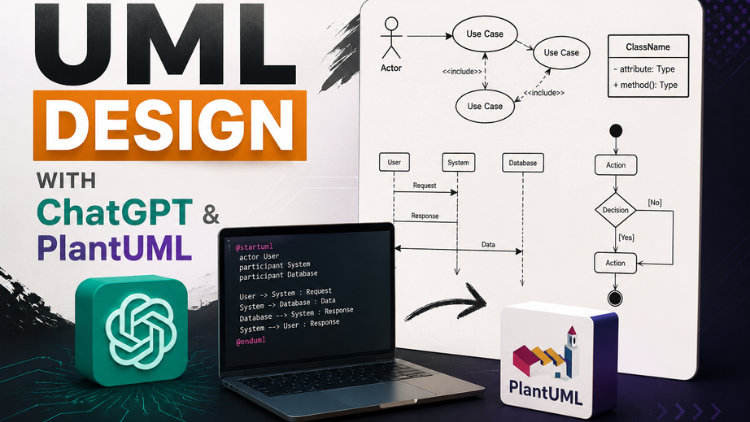
Programowanie | Unified Modeling Language
Learn UML design faster with ChatGPT and PlantUML automation.
5.0
1 godz. 30 min
20 wykłady
Mediator
$19.99
$24.99
Programowanie | Sztuczna inteligencja (AI)
Compare and master the leading AI chatbots with hands-on tutorials and expert tips for effective use
5.0
1 godz.
20 wykłady
Wszystko
$12.99
$54.99
Programowanie | C# (język programowania)
Master C# Basics in no Time - A Comprehensive Course Packed with Examples, tips and exercises!
5.0
2 godz. 30 min
17 wykłady
Wszystko
$19.99
Programowanie | CzatGPT
ChatGPT for Beginners: Use ChatGPT to WIN in your CAREER as a professional or Make a Business Using ChatGPT OpenAI!
5.0
3 godz.
37 wykłady
Wszystko
$24.99
Programowanie | SQL
Become an Expert at Microsoft SQL! By writing SQL queries for Data Analytics and Data Science base concepts
5.0
6 godz. 30 min
87 wykłady
Wszystko
$9.99
$39.99
Programowanie | Python
Master Python Fundamentals in Telugu – Variables, Loops, Functions, OOPs, Projects and More with Practical Examples
5.0
9 godz. 30 min
90 wykłady
Wszystko
$44.99
$74.99
Frequently Bought Together
Learners who enrolled in this course also frequently purchased these complementary courses together.
7-Day Money Back Guarantee for all bundle items
This course:
Bestseller
$64.99
Total price for selected items:
$115.98
$144.97
Często zadawane pytania
Znajdź odpowiedzi na najczęściej zadawane pytania dotyczące tego kursu.
Tak! Po ukończeniu 100% wykładów i zadań w ramach kursu możesz natychmiast pobrać zweryfikowany cyfrowy certyfikat ukończenia bezpośrednio ze swojego profilu Lucebra.
Odkryj więcej w Technology
Rozwiń swoją naukę dzięki akredytowanym certyfikatom, e-bookom i interaktywnym lekcjom na żywo.