
- What is the meaning of tenses?
- What are the three broad categories of tenses?
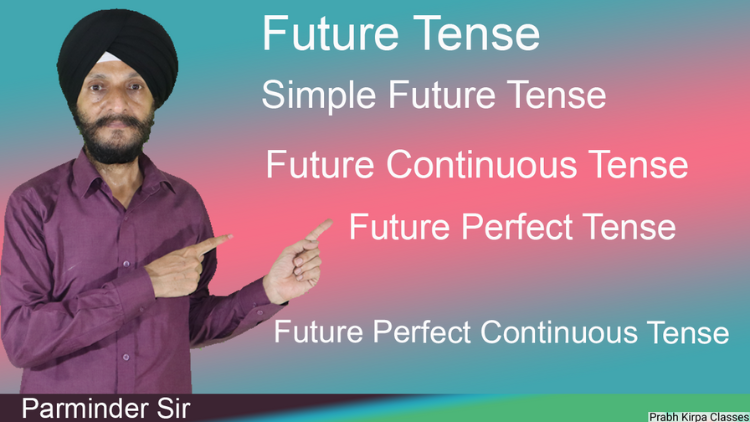
- We will also discuss in detail all the four different types of Future tense:
Czas przyszły
CZAS PRZYSZŁY
Lahat ng Antas • 5 Mga lektura • Panghabambuhay na Access
Na-verify na Master Instructor
TRAILER
Kilalanin ang iyong instructor: Prabh Kirpa Classes
19 ms
5.0 / 5.0
Global Rating1
Mga Aktibong Mag-aaralIngles (American)
99 Mga Subtitle na Wika1 oras 39 min
Kabuuang NilalamanAng matututuhan mo
Prosty Czas Przyszły
Ciągły Czas Przyszły
Dokonany Czas Przyszły
Dokonany Ciągły Czas Przyszły
Nilalaman ng Kurso
5 na mga seksyon • 5 mga lektura • 01:39:05 kabuuang habaSimple Future Tense
26:40
When to use future simple tense?
Formation of positive, negative and interrogative sentence in simple future tense.
Contractions and answers in simple future tense
Common Mistakes made in simple future tense
Practice
Future Continuous Tense
28:55
When we use future continuous tense?
Formation of positive, negative and interrogative sentence in future continuous tense.
Contractions in future continuous tense
Adding – ing to verb
When not to use future continuous tense
What are action verbs and stative verbs?
Common mistakes made in future continuous tense & Practice
Lingguhang Plano ng Pag-aaral
Planuhin ang iyong paglalakbay sa pag-aaral
Ang AI ay lumilikha ng personalized na iskedyul ayon sa iyong oras5 oras/linggo
Mga kinakailangan
Brak
Target na Audience
Students who are interested in learning Future Tense and its types
Tungkol sa kursong ito
W tym kursie omówimy:
Czasy odgrywają kluczową rolę w języku angielskim. Określają czas, w którym dana czynność ma miejsce, czy to w przeszłości, teraźniejszości, czy też w przyszłości. Czasy są po prostu sposobem, w jaki mówimy o czasie. Czasy można ogólnie podzielić na trzy kategorie - Przeszły, Teraźniejszy i Przyszły.
W każdej kategorii czasów istnieją cztery różne typy, tj.
Szczegółowo omówimy również wszystkie cztery różne typy czasu przyszłego:
i) Prosty Czas Przyszły
ii) Ciągły Czas Przyszły
iii) Dokonany Czas Przyszły
iv) Dokonany Ciągły Czas Przyszły
Prosty czas przyszły jest używany do mówienia o czynności, która nastąpi w przyszłości. Ten czas jest również używany do wyrażania życzenia, planu lub przewidywania zdarzeń, które mają nastąpić w przyszłości. Jest również używany do obietnic/prośb/odmów/ofert.
Ciągły czas przyszły jest również znany jako Ciągły Czas Przyszły.
Dokonany czas przyszły jest używany do odniesienia się do:
Dokonany Ciągły Czas Przyszły to czas, który jest używany do mówienia o czynności, która będzie trwała przez określony czas w przyszłości. Dokonany Ciągły Czas Przyszły jest również używany do opisywania lub wskazywania czynności, które rozpoczęły się w przeszłości i będą trwać do określonego punktu w czasie w przyszłości.
Kilalanin ang iyong instruktor
Prabh Kirpa Classes
Pangunahing Instruktor
Educator
This channel is purely education based. Our aim is to ensure that the students are able to understand each and every question in an easy way. We take pride in providing quality educational services to the students of Class VII to Class XI Science NCERT, English, Computer solutions, Mathematics, Business Studies & Economics. Our goal is to help the leaders of tomorrow to learn to succeed today....
Iba pang mga Kurso ni
Prabh Kirpa ClassesBumili din ang mga estudyante
Ang mga mag-aaral na tumingin sa kursong ito ay nag-enroll din sa mga nangungunang kursong ito
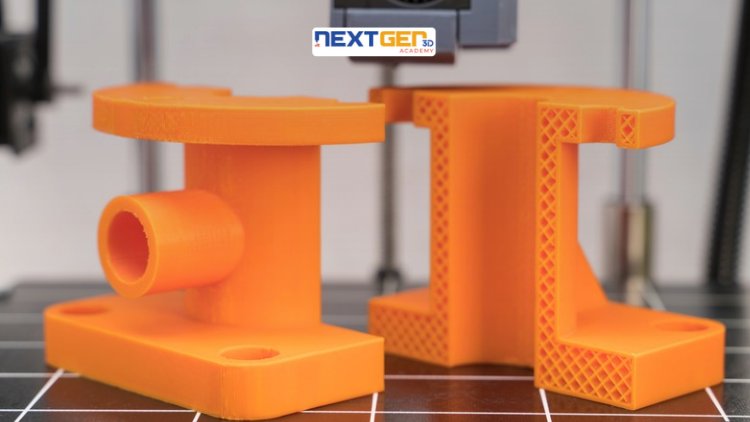
Pagtuturo at Akademiko | Engineering
Unlock the world of 3D printing and product creation with a hands-on, industry-focused course designed to turn your ideas into reality. Whether you’re an engineer, designer, technician Masterclass.
5.0
3 oras
19 mga lecture
Intermediate
$12.99
Pagtuturo at Akademiko | Matematika
Taking Your Mastery of Probability to the Next Level
5.0
1 oras 30 min
6 mga lecture
Lahat
$9.99
$19.99
Pagtuturo at Akademiko | Matematika
Advanced Formulas and Strategies for Cone Surface Area Determination
5.0
1 oras
10 mga lecture
Lahat
$19.99
LIBRE

Pagtuturo at Akademiko | Kasalukuyang mga gawain
Master all important Current Affairs from June 1–30, 2026 with daily video lectures, MCQs, exam-oriented explanations an
5.0
8 oras 30 min
29 mga lecture
Baguhan
$29.99
$39.99
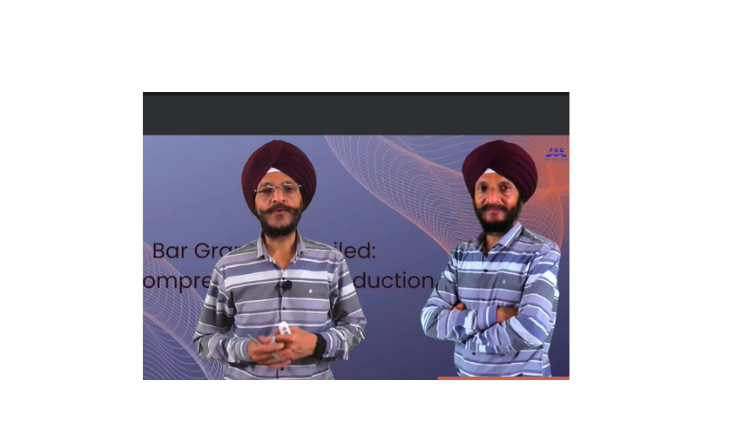
Pagtuturo at Akademiko | Matematika
Unlocking the Power of Bar Charts for Effective Data Communication
5.0
1 oras
5 mga lecture
Lahat
$14.99
$19.99
Mga Madalas Itanong
Maghanap ng mga sagot sa pinakakaraniwang tanong tungkol sa kursong ito.
Oo! Sa pagkumpleto ng 100% ng mga lektura at takdang-aralin sa kurso, maaari mong agad na i-download ang iyong na-verify na digital na Sertipiko ng Pagkumpleto nang direkta mula sa iyong profile sa Lucebra.
Mag-explore Pa sa Technology
Palawakin ang iyong pag-aaral gamit ang mga kinikilalang sertipiko, e-book, at live interactive na mga klase.