
Navigating the regulatory frameworks for AI in software development is essential due to the significant concerns around privacy, security, intellectual property, and liability. Developers, policymakers, and legal professionals must stay informed and engaged to ensure AI technologies are developed and deployed responsibly, respecting legal and ethical standards.
دليل شامل لتنظيم الذكاء الاصطناعي والامتثال العالمي
إتقان تنظيم الذكاء الاصطناعي: خصوصية البيانات، الملكية الفكرية، الذكاء الاصطناعي الأخلاقي، ورؤى الامتثال العالمية
Alle Vlakke • 100 Lesings • Lewenslange Toegang
Geverifieerde Meester Instrukteur

SLEEPWA
Ontmoet jou instrukteur: Peter Alkema
19 ms
5.0 / 5.0
Globale gradering1
Aktiewe studenteEngels (Verenigde State van Amerika)
99 Tale Onderskrifte5 uur 30 min
Totale inhoudWat jy sal leer
1. تحديد المفاهيم التنظيمية الأساسية للذكاء الاصطناعي.
2. مقارنة قوانين حماية البيانات في تطوير الذكاء الاصطناعي.
3. شرح حقوق الملكية الفكرية للذكاء الاصطناعي.
4. مناقشة الاعتبارات الأخلاقية في نشر الذكاء الاصطناعي.
Kursusinhoud
20 afdelings • 100 lesings • 05:30:57 totale lengteCompliance Frameworks for AI Systems
02:29
Navigating the regulatory landscape of AI in software development is essential for ensuring that AI systems are safe, private, and fair, necessitating adherence to laws like the GDPR and principles addressing bias and intellectual property rights. Understanding and complying with these regulations fosters trust and positions companies for ethical leadership in the evolving field of AI technologies.
Compliance Frameworks for AI Systems
PDF
Laai af
Risk Management Strategies in AI Development
03:46
Risk management in AI development encompasses addressing data privacy, algorithmic bias, ethical concerns, technical failures, and cybersecurity threats, requiring a multi-disciplinary approach that includes technical, legal, and compliance expertise. Effective risk management ensures AI systems are not only innovative but also compliant with laws, ethical, and trustworthy by implementing robust data governance, diverse testing methodologies, and ethical guidelines.
Risk Management Strategies in AI Development
PDF
Laai af
Auditing AI Systems for Compliance
03:39
Auditing AI systems for compliance is crucial to ensure that these technologies adhere to legal, ethical, and industry-specific standards, focusing on aspects like data governance, algorithmic bias, and ethical considerations. This multifaceted task demands a deep understanding of AI's complexities, as auditors play a key role in safeguarding against risks and facilitating responsible innovation and technological advancement.
Auditing AI Systems for Compliance
PDF
Laai af
The Role of Documentation in AI Compliance
02:55
Navigating the ethical landscape of AI in software development involves addressing key issues such as bias mitigation, transparency, privacy, accountability, and sustainability to harness AI's power responsibly. This multidisciplinary approach is essential for fostering trust, ensuring fairness, and promoting the responsible use of AI technologies in various sectors.
The Role of Documentation in AI Compliance
PDF
Laai af
Case Studies in AI Compliance
02:45
Understanding the ethical implications of AI in software development is essential for responsible innovation, encompassing concerns like data privacy, algorithmic bias, employment impacts, accountability, transparency, and environmental sustainability. Addressing these challenges involves developers, companies, and regulators adopting ethical principles and engaging with stakeholders to ensure AI technologies are developed and deployed with fairness and integrity.
Case Studies in AI Compliance
PDF
Laai af
Introduction to Data Privacy Laws Affecting AI
02:43
The increasing focus on data privacy laws, such as the GDPR in the EU and the CCPA in California, mandates that AI technologies be developed with stringent privacy considerations, including transparency and consent. These regulations, alongside evolving intellectual property rights for AI-generated content, significantly influence how AI is integrated into software applications, requiring a blend of technical and legal expertise for compliance and ethical deployment.
Introduction to Data Privacy Laws Affecting AI
PDF
Laai af
GDPR and AI: Requirements and Responsibilities
03:23
GDPR imposes strict requirements on AI development, emphasizing data protection by design, transparency, and user consent. It challenges developers to create AI systems that are not only compliant but also ensure users' data rights, including the right to be forgotten and data portability.
GDPR and AI: Requirements and Responsibilities
PDF
Laai af
Implementing Data Anonymization Techniques
03:29
Data anonymization is a pivotal process in ensuring privacy and security by altering or removing personal identifiers in data sets, making individuals within the data anonymous while retaining the data's usefulness for analysis. This practice is essential for compliance with data protection laws like the GDPR and CCPA, employing methods such as data masking, pseudonymization, and aggregation to protect individuals' privacy and maintain data utility.
Implementing Data Anonymization Techniques
PDF
Laai af
Cross-border Data Transfers in AI Systems
03:01
Navigating the complex regulatory landscape of cross-border data transfers is crucial for the development and operation of AI systems in the global digital economy. Understanding and complying with various international laws and regulations, such as the GDPR, and employing data protection strategies like encryption and anonymization, are essential for ensuring privacy, security, and compliance.
Cross-border Data Transfers in AI Systems
PDF
Laai af
Case Studies on Data Privacy Challenges in AI
04:08
The lesson explores the complex challenges of data privacy in artificial intelligence (AI), focusing on the need to balance innovative AI applications with the protection of individual privacy rights. It highlights specific concerns in sectors such as facial recognition, predictive policing, and healthcare, and suggests solutions like transparency, ethical AI development principles, and robust regulatory frameworks to address these issues.
Case Studies on Data Privacy Challenges in AI
PDF
Laai af
Weeklikse Studieplan
Beplan jou leerreis
KI skep n persoonlike skedule gebaseer op jou beskikbaarheid5 ure/week
Vereistes
1. لا توجد متطلبات أو شروط مسبقة لهذا المساق، ولكن العناصر المدرجة أدناه هي دليل لمعرفة الخلفية المفيدة التي ستزيد من قيمة وفوائد هذا المساق.
2. فهم أساسي لمفاهيم الذكاء الاصطناعي والمصطلحات.
3. إلمام بالمبادئ التنظيمية والقانونية العامة.
4. مهارات التفكير النقدي والتحليلي لتقييم الآثار الأخلاقية والقانونية والاجتماعية للذكاء الاصطناعي.
Teikengehoor
1. AI developers and software engineers seeking to understand the legal landscape of AI technology.
2. Corporate legal advisors specializing in technology firms or startups involved in AI.
3. Policy makers and regulatory officials looking to grasp the challenges and necessities of AI governance.
4. Ethical AI researchers interested in the intersection of technology, law, and ethics.
Oor hierdie kursus
في عالم التكنولوجيا سريع التطور، يقف الذكاء الاصطناعي (AI) في طليعة عصر جديد من الابتكار. ولكن مع القوة العظيمة تأتي المسؤولية العظيمة. المناظرة القانونية والأخلاقية والتنظيمية المحيطة بالذكاء الاصطناعي لا تقل تعقيدًا عن التكنولوجيا نفسها. سواء كنت مطور ذكاء اصطناعي، أو جهة مصلحة في التكنولوجيا، أو ببساطة مفتون بتداعيات الذكاء الاصطناعي في المجتمع، قد يبدو التنقل في هذه المياه المجهولة أمرًا شاقًا. هل فكرت يومًا في التوازن الدقيق بين الابتكار والتنظيم، أو كيف تتقاطع قوانين حماية البيانات مع تطوير الذكاء الاصطناعي؟
فريقنا، المكون من محترفين مخضرمين وقادة فكر في مجال الذكاء الاصطناعي والقانون والأخلاق، قد صمم هذا المساق الشامل لفك شفرة تعقيدات تنظيم الذكاء الاصطناعي. مع عقود من الخبرة الجماعية وسجل حافل بالنجاح في كل من تطوير الذكاء الاصطناعي والاستشارات القانونية، أدركنا الحاجة الملحة لجسر بين هذين العالمين. تقاطع الذكاء الاصطناعي والقانون ليس ذا صلة فحسب، بل إنه ضروري في العصر الرقمي الحالي. لقد قادنا العديد من الكيانات عبر متاهة الامتثال، وحقوق الملكية الفكرية، والاعتبارات الأخلاقية، والآن، نحن هنا لتوجيهك.
تكنولوجيا الذكاء الاصطناعي لا تعيد فقط تشكيل الصناعات؛ إنها تعيد تعريف المشهد القانوني والأخلاقي العالمي. من خصوصية البيانات إلى الملكية الفكرية، وحماية المستهلك إلى قوانين مكافحة الاحتكار، تشكل دمج الذكاء الاصطناعي تحديات وفرصًا فريدة. يأخذك هذا المساق في رحلة متعمقة عبر الجوانب التأسيسية لتنظيم الذكاء الاصطناعي، متعمقًا في تفاصيل الامتثال، وخصوصية البيانات وحمايتها، وتحديات الملكية الفكرية، والأطر الأخلاقية التي تدعم تطوير ونشر الذكاء الاصطناعي.
انطلق في استكشاف شامل، بدءًا من اللوائح التأسيسية التي تحكم تكنولوجيا الذكاء الاصطناعي. افهم المشهد العالمي لقوانين الذكاء الاصطناعي، بما في ذلك لائحة حماية البيانات العامة (GDPR) وآثارها على تطوير الذكاء الاصطناعي، وحقوق الملكية الفكرية الآخذة في التطور في مجال الذكاء الاصطناعي، والاعتبارات الأخلاقية الحاسمة التي يجب أن توجه تطوير الذكاء الاصطناعي.
بعد ذلك، ستغطس في عالم الامتثال للذكاء الاصطناعي، حيث سنقدم لك أطر عمل قوية واستراتيجيات لإدارة المخاطر المصممة لضمان أن تكون أنظمة الذكاء الاصطناعي الخاصة بك على مستوى اللوائح الحالية. من خلال دراسات حالة عملية، ستشهد عن كثب تعقيدات تدقيق أنظمة الذكاء الاصطناعي والتحول
Loopbaangeleenthede & Teikenposte
Bou praktiese, werksgereed vaardighede en kwalifiseer vir gesogte poste wêreldwyd
Werkgereed Kurrikulum
Poste waarvoor jy kan aansoek doen
AI Solutions Engineer
Applied Generative AI Specialist
LLM & Prompt Architecture Consultant
AI Automation & Workflow Lead
Beraamde Jaarlikse Salaris
$105,000 – $165,000 / yr
Wêreldwye Bedryfsvraag
Fastest Growing Worldwide (#1)
Sleutelvaardighede wat jy Bemeester* Skatting gebaseer op globale tegnologie-werwingsmaatstawwe en salarisverslae.
Applied Generative AI Architecture
Model Fine-Tuning & Evaluation
Vector Databases & RAG Workflows
Autonomous AI Agent Orchestration
Ontmoet jou instrukteur
Peter Alkema
Hoofinstrukteur
Business | Technology | Self Development
"What an amazing course! After finishing this course, I have confidence. Thank so much Dr Peter Alkema" ... "This is exactly the jump-start I needed. Very clear and concise"
I lead Digital Transformation & Architecture at ABB and I've been featured on CNBC Africa and won the Gartner CIO Of The Year in 2016. I founded and led the largest banking hackathon in South Africa which was published in 2019 as a case study by Harvard Business School.
I've taught over 100,000 students about technology, business, academics and self-development. In 2020 I completed my PhD at Wits University In Johannesburg. The study introduced a ground-breaking theory of Agile software development teams. My woodworking book was published in 2014 and has sold over 10,000 copies.
Olugbenga Gbadegesin: "Excellent delivery" / Lebogang Tswelapele: "This is what I have been longing for" / Paskalia Ndapandula: "Peter speaks with so much clarity" / Amantle Mangwedi: "It was straight to the point and the sections are cut into nice short segments which made it easier to go through" Kathy Bermudez: "Excellent material. Well organized..."
Werner van Wyk: "Thank you Peter, once again your lesson and course have given me so much knowledge and understanding" / Yvonne Rudolph "I really look forward to take everything i learned in action" / Josephine Mahlangu: "exactly what I needed to know, absolutely valuable and helpful for my personal growth"...
Meer kursusse deur
Peter AlkemaStudente het ook gekoop
Leerders wat hierdie kursus bekyk het, het ook vir hierdie top-gegradeerde kursusse ingeskryf
GRATIS
Tendencia
IT en Sagteware | HardewareBegin nou
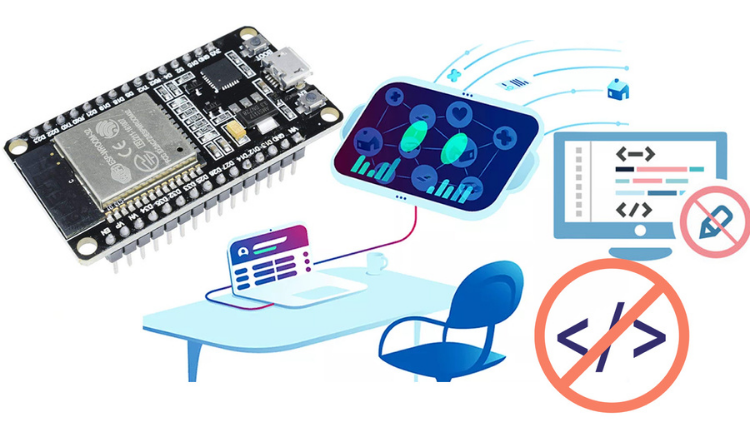
Program ESP32 Board without writing a single code in A Professional Environment
5.0
2 uur 30 min
18 lesings
Alles
GRATIS

IT en Sagteware | Hardeware
Revolutionize Your Coding Skills with Al: A Comprehensive Guide for Beginners
5.0
2 uur
11 lesings
Alles
$10.99
$19.99

IT en Sagteware | Inligting Sekuriteit
Master ISO 27001: Achieve Certification, Build Security, and Ensure Compliance for Your Organization
5.0
1 uur 30 min
10 lesings
Beginner
$39.99
$54.99
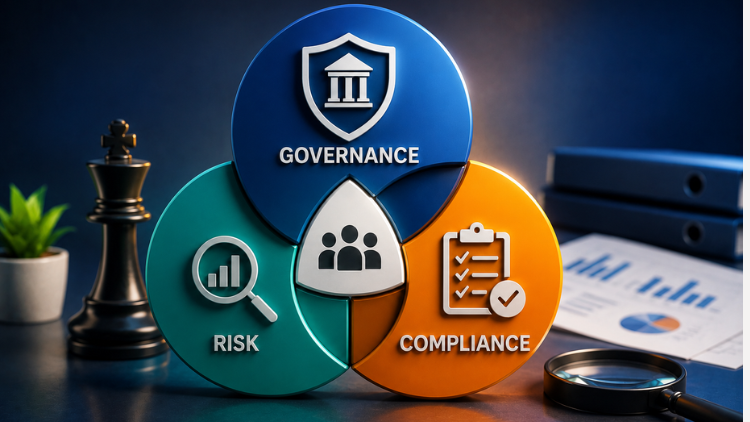
IT en Sagteware | Gesertifiseer in bestuur, risiko en nakoming (CGRC)
Master GRC: Step-by-Step Guide to Implementing Governance, Risk, and Compliance for Business Success
5.0
2 uur 30 min
35 lesings
Intermediêr
$39.99
$64.99

IT en Sagteware | Arduino
Seamlessly Stream and Visualize Real-Time Data from Arduino into Excel with Ease
5.0
1 uur 30 min
6 lesings
Alles
$9.99
$34.99

IT en Sagteware | Ander IT & Sagteware
Learn how to create and customize a website with no prior coding experience.
5.0
1 uur 30 min
12 lesings
Alles
$9.99
$19.99
Frequently Bought Together
Learners who enrolled in this course also frequently purchased these complementary courses together.
7-Day Money Back Guarantee for all bundle items
Total price for selected items:
$107.98
$134.97
Gereelde Vrae
Vind antwoorde op die mees algemene vrae oor hierdie kursus.
Ja! Nadat u 100% van die kursuslesings en opdragte voltooi het, kan u onmiddellik u geverifieerde digitale Sertifikaat van Voltooiing direk vanaf u Lucebra-profiel aflaai.
Verken meer in Tegnologie
Brei jou leerreis uit met geakkrediteerde sertifikate, e-boeke en interaktiewe regstreekse klasse.