

Lucebra
Lucebra 企業版
資訊科技與軟體/其他 IT 和軟體

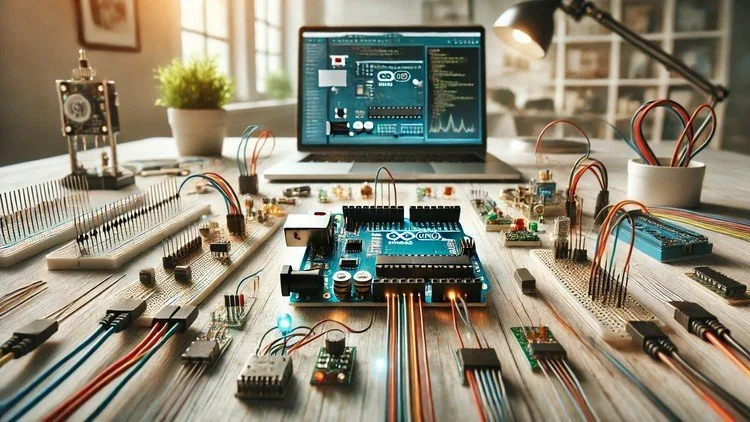
Construye tu propia biblioteca de Arduino: Guía paso a paso

Pasa al siguiente nivel de programación profesional de Arduino automatizando y simplificando tareas usando un Arduino

所有級別 • 16 講座 • 終身訪問
Construye tu propia biblioteca de Arduino: Guía paso a paso
拖車
認識您的導師:Educational Engineering Team

19 ms

5.0 / 5.0
全球評級
1
活躍的學生
美国英语
99 種語言字幕
2小時 8分
總內容

你將學到什麼

Dominar la programación de Arduino usando bibliotecas para organizar códigos
Aprender cómo hacer una biblioteca y publicarla para que todos la usen
Conocer los principales beneficios de usar bibliotecas
Mover tu biblioteca de Arduino

課程內容

7 部分 • 16 講座 • 02:08:35 總長度

Introduction

02:23

Educational Engineering Team - Who we are?

05:46

What is A Library.

05:47

Arduino Libraries

Libraries are files written in Cor C++ (.c, .cpp) which provide your sketches with extra functionality (e.g. the ability to control an LED matrix, or read an encoder, etc.). They were introduced in Arduino 0004.


To use an existing library in a sketch simply go to the Sketch menu, choose "Import Library", and pick from the libraries available. This will insert an #include statement at the top of the sketch for each header (.h) file in the library's folder. These statements make the public functions and constants defined by the library available to your sketch. They also signal the Arduino environment to link that library's code with your sketch when it is compiled or uploaded.


User-created libraries as of version 0017 go in a subdirectory of your default sketch directory. For example, on OSX, thenew directory would be ~/Documents/Arduino/libraries/. On Windows, it would be My Documents\Arduino\libraries\. To add your own library, create a new directory in the libraries directory with the name of your library. The folder should contain a C or C++ file with your code and a header file with your function and variable declarations. It will then appear in the Sketch | Import Library menu in the Arduino IDE.


Note: for users of versions previous to 0017, libraries belong in a subdirectory of the Arduino application directory: ARDUINO/lib/targets/libraries. For version 0017, the libraries directory was moved to make them more convenient to install and use.


Because libraries are uploaded to the board with your sketch, they increase the amount of space used by the ATmega8 on the board. See the FAQ for an explanation of various memory limitations and tips on reducing program size. If a sketch no longer needs a library, simply delete its #include statements from the top of your code. This will stop the Arduino IDE from linking the library with your sketch and decrease the amount of space used on the Arduino board.


To get started writing libraries, download this test library. It should provide a basic template for creating a new library. After you've made changes to your library, in order to get it to recompile, you will have to delete the .o file generated in the library's directory.

Your First Library Creation Steps

03:10

Create the Header File

04:19

Coding the Header File

14:01

Creating the Source File

13:40

Create Keyword File and Readme File

10:27

Create an Example and Use the Library Part1

05:03

Create an Example and Use the Library Part2

03:07

See Your Library in Action

07:58
每週學習計劃
規劃您的學習之旅
AI根據您的可用時間生成個人化時間表

要求

Experiencia básica en Electrónica

Una voluntad de aplicar, no solo ver

目標受眾

Electronics Geeks

Arduino Geeks

Anyone Interested in Learning New Things about Arduino

Anyone Interested in Learning More about Arduino Libraries

關於本課程

¿Alguna vez has necesitado alterar o automatizar una tarea usando un Arduino? ¿Sí? Bueno, ¿alguna vez has necesitado simplificar el código necesario para esa tarea en una colección ordenada de funciones fáciles de usar? Pasa al siguiente nivel de programación profesional de Arduino automatizando y simplificando tareas usando un Arduino.


Entonces este curso es para ti! Aprenderás a hacer una biblioteca para inicializar y controlar un pequeño circuito impulsado por Arduino.


Lo que aprenderás:


  • Qué es una biblioteca
  • Cómo escribir tu propia biblioteca de Arduino
  • Cómo agregar una biblioteca a tu proyecto de Arduino
  • Lleva la programación de Arduino al siguiente nivel con una guía paso a paso sobre cómo construir tu propia biblioteca de Arduino desde cero.


Por qué deberías tomar este curso:


  • Este curso te enseñará a usar el Editor de bocetos de Arduino, que es el IDE (entorno de desarrollo integrado) utilizado para programar las placas Arduino que ejecutan esta versión del Software de Arduino.
  • Aprende a gestionar tu código con bibliotecas de Arduino para automatizar tareas y simplificar la codificación.
  • Construye tu propia biblioteca de código para bocetos de uso común, incluyendo control de pines digitales, control de entrada analógica, control de temporizador PWM y más.
  • Ahorra tiempo programando automatizando tareas con bibliotecas para control de comunicación serial, control de tarjeta SD, control de LCD, control de entrada analógica, control de pines digitales.
  • Obtén una comprensión más profunda del lenguaje de programación de Arduino.


Bienvenido a este curso:

Aprenderás el principio de funcionamiento real de las bibliotecas y comenzarás a codificar tus propias bibliotecas. También aprenderás qué puedes hacer con ellas y cómo usarlas para mejorar tu propio estilo de codificación de Arduino. Las bibliotecas son archivos escritos en C o C++ (.c,.cpp) que proporcionan a tus bocetos funcionalidad adicional (por ejemplo, la capacidad de controlar una matriz de LED o leer un codificador, etc.).


Estoy seguro de que este curso llevará tus proyectos de Arduino al siguiente nivel y abrirá tu mente a nuevas posibilidades.


Objetivo de este curso:


  • Automatizar y simplificar tareas usando un Arduino y pasar al siguiente nivel de programación profesional de Arduino.


Materiales requeridos:


  • Arduino o una placa clon de Arduino (freeduino), o puedes hacer tu propia placa personalizada Ardu
職業發展機會與目標職位

掌握前沿實務技能,勝任全球高薪核心職務

就業就緒型課程
可應徵的目標職位

Embedded Systems Engineer

IoT Firmware Developer

Automation & SCADA Engineer

PCB & Circuit Layout Designer

預估年薪範圍
$85,000 – $135,000 / yr
全球產業需求

Top 5% Growing Engineering Segment

掌握的核心關鍵技能
Microcontroller Architecture
Hardware-Software Integration
Industrial Protocols & Fieldbus Comms
Schematic & Circuit Diagnostics
* 估算數據基於全球科技產業薪酬指標與市場招聘報告。
認識您的講師
Educational Engineering Team
5.0 評級
99 學生
看完整資料
Educational Engineering Team
主要導師
Educational Engineering Team is a Leading Team in Microcontroller Industry, with over 13 Years of Experience in Teaching and Doing Practical Projects.

Educational Engineering Team is a group of skilled engineers dedicated to sharing practical knowledge with learners worldwide. Founded by Ashraf Said Al-Madhoun, the team has worked in programming, microcontrollers, electronics, and engineering education since 2007.

Rather than offering superficial explanations, the team breaks down complex topics into clear, step-by-step lessons supported by practical projects and bite-sized videos. This hands-on approach helps learners understand technical concepts and apply them directly to their studies, careers, and personal projects.

Ashraf is a Mechatronics Engineer, educator, author, electronics and programming enthusiast, and maker. As Chief Educational Engineer, he specializes in explaining challenging concepts in a simple, structured, and accessible way. He has extensive teaching experience and has authored four books about microcontrollers.

Educational Engineering Team has created more than 100 online courses covering circuit design, electronics simulation, PCB fabrication, Arduino, PIC microcontrollers, Raspberry Pi, C, Python, PLC programming, industrial automation, 3D design, ESP boards, embedded systems, and the Internet of Things.

In addition to producing courses, bootcamps, articles, and tutorials, the team supports electronics and programming enthusiasts, STEM students, educators, and aspiring engineers. Its members also provide engineering consultation and guidance for student graduation projects, helping learners develop practical skills and prepare for careers in the technology industry.

...
該講師的其他課程:
Educational Engineering Team

學生也買了

查看此課程的學習者也註冊了這些評價最高的課程

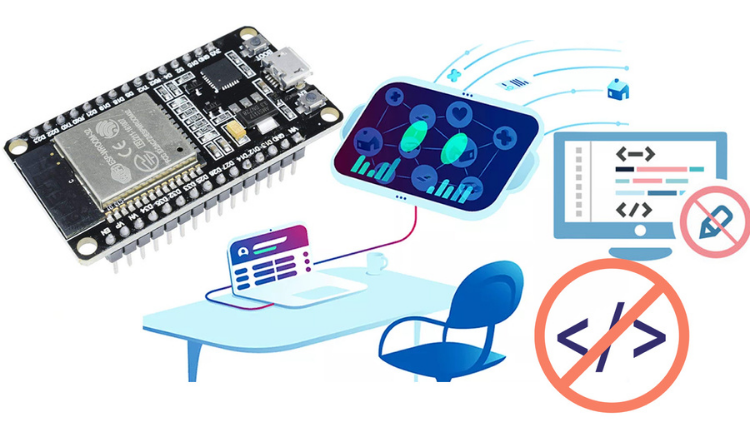
Program ESP32 without Coding
免費
流行趨勢
資訊科技與軟體 | 硬體

Program ESP32 Board without writing a single code in A Professional Environment

5.0
2小時 30分
18 講座
全部
Using Al to Code: Your Step-by-Step Guide
資訊科技與軟體 | 硬體

Revolutionize Your Coding Skills with Al: A Comprehensive Guide for Beginners

5.0
2小時
11 講座
全部
$10.99

$19.99

ISO 27001 Certification Process – A Step-by-Step Guide
資訊科技與軟體 | 資訊安全

Master ISO 27001: Achieve Certification, Build Security, and Ensure Compliance for Your Organization

5.0
1小時 30分
10 講座
初學者
$39.99

$54.99

Implement GRC (Governance, Risk, Compliance) Step by Step
資訊科技與軟體 | 取得治理、風險與合規認證 (CGRC)

Master GRC: Step-by-Step Guide to Implementing Governance, Risk, and Compliance for Business Success

5.0
2小時 30分
35 講座
中間的
$39.99

$64.99

Mastering Arduino Data Streaming to Excel
資訊科技與軟體 | Arduino

Seamlessly Stream and Visualize Real-Time Data from Arduino into Excel with Ease

5.0
1小時 30分
6 講座
全部
$9.99

$34.99

Blogger: Make A Professional Website For Free With No Coding
資訊科技與軟體 | 其他 IT 和軟體

Learn how to create and customize a website with no prior coding experience.

5.0
1小時 30分
12 講座
全部
$9.99

$19.99

Frequently Bought Together

Learners who enrolled in this course also frequently purchased these complementary courses together.

7-Day Money Back Guarantee for all bundle items

Total price for selected items:

$87.98

$109.97

🎉 Save 20% when bought together

常見問題解答

尋找有關本課程的最常見問題的答案。

是的! 100% 完成課程講座和作業後,您可以立即直接從您的 Lucebra 個人資料下載經過驗證的數位結業證書。

探索更多 Technology 內容

透過權威認證證書、精選電子書與即時互動直播課程拓展您的學習之旅。