
Design, manage, and implement enterprise application architectures using integration and design principles to create scalable, flexible systems integrated with existing platforms; evaluate portfolios and plan development, testing, and maintenance.
Kiến Trúc Doanh Nghiệp: Kinh Doanh, Thông Tin & Công Nghệ
Architettura del Business, Mappatura dei Processi, Architettura delle Informazioni, Architettura delle Applicazioni e della Tecnologia Passo dopo Passo
Tất cả các cấp độ • 53 Bài giảng • Truy cập trọn đời
Giảng viên chính đã được xác minh

ĐOẠN PHIM GIỚI THIỆU
Gặp người hướng dẫn của bạn: Dr. Amar Massoud
19 ms
5.0 / 5.0
Đánh giá toàn cầu1
Sinh viên tích cựcTiếng Anh (Mỹ)
99 ngôn ngữ phụ đề3 giờ 35 phút
Tổng số nội dungBạn sẽ học được gì
Padroneggiare i fondamenti dell'Architettura Aziendale (EA).
Applicare strutture di governance in tutti i domini EA.
Progettare e implementare framework EA efficaci.
Allineare le strategie IT con gli obiettivi aziendali.
Nội dung khóa học
9 phần • 53 bài giảng • 03:35:58 tổng chiều dàiBuilding Your Business Architecture Step by Step
02:14
Align your business strategy with IT infrastructure to leverage IoT investments and drive organizational goals. Map processes and functions to create a structured, scalable business architecture for stakeholders.
Aligning Business Strategy with IT Infrastructure
02:16
Align business strategy with IT infrastructure by understanding objectives, engaging stakeholders, and assessing current IT; use SWOT to identify gaps and develop an IT strategy with investments and upgrades.
Step1 - Understand Business Objectives
04:00
Align information technology investments with business objectives by engaging stakeholders to understand short-term and long-term goals, as Healthbridge pursues revenue growth, patient care, EHR rollout, and expansion.
Step2 - Assess Current IT Infrastructure
04:33
Assess current IT infrastructure by inventorying hardware, software, networks, and data systems; perform a SWOT analysis to identify strengths, weaknesses, opportunities, and threats at Healthbridge Medical Centers.
Step3 - Identify Gaps and Opportunities
04:41
Identify gaps and opportunities by aligning IT infrastructure with business objectives. Leverage automation, cloud-based solutions, analytics, and CRM tools to improve scheduling, customer experience, telemedicine, and compliance.
Step4 - Developing an IT Strategy
06:39
Align IT infrastructure with business strategy through a strategic plan guiding technology evolution and upgrades. Invest in governance and security to enable telemedicine and EHR improvements, boosting patient care.
Mapping Business Processes and Functions
03:59
Map business processes and functions to align IT with strategy, visualize workflows with process maps, analyze efficiency, and drive continuous improvement to support organizational objectives.
Step 1 - Identify Business Processes and Workflows at HealthBridge
02:50
Identify and map HealthBridge's business processes and workflows, including patient registration, appointment scheduling, EHR management, clinical workflows, billing, staff scheduling, telemedicine, quality improvement, and emergency response, to ensure efficient care.
Step 2 - Break Down Processes into Functions, Step 3 - Create Proces
02:19
Map the patient appointment workflow from initial contact (phone, online portal, or in-person) to confirmation and reminders, capture details in the scheduling system, and support registration integration with records management.
Step 4 - Define Process Boundaries
01:23
Define patient registration workflow boundaries to set start point (initial contact via phone, online form, or in-person), endpoint (data in the system), and interactions with scheduling, medical records, and billing.
Step 5 - Document Process Information
01:32
Document the patient registration workflow to boost efficiency and effectiveness. Outline objectives, set metrics, and specify resources like personnel, technology, and forms for Healthbridge medical centers.
Step 6 - Analyze Process Efficiency and Effectiveness
01:24
Evaluate the patient registration workflow at Healthbridge medical centers to identify bottlenecks and redundancies, then implement online pre-registration and system integration to streamline data entry and reduce wait times.
Step 7 - Align Processes with Business Objectives
01:17
Align the patient registration workflow with Healthbridge's business objectives to boost patient satisfaction and efficiency. Streamline processes with digital tools to reduce wait times and optimize resource use.
Step 8 - Regularly Review and Update Processes
01:28
Regularly review and update the patient registration workflow at Healthbridge medical centers to stay compliant, improve patient satisfaction, and adopt new technologies that streamline data entry and staff training.
Kế Hoạch Học Hàng Tuần
Lên kế hoạch học tập của bạn
AI tạo lịch trình cá nhân theo thời gian của bạn5 giờ/tuần
Yêu cầu
Comprensione di base dei Sistemi IT: Familiarità con i sistemi e i componenti di tecnologia dell'informazione è vantaggiosa.
Consapevolezza dei Processi Aziendali: Alcune conoscenze delle operazioni aziendali e della strategia aiutano a comprendere come EA allinei IT con gli obiettivi aziendali.
Interesse nella Pianificazione Strategica: Un vivo interesse in come la pianificazione strategica nell'IT possa influenzare l'efficienza e il successo di un'organizzazione.
Đối tượng mục tiêu
Aspiring Enterprise Architects: Individuals seeking a foundation in enterprise architecture concepts, frameworks, and implementation strategies.
IT Professionals: IT managers, administrators, and developers seeking to align enterprise systems with business goals.
Business Analysts and Strategists: Professionals seeking to align IT strategies with business objectives and organizational success.
Project Managers: Professionals managing IT projects who need to align initiatives with enterprise architecture goals.
Về khóa học này
"Implementare l'Architettura Aziendale Passo dopo Passo" è un corso completo progettato per fornire agli studenti le conoscenze e le competenze necessarie per sviluppare e gestire Architetture Aziendali (EA) efficaci che allineano l'informazione tecnologica con le strategie aziendali. Questo corso è perfetto per professionisti IT, project manager, analisti aziendali e aspiranti architetti aziendali che mirano a colmare il divario tra le operazioni IT e gli obiettivi aziendali.
Durante il corso, i partecipanti approfondiranno i fondamenti dell'EA, esplorando vari framework come TOGAF, Zachman e FEAF. Gli studenti acquisiranno conoscenze sui processi di progettazione, implementazione e gestione di un'architettura aziendale che supporti risultati aziendali strategici. Il corso copre argomenti chiave tra cui l'istituzione di strutture di governance EA, i ruoli e le responsabilità nella gestione EA e l'allineamento strategico dell'infrastruttura IT con gli obiettivi aziendali.
Esempi del mondo reale e casi di studio sono integrati nel contenuto del corso per illustrare l'applicazione pratica dei concetti EA in diversi contesti organizzativi. I partecipanti parteciperanno anche ad attività interattive e progetti che simulano compiti e processi decisionali EA.
Entro la fine di questo corso, gli studenti saranno in grado di avviare e guidare progetti EA, assicurando che i sistemi IT siano non solo efficienti ma anche strategicamente posizionati per guidare il successo aziendale. Unisciti a noi per trasformare la tua comprensione dell'architettura aziendale e migliorare la tua capacità di influenzare le strategie organizzative attraverso un efficace dispiegamento IT.
Gặp gỡ giảng viên của bạn
Dr. Amar Massoud
Giảng viên chính
PhD in computer science and IT manager with 36 years technical experience in various fields including IT Security, IT Governance, IT Service Management , Software Development, Project Management, Business Analysis and Software Architecture. I hold 80+ IT certifications such as :
ITIL 4 Master, ITIL 3 Expert
ISO 27001 Auditor, ComptIA Security+, GSEC, CEH, ECSA, CISM, CISSP, CISA
PGMP, MSP
PMP, PMI-ACP, Prince2 Practitioner, Praxis, Scrum Master
COBIT 2019 Implementor, COBIT 5 Assessor/Implementer
TOGAF certified
Lean Specialist, VSM Specialist
PMI RMP, ISO 31000 Risk Manager, ISO 22301 Lead Auditor
PMI-PBA, CBAP
Lean Six Sigma Black Belt, ISO 9001 Implementer
Azure Administrator, Azure DevOps Expert, AWS Practitioner
And many more....
Các khóa học khác của
Dr. Amar MassoudSinh viên cũng mua
Những người học đã xem khóa học này cũng đã đăng ký vào các khóa học được xếp hạng hàng đầu này
MIỄN PHÍ
Tendencia
CNTT & Phần mềm | Phần cứngTiếp tục học
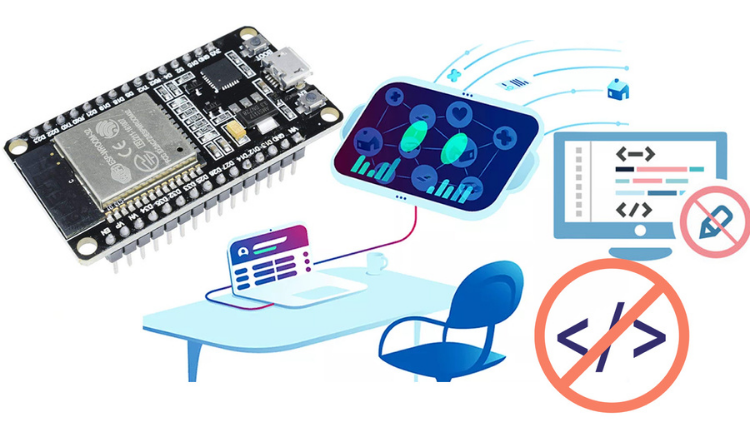
Program ESP32 Board without writing a single code in A Professional Environment
5.0
2 giờ 30 phút
18 Tất cả
Tất cả các cấp độ
Tiếp tục học

CNTT & Phần mềm | Phần cứng
Revolutionize Your Coding Skills with Al: A Comprehensive Guide for Beginners
5.0
2 giờ
11 Tất cả
Tất cả các cấp độ
$10.99
$19.99

CNTT & Phần mềm | Bảo mật thông tin
Master ISO 27001: Achieve Certification, Build Security, and Ensure Compliance for Your Organization
5.0
1 giờ 30 phút
10 Tất cả
Người mới bắt đầu
$39.99
$54.99

CNTT & Phần mềm | Được chứng nhận về Quản trị, Rủi ro và Tuân thủ (CGRC)
Master GRC: Step-by-Step Guide to Implementing Governance, Risk, and Compliance for Business Success
5.0
2 giờ 30 phút
35 Tất cả
Trung cấp
$39.99
$64.99

CNTT & Phần mềm | Arduino
Seamlessly Stream and Visualize Real-Time Data from Arduino into Excel with Ease
5.0
1 giờ 30 phút
6 Tất cả
Tất cả các cấp độ
$9.99
$34.99

CNTT & Phần mềm | CNTT & Phần mềm khác
Learn how to create and customize a website with no prior coding experience.
5.0
1 giờ 30 phút
12 Tất cả
Tất cả các cấp độ
$9.99
$19.99
Frequently Bought Together
Learners who enrolled in this course also frequently purchased these complementary courses together.
7-Day Money Back Guarantee for all bundle items
Total price for selected items:
$115.98
$144.97
Câu hỏi thường gặp
Tìm câu trả lời cho những câu hỏi phổ biến nhất về khóa học này.
Đúng! Sau khi hoàn thành 100% các bài giảng và bài tập của khóa học, bạn có thể tải xuống ngay Chứng chỉ Hoàn thành kỹ thuật số đã được xác minh trực tiếp từ hồ sơ Lucebra của mình.
Khám phá thêm trong Technology
Mở rộng hành trình học tập với chứng chỉ uy tín, sách điện tử liên quan và lớp học trực tiếp tương tác.