
Design, manage, and implement enterprise application architectures using integration and design principles to create scalable, flexible systems integrated with existing platforms; evaluate portfolios and plan development, testing, and maintenance.
エンタープライズアーキテクチャ:ビジネス、情報、技術
Architektura Biznesowa, Mapowanie Procesów, Architektura Informacji, Architektura Aplikacji i Technologii Krok po Kroku
すべてのレベル • 53 講義 • 生涯アクセス
認定マスターインストラクター

トレーラー
インストラクターに会う: Dr. Amar Massoud
19 ms
5.0 / 5.0
グローバル評価1
現役学生アメリカ英語
99言語の字幕3時間 35分
総コンテンツ何を学ぶか
Opanować podstawy Architektury Przedsiębiorstwa (EA).
Zastosować struktury zarządzania w domenach EA.
Projektować i wdrażać efektywne ramy EA.
Dopasowywać strategie IT do celów biznesowych.
コース内容
9 セクション • 53 講義 • 03:35:58 全長Building Your Business Architecture Step by Step
02:14
Align your business strategy with IT infrastructure to leverage IoT investments and drive organizational goals. Map processes and functions to create a structured, scalable business architecture for stakeholders.
Aligning Business Strategy with IT Infrastructure
02:16
Align business strategy with IT infrastructure by understanding objectives, engaging stakeholders, and assessing current IT; use SWOT to identify gaps and develop an IT strategy with investments and upgrades.
Step1 - Understand Business Objectives
04:00
Align information technology investments with business objectives by engaging stakeholders to understand short-term and long-term goals, as Healthbridge pursues revenue growth, patient care, EHR rollout, and expansion.
Step2 - Assess Current IT Infrastructure
04:33
Assess current IT infrastructure by inventorying hardware, software, networks, and data systems; perform a SWOT analysis to identify strengths, weaknesses, opportunities, and threats at Healthbridge Medical Centers.
Step3 - Identify Gaps and Opportunities
04:41
Identify gaps and opportunities by aligning IT infrastructure with business objectives. Leverage automation, cloud-based solutions, analytics, and CRM tools to improve scheduling, customer experience, telemedicine, and compliance.
Step4 - Developing an IT Strategy
06:39
Align IT infrastructure with business strategy through a strategic plan guiding technology evolution and upgrades. Invest in governance and security to enable telemedicine and EHR improvements, boosting patient care.
Mapping Business Processes and Functions
03:59
Map business processes and functions to align IT with strategy, visualize workflows with process maps, analyze efficiency, and drive continuous improvement to support organizational objectives.
Step 1 - Identify Business Processes and Workflows at HealthBridge
02:50
Identify and map HealthBridge's business processes and workflows, including patient registration, appointment scheduling, EHR management, clinical workflows, billing, staff scheduling, telemedicine, quality improvement, and emergency response, to ensure efficient care.
Step 2 - Break Down Processes into Functions, Step 3 - Create Proces
02:19
Map the patient appointment workflow from initial contact (phone, online portal, or in-person) to confirmation and reminders, capture details in the scheduling system, and support registration integration with records management.
Step 4 - Define Process Boundaries
01:23
Define patient registration workflow boundaries to set start point (initial contact via phone, online form, or in-person), endpoint (data in the system), and interactions with scheduling, medical records, and billing.
Step 5 - Document Process Information
01:32
Document the patient registration workflow to boost efficiency and effectiveness. Outline objectives, set metrics, and specify resources like personnel, technology, and forms for Healthbridge medical centers.
Step 6 - Analyze Process Efficiency and Effectiveness
01:24
Evaluate the patient registration workflow at Healthbridge medical centers to identify bottlenecks and redundancies, then implement online pre-registration and system integration to streamline data entry and reduce wait times.
Step 7 - Align Processes with Business Objectives
01:17
Align the patient registration workflow with Healthbridge's business objectives to boost patient satisfaction and efficiency. Streamline processes with digital tools to reduce wait times and optimize resource use.
Step 8 - Regularly Review and Update Processes
01:28
Regularly review and update the patient registration workflow at Healthbridge medical centers to stay compliant, improve patient satisfaction, and adopt new technologies that streamline data entry and staff training.
週間学習計画
学習の旅を計画しよう
AIがあなたの可用時間に合わせたスケジュールを作成5 時間/週
要件
Podstawowe Rozumienie Systemów IT: Znajomość systemów i komponentów informatycznych jest korzystna.
Świadomość Procesów Biznesowych: Pewna znajomość operacji i strategii biznesowych pomaga zrozumieć, jak EA dopasowuje IT do celów biznesowych.
Zapał do Planowania Strategicznego: Zainteresowanie tym, jak planowanie strategiczne w IT może wpływać na efektywność i sukces organizacji.
対象者
Aspiring Enterprise Architects: Individuals seeking a foundation in enterprise architecture concepts, frameworks, and implementation strategies.
IT Professionals: IT managers, administrators, and developers seeking to align enterprise systems with business goals.
Business Analysts and Strategists: Professionals seeking to align IT strategies with business objectives and organizational success.
Project Managers: Professionals managing IT projects who need to align initiatives with enterprise architecture goals.
このコースについて
"Implementacja Architektury Przedsiębiorstwa Krok po Kroku" to kompleksowy kurs zaprojektowany, aby wyposażyć uczestników w wiedzę i umiejętności potrzebne do opracowywania i zarządzania efektywnymi Architekturami Przedsiębiorstw (EA), które dopasowują informatykę do strategii biznesowych. Ten kurs jest idealny dla profesjonalistów IT, kierowników projektów, analityków biznesowych i aspirantów do roli architektów przedsiębiorstw, którzy chcą scalić operacje IT z celami biznesowymi.
W trakcie kursu uczestnicy zagłębią się w podstawy EA, badając różne ramy takie jak TOGAF, Zachman i FEAF. Uczestnicy zdobędą wgląd w procesy projektowania, wdrażania i zarządzania architekturą przedsiębiorstwa, która wspiera strategiczne wyniki biznesowe. Kurs obejmuje kluczowe tematy, w tym ustanawianie struktur zarządzania EA, role i obowiązki w zarządzaniu EA oraz strategiczne dopasowywanie infrastruktury IT do celów biznesowych.
Do treści kursu są włączone przykłady z rzeczywistego świata i przypadki studyjne, aby zilustrować praktyczne zastosowanie koncepcji EA w różnych kontekstach organizacyjnych. Uczestnicy będą również angażować się w interaktywne aktywności i projekty, które symulują zadania i decyzje EA.
Na zakończenie tego kursu uczestnicy będą w stanie inicjować i prowadzić projekty EA, zapewniając, że systemy IT są nie tylko efektywne, ale także strategicznie pozycjonowane, aby napędzać sukces biznesowy. Dołącz do nas, aby zmienić swoje rozumienie architektury przedsiębiorstwa i zwiększyć zdolność wpływania na strategie organizacyjne poprzez efektywne wdrażanie IT.
講師の紹介
Dr. Amar Massoud
主な講師
PhD in computer science and IT manager with 36 years technical experience in various fields including IT Security, IT Governance, IT Service Management , Software Development, Project Management, Business Analysis and Software Architecture. I hold 80+ IT certifications such as :
ITIL 4 Master, ITIL 3 Expert
ISO 27001 Auditor, ComptIA Security+, GSEC, CEH, ECSA, CISM, CISSP, CISA
PGMP, MSP
PMP, PMI-ACP, Prince2 Practitioner, Praxis, Scrum Master
COBIT 2019 Implementor, COBIT 5 Assessor/Implementer
TOGAF certified
Lean Specialist, VSM Specialist
PMI RMP, ISO 31000 Risk Manager, ISO 22301 Lead Auditor
PMI-PBA, CBAP
Lean Six Sigma Black Belt, ISO 9001 Implementer
Azure Administrator, Azure DevOps Expert, AWS Practitioner
And many more....
この講師の他のコース:
Dr. Amar Massoud学生さんも購入しました
このコースを閲覧した学習者は、これらの高評価コースにも登録しています
無料
トレンド
ITとソフトウェア | ハードウェア
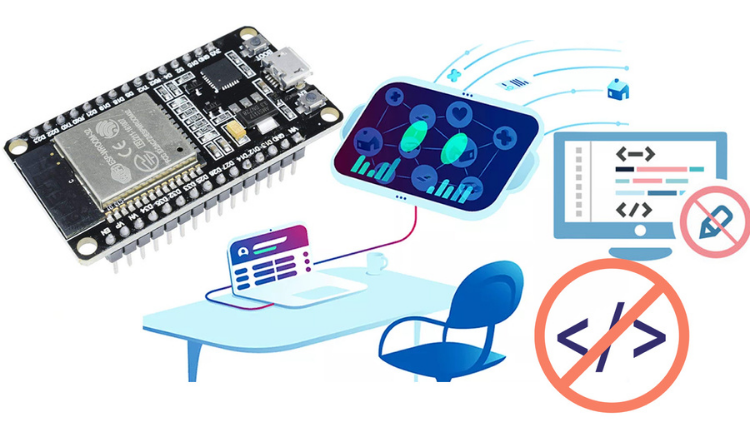
Program ESP32 Board without writing a single code in A Professional Environment
5.0
2時間 30分
18 講義
すべて

ITとソフトウェア | ハードウェア
Revolutionize Your Coding Skills with Al: A Comprehensive Guide for Beginners
5.0
2時間
11 講義
すべて
$10.99
$19.99

ITとソフトウェア | 情報セキュリティ
Master ISO 27001: Achieve Certification, Build Security, and Ensure Compliance for Your Organization
5.0
1時間 30分
10 講義
初心者
$39.99
$54.99

ITとソフトウェア | ガバナンス、リスク、コンプライアンス (CGRC) の認定を取得
Master GRC: Step-by-Step Guide to Implementing Governance, Risk, and Compliance for Business Success
5.0
2時間 30分
35 講義
中級
$39.99
$64.99

ITとソフトウェア | Arduino
Seamlessly Stream and Visualize Real-Time Data from Arduino into Excel with Ease
5.0
1時間 30分
6 講義
すべて
$9.99
$34.99

ITとソフトウェア | その他のITとソフトウェア
Learn how to create and customize a website with no prior coding experience.
5.0
1時間 30分
12 講義
すべて
$9.99
$19.99
Frequently Bought Together
Learners who enrolled in this course also frequently purchased these complementary courses together.
7-Day Money Back Guarantee for all bundle items
Total price for selected items:
$115.98
$144.97
よくある質問
このコースに関するよくある質問への回答をご覧ください。
はい!コースの講義と課題を 100% 完了すると、検証済みのデジタル修了証明書を Lucebra プロフィールから直接ダウンロードできます。
Technology をもっと探す
認定証明書、関連電子書籍、インタラクティブなライブ講座で学びをさらに深めましょう。