
The ethical governance of AI in software development hinges on addressing issues such as bias, data privacy, and accountability to ensure fair and responsible use of technology. Establishing clear ethical guidelines and compliance frameworks, like the IEEE's Ethically Aligned Design, is crucial for aligning AI systems with our shared values and securing the benefits of AI for everyone.
IA în dezvoltarea software: Considerații etice și guvernanță
Xem xét sự phân biệt đối xử thuật toán, quyền riêng tư dữ liệu, các khuôn khổ trách nhiệm và quản trị AI có trách nhiệm trong kỹ thuật phần mềm.
Toate nivelurile • 100 Prelegeri • Acces pe viață
Master Instructor verificat

TRAILER
Faceți cunoștință cu instructorul dvs.: Peter Alkema
19 ms
5.0 / 5.0
Evaluare globală1
Studenți activiEngleză (Statele Unite ale Americii)
99 de limbi Subtitrări5 ore 28 min
Conținut totalCe vei invata
1. Xác định đạo đức AI trong phát triển phần mềm (Nhớ).
2. Giải thích vai trò của AI trong quyền riêng tư dữ liệu (Hiểu).
3. Áp dụng các nguyên tắc sử dụng AI đạo đức (Áp dụng).
4. Phân biệt các loại sự phân biệt đối xử trong AI (Phân tích).
Conținutul cursului
20 secțiuni • 100 cursuri • 05:28:40 lungime totalăIntroduction to Bias in AI
02:58
Bias in artificial intelligence (AI) arises from the use of historical data that reflects existing societal disparities, leading to unfair outcomes in areas such as facial recognition, hiring, and credit scoring. Addressing AI bias requires diverse datasets, transparency in decision-making processes, and adherence to ethical guidelines aimed at ensuring fairness, accountability, and privacy protection.
Introduction to Bias in AI
PDF
Descărcați
Types of Bias and Their Impact on Software Solutions
02:48
Bias in AI, stemming from skewed training data or flawed algorithm design, can lead to unfair outcomes across various applications, from job screenings to loan approvals. Addressing these biases involves collaborative efforts from developers, policymakers, and stakeholders to ensure AI systems are equitable and representative of diverse populations.
Types of Bias and Their Impact on Software Solutions
PDF
Descărcați
Detecting and Mitigating Bias in AI Systems
03:12
Detecting and mitigating bias in AI systems is critical for ensuring fairness and equity, as biases can enter through various channels such as training data, algorithms, and user interpretations. Strategies for reducing bias include diversifying training data, applying fairness criteria and mitigation algorithms, and enhancing transparency and explainability of AI systems.
Detecting and Mitigating Bias in AI Systems
PDF
Descărcați
Case Studies: Bias in Real-World AI Applications
02:54
The ethical considerations and governance of AI in software development, including addressing bias, ensuring data privacy, and establishing accountability, are crucial for realizing the technology's full potential while respecting human rights and promoting social good. Mitigating bias with diverse datasets, safeguarding privacy through robust security measures, and enhancing transparency and oversight in AI decision-making are fundamental steps toward ethical AI integration.
Case Studies: Bias in Real-World AI Applications
PDF
Descărcați
Strategies for Developing Unbiased AI Algorithms
02:53
Developing unbiased AI algorithms involves a comprehensive strategy that includes ensuring the diversity and inclusivity of training data, implementing fairness measures, maintaining transparency, continuous monitoring for biases, and engaging with stakeholders. This approach is essential for creating AI systems that are both effective and ethically sound, thereby building trust in AI technologies and ensuring their positive contribution to society.
Strategies for Developing Unbiased AI Algorithms
PDF
Descărcați
Fundamentals of Data Privacy
03:29
Data privacy in today's digital age is centered around the principles of informed consent, data minimization, and transparency, ensuring individuals have control over their personal information and are protected from misuse. As artificial intelligence and software development utilize vast amounts of data, it's crucial to incorporate privacy measures from the design phase and comply with regulations like GDPR and CCPA to safeguard user data and maintain trust.
Fundamentals of Data Privacy
PDF
Descărcați
AI’s Role in Data Collection and Analysis
03:22
Artificial Intelligence (AI) significantly enhances data collection and analysis by efficiently gathering data from diverse sources and identifying complex patterns, driving informed decision-making across various industries. However, the adoption of AI raises ethical concerns, including data privacy and bias, emphasizing the need for strict data governance policies and ethical frameworks.
AI’s Role in Data Collection and Analysis
PDF
Descărcați
Data Privacy Challenges in AI Applications
02:55
The development and application of AI technology raise significant ethical issues surrounding data privacy, necessitating a balance between technological advancement and the protection of individual privacy rights. Addressing these concerns requires the implementation of ethical guidelines, transparent data practices, and the development of unbiased algorithms to ensure AI systems respect privacy and promote fairness.
Data Privacy Challenges in AI Applications
PDF
Descărcați
Implementing Data Privacy Policies in AI Projects
03:47
Implementing effective data privacy policies in AI projects is essential for protecting sensitive user information and complying with global regulations like GDPR, which emphasizes transparency, accountability, and individual privacy rights. Employing techniques such as encryption, anonymization, data minimization, and regular audits are crucial steps towards integrating privacy considerations into AI development, thereby ensuring ethical practices and building trust with users.
Implementing Data Privacy Policies in AI Projects
PDF
Descărcați
Case Studies on Data Privacy in AI-driven Software
02:39
The lesson explores the critical importance of data privacy in AI-driven software, illuminating how the collection and analysis of vast amounts of personal data by AI technologies raise significant privacy concerns. It highlights innovative solutions like differential privacy and federated learning as means to balance the benefits of AI with the need for protecting user information, in the face of global regulations like GDPR that demand high data protection standards.
Case Studies on Data Privacy in AI-driven Software
PDF
Descărcați
Plan de Studiu Săptămânal
Planifică-ți parcursul
IA generează un program personalizat pe baza disponibilității tale5 ore/săpt
Cerințe
1. Không có yêu cầu hoặc điều kiện tiên quyết cho khóa học này, nhưng các mục được liệt kê dưới đây là hướng dẫn cho kiến thức nền tảng hữu ích sẽ tăng giá trị và lợi ích của khóa học này.
2. Hiểu biết cơ bản về khái niệm trí tuệ nhân tạo và học máy.
3. Thân thuộc với chu trình và phương pháp phát triển phần mềm.
4. Nhận thức về các vấn đề đạo đức, pháp lý và xã hội liên quan đến công nghệ.
Publicul țintă
1. Các nhà phát triển phần mềm và kỹ sư - nhằm tích hợp AI vào các dự án của họ trong khi duy trì các tiêu chuẩn đạo đức.
2. Các nhà nghiên cứu AI - tập trung vào việc hiểu những ảnh hưởng đạo đức của các thuật toán AI và tìm kiếm các chiến lược cho phát triển AI có trách nhiệm.
3. Các nhà khoa học dữ liệu - quan tâm đến việc giải quyết các mối quan tâm về sự phân biệt đối xử và quyền riêng tư trong các mô hình AI họ phát triển hoặc sử dụng trong công việc của họ.
4. Các nhà làm chính sách công nghệ - tìm kiếm cách soạn thảo các quy định và hướng dẫn quản lý việc sử dụng AI có đạo đức.
Despre acest curs
Trong một kỷ nguyên mà Trí tuệ nhân tạo (AI) thẩm nhập vào mọi góc của cuộc sống chúng ta, từ cách chúng ta làm việc đến cách chúng ta tương tác cá nhân và chuyên nghiệp, những ảnh hưởng đạo đức của các công nghệ này chưa bao giờ quan trọng đến mức nào. Bạn đã từng tự hỏi về tác động sâu sắc mà AI có thể gây ra đối với xã hội, quyền riêng tư của chúng ta, quá trình ra quyết định và thậm chí cả tương lai của công việc chưa? Hoặc có lẽ, làm thế nào chúng ta có thể khai thác tiềm năng to lớn của AI trong khi điều hướng những chướng ngại đạo đức của nó để tạo ra một tương lai không chỉ tiên tiến về mặt công nghệ mà còn công bằng và bền vững?
Đội ngũ của chúng tôi, bao gồm các chuyên gia ngành, nhà nghiên cứu AI đạo đức và các nhà phát triển phần mềm có kinh nghiệm, đã cùng nhau trả lời những câu hỏi khẩn cấp này. Với hàng chục năm kinh nghiệm kết hợp tại bên trước của phát triển AI và nghiên cứu đạo đức, chúng tôi mang đến cho bạn một khóa học được thiết kế để mở rộng những phức tạp của AI đạo đức trong phát triển phần mềm. Hành trình của chúng tôi trong việc phát triển các ứng dụng AI đột phá đã dạy chúng tôi sự cần thiết quan trọng của việc tích hợp xem xét đạo đức ở mọi bước của vòng đời AI. Khóa học này là sáng kiến của chúng tôi để chia sẻ kiến thức vô giá đó, nhằm chuẩn bị cho các chuyên gia như bạn cho tương lai của phát triển AI có trách nhiệm.
Khóa học toàn diện này được thiết kế kỹ lưỡng để bao gồm toàn bộ phổ của AI đạo đức trong phát triển phần mềm. Cho dù bạn quan tâm đến những sắc thái của sự phân biệt đối xử trong thuật toán AI, sự phức tạp của quyền riêng tư dữ liệu, sự cần thiết quan trọng của trách nhiệm trong quyết định AI, hay các quy định toàn cầu mới nổi quy định việc sử dụng AI, khóa học này cung cấp những hiểu biết vô giá về từng lĩnh vực này và nhiều hơn nữa.
Hãy cùng chúng tôi bắt đầu một hành trình hấp dẫn khi chúng tôi đi sâu vào nền tảng của đạo đức trong AI. Khám phá những lĩnh vực đa dạng của đạo đức trong AI.
Embark on a fascinating journey with us as we delve into the foundations of ethics in AI. Explore the diverse l
Oportunități de Carieră și Roluri Vizate
Dezvoltă competențe practice și califică-te pentru poziții căutate la nivel global
Curriculum Orientat spre Carieră
Roluri pentru care poți aplica
AI Solutions Engineer
Applied Generative AI Specialist
LLM & Prompt Architecture Consultant
AI Automation & Workflow Lead
Salariu Anual Estimat
$105,000 – $165,000 / yr
Cerere pe Piața Globală
Fastest Growing Worldwide (#1)
Competențe Cheie Dobândite* Estimări bazate pe rapoartele globale de remunerare din tehnologie.
Applied Generative AI Architecture
Model Fine-Tuning & Evaluation
Vector Databases & RAG Workflows
Autonomous AI Agent Orchestration
Cunoaște-ți instructorul
Peter Alkema
Instructor principal
Business | Technology | Self Development
"What an amazing course! After finishing this course, I have confidence. Thank so much Dr Peter Alkema" ... "This is exactly the jump-start I needed. Very clear and concise"
I lead Digital Transformation & Architecture at ABB and I've been featured on CNBC Africa and won the Gartner CIO Of The Year in 2016. I founded and led the largest banking hackathon in South Africa which was published in 2019 as a case study by Harvard Business School.
I've taught over 100,000 students about technology, business, academics and self-development. In 2020 I completed my PhD at Wits University In Johannesburg. The study introduced a ground-breaking theory of Agile software development teams. My woodworking book was published in 2014 and has sold over 10,000 copies.
Olugbenga Gbadegesin: "Excellent delivery" / Lebogang Tswelapele: "This is what I have been longing for" / Paskalia Ndapandula: "Peter speaks with so much clarity" / Amantle Mangwedi: "It was straight to the point and the sections are cut into nice short segments which made it easier to go through" Kathy Bermudez: "Excellent material. Well organized..."
Werner van Wyk: "Thank you Peter, once again your lesson and course have given me so much knowledge and understanding" / Yvonne Rudolph "I really look forward to take everything i learned in action" / Josephine Mahlangu: "exactly what I needed to know, absolutely valuable and helpful for my personal growth"...
Mai multe cursuri de
Peter AlkemaAu cumpărat și studenții
Cursanții care au vizualizat acest curs s-au înscris și ei la aceste cursuri de top
GRATUIT
Tendencia
IT și software | HardwareÎncepe acum
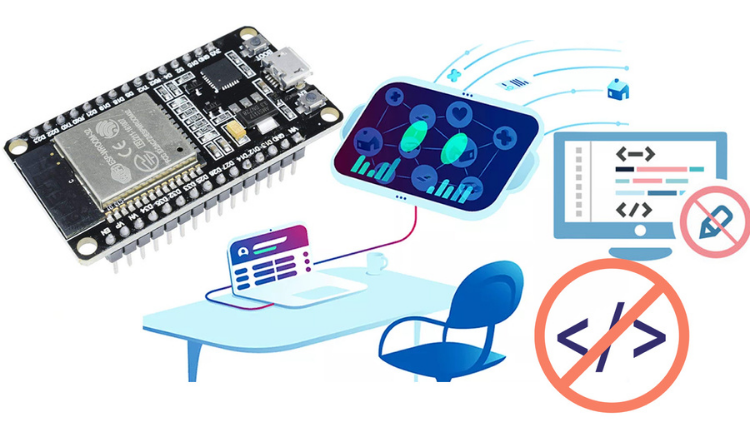
Program ESP32 Board without writing a single code in A Professional Environment
5.0
2 ore 30 min
18 prelegeri
Toate
GRATUIT

IT și software | Hardware
Revolutionize Your Coding Skills with Al: A Comprehensive Guide for Beginners
5.0
2 ore
11 prelegeri
Toate
$10.99
$19.99

IT și software | Securitatea informațiilor
Master ISO 27001: Achieve Certification, Build Security, and Ensure Compliance for Your Organization
5.0
1 ore 30 min
10 prelegeri
Intermediar
$39.99
$54.99

IT și software | Certificat în guvernanță, risc și conformitate (CGRC)
Master GRC: Step-by-Step Guide to Implementing Governance, Risk, and Compliance for Business Success
5.0
2 ore 30 min
35 prelegeri
Expert
$39.99
$64.99

IT și software | Arduino
Seamlessly Stream and Visualize Real-Time Data from Arduino into Excel with Ease
5.0
1 ore 30 min
6 prelegeri
Toate
$9.99
$34.99

IT și software | Alte IT și software
Learn how to create and customize a website with no prior coding experience.
5.0
1 ore 30 min
12 prelegeri
Toate
$9.99
$19.99
Frequently Bought Together
Learners who enrolled in this course also frequently purchased these complementary courses together.
7-Day Money Back Guarantee for all bundle items
Total price for selected items:
$82.38
$102.97
Întrebări frecvente
Găsiți răspunsuri la cele mai frecvente întrebări despre acest curs.
Da! După finalizarea a 100% din prelegerile și temele cursului, puteți descărca instantaneu Certificatul de finalizare digital verificat direct din profilul dvs. Lucebra.
Descoperă mai multe în Technology
Dezvoltă-ți abilitățile cu certificate acreditate, cărți digitale relevante și cursuri interactive live.