
The ethical governance of AI in software development hinges on addressing issues such as bias, data privacy, and accountability to ensure fair and responsible use of technology. Establishing clear ethical guidelines and compliance frameworks, like the IEEE's Ethically Aligned Design, is crucial for aligning AI systems with our shared values and securing the benefits of AI for everyone.
IA no Desenvolvimento de Software: Considerações Éticas e Governança
พูดถึงการเอียงทางอัลกอริทึม ความเป็นส่วนตัวของข้อมูล กรอบการให้บัญชี และการกำกับดูแล AI ที่มีความรับผิดชอบในการพัฒนาซอฟต์แวร์
Todos os níveis • 100 Palestras • Acesso vitalício
Instrutor Mestre Verificado

REBOQUE
Conheça seu instrutor: Peter Alkema
19 ms
5.0 / 5.0
Classificação Global1
Alunos AtivosInglês (Estados Unidos)
Legendas em 99 idiomas5h 28 min
Conteúdo totalO que você aprenderá
1. กำหนดค่าปัญญาประดิษฐ์ในการพัฒนาซอฟต์แวร์ (จำ)
2. อธิบายบทบาทของ AI ในความเป็นส่วนตัวของข้อมูล (เข้าใจ)
3. ใช้หลักการของการใช้ปัญญาประดิษฐ์ที่มีจริยธรรม (ใช้)
4. แยกแยะประเภทของการเอียงใน AI (วิเคราะห์)
Conteúdo do curso
20 seções • 100 palestras • 05:28:40 comprimento totalIntroduction to Bias in AI
02:58
Bias in artificial intelligence (AI) arises from the use of historical data that reflects existing societal disparities, leading to unfair outcomes in areas such as facial recognition, hiring, and credit scoring. Addressing AI bias requires diverse datasets, transparency in decision-making processes, and adherence to ethical guidelines aimed at ensuring fairness, accountability, and privacy protection.
Introduction to Bias in AI
PDF
Download
Types of Bias and Their Impact on Software Solutions
02:48
Bias in AI, stemming from skewed training data or flawed algorithm design, can lead to unfair outcomes across various applications, from job screenings to loan approvals. Addressing these biases involves collaborative efforts from developers, policymakers, and stakeholders to ensure AI systems are equitable and representative of diverse populations.
Types of Bias and Their Impact on Software Solutions
PDF
Download
Detecting and Mitigating Bias in AI Systems
03:12
Detecting and mitigating bias in AI systems is critical for ensuring fairness and equity, as biases can enter through various channels such as training data, algorithms, and user interpretations. Strategies for reducing bias include diversifying training data, applying fairness criteria and mitigation algorithms, and enhancing transparency and explainability of AI systems.
Detecting and Mitigating Bias in AI Systems
PDF
Download
Case Studies: Bias in Real-World AI Applications
02:54
The ethical considerations and governance of AI in software development, including addressing bias, ensuring data privacy, and establishing accountability, are crucial for realizing the technology's full potential while respecting human rights and promoting social good. Mitigating bias with diverse datasets, safeguarding privacy through robust security measures, and enhancing transparency and oversight in AI decision-making are fundamental steps toward ethical AI integration.
Case Studies: Bias in Real-World AI Applications
PDF
Download
Strategies for Developing Unbiased AI Algorithms
02:53
Developing unbiased AI algorithms involves a comprehensive strategy that includes ensuring the diversity and inclusivity of training data, implementing fairness measures, maintaining transparency, continuous monitoring for biases, and engaging with stakeholders. This approach is essential for creating AI systems that are both effective and ethically sound, thereby building trust in AI technologies and ensuring their positive contribution to society.
Strategies for Developing Unbiased AI Algorithms
PDF
Download
Fundamentals of Data Privacy
03:29
Data privacy in today's digital age is centered around the principles of informed consent, data minimization, and transparency, ensuring individuals have control over their personal information and are protected from misuse. As artificial intelligence and software development utilize vast amounts of data, it's crucial to incorporate privacy measures from the design phase and comply with regulations like GDPR and CCPA to safeguard user data and maintain trust.
Fundamentals of Data Privacy
PDF
Download
AI’s Role in Data Collection and Analysis
03:22
Artificial Intelligence (AI) significantly enhances data collection and analysis by efficiently gathering data from diverse sources and identifying complex patterns, driving informed decision-making across various industries. However, the adoption of AI raises ethical concerns, including data privacy and bias, emphasizing the need for strict data governance policies and ethical frameworks.
AI’s Role in Data Collection and Analysis
PDF
Download
Data Privacy Challenges in AI Applications
02:55
The development and application of AI technology raise significant ethical issues surrounding data privacy, necessitating a balance between technological advancement and the protection of individual privacy rights. Addressing these concerns requires the implementation of ethical guidelines, transparent data practices, and the development of unbiased algorithms to ensure AI systems respect privacy and promote fairness.
Data Privacy Challenges in AI Applications
PDF
Download
Implementing Data Privacy Policies in AI Projects
03:47
Implementing effective data privacy policies in AI projects is essential for protecting sensitive user information and complying with global regulations like GDPR, which emphasizes transparency, accountability, and individual privacy rights. Employing techniques such as encryption, anonymization, data minimization, and regular audits are crucial steps towards integrating privacy considerations into AI development, thereby ensuring ethical practices and building trust with users.
Implementing Data Privacy Policies in AI Projects
PDF
Download
Case Studies on Data Privacy in AI-driven Software
02:39
The lesson explores the critical importance of data privacy in AI-driven software, illuminating how the collection and analysis of vast amounts of personal data by AI technologies raise significant privacy concerns. It highlights innovative solutions like differential privacy and federated learning as means to balance the benefits of AI with the need for protecting user information, in the face of global regulations like GDPR that demand high data protection standards.
Case Studies on Data Privacy in AI-driven Software
PDF
Download
Plano de Estudo Semanal
Planeje sua jornada de aprendizado
A IA gera um cronograma personalizado com base na sua disponibilidade5 hrs/semana
Requisitos
1. ไม่มีข้อกำหนดหรือเงื่อนไขเบื้องต้นสำหรับหลักสูตรนี้ แต่รายการด้านล่างนี้เป็นคำแนะนำสำหรับความรู้พื้นฐานที่เป็นประโยชน์ซึ่งจะเพิ่มคุณค่าและประโยชน์ของหลักสูตรนี้
2. ความเข้าใจพื้นฐานของแนวคิดปัญญาประดิษฐ์และการเรียนรู้เครื่อง
3. ความคุ้นเคยกับวัฏจักรและวิธีการพัฒนาซอฟต์แวร์
4. การตระหนักรู้ถึงปัญหาทางจริยธรรม กฎหมาย และสังคมที่เกี่ยวข้องกับเทคโนโลยี
Público-alvo
1. นักพัฒนาซอฟต์แวร์และวิศวกร - มุ่งเป้าที่จะรวมปัญญาประดิษฐ์เข้ากับโปรเจ็คของตนเองในขณะที่รักษามาตรฐานจริยธรรม
2. นักวิจัยด้านปัญญาประดิษฐ์ - มุ่งเป้าที่จะเข้าใจผลกระทบทางจริยธรรมของอัลกอริทึม AI และมองหาวิธีการพัฒนาปัญญาประดิษฐ์ที่มีความรับผิดชอบ
3. นักวิทยาศาสตร์ข้อมูล - ที่สนใจในการแก้ปัญหาการเอียงและความเป็นส่วนตัวในโมเดล AI ที่พวกเขาพัฒนาหรือใช้ในการทำงานของตนเอง
4. ผู้กำหนดนโยบายเทคโนโลยี - ที่กำลังมองหาการเขียนข้อบังคับและแนวทางที่จะกำกับการใช้ปัญญาประดิษฐ์ที่มีความรับผิดชอบ
Sobre este curso
ในยุคที่เทคโนโลยีปัญญาประดิษฐ์ (AI) แทรกซึมเข้ามาในทุกมุมของชีวิตของเรา ตั้งแต่วิธีการทำงานไปจนถึงการโต้ตอบกันทั้งในเชิงส่วนตัวและเชิงวิชาชีพ ผลกระทบทางจริยธรรมของเทคโนโลยีเหล่านี้ไม่สามารถมองข้ามได้เลย คุณเคยสงสัยเกี่ยวกับผลกระทบอันยิ่งใหญ่ของ AI ที่อาจมีต่อสังคม ความเป็นส่วนตัวของเรา กระบวนการตัดสินใจ และแม้กระทั่งอนาคตของการทำงานหรือไม่? หรืออาจจะคุณสงสัยว่า เราจะใช้ศักยภาพอันยิ่งใหญ่ของ AI ได้อย่างไรในขณะที่เลี่ยงผลกระทบทางจริยธรรมของมันเพื่อสร้างอนาคตที่ไม่เพียงแต่มีความก้าวหน้าทางเทคโนโลยีเท่านั้น แต่ยังเป็นสิ่งที่ยุติธรรมและยั่งยืนอีกด้วย?
ทีมของเรา ซึ่งประกอบด้วยผู้เชี่ยวชาญในอุตสาหกรรม นักวิจัยด้านปัญญาประดิษฐ์ที่มีจริยธรรม และนักพัฒนาซอฟต์แวร์ที่มีประสบการณ์ ได้ร่วมมือกันเพื่อตอบคำถามที่สำคัญเหล่านี้ ด้วยประสบการณ์ร่วมกันหลายทศวรรษในด้านการพัฒนาปัญญาประดิษฐ์และการวิจัยด้านจริยธรรม เรานำเสนอหลักสูตรที่ออกแบบมาเพื่อเปิดเผยความซับซ้อนของปัญญาประดิษฐ์ที่มีจริยธรรมในการพัฒนาซอฟต์แวร์ การเดินทางของเราในการพัฒนาแอปพลิเคชันปัญญาประดิษฐ์ที่เป็นนวัตกรรมได้สอนให้เราเห็นถึงความจำเป็นในการรวมองค์ประกอบทางจริยธรรมในทุกขั้นตอนของวัฏจักรชีวิตของ AI หลักสูตรนี้เป็นการเริ่มต้นของเราเพื่อแบ่งปันความรู้ที่มีค่าอย่างยิ่ง โดยมุ่งเป้าที่จะเตรียมผู้เชี่ยวชาญเช่นคุณเพื่อการพัฒนาปัญญาประดิษฐ์ที่มีความรับผิดชอบในอนาคต
หลักสูตรที่ครอบคลุมอย่างครบถ้วนนี้ออกแบบมาเพื่อครอบคลุมทั้งหมดในสเปกตรัมของปัญญาประดิษฐ์ที่มีจริยธรรมในการพัฒนาซอฟต์แวร์ ไม่ว่าคุณจะสนใจในความซับซ้อนของการเอียงในอัลกอริทึมของ AI ความซับซ้อนของความเป็นส่วนตัวของข้อมูล ความจำเป็นที่สำคัญในการมีความรับผิดชอบในการตัดสินใจของ AI หรือข้อบังคับระดับโลกที่กำลังเกิดขึ้นซึ่งกำกับดูแลการใช้ AI หลักสูตรนี้เสนอข้อมูลที่มีค่าอย่างยิ่งในแต่ละโดเมนเหล่านี้และอื่น ๆ อีกมากมาย
เริ่มการเดินทางอันน่าสนใจกับเราในขณะที่เราเจาะลึกถึงพื้นฐานของจริยธรรมใน AI สำรวจความหลากหลายของ
Oportunidades de Carreira e Cargos Alvo
Desenvolva competências práticas e qualifique-se para cargos de alto impacto mundial
Currículo Focado no Mercado
Cargos aos quais Você Pode se Candidatar
AI Solutions Engineer
Applied Generative AI Specialist
LLM & Prompt Architecture Consultant
AI Automation & Workflow Lead
Salário Anual Estimado
$105,000 – $165,000 / yr
Demanda no Mercado Global
Fastest Growing Worldwide (#1)
Competências que Você Irá Dominar* Estimativas baseadas em benchmarks globais de contratação e relatórios salariais.
Applied Generative AI Architecture
Model Fine-Tuning & Evaluation
Vector Databases & RAG Workflows
Autonomous AI Agent Orchestration
Conheça seu instrutor
Peter Alkema
Instrutor Principal
Business | Technology | Self Development
"What an amazing course! After finishing this course, I have confidence. Thank so much Dr Peter Alkema" ... "This is exactly the jump-start I needed. Very clear and concise"
I lead Digital Transformation & Architecture at ABB and I've been featured on CNBC Africa and won the Gartner CIO Of The Year in 2016. I founded and led the largest banking hackathon in South Africa which was published in 2019 as a case study by Harvard Business School.
I've taught over 100,000 students about technology, business, academics and self-development. In 2020 I completed my PhD at Wits University In Johannesburg. The study introduced a ground-breaking theory of Agile software development teams. My woodworking book was published in 2014 and has sold over 10,000 copies.
Olugbenga Gbadegesin: "Excellent delivery" / Lebogang Tswelapele: "This is what I have been longing for" / Paskalia Ndapandula: "Peter speaks with so much clarity" / Amantle Mangwedi: "It was straight to the point and the sections are cut into nice short segments which made it easier to go through" Kathy Bermudez: "Excellent material. Well organized..."
Werner van Wyk: "Thank you Peter, once again your lesson and course have given me so much knowledge and understanding" / Yvonne Rudolph "I really look forward to take everything i learned in action" / Josephine Mahlangu: "exactly what I needed to know, absolutely valuable and helpful for my personal growth"...
Mais cursos de
Peter AlkemaOs alunos também compraram
Os alunos que visualizaram este curso também se inscreveram nestes cursos com melhor classificação
LIVRE
TI e Software | HardwareComeçar Agora
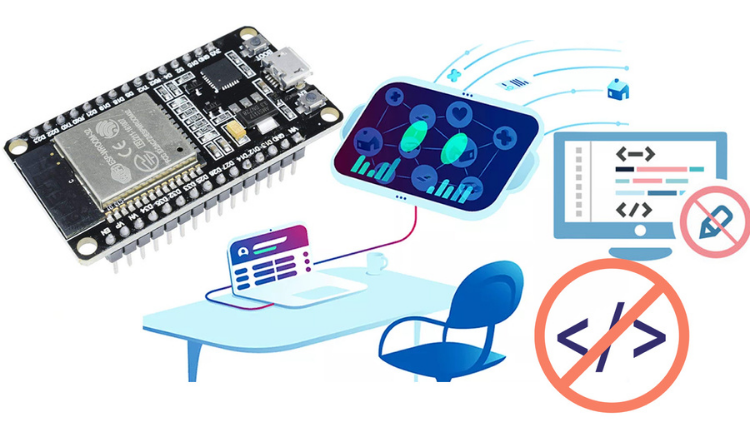
Program ESP32 Board without writing a single code in A Professional Environment
5.0
2h 30 min
18 aulas
Todos
GRÁTIS

TI e Software | Hardware
Revolutionize Your Coding Skills with Al: A Comprehensive Guide for Beginners
5.0
2h
11 aulas
Todos
$10.99
$19.99

TI e Software | Segurança da Informação
Master ISO 27001: Achieve Certification, Build Security, and Ensure Compliance for Your Organization
5.0
1h 30 min
10 aulas
Iniciante
$39.99
$54.99
TI e Software | Certificado em Governança, Risco e Conformidade (CGRC)
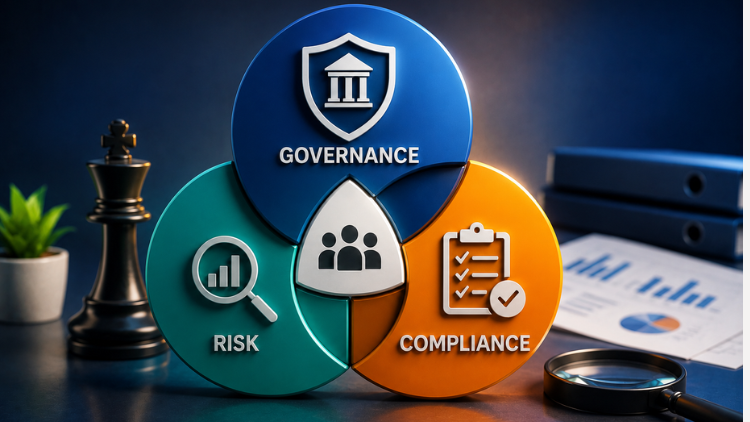
Master GRC: Step-by-Step Guide to Implementing Governance, Risk, and Compliance for Business Success
5.0
2h 30 min
35 aulas
Intermediário
$39.99
$64.99

TI e Software | Arduíno
Seamlessly Stream and Visualize Real-Time Data from Arduino into Excel with Ease
5.0
1h 30 min
6 aulas
Todos
$9.99
$34.99

TI e Software | Outros em TI e Software
Learn how to create and customize a website with no prior coding experience.
5.0
1h 30 min
12 aulas
Todos
$9.99
$19.99
Frequently Bought Together
Learners who enrolled in this course also frequently purchased these complementary courses together.
7-Day Money Back Guarantee for all bundle items
Total price for selected items:
$82.38
$102.97
Perguntas frequentes
Encontre respostas para as perguntas mais comuns sobre este curso.
Sim! Ao concluir 100% das aulas e tarefas do curso, você pode baixar instantaneamente seu Certificado de Conclusão digital verificado diretamente do seu perfil Lucebra.
Explore mais em Technology
Expanda sua jornada de aprendizado com certificados credenciados, e-books relacionados e aulas interativas ao vivo.