
The ethical governance of AI in software development hinges on addressing issues such as bias, data privacy, and accountability to ensure fair and responsible use of technology. Establishing clear ethical guidelines and compliance frameworks, like the IEEE's Ethically Aligned Design, is crucial for aligning AI systems with our shared values and securing the benefits of AI for everyone.
AI w rozwoju oprogramowania: Etyczne zagadnienia i zarządzanie
מתייחס להטייה באלגוריתמים, פרטיות נתונים, מסגרות אחריות וממשל AI אחראי בהנדסת תוכנה
Wszystkie poziomy • 100 Wykłady • Dożywotni dostęp
Sprawdzony Mistrz Instruktor

PRZYCZEPA
Poznaj swojego instruktora: Peter Alkema
19 ms
5.0 / 5.0
Globalna ocena1
Aktywni studenciAngielski amerykański
Napisy w 99 językach5 godz. 28 min
Całkowita zawartośćCzego się dowiesz
1. הגדרת אתיקה של AI בפיתוח תוכנה (זכירה).
2. הסברת תפקיד ה-AI בפרטיות נתונים (הבנה).
3. יישום עקרונות שימוש אתיים ב-AI (יישום).
4. הבחנה בין סוגי הטייה ב-AI (ניתוח).
Treść kursu
20 sekcji • 100 wykłady • 05:28:40 długość całkowitaIntroduction to Bias in AI
02:58
Bias in artificial intelligence (AI) arises from the use of historical data that reflects existing societal disparities, leading to unfair outcomes in areas such as facial recognition, hiring, and credit scoring. Addressing AI bias requires diverse datasets, transparency in decision-making processes, and adherence to ethical guidelines aimed at ensuring fairness, accountability, and privacy protection.
Introduction to Bias in AI
PDF
Pobierać
Types of Bias and Their Impact on Software Solutions
02:48
Bias in AI, stemming from skewed training data or flawed algorithm design, can lead to unfair outcomes across various applications, from job screenings to loan approvals. Addressing these biases involves collaborative efforts from developers, policymakers, and stakeholders to ensure AI systems are equitable and representative of diverse populations.
Types of Bias and Their Impact on Software Solutions
PDF
Pobierać
Detecting and Mitigating Bias in AI Systems
03:12
Detecting and mitigating bias in AI systems is critical for ensuring fairness and equity, as biases can enter through various channels such as training data, algorithms, and user interpretations. Strategies for reducing bias include diversifying training data, applying fairness criteria and mitigation algorithms, and enhancing transparency and explainability of AI systems.
Detecting and Mitigating Bias in AI Systems
PDF
Pobierać
Case Studies: Bias in Real-World AI Applications
02:54
The ethical considerations and governance of AI in software development, including addressing bias, ensuring data privacy, and establishing accountability, are crucial for realizing the technology's full potential while respecting human rights and promoting social good. Mitigating bias with diverse datasets, safeguarding privacy through robust security measures, and enhancing transparency and oversight in AI decision-making are fundamental steps toward ethical AI integration.
Case Studies: Bias in Real-World AI Applications
PDF
Pobierać
Strategies for Developing Unbiased AI Algorithms
02:53
Developing unbiased AI algorithms involves a comprehensive strategy that includes ensuring the diversity and inclusivity of training data, implementing fairness measures, maintaining transparency, continuous monitoring for biases, and engaging with stakeholders. This approach is essential for creating AI systems that are both effective and ethically sound, thereby building trust in AI technologies and ensuring their positive contribution to society.
Strategies for Developing Unbiased AI Algorithms
PDF
Pobierać
Fundamentals of Data Privacy
03:29
Data privacy in today's digital age is centered around the principles of informed consent, data minimization, and transparency, ensuring individuals have control over their personal information and are protected from misuse. As artificial intelligence and software development utilize vast amounts of data, it's crucial to incorporate privacy measures from the design phase and comply with regulations like GDPR and CCPA to safeguard user data and maintain trust.
Fundamentals of Data Privacy
PDF
Pobierać
AI’s Role in Data Collection and Analysis
03:22
Artificial Intelligence (AI) significantly enhances data collection and analysis by efficiently gathering data from diverse sources and identifying complex patterns, driving informed decision-making across various industries. However, the adoption of AI raises ethical concerns, including data privacy and bias, emphasizing the need for strict data governance policies and ethical frameworks.
AI’s Role in Data Collection and Analysis
PDF
Pobierać
Data Privacy Challenges in AI Applications
02:55
The development and application of AI technology raise significant ethical issues surrounding data privacy, necessitating a balance between technological advancement and the protection of individual privacy rights. Addressing these concerns requires the implementation of ethical guidelines, transparent data practices, and the development of unbiased algorithms to ensure AI systems respect privacy and promote fairness.
Data Privacy Challenges in AI Applications
PDF
Pobierać
Implementing Data Privacy Policies in AI Projects
03:47
Implementing effective data privacy policies in AI projects is essential for protecting sensitive user information and complying with global regulations like GDPR, which emphasizes transparency, accountability, and individual privacy rights. Employing techniques such as encryption, anonymization, data minimization, and regular audits are crucial steps towards integrating privacy considerations into AI development, thereby ensuring ethical practices and building trust with users.
Implementing Data Privacy Policies in AI Projects
PDF
Pobierać
Case Studies on Data Privacy in AI-driven Software
02:39
The lesson explores the critical importance of data privacy in AI-driven software, illuminating how the collection and analysis of vast amounts of personal data by AI technologies raise significant privacy concerns. It highlights innovative solutions like differential privacy and federated learning as means to balance the benefits of AI with the need for protecting user information, in the face of global regulations like GDPR that demand high data protection standards.
Case Studies on Data Privacy in AI-driven Software
PDF
Pobierać
Tygodniowy Plan Nauki
Zaplanuj swoją naukę
AI tworzy spersonalizowany harmonogram na podstawie dostępności5 godz/tydz
Wymagania
1. אין דרישות או תנאים מוקדמים לקורס זה, אך הפריטים המפורטים להלן הם מדריך לידע רקע שימושי שירחיב את הערך והיתרונות של הקורס הזה.
2. הבנה בסיסית של מושגי בינה מלאכותית ולמידת מכונה.
3. היכרות עם מחזורי פיתוח תוכנה ומתודולוגיות.
4. מודעות לנושאים אתיים, משפטיים וחברתיים הקשורים לטכנולוגיה.
Grupa docelowa
1. Software Developers and Engineers - aiming to integrate AI into their projects while maintaining ethical standards.
2. AI Researchers - focused on understanding the ethical implications of AI algorithms and seeking strategies for responsible AI development.
3. Data Scientists - interested in addressing bias and privacy concerns in AI models they develop or utilize in their work.
4. Technology Policy Makers - looking to draft regulations and guidelines that govern the ethical use of AI in software development.
O tym kursie
בעידן שבו בינה מלאכותית (AI) מחלחלת לכל פינה בחיינו, מהדרכים בהן אנו עובדים ועד לאופן שבו אנו מתקשרים באופן אישי ומקצועי, ההשלכות האתיות של הטכנולוגיות הללו מעולם לא היו חשובות יותר. האם תהיתם פעם על ההשפעה העמוקה ש-AI עשוי להיות על החברה, הפרטיות שלנו, תהליכי קבלת ההחלטות ואפילו עתיד העבודה? או אולי, כיצד אנו יכולים לרתום את הפוטנציאל העצום של AI תוך ניווט בחסרונות האתיים שלו כדי ליצור עתיד שאינו רק מתקדם טכנולוגית אלא גם שווה ובר קיימא?
הצוות שלנו, המורכב מותיקי תעשייה, חוקרי AI אתיים ומפתחי תוכנה מנוסים, התכנס כדי לענות על השאלות הדחופות הללו. עם עשרות שנות ניסיון משולב בחזית פיתוח AI ומחקר אתיים, אנו מביאים לכם קורס שנועד לפרק את המורכבויות של AI אתיים בפיתוח תוכנה. המסע שלנו בפיתוח יישומים פורצי דרך של AI לימד אותנו את הצורך הקריטי לשילוב שיקולים אתיים בכל שלב של מחזור החיים של AI. זהו יוזמתנו לשתף את הידע הבלתי ניתן להחלפה הזה, שמטרתו להכין אנשי מקצוע כמוכם לעתיד של פיתוח AI אחראי.
הקורס המקיף הזה מתוכנן בקפידה לכסות את כל הספקטרום של AI אתיים בפיתוח תוכנה. בין אם אתם מתעניינים בניואנסים של הטייה באלגוריתמים של AI, במורכבויות של פרטיות נתונים, בצורך החיוני באחריות בהחלטות AI, או בתקנות הגלובליות המתעוררות שמסדירות את השימוש ב-AI, הקורס הזה מציע תובנות חשובות בכל אחד מהתחומים הללו ועוד.
צאו איתנו למסע מרתק כשאנו מתעמקים ביסודות האתיקה ב-AI. חקרו את הנוף המגוון של AI בפיתוח תוכנה ותפסו את עקרונות היסוד שמנחים את השימוש האתיים בטכנולוגיות AI. ככל שתתקדמו, התמודדו עם האתגרים האמיתיים ביישום עקרונות אתיים אלה ושקלו את השיקולים האתיים המשתנים שעולים עם שילוב AI.
מבנה הקורס הייחודי שלנו מנחה אתכם בהבנת והפחתת הטייה במערכות AI - שופכים אור על אופן התרחשות ההטיות, השפעתן על פתרונות תוכנה ואסטרטגיות מעשיות לפיתוח אלגוריתמים AI ללא הטייה. נווטו בעולם המורכב של פרטיות נתונים בתוכנה מונעת AI, ולמדו כיצד ליישם במפעלים שלכם מדיניות ונהלים של פרטיות נתונים ביעילות.
Możliwości Kariery i Stanowiska Docelowe
Zdobądź praktyczne umiejętności i kwalifikuj się na kluczowe stanowiska na świecie
Program Gotowy do Pracy
Stanowiska, na które możesz aplikować
AI Solutions Engineer
Applied Generative AI Specialist
LLM & Prompt Architecture Consultant
AI Automation & Workflow Lead
Szacowane Wynagrodzenie Roczne
$105,000 – $165,000 / yr
Globalne Zapotrzebowanie Rynkowe
Fastest Growing Worldwide (#1)
Kluczowe Umiejętności, które Zdobędziesz* Szacunki oparte na globalnych raportach płacowych branży technologicznej.
Applied Generative AI Architecture
Model Fine-Tuning & Evaluation
Vector Databases & RAG Workflows
Autonomous AI Agent Orchestration
Poznaj swojego instruktora
Peter Alkema
Główny Instruktor
Business | Technology | Self Development
"What an amazing course! After finishing this course, I have confidence. Thank so much Dr Peter Alkema" ... "This is exactly the jump-start I needed. Very clear and concise"
I lead Digital Transformation & Architecture at ABB and I've been featured on CNBC Africa and won the Gartner CIO Of The Year in 2016. I founded and led the largest banking hackathon in South Africa which was published in 2019 as a case study by Harvard Business School.
I've taught over 100,000 students about technology, business, academics and self-development. In 2020 I completed my PhD at Wits University In Johannesburg. The study introduced a ground-breaking theory of Agile software development teams. My woodworking book was published in 2014 and has sold over 10,000 copies.
Olugbenga Gbadegesin: "Excellent delivery" / Lebogang Tswelapele: "This is what I have been longing for" / Paskalia Ndapandula: "Peter speaks with so much clarity" / Amantle Mangwedi: "It was straight to the point and the sections are cut into nice short segments which made it easier to go through" Kathy Bermudez: "Excellent material. Well organized..."
Werner van Wyk: "Thank you Peter, once again your lesson and course have given me so much knowledge and understanding" / Yvonne Rudolph "I really look forward to take everything i learned in action" / Josephine Mahlangu: "exactly what I needed to know, absolutely valuable and helpful for my personal growth"...
Więcej kursów prowadzonych przez
Peter AlkemaStudenci też kupili
Uczniowie, którzy oglądali ten kurs, zapisali się również na te najwyżej oceniane kursy
BEZPŁATNY
Tendencia
IT i oprogramowanie | Sprzęt komputerowyZacznij teraz
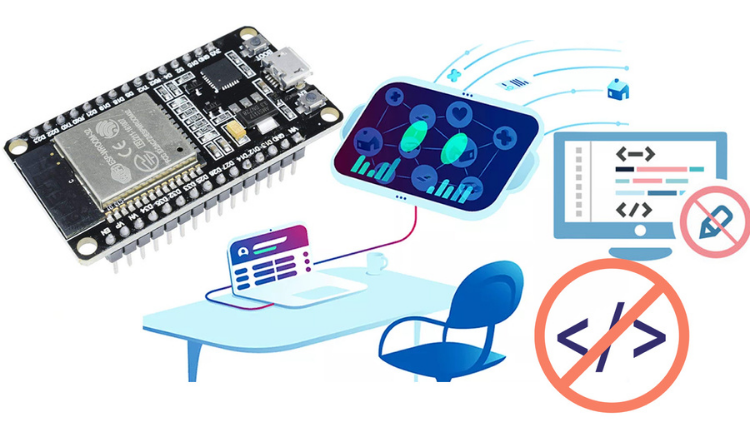
Program ESP32 Board without writing a single code in A Professional Environment
5.0
2 godz. 30 min
18 wykłady
Wszystko
BEZPŁATNY

IT i oprogramowanie | Sprzęt komputerowy
Revolutionize Your Coding Skills with Al: A Comprehensive Guide for Beginners
5.0
2 godz.
11 wykłady
Wszystko
$10.99
$19.99

IT i oprogramowanie | Bezpieczeństwo Informacji
Master ISO 27001: Achieve Certification, Build Security, and Ensure Compliance for Your Organization
5.0
1 godz. 30 min
10 wykłady
Początkujący
$39.99
$54.99
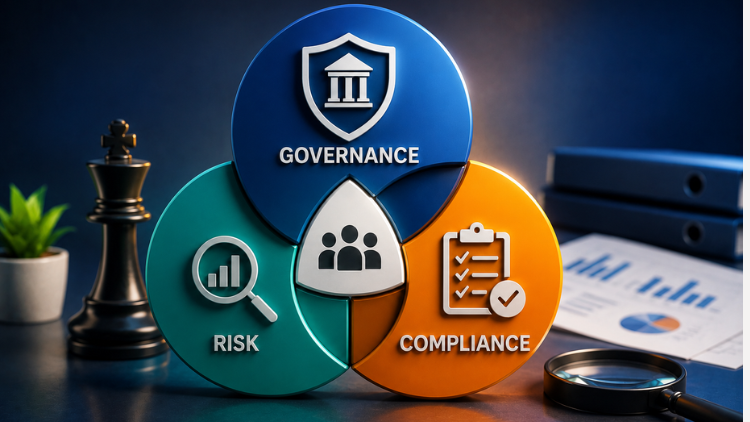
IT i oprogramowanie | Certyfikat w zakresie zarządzania, ryzyka i zgodności (CGRC)
Master GRC: Step-by-Step Guide to Implementing Governance, Risk, and Compliance for Business Success
5.0
2 godz. 30 min
35 wykłady
Mediator
$39.99
$64.99

IT i oprogramowanie | Arduino
Seamlessly Stream and Visualize Real-Time Data from Arduino into Excel with Ease
5.0
1 godz. 30 min
6 wykłady
Wszystko
$9.99
$34.99

IT i oprogramowanie | Inne IT i oprogramowanie
Learn how to create and customize a website with no prior coding experience.
5.0
1 godz. 30 min
12 wykłady
Wszystko
$9.99
$19.99
Frequently Bought Together
Learners who enrolled in this course also frequently purchased these complementary courses together.
7-Day Money Back Guarantee for all bundle items
Total price for selected items:
$82.38
$102.97
Często zadawane pytania
Znajdź odpowiedzi na najczęściej zadawane pytania dotyczące tego kursu.
Tak! Po ukończeniu 100% wykładów i zadań w ramach kursu możesz natychmiast pobrać zweryfikowany cyfrowy certyfikat ukończenia bezpośrednio ze swojego profilu Lucebra.
Odkryj więcej w Technology
Rozwiń swoją naukę dzięki akredytowanym certyfikatom, e-bookom i interaktywnym lekcjom na żywo.