
Change management is essential for guiding and supporting teams through transitions, focusing on understanding human behavior, strategic planning, and clear communication. By engaging employees early, setting clear goals, and maintaining open dialogue, organizations can navigate change successfully, fostering a culture of adaptability and innovation.

拖车
认识您的导师:Peter Alkema
19 ms
5.0 / 5.0
全球评级1
活跃的学生美国英语
99 种语言字幕5小时 33分
总内容你将学到什么
1. 변화 관리의 핵심 원칙을 설명합니다.
2. 현대 비즈니스에서 변화 관리의 중요성을 설명합니다.
3. Kotter의 8단계 모델과 ADKAR 모델을 비교합니다.
4. Lewin의 변화 관리 모델을 사례 연구에 적용합니다.
课程内容
20 部分 • 100 讲座 • 05:33:35 总长度Introduction to Kotter's 8-Step Change Model
03:58
Kotter's 8-Step Change Model provides a strategic approach for implementing change within organizations, emphasizing the need for creating urgency, forming a guiding coalition, developing a vision, communicating that vision, removing obstacles, creating short-term wins, building on the change, and anchoring new approaches within the corporate culture. This framework aims to ensure effective change management by engaging stakeholders throughout the process and embedding transformative changes into the organizational fabric for sustained success.
Introduction to Kotter's 8-Step Change Model
PDF
下载
Deep Dive into ADKAR Model
02:48
The ADKAR Model by Prosci is a structured approach for managing and supporting change within organizations and individuals, emphasizing the importance of Awareness, Desire, Knowledge, Ability, and Reinforcement in the change process. It offers a roadmap for guiding people through changes, ensuring they are not only implemented but embraced and sustained over time.
Deep Dive into ADKAR Model
PDF
下载
Comparing Kotter and ADKAR Models
03:37
Kotter's 8-Step Change Model emphasizes the importance of leadership and strategic planning in implementing large-scale organizational changes, starting with creating a sense of urgency and culminating in anchoring new approaches in the culture. The ADKAR Model by Prosci focuses on individual responses to change, progressing through Awareness, Desire, Knowledge, Ability, and Reinforcement to ensure the change is effectively adopted at a personal level.
Comparing Kotter and ADKAR Models
PDF
下载
Applying Change Management Frameworks to Real-World Scenarios
03:59
Change management is a critical discipline in today's dynamic business landscape, utilizing frameworks like the ADKAR model, Kotter's 8-Step Process, and Lewin's Change Management Model to guide organizations through transitions smoothly. By focusing on human behavior, communication, and strategic steps, these models help ensure the successful implementation of changes, from new technologies to organizational restructuring, enhancing overall organizational performance and adaptability.
Applying Change Management Frameworks to Real-World Scenarios
PDF
下载
Strengths and Limitations of Popular Change Management Frameworks
03:00
The lesson explores popular change management frameworks such as Kotter’s 8-Step Process, the ADKAR Model, the McKinsey 7-S Framework, and Lewin's Change Management Model, highlighting their strengths and limitations in facilitating organizational change. It emphasizes the importance of understanding an organization’s unique context and adopting a flexible approach to successfully manage and implement change.
Strengths and Limitations of Popular Change Management Frameworks
PDF
下载
Exploring Lewin's Change Management Model
03:22
Kurt Lewin's Change Management Model, a foundational approach developed in the 1940s, divides the process of organizational change into three stages: Unfreeze, Change, and Refreeze, guiding organizations through preparation, implementation, and solidification of change. This model emphasizes the importance of preparing for change, effectively managing the transition with clear communication and support, and integrating new practices into the organizational culture to ensure lasting transformation.
Exploring Lewin's Change Management Model
PDF
下载
Introduction to the McKinsey 7-S Framework
03:43
The McKinsey 7-S Framework is a comprehensive tool designed for evaluating and promoting organizational effectiveness and change management, distinguishing between 'hard' elements (Strategy, Structure, Systems) and 'soft' elements (Shared Values, Skills, Style, Staff). It emphasizes the interconnectedness of these seven elements, advocating a holistic approach to successfully navigate and implement change within an organization.
Introduction to the McKinsey 7-S Framework
PDF
下载
The Change Curve Model Explained
03:06
The Change Curve Model, rooted in the psychology of grief, outlines the emotional journey individuals undergo when adapting to change in an organization, including stages such as shock and denial, frustration, depression, experimentation, and commitment. By understanding and strategically addressing each phase, leaders can effectively guide their teams through transitions, fostering a resilient and adaptable organizational culture.
The Change Curve Model Explained
PDF
下载
Selecting the Right Change Management Framework
03:24
Selecting the right change management framework is crucial for effectively managing change within an organization, focusing on engaging employees, managing resistance, and ensuring sustainable transitions. Key frameworks like Kotter's 8-Step Process and the ADKAR Model offer structured approaches tailored to different organizational needs, sizes, and change scopes, emphasizing the importance of understanding and addressing the human side of change.
Selecting the Right Change Management Framework
PDF
下载
Blending Different Change Management Models for Effectiveness
03:26
Blending different change management models, such as Lewin's three-stage model, Kotter's eight-step process, and the ADKAR model by Prosci, enhances the effectiveness of organizational change initiatives by leveraging the combined strengths of each. This comprehensive approach addresses both the technical and human aspects of change, ensuring more successful outcomes in today's fast-paced business environment.
Blending Different Change Management Models for Effectiveness
PDF
下载
每周学习计划
规划您的学习之旅
AI根据您的可用时间生成个性化时间表5 小时/周
要求
1. 이 강좌에는 요구 사항이나 사전 요건이 없지만, 아래 항목은 이 강좌의 가치와 이점을 높이는 데 유용한 배경 지식에 대한 가이드입니다.
2. 조직 구조 및 기능에 대한 기본적인 이해.
3. 기본 비즈니스 용어에 대한 익숙함.
4. 조직 개발, 인적 자원 또는 리더십 역할에 대한 관심 또는 경험.
目标受众
1. 조직 변화를 효과적으로 구현하려는 비즈니스 리더 및 경영진.
2. 조직 내 변화 이니셔티브를 지원하고 촉진하려는 인적 자원 전문가.
3. 고객 프로젝트를 위한 다양한 프레임워크 및 모델에 대한 지식을 심화하려는 변화 관리 컨설턴트.
4. 조직 목표와 일치하는 변화 프로젝트를 주도하고 보장하는 프로젝트 관리자.
关于本课程
빠르게 변화하는 세계에서, 유일한 불변은 변화입니다. 기술의 발전에서 글로벌 시장의 변화에 이르기까지, 변화는 피할 수 없을 뿐만 아니라 전례 없는 속도로 가속화되고 있습니다. 변화 관리의 숙달은 단순한 가치 있는 기술 이상으로, 모든 산업과 개인 개발의 영역에서 성공의 중요한 결정 요인으로 변모했습니다.
이 변화 관리 종합 강좌는 조직 및 개인 변화 분야에서 수십 년의 경험을 가진 숙련된 전문가 팀이 세심하게 설계했습니다. 혁신적인 접근 방식과 깊이 있는 전략으로 인정받는 우리의 집단 전문성은 글로벌 포춘 500대 기업에서 고성장 스타트업에 이르기까지 전 세계를 망라하며, 전환 시기에 조직과 개인이 우수한 성과를 내는 데 필요한 직접적인 통찰력과 방법론을 제공합니다.
오늘날, 변화를 관리하고 적응하는 능력은 단순한 리더십 문제가 아니라 모든 사람에게 근본적인 필수 사항입니다. 변화의 역학, 변화가 미치는 심리적 영향, 효과적인 커뮤니케이션 및 참여 전략을 이해하는 것은 변화에 직면하여 탄력적이고 적응력 있으며 사전 예방적인 문화를 만드는 데 매우 중요합니다. 이 강좌는 단순히 표면을 훑어가는 것이 아니라 변화 관리의 영역을 깊이 있게 탐구하여, 오늘날의 역동적인 비즈니스 환경과 개인 개발 분야에서 관련성과 중요성을 지닌 틀, 모델 및 실제 응용에 대한 풍부한 탐색을 제공합니다.
우리와 함께 체계적으로 구성된 여정을 시작해 보세요.
认识您的讲师
Peter Alkema
主要导师
Business | Technology | Self Development
"What an amazing course! After finishing this course, I have confidence. Thank so much Dr Peter Alkema" ... "This is exactly the jump-start I needed. Very clear and concise"
I lead Digital Transformation & Architecture at ABB and I've been featured on CNBC Africa and won the Gartner CIO Of The Year in 2016. I founded and led the largest banking hackathon in South Africa which was published in 2019 as a case study by Harvard Business School.
I've taught over 100,000 students about technology, business, academics and self-development. In 2020 I completed my PhD at Wits University In Johannesburg. The study introduced a ground-breaking theory of Agile software development teams. My woodworking book was published in 2014 and has sold over 10,000 copies.
Olugbenga Gbadegesin: "Excellent delivery" / Lebogang Tswelapele: "This is what I have been longing for" / Paskalia Ndapandula: "Peter speaks with so much clarity" / Amantle Mangwedi: "It was straight to the point and the sections are cut into nice short segments which made it easier to go through" Kathy Bermudez: "Excellent material. Well organized..."
Werner van Wyk: "Thank you Peter, once again your lesson and course have given me so much knowledge and understanding" / Yvonne Rudolph "I really look forward to take everything i learned in action" / Josephine Mahlangu: "exactly what I needed to know, absolutely valuable and helpful for my personal growth"...
该讲师的其他课程:
Peter Alkema学生也买了
查看此课程的学习者还注册了这些评价最高的课程
商业与管理 | 销售与营销
Bridge the gap between sales and marketing teams with proven strategies, collaborative frameworks, and real-world tools to drive unified business growth.
5.0
2小时
11 节课
全部难度
$10.99
$19.99

商业与管理 | 环境管理
ISO 19011 Audit Planning, Evidence Gathering, Findings, Reporting & Certification | Clauses 4-10 Explained
5.0
4小时
58 节课
中间的
$54.99
$69.99

商业与管理 | 说服性沟通
Master Persuasion: Ethical Influence, Effective Speaking, Storytelling, and Cross-Cultural Strategies for Success
5.0
5小时 30分
99 节课
全部难度
$9.99
$29.99

商业与管理 | 销售技巧
Discover proven sales & marketing secrets to master objections, psychology, and boost wealth & success.
5.0
2小时 30分
4 节课
初学者
$29.99
$64.99

商业与管理 | 产品营销
Step-by-step guide to plan, market, and execute a successful product or service launch.
5.0
30分
9 节课
全部难度
$10.99
$24.99
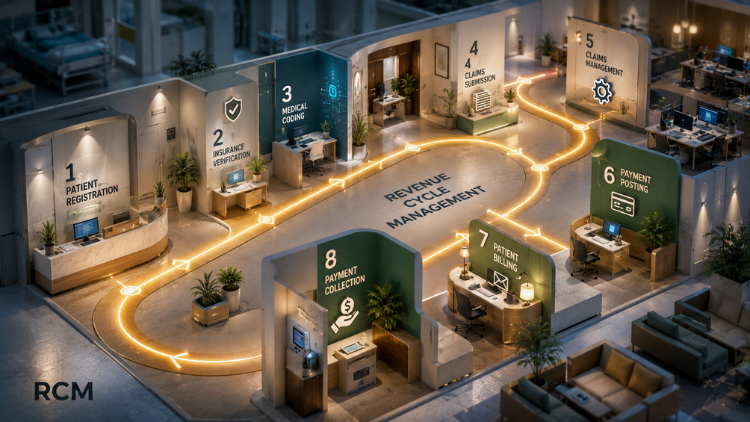
商业与管理 | 收入周期管理 (RCM)
Patient Registration, Insurance Verification, Medical Coding, Billing, Claims & Denial Management Step by Step
5.0
2小时
23 节课
中间的
$19.99
Frequently Bought Together
Learners who enrolled in this course also frequently purchased these complementary courses together.
7-Day Money Back Guarantee for all bundle items
Total price for selected items:
$103.98
$129.97
常见问题解答
查找有关本课程的最常见问题的答案。
是的! 100% 完成课程讲座和作业后,您可以立即直接从您的 Lucebra 个人资料下载经过验证的数字结业证书。
探索更多 Technology 内容
通过权威认证证书、精选电子书和实时互动直播课程拓展您的学习之旅。