

Lucebra
Lucebra للأعمال
التعليم والأكاديميا/العلوم/الفيزياء

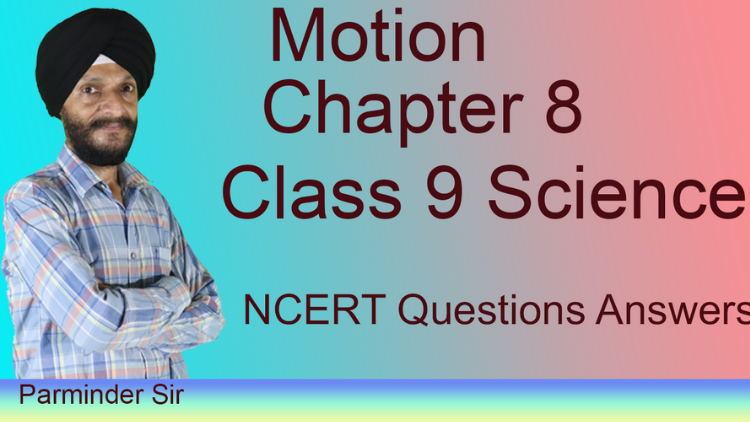
Motion Class 9 Science NCERT (دورة)

Motion Class 9 Science NCERT

جميع المستويات5 محاضراتالوصول مدى الحياة

تم التحقق من المعلم الرئيسي

Motion Class 9 Science NCERT
جَرَّار
تعرف على مدربك: Prabh Kirpa Classes

18 ms

5.0 / 5.0
التقييم العالمي
2
الطلاب النشطين
1 س 48 د
المحتوى الإجمالي
متطلبات
What is the difference between distance and displacement?
What is the difference between speed and velocity?
What are the three equations of Motion?
How we can calculate distance, displacement, speed, velocity, acceleration, time in different situations?
خطة الدراسة الأسبوعية
خطط رحلة تعلمك
الذكاء الاصطناعي ينشئ جدولاً مخصصاً بناءً على وقتك
الجمهور المستهدف

Nil

لم يتم العثور على الدورة

Students who are interested in Science Chapter Motion

حول هذه الدورة

In everyday life, we see some objects at rest and others in motion. Birds fly, fish swim, blood flows through veins and arteries, and cars move. Atoms, molecules, planets, stars and galaxies are all in motion. We often perceive an object to be in motion when its position changes with time. However, there are situations where the motion is inferred through indirect evidences. For example, we infer the motion of air by observing the movement of dust and the movement of leaves and branches of trees. What causes the phenomena of sunrise, sunset and changing of seasons? Is it due to the motion of the earth? If it is true, why don’t we directly perceive the motion of the earth? An object may appear to be moving for one person and stationary for some other. For the passengers in a moving bus, the roadside trees appear to be moving backwards. A person standing on the road–side perceives the bus alongwith the passengers as moving. However, a passenger inside the bus sees his fellow passengers to be at rest. What do these observations indicate? Most motions are complex. Some objects may move in a straight line, others may take a circular path. Some may rotate and a few others may vibrate. There may be situations involving a combination of these. In this chapter, we shall first learn to describe the motion of objects along a straight line. We shall also learn to express such motions through simple equations and graphs. Later, we shall discuss ways of describin.


We describe the location of an object by specifying a reference point. Let us understand this by an example. Let us assume that a school in a village is 2 km north of the railway station. We have specified the position of the school with respect to the railway station. In this example, the railway station is the reference point. We could have also chosen other reference points according to our convenience. Therefore, to describe the position of an object we need to specify a reference point called the origin


The rate of motion of an object can be more comprehensive if we specify its direction of motion along with its speed. The quantity that specifies both these aspects is called velocity. Velocity is the speed of an object moving in a definite direction. The velocity of an object can be uniform or variable. It can be changed by changing the object’s speed, direction of motion or both. When an object is moving along a straight line at a variable speed, we can express the magnitude of its rate of motion in terms of average velocity. It is calculated in the same way as we calculate average speed. In case the velocity of the object is changing at a uniform rate, then average velocity is given by the arithmetic mean of initial velocity and final velocity for a given period of time.

تعرف على المدرب
5.0 التقييم
63 الطلاب
عرض الملف الشخصي الكامل
Prabh Kirpa Classes
المعلم الرئيسي
Educator
This channel is purely education based. Our aim is to ensure that the students are able to understand each and every question in an easy way. We take pride in providing quality educational services to the students of Class VII to Class XI Science NCERT, English, Computer solutions, Mathematics, Business Studies & Economics. Our goal is to help the leaders of tomorrow to learn to succeed today....

اشترى الطلاب أيضا

المتعلمون الذين شاهدوا هذه الدورة التدريبية قاموا أيضًا بالتسجيل في هذه الدورات ذات التصنيف الأعلى

Probability Beyond the Basics: Part 1
الأكثر مبيعاً
التعليم والأكاديميا | الرياضيات

Taking Your Mastery of Probability to the Next Level

5.0
1 س 30 د
6 محاضرة
الكل
$9.99

$19.99

Beyond Basics: Calculating Cone Surface Area with Precision
التعليم والأكاديميا | الرياضيات

Advanced Formulas and Strategies for Cone Surface Area Determination

5.0
1 س
10 محاضرة
الكل
$19.99
Future Tense
الطبقة العليا
التعليم والأكاديميا | قواعد اللغة الإنجليزية

FUTURE TENSE

5.0
2 س
4 محاضرة
الكل
مجاناً
ابدأ الآن
June 2026 Current Affairs Complete Revision Course
التعليم والأكاديميا | الشؤون الحالية

Master all important Current Affairs from June 1–30, 2026 with daily video lectures, MCQs, exam-oriented explanations an

5.0
8 س 30 د
29 محاضرة
مبتدئ
$29.99

$39.99

Bar Graphs Unveiled: A Comprehensive Introduction
التعليم والأكاديميا | الرياضيات

Unlocking the Power of Bar Charts for Effective Data Communication

5.0
1 س
5 محاضرة
الكل
$14.99

$19.99

AI for Students: Complete Practical Course
جديد
التعليم والأكاديميا | الذكاء الاصطناعي (AI)

Use AI responsibly for study, research, revision, assignments, planning, productivity, prompts, workflows, and academic success.

5.0
5 س
4 محاضرة
مبتدئ
$174.99

$219.99

الأسئلة المتداولة

ابحث عن إجابات للأسئلة الأكثر شيوعًا حول هذه الدورة.

نعم! عند إكمال 100% من محاضرات الدورة ومهامها، يمكنك على الفور تنزيل شهادة الإنجاز الرقمية التي تم التحقق منها مباشرة من ملف تعريف Lucebra الخاص بك.

استكشف المزيد في Technology

وسّع رحلتك التعليمية مع شهادات معتمدة وكتب إلكترونية ودروس تفاعلية مباشرة.